 Muhammad Ibadurrohman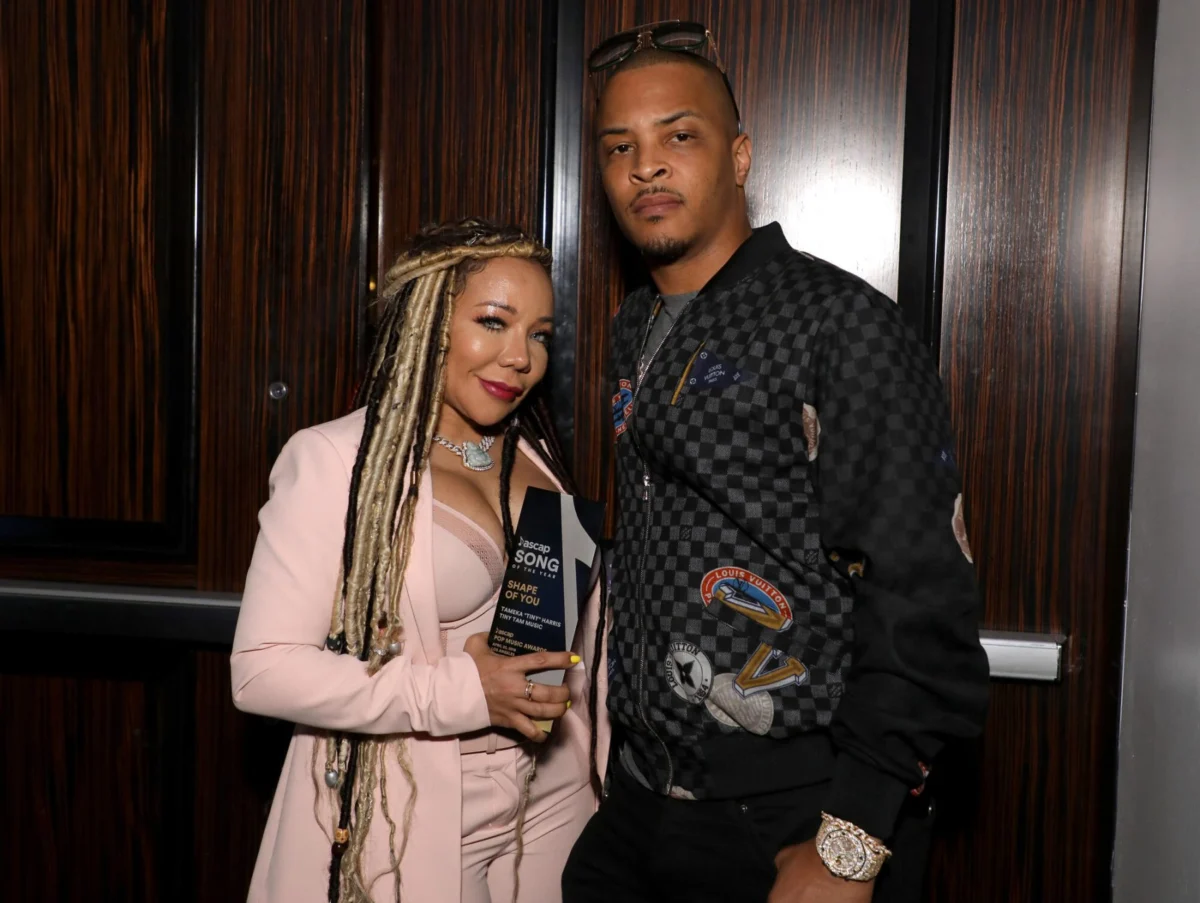
The latest chapter in a protracted legal saga between music industry power couple T.I. and Tameka ‘Tiny’ Harris and toy manufacturing giant MGA Entertainment concluded on Wednesday, July 1, with a federal jury rejecting the Harrises’ bid for punitive damages. While this outcome means the couple will not receive additional compensation beyond the substantial sum already awarded, they are still set to walk away with $18 million in a victory that underscores the complexities and financial stakes of intellectual property disputes in the entertainment and consumer product sectors. This marks the fourth trial in a six-year battle that has seen multiple verdicts, appeals, and judicial reversals, illustrating the arduous path often faced by creators seeking to protect their intellectual property.
The Genesis of the Dispute: OMG Girlz vs. O.M.G. Dolls
The core of the legal conflict stems from allegations made by T.I. and Tiny Harris that MGA Entertainment, the powerhouse behind global brands like Bratz and Little Tikes, intentionally copied their teen pop group, the OMG Girlz, with its popular line of "O.M.G." dolls. The OMG Girlz, an acronym for Officially Miss Guided, was a musical trio founded by the Harrises in 2009. The group notably featured their daughter Zonnique Pullins alongside Bahja Rodriguez and Breaunna Womack. They were known for their vibrant, distinctive aesthetic, characterized by neon-colored hair, bold fashion choices, and an overall energetic, youthful image that resonated with a tween audience.
The "O.M.G. Outrageous Millennial Girls" doll line, launched by MGA, quickly gained immense popularity, mirroring some of the aesthetic elements that the Harrises claimed were directly inspired by their group. The similarities, according to the Harrises’ legal team, extended beyond just the acronym and included the dolls’ distinct hairstyles, makeup, and fashion sensibilities. The lawsuit, initially filed in 2020, alleged infringement of trade dress, copyright, and potentially trademark, asserting that MGA had capitalized on the unique brand identity cultivated by the OMG Girlz without authorization or compensation. MGA Entertainment, throughout the litigation, has consistently denied any wrongdoing, maintaining that its doll line was independently created and that any perceived similarities were coincidental or generic to the fashion doll market.
A Detailed Legal Chronology: Six Years, Four Trials
The legal journey has been a winding one, marked by several significant twists and turns that highlight the intricacies of intellectual property law and jury deliberations.
2020: The Initial Filing
T.I. and Tiny Harris initiate legal proceedings against MGA Entertainment, alleging that the toy company’s "O.M.G. Outrageous Millennial Girls" doll line infringed upon the intellectual property of their girl group, OMG Girlz. The claims focused on similarities in name, visual style, and overall brand presentation.
2023: First Trial – Mistrial Declared
The first trial commenced and ultimately ended in a mistrial. The judge’s decision to declare a mistrial was reportedly due to improper testimony regarding racism, which was deemed prejudicial and likely to unduly influence the jury’s impartiality on the core issues of infringement. This early setback underscored the emotional and social complexities that can sometimes intertwine with purely legal arguments in high-profile cases.
Later 2023: Second Trial – MGA Cleared
A second trial was quickly convened to address the unresolved issues. In this instance, a jury sided with MGA Entertainment, clearing the toy company of all wrongdoing. This verdict represented a significant victory for MGA at the time, seemingly bringing the costly and time-consuming litigation to a close in their favor. However, the legal battle was far from over.

2024: Appeal and Supreme Court Precedent
The verdict from the second trial was subsequently appealed by the Harrises. Crucially, the appeal coincided with evolving Supreme Court precedent regarding intellectual property rights and their application. This shift in the broader legal landscape provided a new avenue for the Harrises’ legal team to challenge the previous outcome. The appellate court ultimately wiped out the second trial’s verdict, paving the way for a third full trial. This development highlighted how dynamic legal interpretations, particularly from higher courts, can significantly alter the trajectory of ongoing cases.
2024: Third Trial – A Major Victory for the Harrises
The third trial proved to be a pivotal moment for T.I. and Tiny. A new jury found that MGA Entertainment had indeed intentionally copied the OMG Girlz. This verdict was a resounding affirmation of the Harrises’ claims. The jury awarded them a substantial $18 million in MGA’s profits attributed to the infringement, along with an additional $53 million in punitive damages. The combined total award reached an impressive $71 million, signaling a significant financial and moral victory for the music couple. Punitive damages, typically awarded in cases where the defendant’s conduct is found to be particularly egregious, malicious, or reckless, are intended to punish the wrongdoer and deter similar conduct in the future.
Summer 2025: Judge Wipes Out Punitive Damages
Despite the jury’s comprehensive award, the triumph was short-lived regarding the punitive damages component. Last summer, the trial judge intervened, ruling to wipe out the $53 million in punitive damages. The judge determined that the Harrises had not presented "clear and convincing evidence of willful infringement or conscious disregard for the rights of others." This legal standard for punitive damages is exceptionally high, requiring a robust demonstration of malicious intent or extreme recklessness beyond simply proving infringement. While the jury had found intentional copying, the judge evidently concluded that the higher threshold for punitive damages had not been met by the evidence presented. This decision effectively reduced the total award to $18 million and necessitated a fourth trial focused solely on the question of punitive damages.
July 1, 2026: Fourth Trial – Punitive Damages Denied
The fourth and most recent mini-trial was dedicated exclusively to re-evaluating whether MGA’s actions warranted punitive damages. After careful deliberation, the jury sided with MGA Entertainment, rejecting the Harrises’ renewed request for additional compensation based on intentional and malicious infringement. This verdict capped the final award at the $18 million in profits previously determined, bringing a definitive end to the damages phase of this multi-year litigation.
The Nuances of Intellectual Property: Trade Dress, Copyright, and Punitive Damages
The legal arguments in this case revolved primarily around trade dress and copyright infringement. Trade dress protects the overall visual appearance and packaging of a product or service, including features like size, shape, color, texture, and graphics, when these elements serve to identify the source of the product and distinguish it from others. The Harrises argued that the distinctive look and feel of the OMG Girlz – their specific combination of neon hair, fashion, and branding – constituted protectable trade dress. Copyright law, on the other hand, protects original works of authorship, including musical compositions, lyrics, and artistic expressions. While the dolls were not direct copies of the music itself, the visual representation and "likeness" of the group’s style fell within the ambit of copyright and trade dress considerations.
The request for punitive damages hinged on proving MGA’s actions were not merely infringing but also willful, malicious, or demonstrated a conscious disregard for the Harrises’ rights. This is a significantly higher bar than proving mere infringement. In intellectual property law, proving willful infringement often requires demonstrating that the defendant knew of the plaintiff’s rights and proceeded to infringe anyway, or acted with reckless disregard. The jury in the third trial was convinced by this argument, but the judge’s subsequent ruling and the outcome of the fourth trial suggest that while intentional copying was established for compensatory damages ($18 million in profits), the evidence fell short of the "clear and convincing" standard required to impose punitive penalties. This distinction is critical in IP litigation, as compensatory damages aim to make the injured party whole (e.g., through lost profits or royalties), while punitive damages aim to punish and deter.
Statements and Reactions from Related Parties
Following the latest verdict, T.I. and Tiny’s attorneys released a statement to Billboard, expressing their disappointment while acknowledging the jury’s time and consideration. "It’s clear from the evidence that MGA’s policies are inadequate to prevent this type of IP infringement and their document retention and collection procedures are equally as suspect," their lawyers stated. This suggests an ongoing concern regarding MGA’s internal practices for ensuring originality and preventing the appropriation of others’ creative works. They further affirmed their commitment to continuing to "fight for our clients’ rights and the rights of all creatives," indicating that despite the setback on punitive damages, they view the $18 million award as a significant win for intellectual property holders.
Representatives for MGA Entertainment did not immediately return requests for comment on the verdict. However, given their consistent denials of infringement throughout the six-year process, it is highly probable that MGA views the rejection of punitive damages as a vindication of their position regarding the lack of malicious intent. The reduction of the initial $71 million verdict to $18 million would also likely be seen as a favorable outcome for the toy company, mitigating a substantial financial exposure. The case has undoubtedly been a costly endeavor for both sides, involving extensive legal fees, expert testimony, and significant time investment from executives and legal teams.

Broader Implications for Intellectual Property and Creative Industries
This protracted legal battle holds several broader implications for creators, entertainment figures, and manufacturing companies operating in competitive markets.
Protection of Creator Rights: The $18 million award, despite the denial of punitive damages, serves as a significant affirmation of the rights of creators, particularly those in the music and entertainment industries, to protect their unique branding and visual identities. It sends a message that established intellectual property, even if originating from a musical group rather than a traditional product, can be legally defended against perceived commercial appropriation. In an era where brand identity is paramount, and visual trends can be quickly replicated, this case highlights the potential for substantial compensation when infringement is proven.
The High Bar for Punitive Damages: The judicial decision to eliminate and then the jury’s subsequent denial of punitive damages underscores the extremely high legal standard required for such penalties. While intentional infringement for profit can lead to significant compensatory awards, proving the kind of malicious intent or reckless disregard necessary for punitive damages is a formidable challenge. This aspect of the verdict may be a relief for manufacturers, suggesting that while they must be vigilant about infringement, not every instance will result in crippling punitive awards unless truly egregious conduct is demonstrated.
Cost and Duration of Litigation: Six years and four trials illustrate the immense financial and temporal burden of defending intellectual property rights. Such prolonged litigation can drain resources, divert attention from core business operations, and create significant uncertainty for all parties involved. This case may serve as a cautionary tale for both plaintiffs and defendants, highlighting the need for robust IP strategies and potentially encouraging out-of-court settlements where possible. For smaller creators, the sheer cost of pursuing such a lengthy legal battle against a corporate giant might be prohibitive, raising questions about access to justice in IP disputes.
Market Dynamics in the Toy Industry: The toy industry is highly competitive and trends-driven, often characterized by rapid product cycles and fierce competition for market share. Brands like Bratz and Little Tikes, and newer lines like O.M.G. dolls, operate in an environment where capturing the zeitgeist is key to success. This case underscores the fine line between drawing inspiration from popular culture and directly infringing on established intellectual property. Companies in this sector must continuously navigate these boundaries, investing in robust internal IP clearance processes to avoid costly legal battles.
Celebrity Brand Extension: For celebrities like T.I. and Tiny, who leverage their fame to create and promote ancillary products or groups, this case emphasizes the importance of formalizing and protecting their intellectual property from the outset. As artists increasingly diversify their portfolios into fashion, toys, and other consumer goods, understanding and enforcing their IP rights becomes crucial for long-term brand value.
In conclusion, the resolution of the punitive damages phase of the T.I. and Tiny Harris versus MGA Entertainment lawsuit marks a significant moment in intellectual property law. While the Harrises did not secure the additional punitive damages they sought, the $18 million award for MGA’s profits stands as a testament to the validity of their infringement claims and the protectability of creative brand identities. The six-year odyssey through the courts highlights the complex, expensive, and often unpredictable nature of intellectual property disputes, offering valuable lessons for creators and corporations alike in an increasingly interconnected and trend-driven global marketplace.