Muhammad Ibadurrohman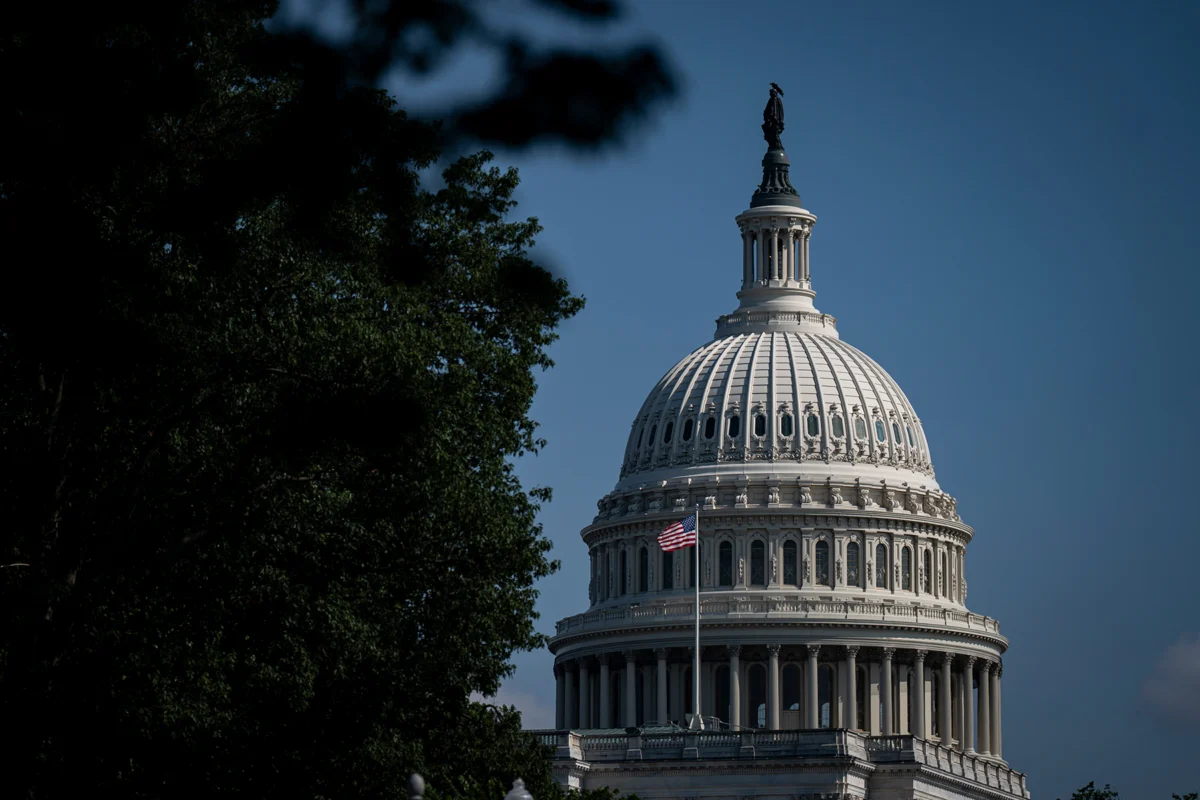
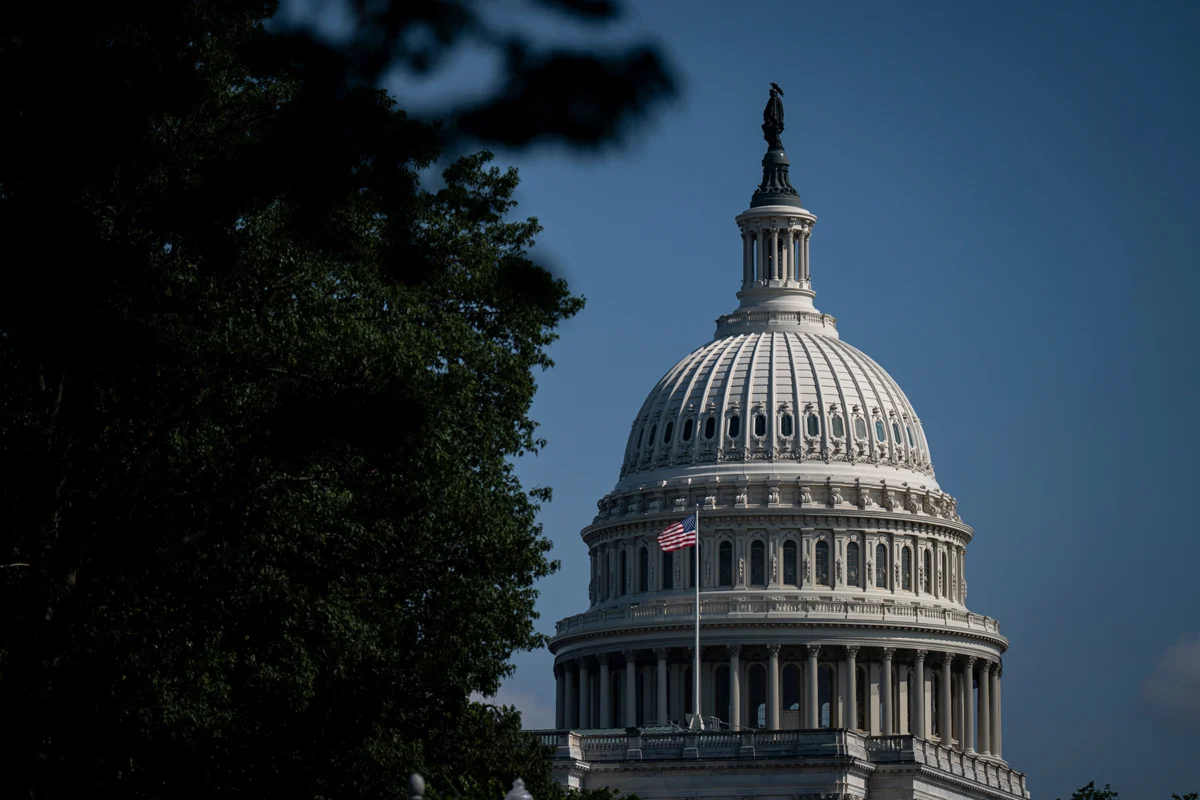
Billboard, the venerable voice of the music industry, has announced a comprehensive initiative to meticulously track and analyze all federal legislation introduced in the 119th Congress that could potentially reshape the landscape for artists, consumers, and companies alike. This dedicated focus underscores the profound impact that legislative actions in Washington, D.C., can have on critical facets of the music business, ranging from intellectual property and digital licensing to live performance ticketing and artist royalties. The ongoing legislative session presents a complex array of proposals, many of which enjoy bipartisan support and are the product of extensive advocacy from major industry stakeholders, including the Recording Academy, the Recording Industry Association of America (RIAA), prominent record labels, and live entertainment giants such as Live Nation.
The music industry, a vibrant and dynamic sector, is perpetually influenced by technological advancements, evolving consumer behaviors, and intricate legal frameworks. As such, the engagement with federal lawmakers is not merely a formality but a strategic imperative. The 119th Congress convenes at a pivotal moment, with emerging technologies like artificial intelligence (AI) presenting both unprecedented opportunities and significant challenges to established copyright norms. Simultaneously, long-standing issues such as ticketing transparency and equitable artist compensation in the streaming era continue to demand legislative attention. Billboard‘s commitment to aggregating this information provides an essential resource for stakeholders navigating the often-opaque federal legislative process, offering insights into the history, proponents, and anticipated industry impact of each proposed bill. This initiative promises to be a living document, continually updated as bills progress through committee reviews, floor votes, and potential presidential assent, ensuring that the industry remains informed of every development.
The Evolving Landscape of Music Legislation
The relationship between the music industry and federal policy is deeply rooted in history, with landmark legislation consistently shaping its structure and economics. From the foundational Copyright Act of 1976, which codified many of the rights artists and labels hold over their creations, to the Digital Millennium Copyright Act (DMCA) of 1998, which attempted to adapt copyright law for the internet age, and more recently, the Music Modernization Act (MMA) of 2018, which streamlined digital licensing and improved songwriter compensation, federal laws have been instrumental in defining the industry’s operational parameters. Each legislative cycle brings new challenges and opportunities, driven by technological innovation, market shifts, and persistent calls for fairness and transparency.
The music industry is not just a cultural cornerstone but also a significant economic engine for the United States. According to recent economic analyses, the broader creative economy, with music as a central pillar, contributes hundreds of billions of dollars annually to the U.S. gross domestic product and supports millions of jobs across various sectors, from direct creation and performance to manufacturing, retail, and technology. This substantial economic footprint grants the industry considerable weight in legislative debates, with policymakers often keen to foster an environment conducive to its growth and stability. However, the industry’s diverse components—from independent artists and small venues to multinational corporations—often have divergent interests, making consensus-building for legislative advocacy a complex undertaking. The 119th Congress is expected to grapple with these complexities, balancing the need to protect intellectual property with fostering innovation, ensuring fair compensation for creators, and safeguarding consumer interests.
Key Legislative Arenas Under Scrutiny
The bills under consideration in the 119th Congress touch upon several critical areas, each with profound implications for the music ecosystem. Billboard‘s tracking effort will delve into the specifics of these categories, providing granular detail on how proposed changes could ripple through the industry.
Reforming the Ticketing Ecosystem
One of the most persistent and contentious issues facing the live music sector is the state of the ticketing market. Concerns over predatory pricing, the prevalence of speculative tickets, the use of automated bots to scalp tickets, and a general lack of transparency have fueled widespread frustration among fans, artists, and legitimate venues. While the BOTS Act of 2016 made it illegal to use bots to bypass ticketing security measures, many argue that its enforcement has been insufficient, and the broader issues of market fairness remain unaddressed.
Legislation currently being discussed, potentially under titles such as a "Fair Ticketing Act" or "TICKET Act" (hypothetical names reflecting common themes), aims to introduce stricter regulations. These could include mandates for all-in pricing disclosures, requiring sellers to show the full cost including fees upfront; greater transparency regarding ticket availability and resale practices; and enhanced penalties for deceptive advertising or speculative ticket sales. For consumers, such reforms promise a more equitable and transparent purchasing experience, potentially reducing the financial burden and frustration associated with attending live events. For artists and venues, these measures could help ensure that tickets reach genuine fans at reasonable prices, combating the erosion of trust caused by inflated secondary market prices and reducing revenue lost to illicit practices. Industry groups like the National Independent Venue Association (NIVA) and various artist advocacy organizations are key proponents, pushing for reforms that protect both fans and the integrity of the live experience.
Navigating AI and Copyright in the Digital Age
The rapid proliferation of artificial intelligence technologies has introduced an entirely new frontier for copyright law. The ability of AI models to generate music, lyrics, and even perform in the style of existing artists, often by "learning" from vast datasets of copyrighted works, raises fundamental questions about authorship, ownership, and fair use. Bills like a hypothetical "AI Copyright Clarity Act" or "Generative AI Rights Act" are expected to address these complex issues.
Key debates revolve around whether the use of copyrighted material to train AI models constitutes copyright infringement, the legal status of AI-generated content, and the necessity for transparency regarding the origin of AI-created works. Artists, songwriters, and record labels are vocal in their demands for robust protections, arguing that their creative output should not be freely exploited to enrich AI developers without proper licensing and compensation. They also advocate for clear attribution standards and mechanisms to prevent the unauthorized replication or appropriation of their artistic identities. Conversely, some tech companies and AI developers argue for broad fair use interpretations, asserting that AI training is transformative and essential for technological advancement. The implications of this legislation are immense: it could redefine the boundaries of intellectual property in the digital age, impact the economic viability of human creators, and set global precedents for how societies regulate AI’s interaction with creative works.
Modernizing Royalty Structures and Artist Compensation
While the Music Modernization Act (MMA) of 2018 made significant strides in improving digital royalty collection and distribution for songwriters and publishers, ongoing debates continue regarding comprehensive artist compensation, particularly in the streaming economy. Additionally, long-standing issues like terrestrial radio performance royalties for sound recordings remain unresolved. The "American Music Fairness Act," a bill that has seen previous introductions, aims to require AM/FM radio stations to pay performance royalties to artists and record labels for the use of their sound recordings, aligning U.S. law with most other developed nations. Currently, only songwriters and publishers receive royalties from terrestrial radio play, while recording artists and labels do not.
Further legislative discussions might explore mechanisms to ensure more equitable distribution of streaming revenues, potentially addressing the so-called "value gap" where certain platforms pay less than others for the same content. Other proposals could focus on greater transparency in artist contracts and royalty statements, or even explore direct remuneration models that better support emerging and mid-tier artists. The Recording Academy, RIAA, and various artist and musician unions are at the forefront of these advocacy efforts, emphasizing that fair compensation is crucial for sustaining a vibrant creative class and ensuring the long-term health of the music industry. The passage of such legislation could significantly boost income for countless artists, particularly legacy artists who have historically been excluded from certain royalty streams, and inject greater financial stability into the recording sector.
Supporting Live Music Venues and Tourism
The COVID-19 pandemic laid bare the precarious financial position of many live music venues, particularly independent ones, leading to the passage of the "Save Our Stages Act" as part of broader relief packages. While that act provided critical lifeline funding, the industry continues to advocate for policies that foster long-term resilience and growth. Potential legislation in the 119th Congress could focus on tax incentives for venue improvements, support for music tourism initiatives, or funding for infrastructure projects that enhance the live music experience.
These measures aim to recognize the critical role live music plays in local economies, driving tourism, creating jobs, and contributing to cultural vibrancy. Small and independent venues, often operating on thin margins, are particularly vulnerable to economic downturns and regulatory shifts. Legislation supporting these entities could ensure a diverse and accessible live music scene, preventing the market from being dominated by larger corporate players. Advocates argue that investing in live music infrastructure is an investment in community development and cultural preservation.
The Labyrinthine Legislative Process
Understanding the legislative journey of a bill is crucial for appreciating Billboard‘s tracking efforts. The path from introduction to enactment is lengthy, arduous, and rarely straightforward. A bill typically begins its life when introduced by a member in either the House of Representatives or the Senate. Once introduced, it is assigned to a relevant committee for review. Here, committee members may hold hearings, gather expert testimony, and "mark up" the bill, making amendments and revisions. Many bills never make it out of committee.
If a bill successfully clears committee, it moves to the floor of its respective chamber for a full vote. If passed by one chamber, it then proceeds to the other chamber, where it undergoes a similar committee review and floor vote. Often, the House and Senate pass different versions of the same bill. When this occurs, a conference committee composed of members from both chambers is formed to reconcile the differences and create a single, unified version. This final version must then be approved by both the House and the Senate before it can be sent to the President. The President can sign the bill into law, veto it (which Congress can override with a two-thirds majority vote in both chambers), or allow it to become law without a signature. This multi-stage process, often spanning months or even years, highlights the significant effort required for any piece of legislation to become law, underscoring the importance of sustained advocacy and public awareness.
Industry Voices and Advocacy Efforts
The bipartisan support for many music-related bills is a testament to the unified front presented by various industry organizations. The Recording Academy, known for its advocacy on behalf of music creators, consistently champions legislation that protects intellectual property, ensures fair compensation, and supports the overall well-being of artists. Their statements frequently emphasize the need for robust copyright protections in the age of AI and equitable revenue streams in the digital landscape. The RIAA, representing major record labels, plays a crucial role in safeguarding recorded music assets, combating piracy, and promoting a healthy marketplace for recorded music. They often advocate for stricter enforcement of copyright laws and fair market value for the use of sound recordings.
Corporate giants like Live Nation, a dominant force in live entertainment, typically support legislation that streamlines ticketing, protects venues, and fosters a robust live event ecosystem. Their lobbying efforts often focus on market stability and consumer experience. Beyond these prominent players, numerous smaller organizations, artist collectives, and independent venue associations contribute to the advocacy landscape, ensuring that a diverse range of voices is heard in legislative corridors. Consumer advocacy groups also play a vital role, stressing the importance of transparency, affordability, and protection against deceptive practices in areas like ticketing. This collective, multifaceted advocacy is instrumental in bringing legislative issues to the forefront and influencing policy outcomes.
The Stakes: Economic, Creative, and Consumer Implications
The outcomes of the legislative debates in the 119th Congress carry significant weight across multiple dimensions. Economically, new laws could dramatically alter revenue streams for artists, labels, publishers, and venues. For instance, a successful "American Music Fairness Act" could inject hundreds of millions of dollars annually into the coffers of recording artists and labels from terrestrial radio royalties. Conversely, inadequate protection against AI exploitation could dilute the value of human-created music, impacting creators’ livelihoods.
Creatively, the legislation around AI and copyright will shape the future of artistic expression and innovation. Clear guidelines could foster responsible AI development that respects human creativity, while ambiguous or weak protections could lead to widespread unauthorized use of artistic works, potentially stifling innovation and discouraging new creators. For consumers, the impact is tangible: fairer ticketing practices could mean more affordable access to live music; robust copyright protection ensures a diverse array of high-quality music; and transparent business practices foster trust in the marketplace. The decisions made in Washington, D.C., will thus resonate far beyond the halls of Congress, influencing the very fabric of the music industry for years to come.
Billboard’s Commitment to Transparency
In light of these high stakes, Billboard‘s initiative to compile and continually update information on music-related legislation serves as an indispensable resource. By providing detailed context, tracking developments, and explaining the potential ramifications of each bill, Billboard aims to empower industry professionals, artists, and fans to understand and engage with the legislative process. This commitment to journalistic integrity and timely, accurate reporting ensures that the music community is not left in the dark as critical decisions are made that will shape its future. As the 119th Congress progresses, Billboard will remain at the forefront, documenting every twist and turn of the legislative journey and analyzing its significance for the global language of music.