Johan Budi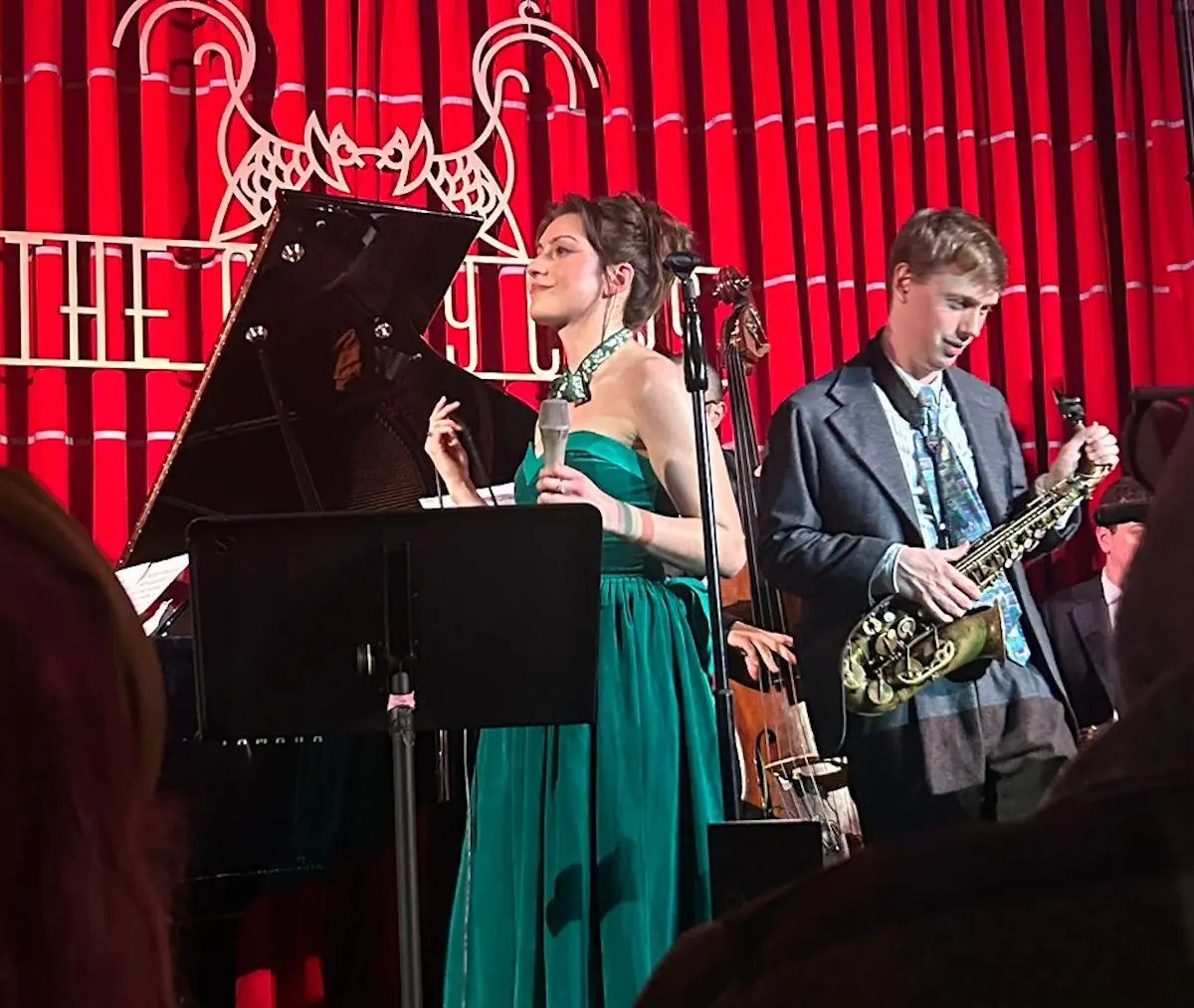
The performance held on March 27, 2026, at London’s Crazy Coqs featured saxophonist Sam Braysher and vocalist Annie Majin in a curated exploration of the collaborative works of Alan Jay Lerner and Frederick Loewe. This event, situated within the intimate Art Deco confines of the Brasserie Zédel’s cabaret space, sought to bridge the gap between the mid-20th-century Broadway tradition and contemporary jazz interpretation. Supported by a rhythm section comprising Gabriel Latchin on piano, Asaph Tal on bass, and Joe Dessauer on drums, the quintet navigated a selection of the approximately 120 songs authored by the legendary duo during their thirty-two-year partnership.
The Aesthetic and Philosophy of Sam Braysher
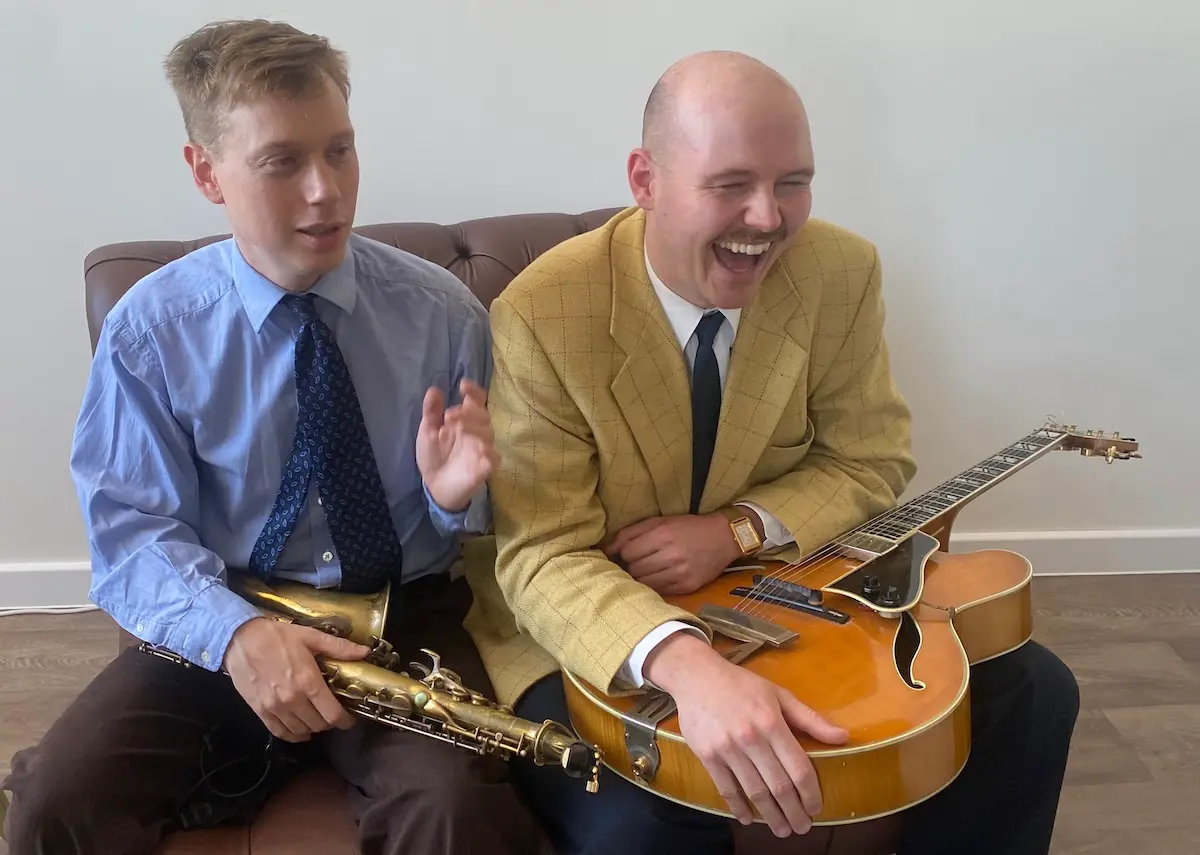
Sam Braysher, an alto saxophonist born in the 1980s, has carved a distinct niche within the United Kingdom’s jazz scene by eschewing contemporary stylistic trends in favor of a traditionalist approach. While much of the modern jazz landscape is defined by experimental fusion, avant-garde structures, or visual markers such as unconventional attire and body art, Braysher maintains a persona and musicality rooted in the mid-century "Golden Age" of jazz.
His presentation—characterized by formal attire including sports jackets, flannels, and ties—mirrors his musical philosophy. Braysher’s repertoire choices frequently predate his own birth by several decades, focusing on the Great American Songbook and the intricate melodicism of the 1930s through the 1950s. This commitment to the aesthetic and technical standards of the past provides a framework for his improvisational style, which prioritizes lyricism, harmonic clarity, and a refined tone over the aggressive abstractions common in modern post-bop.
The Historical Context of the Lerner and Loewe Partnership
The evening’s program was dedicated exclusively to the output of Alan Jay Lerner (lyricist) and Frederick "Fritz" Loewe (composer). The partnership began in 1942 at the Lambs Club in Manhattan, a historic theatrical social club. Their initial collaboration, Life of the Party, debuted in 1942 and was a commercial failure. However, this early setback did not dissolve the partnership; rather, it served as the foundation for a series of works that would eventually redefine the American musical.
Between 1942 and 1960, and sporadically until 1974, Lerner and Loewe produced seven stage musicals and two original film scores. Their body of work is noted for its sophisticated integration of book and lyrics, moving away from the "musical comedy" format toward a more cohesive "musical play." Their most significant successes—Brigadoon (1947), Paint Your Wagon (1951), My Fair Lady (1956), Gigi (1958), and Camelot (1960)—provided a wealth of material that has since been adopted by jazz musicians for its melodic richness and harmonic depth.
Chronology of Major Works
- 1942: Life of the Party (Initial collaboration; unsuccessful).
- 1943: What’s Up? (First Broadway production).
- 1945: The Day Before Spring (Critical success, moderate run).
- 1947: Brigadoon (Major breakthrough; ran for 581 performances).
- 1951: Paint Your Wagon (Exploration of the American West).
- 1956: My Fair Lady (Record-breaking success; 2,717 performances).
- 1958: Gigi (Original film musical; won nine Academy Awards).
- 1960: Camelot (Associated with the Kennedy administration era).
- 1974: The Little Prince (Final major film collaboration).
Performance Analysis: Vocal Interpretations and Arrangements
The concert at Crazy Coqs featured eleven selections from the Lerner and Loewe catalog. The opening number, "Follow Me" from the 1960 musical Camelot, set an initial tone of atmospheric precision. Annie Majin’s delivery of this ballad was noted for its technical control and adherence to the intended tempo, allowing the lyrical nuances of Lerner’s prose to resonate within the acoustic space.
However, the subsequent selections marked a shift in interpretative strategy. As the set progressed, the duo opted for significantly accelerated tempos on tracks traditionally treated as contemplative ballads. This stylistic choice included renditions of "The Heather on the Hill" (from Brigadoon) and "If Ever I Would Leave You" (from Camelot). In the context of jazz, the "up-tempo" treatment of ballads is a common practice used to showcase virtuosity and rhythmic drive.
From a technical standpoint, the vocal performance by Majin was characterized by a powerful delivery that, at times, challenged the traditional boundaries of jazz phrasing. While her initial ballad work demonstrated a refined "set of pipes," the high-velocity approach to the majority of the setlist resulted in a vocal intensity that some observers found to be a departure from the melodic grace inherent in the source material. This "cavalier approach" to the tempo and volume of classic theater songs represents a modern tension between the preservation of a song’s "natural habitat" and the jazz impulse to deconstruct and re-energize familiar themes.
The Role of the Rhythm Section
The success of the evening was anchored by the rhythm section, which provided the essential "authentic jazz feel" necessary to ground the theatrical compositions in a swing context.
- Gabriel Latchin (Piano): Latchin is widely recognized in the UK jazz scene for his bebop-influenced style and sophisticated comping. His solos provided a harmonic bridge between Loewe’s European-influenced melodies and the American jazz tradition.
- Asaph Tal (Bass): Tal’s contributions were noted for their rhythmic stability and melodic contribution during solo passages, ensuring that the accelerated tempos remained cohesive.
- Joe Dessauer (Drums): Dessauer’s percussion provided the necessary propulsion for the set, managing the transitions between the delicate balladry of the opening and the high-energy swing of the later numbers.
The interplay between these musicians allowed the quintet to explore the Lerner and Loewe legacy not merely as a tribute act, but as a living laboratory for jazz improvisation.
Audience Reception and Market Implications
Despite potential critical divergence regarding vocal phrasing and tempo choices, the audience response at Crazy Coqs was overwhelmingly positive. The performance was greeted with consistent applause and cheers, indicating a strong public appetite for the revival of mid-century repertoire.
This reception highlights a broader trend in the London jazz circuit: a resurgence of interest in "Classic Jazz" and the Great American Songbook. For venues like Crazy Coqs, which specialize in cabaret and intimate musical performances, the ability to draw a crowd with 20th-century standards suggests that the "nostalgia economy" remains a robust driver of ticket sales. The audience’s reaction to "The Heather on the Hill" and "If Ever I Would Leave You" suggests that these songs, even when performed outside their original theatrical context or at varied tempos, retain a powerful emotional resonance with the public.
Broader Impact and Conclusion
The Sam Braysher and Annie Majin collaboration serves as a case study in the endurance of the Lerner and Loewe catalog. While the partnership of Alan Lerner and Frederick Loewe ended decades ago, their work continues to provide a fertile ground for contemporary artists.
The performance raises pertinent questions regarding the evolution of jazz interpretation. The tension between the "correct" theatrical tempo and the "jazz" tempo reflects a long-standing debate within the genre. For some, the integrity of the lyric and the composer’s original intent is paramount. For others, the song is merely a "vehicle"—a harmonic framework upon which new structures can be built.
In the case of the March 27 performance, the result was a night of high energy that utilized a mere thirteen-year slice of Lerner and Loewe’s thirty-two-year history to create a modern musical experience. Braysher’s commitment to a specific, well-groomed aesthetic and a historically grounded repertoire ensures that the "Golden Age" of the American musical remains accessible to 21st-century audiences, even as those audiences and performers reinterpret the music through the lens of their own era.
Ultimately, the event at Crazy Coqs underscores the vitality of the London jazz scene and its ability to sustain diverse interpretations of traditional material. Whether through the meticulous preservation of a ballad’s pace or the high-octane transformation of a Broadway standard, the music of Lerner and Loewe proves itself to be remarkably resilient, continuing to find new life in the hands of musicians like Sam Braysher and his contemporaries.