Lana Akmaluna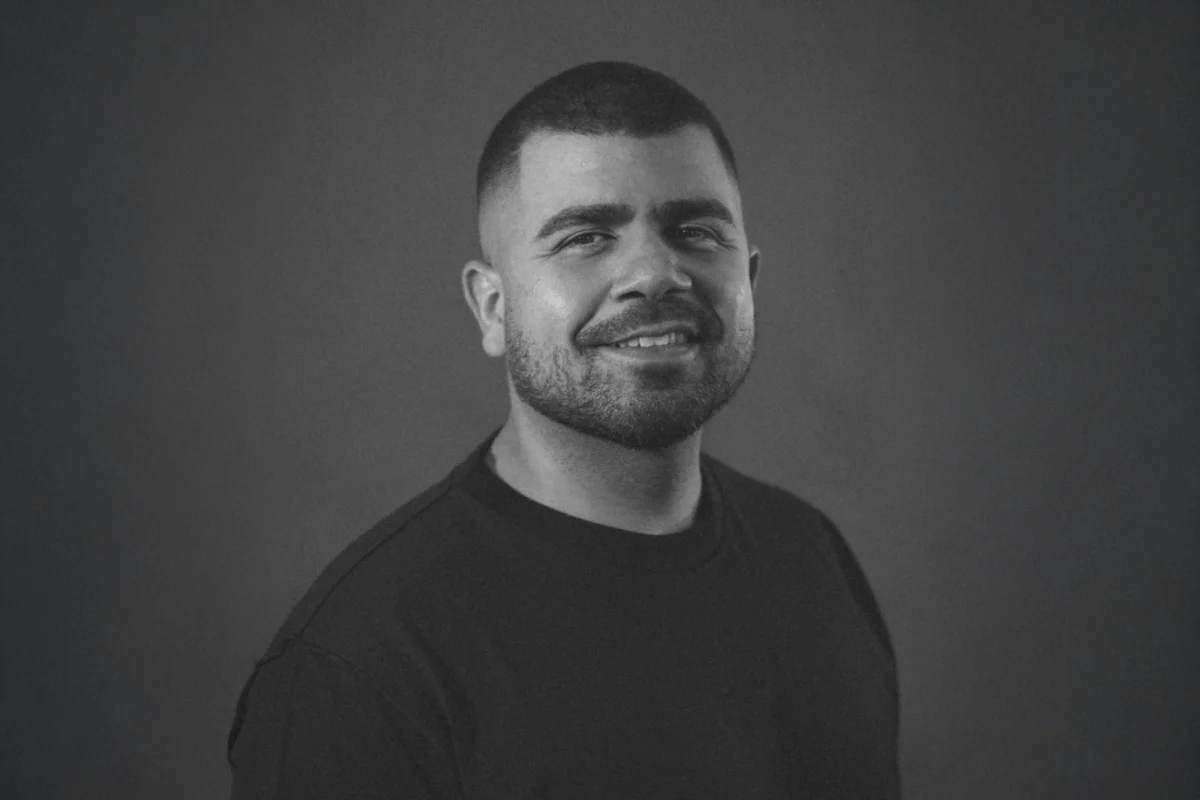
Rimas Entertainment, the powerhouse independent label behind global superstars like Bad Bunny, has officially announced the launch of SONAR, a new record label specifically dedicated to the cultivation, development, and international projection of emerging talent within the Latin music market. The announcement, made exclusively on April 29, represents a significant evolution in the company’s business model, shifting from a concentrated management and label powerhouse into a diversified "music ecosystem" designed to support artists at various stages of their professional trajectories. Led by Jesús Rodríguez, who will serve as the head of the label, SONAR aims to provide a comprehensive suite of services that goes beyond traditional recording contracts, offering integrated solutions in artist development (A&R), music production, digital distribution, marketing, rights management, and commercial partnerships.
The inception of SONAR comes at a pivotal moment for the Latin music industry, which has seen unprecedented global growth over the last five years. By establishing a dedicated division for artist development, Rimas Entertainment is positioning itself to capture the next wave of "urban" and alternative Latin talent, ensuring that the infrastructure that propelled Bad Bunny to the top of the global charts is accessible to a broader roster of creators. According to Noah Assad, CEO of Rimas Entertainment, the label’s philosophy is rooted in long-term sustainability rather than short-term hits. Assad noted that SONAR is built on the belief of creating lasting relationships that accompany artists throughout their entire musical journey, providing a supportive system that adapts to every stage of an artist’s growth.
The Strategic Architecture of the SONAR Ecosystem
The "ecosystem" approach mentioned by Rimas leadership is a direct response to the fragmenting nature of the modern music industry. In an era where viral success on social media can happen overnight, SONAR is designed to provide the structural backbone necessary to convert fleeting moments of fame into enduring careers. The label’s service suite is exhaustive, covering the full spectrum of the music business. This includes traditional A&R—the process of finding and nurturing talent—as well as sophisticated music production facilities and digital distribution networks that ensure music reaches every corner of the globe.
Beyond the technical aspects of music creation, SONAR is emphasizing the importance of brand building and commercial viability. The label’s marketing and promotion departments are tasked with navigating the complex algorithms of streaming platforms and social media, while the public relations and commercial partnership teams work to secure high-level endorsements and media visibility. By keeping these services in-house or under a unified strategic umbrella, SONAR aims to maintain a level of agility that larger, major-label conglomerates often struggle to replicate. Jesús Rodríguez, the head of SONAR, emphasized that the label is a space where artists can experiment and innovate without losing their creative essence, functioning more as a strategic partner than a traditional corporate gatekeeper.

Profile of the Inaugural Roster: Diversity and Regional Reach
The strength of any record label lies in its roster, and SONAR has launched with a diverse group of artists who represent the current zeitgeist of Latin urban music. Heading the list is Cris MJ, the Chilean sensation who has become one of the most prominent figures in the "reggaeton Chileno" movement. His global hit "Gata Only" has garnered hundreds of millions of streams, proving that the epicenter of Latin music is no longer confined to Puerto Rico or Colombia. The inclusion of Cris MJ signals SONAR’s intent to be a truly pan-Latin platform, identifying regional stars and providing them with the international machinery needed to scale their success globally.
Other notable names on the roster include Yan Block, Hades66, and J Abdiel, all of whom have built significant underground followings through independent releases and collaborations. The roster is rounded out by Matt Louis, Slow Jamz, Hydro, Panda Black, and Slayter. This selection of artists highlights SONAR’s commitment to diversity within the urban genre, spanning from hard-hitting trap and drill to more melodic reggaeton and experimental sounds. By fostering a roster that includes both established regional stars and burgeoning newcomers, SONAR is creating an internal network where artists can collaborate and cross-pollinate their fanbases, further strengthening the label’s market presence.
Industry Context: The Latin Music Gold Rush
The launch of SONAR must be viewed through the lens of the broader economic explosion of Latin music. According to data from the Recording Industry Association of America (RIAA), Latin music revenue in the United States surpassed $1 billion for the first time in 2022 and continued its upward trajectory through 2023 and 2024. Streaming accounts for the vast majority of this revenue, with Latin artists consistently dominating the top of the Spotify and YouTube global charts. However, as the market becomes more crowded, the barrier to entry for new artists has risen.
Historically, Latin artists were often forced to sign unfavorable "360 deals" with major labels to gain access to international distribution and marketing. Rimas Entertainment, through its success with Bad Bunny and other acts, proved that an independent or "indie-major" hybrid model could outperform traditional structures. SONAR represents the institutionalization of this model. By offering "international expansion" as a core pillar, SONAR is targeting artists who may already have a foothold in their local markets—such as Chile, Argentina, or Spain—but lack the resources to navigate the complexities of the North American and European markets.
A Timeline of Rimas Entertainment’s Evolution
To understand the potential impact of SONAR, one must look at the chronology of its parent company. Rimas Entertainment was founded by Noah Assad and his partners with a vision of disrupting the traditional power dynamics of the Latin music industry.

- 2014–2016: Rimas begins as a management and booking agency, quickly identifying the potential of the then-emerging Latin trap movement.
- 2017–2018: The signing and meteoric rise of Bad Bunny transforms Rimas from a boutique agency into a global powerhouse. The company emphasizes digital-first strategies and high-concept visual branding.
- 2019–2021: Rimas expands its services, becoming a full-service record label and publisher. They secure major distribution deals while maintaining creative independence.
- 2022–2023: The company diversifies into sports management (Rimas Sports) and other entertainment ventures, solidifying the "Rimas" brand as a lifestyle and cultural arbiter.
- 2024: The official unveiling of SONAR. This marks the transition from a company centered around a few superstar assets to a scalable platform designed to manufacture and sustain a wide array of talent.
Strategic Analysis: The Independence vs. Major Label Debate
The music industry is currently witnessing a "middle-class" squeeze. While superstars are more successful than ever, and DIY artists can upload music for free, those in the middle—the developing artists—often struggle to find the right level of support. Major labels often demand significant equity and creative control, while smaller indies may lack the financial "war chest" to compete on a global scale.
SONAR occupies a strategic middle ground. It carries the prestige and "hit-making" reputation of the Rimas name, which provides immediate leverage with streaming curators and festival bookers. Yet, the statements from Rodríguez and Assad suggest a commitment to "artist freedom" and "essence," phrases that are designed to appeal to the modern artist who values autonomy. This positioning is a direct challenge to major labels like Universal Music Group, Sony Music, and Warner Music, who have all been aggressively expanding their Latin divisions in recent years. SONAR’s advantage lies in its cultural proximity to the "street" and the urban movements it represents; it is a label built by the same people who defined the current era of Latin music.
Broader Impact and Future Implications
The establishment of SONAR is likely to trigger a ripple effect throughout the Latin music landscape. First, it will increase competition for signing "viral" talent, potentially driving up the value of artist deals. Second, it reinforces the trend of "boutique" labels becoming the primary engines of A&R. We may see more established independent companies following Rimas’ lead, creating specialized sub-labels to cater to specific niches or development stages.
Furthermore, SONAR’s focus on "diversity and representation," as emphasized by Jesús Rodríguez, suggests that the label may look beyond the traditional confines of reggaeton. As Latin music continues to hybridize with regional Mexican music, electronic dance music, and pop, SONAR is well-positioned to act as a laboratory for these new sounds. The commitment to the "art of different sectors of the community" indicates a social awareness that resonates with Gen Z and Millennial audiences, who are increasingly conscious of the corporate structures behind the music they consume.
In conclusion, SONAR is not merely a new line of business for Rimas Entertainment; it is a statement of intent. It signals that the architects of the current Latin music boom are not content with their current success and are actively building the infrastructure to dominate the industry for the next decade. By focusing on the "entire music journey" and creating an integrated ecosystem, SONAR is attempting to solve the industry’s perennial problem of artist development in the digital age. As the first releases under the SONAR banner begin to hit the charts, the industry will be watching closely to see if the Rimas "Midas touch" can be successfully replicated across a broader, more diverse roster of artists.