Aveline Kirana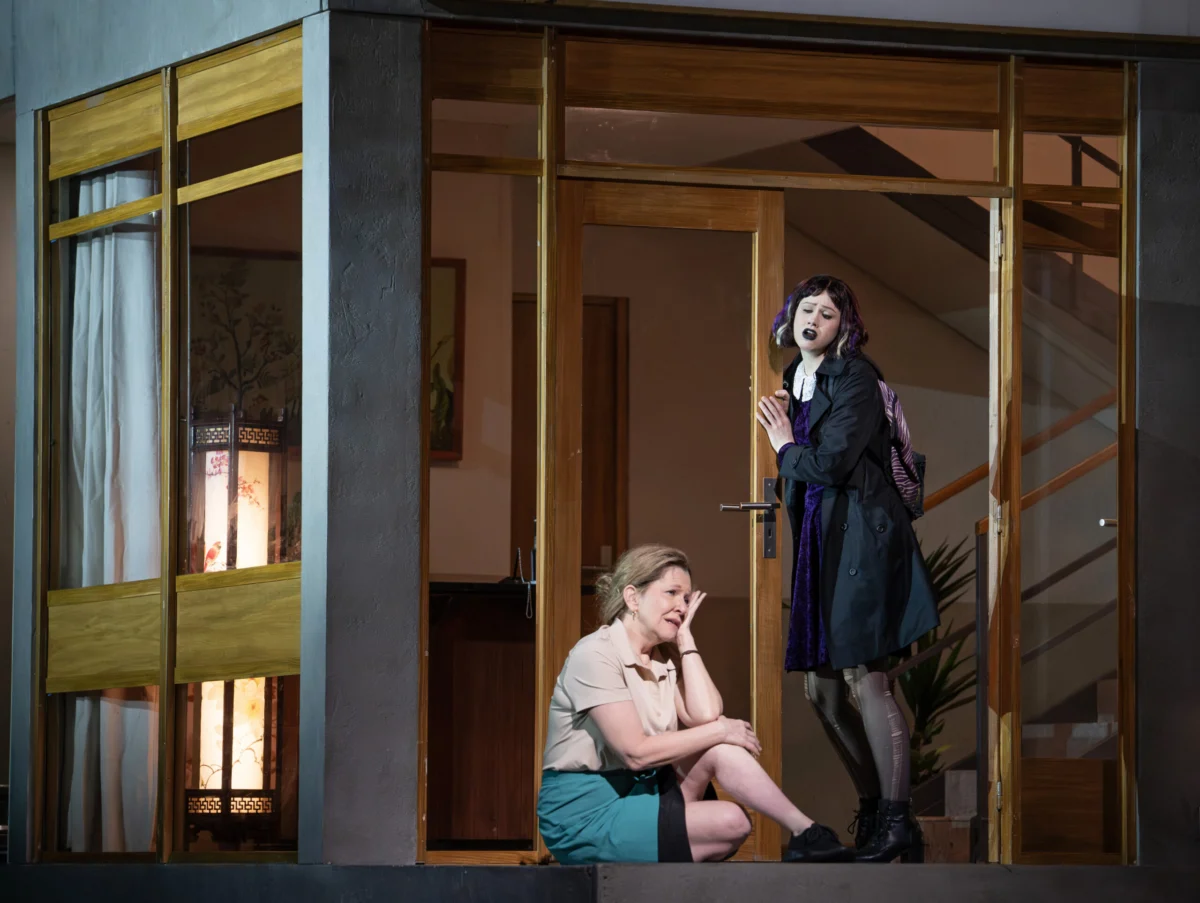
The Metropolitan Opera is poised to unveil a significant artistic milestone with the company premiere of "Innocence," the final opera composed by the acclaimed Finnish composer Kaija Saariaho. This poignant work, a profound exploration of memory, trauma, and the enduring human connection, marks a pivotal moment for the company and for contemporary opera. The production, slated to run through April 29, promises to be a deeply moving and intellectually stimulating experience for audiences, further solidifying the Met’s commitment to showcasing groundbreaking and significant operatic achievements.
A Requiem of Memory and Connection
"Innocence" delves into the lingering shadows of a tragic past event, set against the backdrop of a seemingly joyous occasion – a wedding in Helsinki. The opera’s narrative arc unfolds over a decade after a devastating shooting at an international school, revealing how the celebrants, gathered for a wedding, find themselves unable to escape the profound and inescapable connection to the traumatic incident that irrevocably shaped their lives. The libretto, a collaborative effort by Sofi Oksanen and Aleksi Barriére, weaves a complex tapestry of intergenerational pain, guilt, and the arduous journey toward understanding and, perhaps, absolution.
The operatic structure of "Innocence" is designed to immerse the audience in the psychological landscape of its characters. Saariaho, known for her innovative and atmospheric compositional style, crafts a sound world that mirrors the emotional weight of the subject matter. Her signature use of spectral music principles, intricate textures, and a keen sense of dramatic pacing is expected to create an environment where the past is not merely recalled but viscerally felt. This approach allows for a nuanced portrayal of how collective and individual traumas continue to resonate through time, impacting relationships and shaping destinies.
A Stellar Artistic Team
The Metropolitan Opera production of "Innocence" is helmed by a formidable creative team. The direction is entrusted to Simon Stone, an artist renowned for his incisive and psychologically charged theatrical interpretations. His vision is expected to translate Saariaho’s complex musical and dramatic intentions into a compelling stage spectacle that is both intimate and expansive.
Presiding over the musical direction is Susanna Mälkki, a conductor with an intimate understanding of Saariaho’s oeuvre and a distinguished career leading major orchestras and opera houses worldwide. Mälkki’s interpretation is anticipated to be a definitive statement on the opera, drawing out the full spectrum of its emotional and sonic richness. Her collaborations with Saariaho have been consistently lauded, making her the ideal choice to lead this significant premiere.
The principal cast is a constellation of celebrated artists, each bringing their unique talents to embody the complex characters grappling with the opera’s central themes.
-
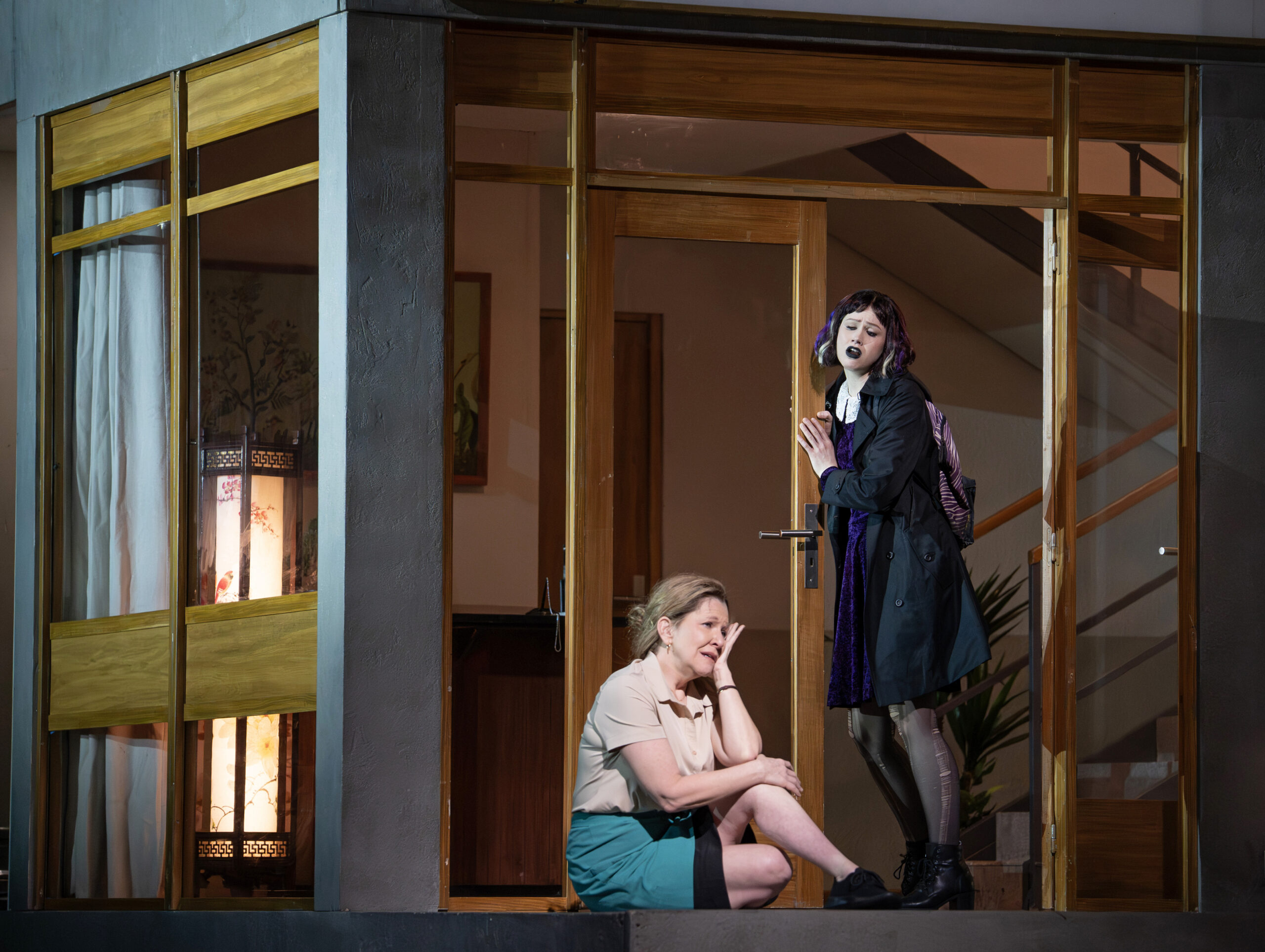
Joyce DiDonato takes on the pivotal role of the Waitress, a character likely to serve as a nexus of memory and unresolved grief. DiDonato, a Grammy Award-winning mezzo-soprano, is celebrated for her profound dramatic interpretations and her ability to inhabit characters with extraordinary depth and vulnerability. Her presence in this role suggests a performance of immense emotional power.
-
Finnish ethno-pop singer Vilma Jää makes her operatic debut as the Waitress’s daughter, Markéta. Jää’s background in folk-infused music is expected to bring a unique vocal color and authentic resonance to the role, potentially highlighting the generational aspect of inherited trauma and the search for identity.
-
Lucy Shelton embodies the Teacher, a character whose experiences at the school likely place her at the heart of the opera’s historical trauma. Shelton is a revered soprano known for her command of contemporary repertoire and her ability to convey profound emotional states through her artistry.
-
Jacquelyn Stucker portrays the Bride, whose wedding day becomes a focal point for confronting the past. Stucker, a rapidly rising soprano, has garnered attention for her compelling stage presence and vocal agility, making her well-suited to navigate the dramatic arc of this key character.
-
Tenor Miles Mykkanen steps into the role of the Bridegroom, whose future is intrinsically linked to the unresolved events of the past. Mykkanen’s lyrical voice and dramatic acumen are expected to contribute significantly to the emotional core of the opera.
The ensemble cast further enriches the production with established artists including Kathleen Kim, Rod Gilfry, Stephen Milling, Beate Mordal, Julie Hega, Camilo Delgado Díaz, Marina Dumont Anastassiadou, and actor Simon Kluth. This diverse group of performers will collectively bring to life the intricate web of relationships and hidden histories that drive the narrative of "Innocence."
Historical Context and Saariaho’s Legacy
Kaija Saariaho (1952-2023) was a towering figure in 20th and 21st-century classical music, renowned for her distinctive sonic language that blended electronic and orchestral elements with a profound understanding of vocal expression. Her compositions often explored themes of nature, spirituality, and the human condition with an unparalleled sense of atmosphere and psychological depth. "Innocence," completed shortly before her passing, represents the culmination of a lifetime dedicated to pushing the boundaries of operatic form and expression.
Her earlier works, such as "L’amour de loin" (2000), which also premiered at the Met, and "Adriana Mater" (2006), have established her as a composer capable of creating vast sonic landscapes that are both intellectually rigorous and deeply emotional. "Innocence," her final operatic testament, carries the weight of her extraordinary legacy and offers a final opportunity to experience her unique artistic voice. The opera’s themes of confronting past traumas and the enduring power of human connection resonate with a particular urgency in today’s world, making Saariaho’s last opera a timely and profoundly relevant work.
The genesis of "Innocence" can be traced back to discussions and collaborations that explored the complexities of societal memory and the ways in which past tragedies continue to shape present realities. The libretto, by Sofi Oksanen and Aleksi Barriére, draws upon contemporary anxieties and the universal experience of grappling with unresolved histories, providing fertile ground for Saariaho’s musical imagination. The choice to set the opera during a wedding, a symbol of hope and future, creates a powerful dramatic contrast with the lingering specter of past violence.
Supporting Data and Performance Details
The Metropolitan Opera’s commitment to broadcasting its performances ensures that "Innocence" will reach a wider audience. The opera will be broadcast on Metropolitan Opera Radio on April 6 and April 18, allowing listeners to experience Saariaho’s final masterpiece through audio. This initiative by the Met continues its long-standing tradition of making opera accessible beyond the physical confines of the opera house, fostering a global appreciation for the art form.
The opera’s run at the Metropolitan Opera will extend through April 29, offering multiple opportunities for New York audiences to witness this significant premiere. The duration of the run suggests strong anticipation and confidence from the Met management regarding the opera’s impact and audience reception.
Broader Impact and Implications
The company premiere of "Innocence" at the Metropolitan Opera carries significant implications for the contemporary opera landscape. Firstly, it celebrates the final artistic statement of one of the most influential composers of our time, ensuring that Saariaho’s voice continues to resonate. Her passing leaves a void in the contemporary music world, making this premiere a poignant tribute to her unparalleled contributions.
Secondly, the opera’s thematic depth – exploring trauma, memory, and interconnectedness – offers a platform for dialogue on critical social and psychological issues. In an era where the impact of past events continues to shape global discourse, "Innocence" provides a powerful artistic lens through which to examine these complexities. The opera’s exploration of how individuals and communities navigate inherited pain and strive for reconciliation is a universal theme that transcends cultural boundaries.
Furthermore, the production highlights the Metropolitan Opera’s role as a vital institution for commissioning and presenting new and significant operatic works. By staging "Innocence," the Met reinforces its commitment to contemporary repertoire and its dedication to showcasing the evolution of the operatic form. This premiere is not just a performance; it is an artistic event that contributes to the ongoing narrative of opera as a dynamic and relevant art form, capable of engaging with the most profound aspects of the human experience. The opera’s challenging subject matter and Saariaho’s sophisticated musical language are likely to spark considerable discussion and critical analysis, further cementing its importance in the operatic canon.
The Metropolitan Opera’s investment in this production also signifies a broader trend within major opera houses to embrace challenging and thought-provoking works. While traditional repertoire remains a cornerstone, the programming of operas like "Innocence" demonstrates an understanding that contemporary audiences are eager to engage with new narratives and innovative musical approaches that reflect the complexities of the modern world. The success of this premiere could pave the way for further exploration of similar themes and musical styles within the operatic community.
The opera’s libretto, with its focus on the lasting impact of a school shooting, also brings a contemporary resonance to the stage, touching upon societal anxieties and the collective trauma that can result from such devastating events. The narrative’s exploration of how these events ripple through families and communities, even years later, offers a powerful commentary on the nature of healing and the long road to emotional recovery. The characters’ struggle to confront their past, even in the midst of a celebratory occasion, underscores the inescapable nature of memory and its profound influence on human relationships.
The Metropolitan Opera’s presentation of "Innocence" is therefore more than just a theatrical event; it is a significant cultural moment that honors a visionary composer, engages with urgent contemporary themes, and reinforces the enduring power of opera to illuminate the human condition. The combination of Saariaho’s masterful score, a distinguished creative team, and a stellar cast promises a production that will be remembered for its artistic excellence and its profound thematic resonance.