Aveline Kirana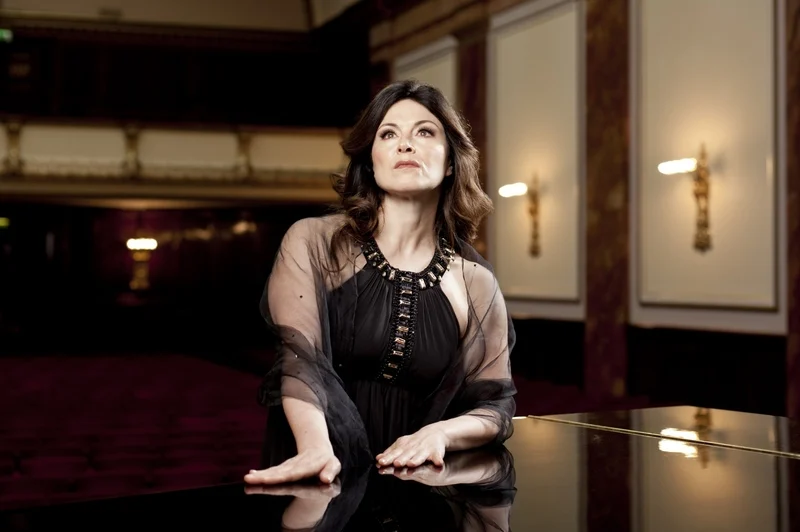
The Opéra Royal de Wallonie-Liège has announced a significant cast change for its upcoming production of Francis Poulenc’s poignant one-act opera, "La Voix Humaine." Soprano Kristine Opolais, initially slated to portray the solitary role of Elle, has withdrawn from the production due to unforeseen health reasons. The company expressed its well wishes for Opolais’s recovery and anticipation for her return to the stage. Taking over this demanding and emotionally charged role will be the esteemed Italian soprano Anna Caterina Antonacci. The Opéra Royal de Wallonie-Liège has extended its sincere gratitude to Antonacci for her gracious and timely acceptance of the engagement.
A Coveted Role for a Renowned Soprano
Anna Caterina Antonacci is no stranger to the complexities of Poulenc’s "La Voix Humaine." Her interpretations of Elle have been lauded on international stages, solidifying her reputation as a formidable artist capable of conveying profound psychological depth. Her previous performances of the opera include acclaimed runs at the Teatro dell’Opera di Roma, the prestigious Verbier Festival, the Teatro Comunale di Bologna, and the Teatro Petruzzelli in Bari. These engagements underscore Antonacci’s deep understanding and masterful execution of the role, which requires an exceptional level of vocal control and dramatic intensity. Her stepping into the production at the Opéra Royal de Wallonie-Liège is seen as a significant artistic coup, ensuring that audiences will experience a performance of the highest caliber.
A Double Bill of Modern Operatic Voices
Poulenc’s "La Voix Humaine," a masterpiece of 20th-century operatic literature, will be presented in a compelling double bill alongside the opera "Bartleby" by contemporary composer Benoît Mernier. This pairing offers a fascinating juxtaposition of operatic styles and thematic explorations. "La Voix Humaine," based on Jean Cocteau’s play of the same name, delves into the despair and isolation of a woman on the verge of collapse as she engages in a final, agonizing telephone conversation with her former lover. Mernier’s "Bartleby," drawing inspiration from Herman Melville’s iconic short story, explores themes of alienation, existentialism, and passive resistance through the enigmatic character of the scrivener.
The production at the Opéra Royal de Wallonie-Liège will feature a distinguished cast for "Bartleby," including Patrizia Ciofi, Edward Nelson, Damien Pass, Santiago Búrgi, Bruno Resende, and Gustave Harmegnies. The artistic vision for this new production is helmed by director Vincent Boussard, with musical direction provided by the accomplished conductor Karen Kamensek. This collaboration promises a fresh and insightful presentation of both works.
Timeline and Production Details
The new production is scheduled to premiere on May 13, 2026, and will run through May 21, 2026. This limited engagement offers a concentrated period for audiences to experience this thought-provoking operatic double bill. The decision to present these two works together highlights a growing trend in opera programming to pair established repertoire with newer compositions, fostering a richer and more diverse operatic landscape.
Background Context of "La Voix Humaine"
Francis Poulenc composed "La Voix Humaine" in 1958, a period marked by significant societal and artistic shifts. The opera’s stark, minimalist setting – a single woman in her bedroom with a telephone – and its intensely psychological focus were revolutionary for their time. Cocteau’s original play, a monologue delivered by the actress Berthe Bovy in 1930, was a sensation, and its adaptation into an opera allowed Poulenc to explore the raw emotional landscape of a fractured psyche through his distinctive musical language. Poulenc’s score, characterized by its lyrical beauty, harmonic sophistication, and underlying tension, perfectly mirrors the opera’s dramatic arc. The opera has become a staple for sopranos seeking to showcase their dramatic and vocal prowess, demanding an unflinching portrayal of vulnerability and despair.
The role of Elle is notoriously demanding, requiring the soprano to sustain the emotional weight of the entire opera without any other characters on stage. The telephone, as the sole interlocutor, becomes a silent character, its presence felt through the soprano’s reactions and the silences in her conversation. This intense focus on a single performer amplifies the opera’s themes of loneliness, abandonment, and the desperate search for connection in a modern, increasingly disconnected world.
The Significance of Anna Caterina Antonacci’s Involvement
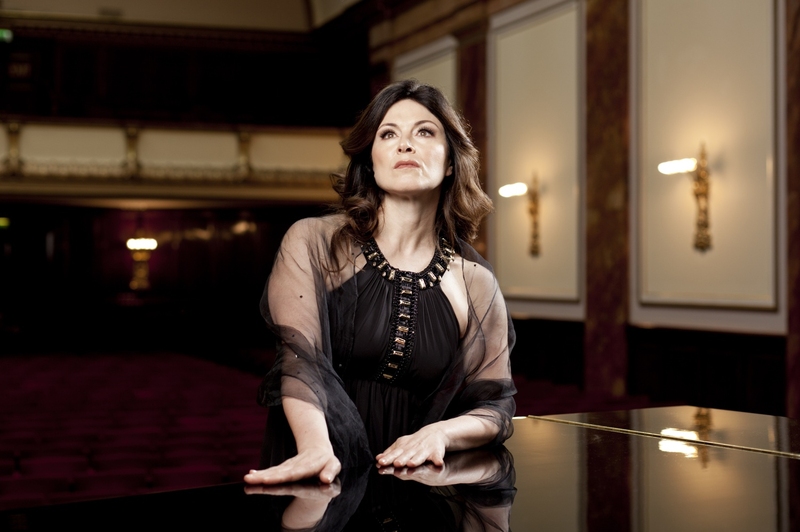
Anna Caterina Antonacci’s reputation precedes her. A celebrated interpreter of both Baroque and verismo repertoire, she possesses a rare ability to inhabit her characters with profound authenticity and vocal brilliance. Her performances are often characterized by their dramatic intensity and intellectual rigor. Her previous engagements in "La Voix Humaine" have been met with critical acclaim, with reviewers consistently praising her nuanced portrayal of Elle’s descent into despair. For instance, reviews from her performance at the Teatro Comunale di Bologna in 2017 highlighted her "extraordinary vocal and dramatic power," noting her ability to convey a spectrum of emotions from fragile hope to utter devastation. Her presence in the Opéra Royal de Wallonie-Liège production is therefore a significant draw, promising an unforgettable operatic experience.
The Rise of Benoît Mernier and "Bartleby"
Benoît Mernier is a contemporary composer whose work has gained increasing recognition for its intellectual depth and innovative approach to operatic form. "Bartleby," based on Herman Melville’s 1853 short story, explores the character of a scrivener who, when asked to perform a task, consistently replies, "I would prefer not to." This enigmatic refusal has been interpreted in numerous ways, often seen as a powerful statement against the dehumanizing forces of modern society and bureaucracy. Mernier’s musical setting of this narrative is expected to offer a compelling exploration of the text’s themes, likely employing contemporary musical techniques to capture the story’s unsettling atmosphere and philosophical undertones. The opera’s inclusion in a double bill with "La Voix Humaine" creates an intriguing thematic dialogue about isolation, communication breakdown, and the individual’s struggle against overwhelming societal pressures.
Supporting Data and Broader Impact
The scheduling of "La Voix Humaine" alongside a contemporary work like "Bartleby" reflects a broader trend within the opera industry. Companies are increasingly seeking to balance their programming with familiar masterpieces and new or less-frequently performed works. This approach aims to attract a wider audience, including those new to opera, while also providing established patrons with fresh artistic experiences.
"La Voix Humaine" has been performed by a multitude of legendary sopranos throughout its history, including Maria Callas, Montserrat Caballé, and Renée Fleming. Each interpretation offers a unique perspective on the character, contributing to the opera’s enduring appeal and its status as a benchmark for operatic performance.
The Opéra Royal de Wallonie-Liège’s decision to stage this particular double bill is likely influenced by several factors:
- Artistic Merit: Both operas, in their own right, offer significant artistic value and explore profound human experiences.
- Audience Engagement: The pairing of a well-known, dramatic opera with a contemporary work can attract diverse audiences.
- Thematic Resonance: The shared themes of isolation, communication, and the individual’s place in society provide a compelling narrative thread for the evening.
- International Talent: The engagement of renowned artists like Anna Caterina Antonacci and the participation of a notable conductor and director underscore the company’s commitment to artistic excellence.
The success of such productions often hinges on the synergy between the artistic teams and the ability of the singers to convey the complex emotional and psychological nuances of their roles. The choice of Vincent Boussard as director and Karen Kamensek as conductor suggests a deliberate effort to create a cohesive and impactful artistic statement for both operas. Boussard is known for his visually striking and psychologically astute productions, while Kamensek has a strong reputation for her command of contemporary and demanding operatic scores.
Analysis of Implications
Kristine Opolais’s withdrawal, while unfortunate, highlights the inherent challenges in operatic production, where unforeseen circumstances can necessitate swift adjustments. The immediate and successful engagement of Anna Caterina Antonacci demonstrates the robust network of talent within the international opera community and the willingness of artists to support their colleagues and institutions. This cast change, while altering the initial casting, is unlikely to diminish the artistic quality of the production, given Antonacci’s formidable reputation.
The programming of "La Voix Humaine" and "Bartleby" together is a strategic move by the Opéra Royal de Wallonie-Liège. It allows the company to showcase a classic of 20th-century opera while simultaneously championing a contemporary composer. This approach fosters artistic growth and helps to keep the operatic art form relevant and dynamic. The success of this double bill could influence future programming decisions, encouraging other opera houses to explore similar pairings of established and new works. The audience’s reception will be a key indicator of the viability and appeal of such programming strategies. The opera world continually seeks to balance tradition with innovation, and this production appears to be a well-considered step in that direction.
The Opéra Royal de Wallonie-Liège’s commitment to presenting both "La Voix Humaine" and "Bartleby" underscores its role as a significant cultural institution dedicated to the advancement and appreciation of operatic art. The revised casting, with the celebrated Anna Caterina Antonacci stepping into the demanding role of Elle, ensures that audiences will witness a performance of exceptional artistry and emotional depth. The production, set to open in May 2026, promises to be a significant event in the operatic calendar, offering a rich and varied experience for all who attend.