 Jia Lissa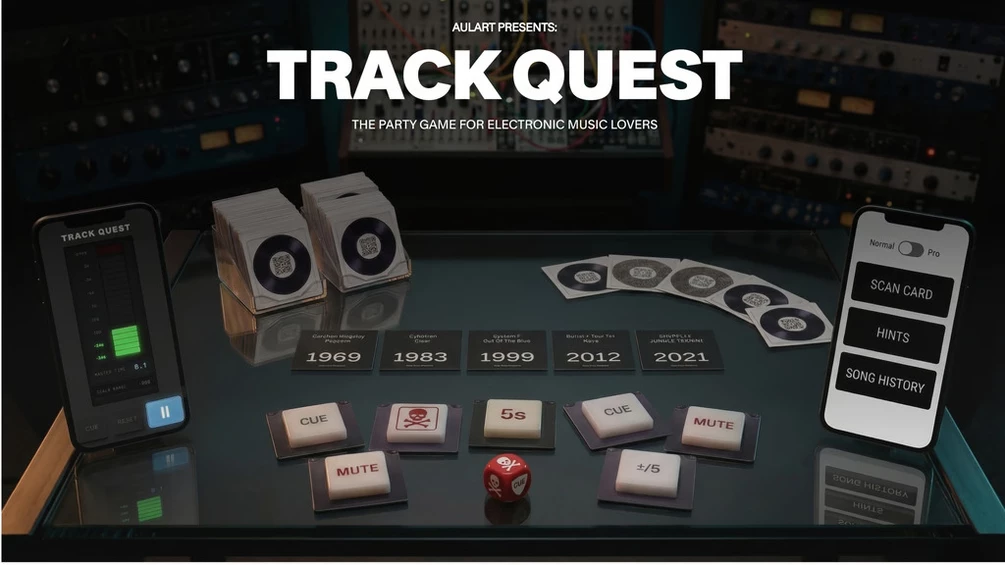
A new electronic music board game, "Track Quest," developed by the Barcelona-based music education organization Aulart, has officially launched its Kickstarter campaign to secure funding for its production. The initiative aims to offer an immersive and educational experience, guiding players through nearly six decades of electronic music history, encompassing a vast array of genres from foundational sounds like disco and Krautrock to contemporary movements such as house, techno, hyperpop, and Afro-house. This crowdfunding effort represents Aulart’s innovative approach to making music education both accessible and highly engaging for enthusiasts worldwide.
Diving into the Gameplay: An Interactive Journey Through Sound
At its core, "Track Quest" is designed as an interactive chronological puzzle, challenging players to demonstrate their knowledge of electronic music’s rich timeline. The primary objective involves players strategically placing various tracks on a shared chronological timeline. Each track is presented through unique audio clips, allowing players to identify the sound, and accompanying hint cards that provide contextual clues about the artist, era, or genre. This blend of auditory and textual information requires players to not only recognize sounds but also understand their historical placement within the broader narrative of electronic music.
The game introduces a competitive and dynamic layer through opponent interactions. Players are equipped with mechanisms to disrupt their rivals’ progress, such as muting crucial hint cards to obscure information, stealing valuable cards that could lead to correct placements, and triggering "panic timers." These timers introduce a real-time pressure element, forcing opponents to make quick decisions under duress, thereby adding a layer of strategy and excitement beyond mere factual recall. An illustrative example cited involves a track by Daft Punk, described succinctly as "the French duo who always performed wearing high-tech helmets rather than showing their faces," encapsulating the game’s blend of iconic artist recognition and distinctive biographical details.
Beyond the core gameplay, "Track Quest" significantly enhances replayability and customization through its inclusion of 200 "expansion cards." These cards empower players to tailor their gaming experience, allowing them to focus on specific sub-genres that resonate most with their personal preferences or to construct a "mix-like playlist" from their favorite electronic music styles. The breadth of sub-genres covered by these expansion cards is extensive, reflecting the genre’s vast and intricate tapestry. It includes popular categories such as house, techno, drum & bass, dubstep, and trance, alongside more specialized niches like hyperpop, Afro-house, tech-house, IDM (Intelligent Dance Music), trip-hop, and EBM (Electronic Body Music). This modular design ensures that the game can evolve with player interests and offers countless permutations for a fresh experience with each play.
Aulart: Bridging Education and Entertainment in Electronic Music
The creation of "Track Quest" is a direct extension of Aulart’s foundational mission. As a Barcelona-based music education organization, Aulart has dedicated itself to providing high-quality learning resources and experiences for aspiring and established music producers, DJs, and enthusiasts. Their platform typically offers masterclasses, courses, and tutorials led by renowned artists, focusing on production techniques, DJing skills, and the business aspects of the music industry. The development of "Track Quest" marks a strategic diversification of their educational offerings, translating complex historical and stylistic knowledge into an accessible and entertaining format.
Aulart’s philosophy centers on the belief that effective learning can and should be engaging. In a rapidly evolving digital landscape where passive consumption often dominates, "Track Quest" offers an active, hands-on, and social learning experience. By gamifying the history of electronic music, Aulart aims to democratize access to this knowledge, making it appealing not only to seasoned aficionados but also to newcomers who might find traditional historical texts daunting. The game aligns perfectly with their vision of fostering a deeper understanding and appreciation for electronic music culture, not just as a collection of sounds, but as a vibrant, interconnected historical narrative. The inferred statement from an Aulart spokesperson would likely emphasize this dual objective: "We created Track Quest to offer an engaging and interactive way for fans to explore the rich tapestry of electronic music history. Our goal is to bridge the gap between education and entertainment, making learning about music fun and accessible for everyone."
A Chronological Odyssey: Six Decades of Electronic Sound
The ambitious scope of "Track Quest," covering almost six decades of electronic music history, necessitates a robust and detailed understanding of the genre’s evolution. The game starts with the foundational elements that predate or coincided with the earliest forms of electronic dance music, incorporating sounds like disco and Krautrock. Disco, emerging in the early 1970s, laid crucial groundwork with its emphasis on rhythmic grooves, synthesizers, and continuous danceability, influencing countless subsequent genres. Krautrock, a German experimental rock movement from the late 1960s and 1970s, contributed heavily to electronic music’s sonic palette with its pioneering use of synthesizers, sequencers, and repetitive, motorik rhythms, notably by bands like Kraftwerk, who are often hailed as the godfathers of electronic music.
From these roots, the game progresses through the explosive birth and global dissemination of house and techno in the 1980s. House music, originating in Chicago, characterized by its soulful vocals, four-on-the-floor beats, and disco influences, quickly became a global phenomenon. Simultaneously, techno emerged from Detroit, adopting a more futuristic, industrial sound with its repetitive, often darker synthesized rhythms. These two genres formed the bedrock of modern electronic dance music, spawning countless sub-genres and influencing popular music worldwide.
The game then delves into the diverse branches that blossomed from this foundation. Drum & Bass, evolving from the UK rave scene in the early 1990s, is characterized by its fast breakbeats, heavy basslines, and often complex rhythmic structures. Dubstep, another UK innovation from the early 2000s, brought a darker, more minimalist sound, often built around syncopated rhythms and wobble basslines, drawing influences from UK garage and reggae. Trance, with its origins in the European rave scene of the late 1980s and early 1990s, is known for its melodic, often uplifting synth arpeggios, progressive builds, and anthemic qualities.
Further enriching the historical tapestry, "Track Quest" includes contemporary and more niche genres. Hyperpop, a relatively recent internet-driven phenomenon, blends elements of electronic music, hip-hop, and pop with often maximalist production and auto-tuned vocals. Afro-house infuses traditional African rhythms and melodies with house music structures, creating a vibrant, percussive sound. Tech-house bridges the gap between the raw energy of techno and the groovy rhythms of house. IDM, or Intelligent Dance Music, refers to experimental and often ambient electronic music, prioritizing intricate sound design and complex arrangements over danceability. Trip-hop, emerging in the 1990s, combines hip-hop beats with downtempo electronic textures, often featuring atmospheric soundscapes and soulful vocals. EBM, Electronic Body Music, originating in the late 1970s/early 1980s, is characterized by its aggressive electronic beats, synthesized melodies, and often industrial aesthetic. By incorporating such a wide spectrum, the game serves as a dynamic educational tool, allowing players to trace the lineage and interconnections of these diverse musical forms.
The Kickstarter Phenomenon: Crowdfunding a Niche Vision
Aulart’s decision to launch "Track Quest" via Kickstarter is a strategic move that leverages the platform’s established role in funding creative projects, particularly within the board game industry. Kickstarter, founded in 2009, has become a global crowdfunding powerhouse, enabling creators to solicit financial backing directly from the public for everything from films and technology to art and games. For niche products like "Track Quest," which cater to a passionate but specific demographic, crowdfunding offers several key advantages over traditional publishing routes.
Firstly, it provides a direct line to the target audience. The electronic music community, known for its strong online presence and fervent dedication, is perfectly suited for a crowdfunding model. Backers are not just customers; they become early adopters and evangelists, investing in the project’s success. This community engagement is invaluable for spreading awareness and generating organic buzz.
Secondly, Kickstarter allows creators to gauge market demand before committing to full-scale production. By setting a funding goal, Aulart can ascertain if there is sufficient interest to make the project viable. This mitigates financial risk and ensures that resources are allocated effectively. Successful campaigns often exceed their initial goals, enabling "stretch goals" that unlock additional content or features for the game, further incentivizing backer participation. Typical backer tiers offer different levels of rewards, from digital downloads and early bird discounts to deluxe editions and exclusive in-game content, creating a tiered incentive structure.
The board game category, in particular, has seen immense success on Kickstarter. According to various industry reports, tabletop games consistently rank among the most funded categories on the platform, with thousands of projects successfully reaching their goals each year. This robust ecosystem provides a proven pathway for innovative game concepts to come to fruition, often bypassing the gatekeepers of traditional publishing. The "Business Techno" board game, which was released in 2022 and also found success within a specific electronic music niche, serves as a testament to the viability of such projects on crowdfunding platforms. An industry analyst might comment, "The success of projects like Track Quest highlights a growing demand for unique, niche-specific board games, especially those that tap into passionate communities like electronic music. Kickstarter provides the perfect launchpad for such culturally significant endeavors."
The Resurgence of Board Games and Music-Themed Innovations
The launch of "Track Quest" comes amidst a significant global resurgence in the popularity of board games and tabletop gaming. Driven by a desire for tangible, social, and screen-free entertainment, the board game market has experienced consistent growth over the past decade. This renaissance is characterized by an explosion of diverse game genres, innovative mechanics, and high-quality components, moving far beyond traditional family games.
A notable trend within this resurgence is the rise of niche-specific board games that cater to particular interests and communities. From highly complex strategy games simulating historical events to thematic games based on popular culture franchises, there is a growing demand for experiences that resonate deeply with players’ passions. Music-themed board games, while not as ubiquitous as fantasy or sci-fi genres, represent a growing segment. Beyond the aforementioned "Business Techno" game, various trivia-based music games, rhythm-based challenges, and even abstract games inspired by musical concepts have emerged. "Track Quest" distinguishes itself by combining historical education with interactive gameplay, specifically targeting the rich and expansive world of electronic music.
The appeal of interactive learning about music, particularly its history and evolution, is a significant draw. Traditional methods of music education can sometimes feel dry or inaccessible to those without formal training. A board game offers a playful yet profound way to absorb complex information, fostering discussion and discovery among players. It encourages active engagement with the material, turning what might otherwise be a passive learning experience into a competitive and collaborative adventure. This makes "Track Quest" not just a game, but a unique cultural artifact designed to celebrate and disseminate knowledge about electronic music.
Anticipated Impact and Broader Implications
The potential impact of "Track Quest" extends beyond the immediate success of its Kickstarter campaign, touching upon educational paradigms, community engagement, and market innovation.
Educational Impact: For newcomers to electronic music, the game could serve as an invaluable introductory tool, providing a structured yet entertaining way to grasp the genre’s vast history, key artists, and stylistic developments. For seasoned enthusiasts, it offers an opportunity to test their deep knowledge, discover obscure connections, and perhaps even learn about sub-genres they hadn’t fully explored. The blend of audio clips, hint cards, and chronological placement reinforces learning through multiple sensory and cognitive channels, making the retention of information more effective and enjoyable. It transforms a potentially overwhelming subject into a manageable and exciting challenge.
Community Building: "Track Quest" is poised to foster significant discussion and shared experiences within the global electronic music community. Game nights centered around "Track Quest" could become forums for passionate debates about genre definitions, artist legacies, and the evolution of sounds. It provides a tangible, social platform for fans to connect, share their love for the music, and introduce each other to new artists and tracks discovered through gameplay. This shared activity can strengthen community bonds and generate a renewed appreciation for the collective history of electronic music. A potential player might reflect, "It’s more than just a game; it’s a journey through sound that I can share with friends, sparking conversations about our favorite tracks and genres, and maybe even introducing me to something new."
Market Innovation: Aulart’s venture into board game development with "Track Quest" represents an innovative approach to content delivery in the educational and entertainment sectors. It demonstrates a forward-thinking strategy for music education organizations to diversify their offerings and reach wider audiences through non-traditional mediums. This could inspire other educational platforms or cultural institutions to explore gamified learning experiences, pushing the boundaries of how knowledge is disseminated and consumed. It highlights the growing potential for cross-sector collaboration between music education and the burgeoning board game industry.
Aulart’s Future: The success of "Track Quest" could significantly shape Aulart’s future trajectory. A well-funded and well-received game could validate their experimental approach to education, potentially paving the way for further gamified learning tools or interactive products. It would solidify Aulart’s reputation not just as a provider of online courses but as an innovator in cultural engagement and music appreciation. A spokesperson for Aulart would likely articulate their broader vision: "We believe Track Quest will be an invaluable resource for anyone passionate about electronic music, offering a playful yet profound dive into its history and evolution. This project embodies our commitment to making music education dynamic and accessible, and we are excited about its potential to connect enthusiasts globally."
The Kickstarter campaign for "Track Quest" is more than just a fundraising drive; it is a testament to the enduring appeal of electronic music and the innovative spirit of organizations like Aulart. By merging the tactile pleasure of board games with the rich, complex history of electronic sound, "Track Quest" offers a unique and compelling experience for fans and educators alike, promising to enrich the way we learn about and celebrate this influential genre. Further details and opportunities to support the campaign can be found on the official Kickstarter page.