 Aveline Kirana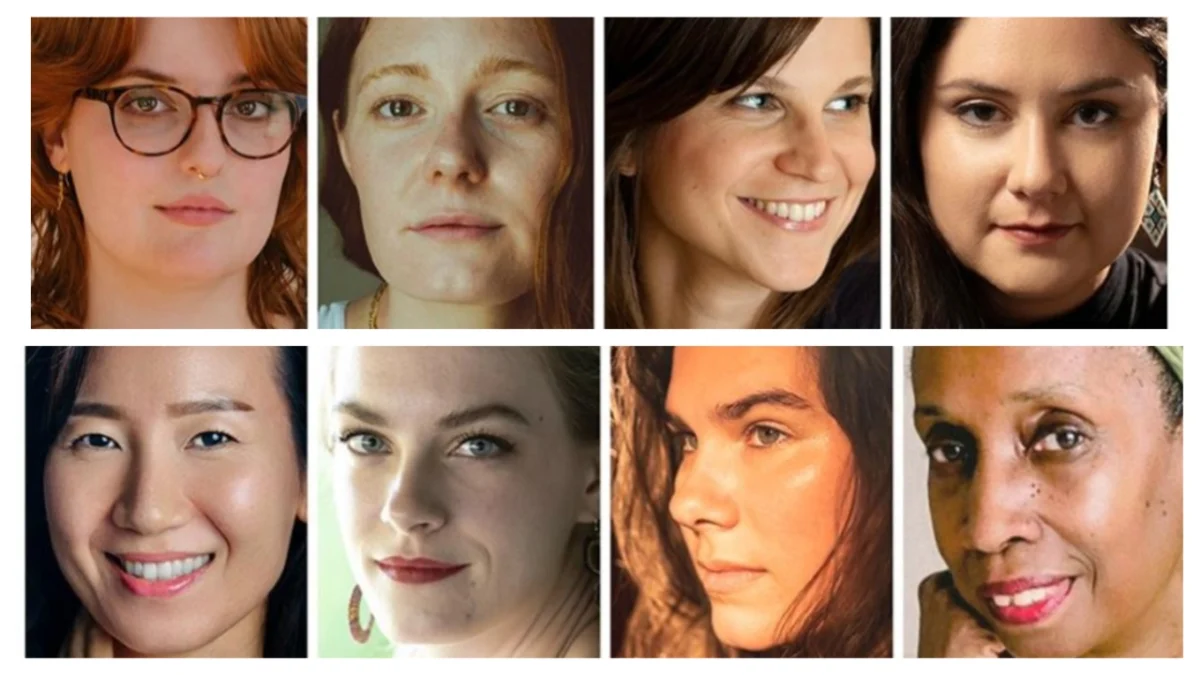
OPERA America has announced the distinguished recipients of its 2026 Discovery Grants, a pivotal initiative under the Opera Grants for Women Composers program. This year’s grants, totaling $100,000, are earmarked to propel the development of groundbreaking new opera and music-theater works, reinforcing OPERA America’s commitment to fostering diverse voices and innovative artistic expression within the operatic landscape. Beyond the crucial financial support, recipients will benefit from comprehensive professional development opportunities, including travel stipends and complimentary registration for OPERA America’s 2026 and 2027 Opera Conferences. These esteemed gatherings serve as vital platforms for grantees to cultivate essential relationships with potential creative collaborators, producers, and industry leaders, thereby accelerating the trajectory of their nascent projects. Furthermore, the program offers invaluable mentorship and access to specialized professional development programs, focusing on the intricate business and logistical aspects inherent in bringing new operatic works to fruition.
A Commitment to Amplifying Women’s Voices in Opera
The Opera Grants for Women Composers program, a cornerstone of OPERA America’s strategic vision, has been instrumental in addressing historical underrepresentation and creating a more equitable ecosystem for female artists in opera. Established to actively identify and nurture talent, the program provides essential resources at critical junctures of the creative process, from initial conception and libretto development to early compositional stages and workshop iterations. The Discovery Grants, specifically, target projects in their nascent phases, offering the crucial early-stage support that can often be the most challenging to secure. This funding not only provides financial relief but also signals a vote of confidence from a leading national arts organization, attracting further attention and potential investment.
The impact of such initiatives can be measured not only in the number of new works commissioned or premiered but also in the sustained careers of the composers and librettists supported. By providing a structured pathway for development, OPERA America is actively working to dismantle barriers that have historically hindered women composers from achieving parity in the operatic canon. The emphasis on mentorship and networking further empowers these artists, equipping them with the tools and connections necessary to navigate the complex landscape of opera production and advocacy.
The 2026 Cohort: A Diverse Array of Emerging Operatic Narratives
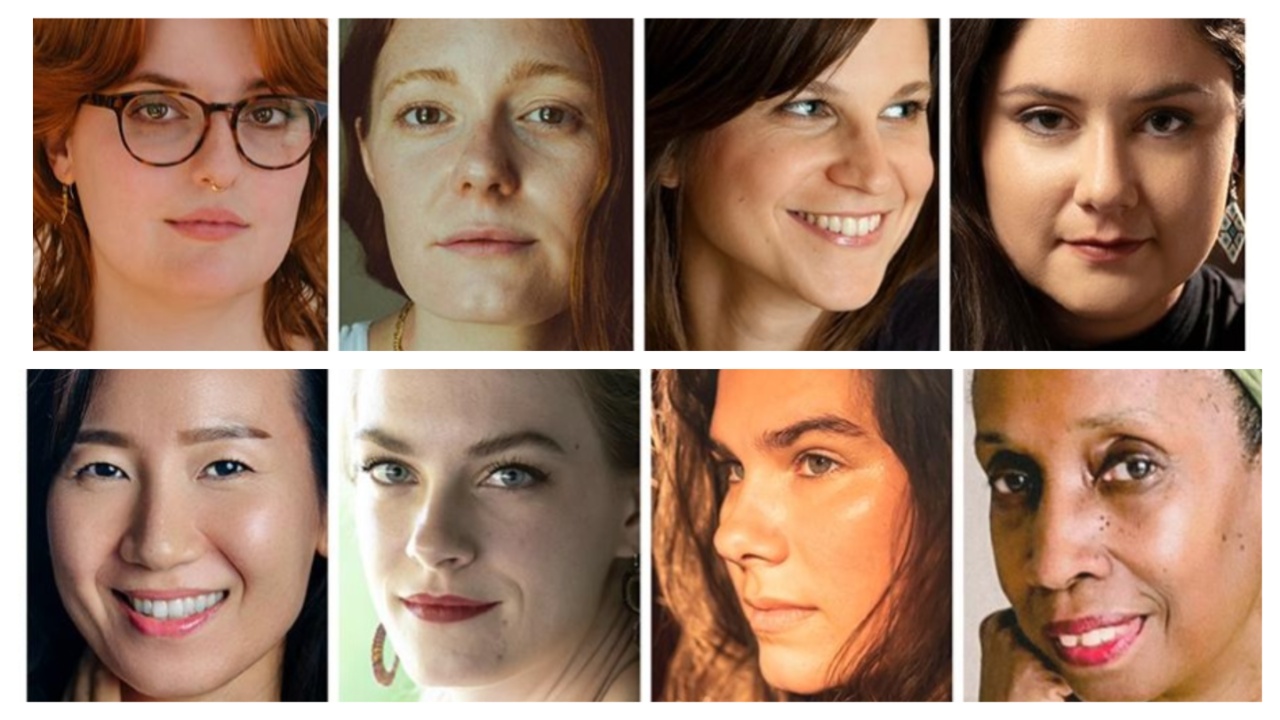
This year’s selection highlights a remarkable breadth of artistic vision and thematic exploration. The eight distinguished recipients of the 2026 Opera Grants for Women Composers are:
-
Lila Blue: A composer and librettist, recognized for her work “SEE/UNSEE.” Blue’s dual role as composer and librettist suggests a deeply integrated approach to storytelling, where the musical and textual elements are intrinsically interwoven. This often leads to operatic works that are cohesive and powerfully expressive, with the music directly amplifying the nuances of the narrative and vice versa. Her project, “SEE/UNSEE,” hints at themes of perception, hidden realities, or transformative experiences, common motifs in opera that lend themselves to rich musical interpretation.
-
Catherine Brookman (with collaborators Jen Pitt and Emily Duncan): Receiving support for “Easy Baby.” Brookman’s collaboration with Pitt and Duncan signals a multi-disciplinary approach, potentially incorporating elements beyond traditional musical theater, such as dance, visual arts, or innovative staging. The title “Easy Baby” could imply themes of parenthood, innocence, or perhaps a more ironic exploration of perceived simplicity. The collaborative nature of this project underscores the growing trend in opera towards ensemble creation, where diverse perspectives enrich the final artistic output.
-
Suzanne Farrin (with librettist Sergio Chejfec): Awarded for “Macabéa.” Farrin, an accomplished composer, partners with librettist Sergio Chejfec for this project. The title “Macabéa” likely draws inspiration from Clarice Lispector’s iconic novel "The Hour of the Star," which features a tragically poignant and marginalized protagonist. Opera has a rich history of adapting literary works, and exploring such characters offers a profound opportunity for composers to delve into psychological depth and social commentary through music. Farrin’s previous works often explore complex emotional landscapes, suggesting “Macabéa” will be a compelling exploration of human vulnerability and resilience.
-
Danielle Jagelski (with librettist Rhiana Yazzie): Recognized for “Little Ones.” This collaboration between Jagelski and Yazzie suggests a focus on themes concerning childhood, vulnerability, or perhaps the societal implications of how we treat the young. Librettist Rhiana Yazzie is known for her work in diverse theatrical forms, which may imbue “Little Ones” with a unique narrative voice and structural innovation. The project’s title invites contemplation on universal experiences and the narratives that shape our understanding of innocence and responsibility.
-
Jiyoung Ko: A composer and librettist, recognized for “Three Women.” Ko’s self-sufficiency as both composer and librettist allows for a singular artistic vision, where the musical and dramatic elements are conceived in tandem. The title “Three Women” opens up a multitude of interpretive possibilities, from exploring archetypes and generational narratives to delving into intricate interpersonal dynamics. Opera has a long tradition of focusing on compelling female characters, and Ko’s project promises to add to this rich tapestry with a contemporary perspective.
-
Hailey McAvoy: A composer and librettist, awarded for “Wholly Unwinding.” McAvoy’s combined creative roles suggest a cohesive and deeply personal artistic statement. The evocative title “Wholly Unwinding” hints at themes of release, transformation, or perhaps the shedding of inhibitions. This could translate into an opera that explores psychological journeys, the dismantling of societal constraints, or the process of self-discovery, all of which are fertile ground for operatic expression.
-
Gillian Rae Perry (with librettist Mo Holmes): Recognized for “Desert Bloom.” This collaboration brings together Perry’s compositional talents with the libretto of Mo Holmes. The title “Desert Bloom” conjures images of resilience, unexpected beauty emerging from harsh environments, and perhaps themes of survival or renewal. Such imagery provides a strong foundation for evocative musical settings and a narrative that can resonate with audiences on multiple levels, exploring both the literal and metaphorical landscapes of human experience.
-
Diana Wharton Sennaar (with librettist Mai Sennaar): Awarded for “YITA (Seeing Again).” The collaboration between Diana Wharton Sennaar and librettist Mai Sennaar, and the subtitle "(Seeing Again)," suggests a narrative focused on themes of revelation, understanding, or a renewed perspective. The title "YITA" itself, potentially an acronym or a word from another language, adds an element of intrigue and cultural depth. This project has the potential to explore profound shifts in perception and the transformative power of new insights.
A Rigorous Selection Process Guided by Industry Luminaries
The selection of these eight promising projects was entrusted to a distinguished panel of industry leaders, ensuring a rigorous and discerning evaluation process. The panel comprised:
- Joseph Reese Anderson: A respected librettist, bringing invaluable insight into the craft of operatic storytelling and dramatic structure.
- Jasmine Arielle Barnes: A composer, whose perspective likely focused on musical innovation, compositional technique, and the potential for vocal and orchestral expression.
- Clint Borzoni: Another composer on the panel, contributing expertise in contemporary operatic idioms and the challenges of new work development.
- Susan Kander: A composer known for her impactful and often socially relevant works, likely assessed projects for their thematic resonance and artistic ambition.
- Sarah Ina Meyers: A director, offering a crucial understanding of theatricality, staging, and the practical realization of operatic narratives.
- Karl Ronneburg: Associate for Dramaturgy/Opera Commissioning at the Metropolitan Opera, providing a perspective informed by one of the world’s leading opera houses, with a keen eye for works that possess both artistic merit and potential for significant impact.
This diverse group of experts, with their varied backgrounds in writing, composition, directing, and institutional commissioning, represents a comprehensive approach to evaluating the artistic potential, feasibility, and significance of each grant proposal. Their collective experience ensures that the selected projects are not only creatively compelling but also possess the structural integrity and artistic vision to evolve into significant operatic works.
The Strategic Importance of Discovery Grants
The $100,000 in total funding allocated for the 2026 Discovery Grants represents a significant investment in the future of opera. Historically, opera development has been a costly and time-intensive process, often requiring substantial upfront investment before a work can be fully realized or even workshopped. Grants of this nature are critical in bridging that gap, allowing composers and librettists to dedicate focused time and resources to their creative endeavors without the immediate pressure of securing commercial backing.
The inclusion of travel support and conference registration is a strategic enhancement that extends beyond mere financial aid. OPERA America’s Opera Conferences are vital hubs for networking, professional development, and industry discourse. By facilitating attendance, the organization empowers grantees to connect with a broader network of artistic directors, general managers, conductors, and fellow artists. These connections are often the catalysts for future commissions, co-productions, and the ultimate staging of new operas.
Furthermore, the mentorship and professional development programs offered are designed to equip artists with the business acumen necessary to navigate the opera industry. This includes understanding copyright, contract negotiation, marketing, and fundraising – essential skills that are often not a primary focus in traditional conservatory training. By addressing these practical aspects, OPERA America is not only supporting artistic creation but also fostering sustainable careers for women composers in a field that has historically presented unique challenges.
Broader Implications for the Operatic Landscape
The ongoing commitment of OPERA America to supporting women composers through programs like the Discovery Grants has a ripple effect throughout the entire operatic ecosystem. By actively commissioning and developing new works by women, the organization contributes to a more representative and diverse repertoire. This, in turn, can attract new audiences who may feel more connected to stories and perspectives that reflect their own experiences.
The increased visibility of women composers and their works also serves as inspiration for the next generation of artists. When young women see established composers receiving significant support and having their works premiered, it demystifies the path to a career in opera and encourages them to pursue their own creative ambitions.
Moreover, the thematic diversity evident in the selected projects—ranging from explorations of identity and perception to societal commentary and personal transformation—demonstrates the vital role that opera continues to play as a medium for engaging with contemporary issues and universal human experiences. The emphasis on collaboration also reflects a modern approach to artistic creation, acknowledging that the most impactful works often emerge from diverse teams working together.
The long-term impact of these grants will be measured in the eventual premieres and performances of these new works, enriching the operatic canon and providing audiences with fresh, compelling narratives. By investing in the early stages of development, OPERA America is playing a crucial role in ensuring the vitality and relevance of opera for decades to come, fostering a more inclusive and dynamic future for the art form.