Kholidah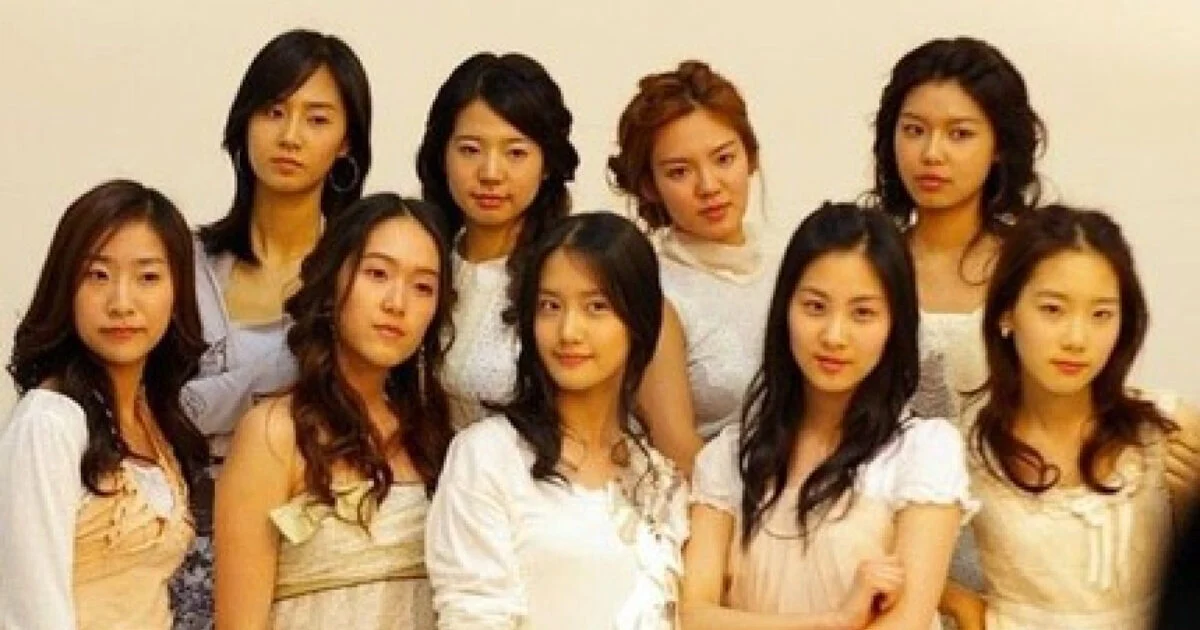
The landscape of the South Korean entertainment industry is often characterized by its glittering stage lights and global reach, yet behind the scenes lies a grueling path of perseverance that few navigate as extensively as Heo Chanmi. On a recent broadcast of the TV Chosun program Dad and I, the veteran performer, now celebrated as the runner-up of the highly competitive Miss Trot 4, offered a candid look into a career that has spanned nearly two decades. Describing herself as a "resilient trot phoenix," Chanmi’s narrative is not merely one of musical evolution but a sobering reflection on the psychological and professional toll of the K-pop trainee system and the volatility of the idol industry.
The Foundation of a Long-Term Trainee: The SM Entertainment Years
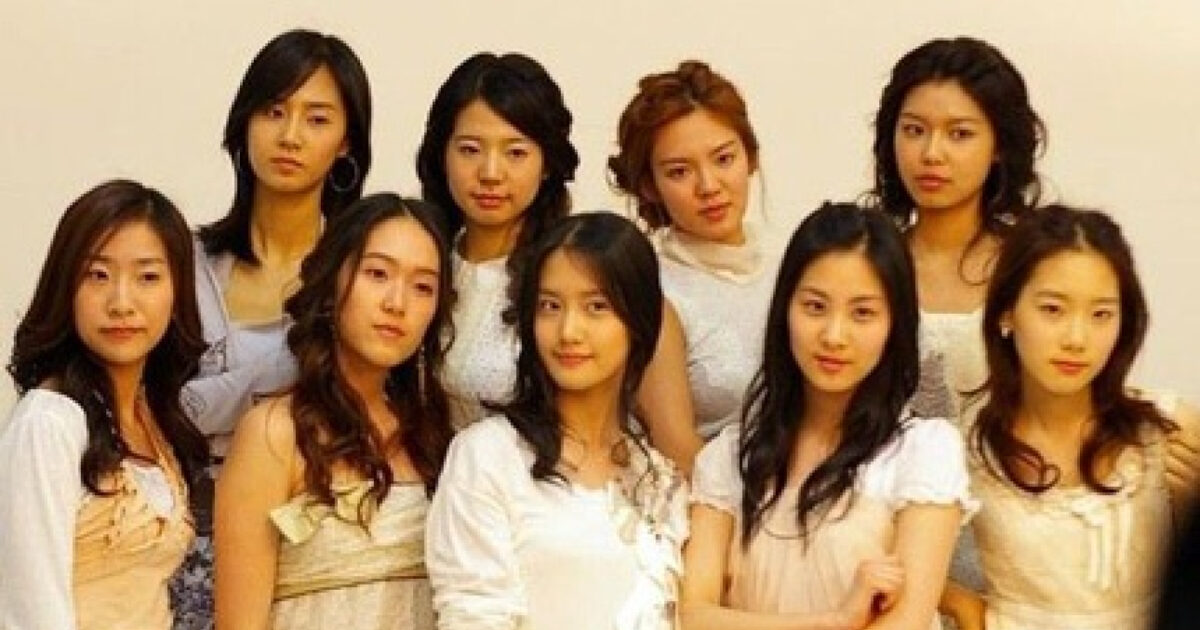
Heo Chanmi’s journey began at the age of 14 when she was scouted by SM Entertainment, one of South Korea’s "Big Three" talent agencies. During the mid-2000s, she was a prominent member of the trainee pool that eventually formed the legendary girl group Girls’ Generation (SNSD). For six years, Chanmi underwent the rigorous training regimen for which SM is renowned, involving intensive lessons in vocal performance, dance, language, and media etiquette.
Despite being part of the final debut lineup—a position coveted by thousands—Chanmi ultimately did not make the final cut for the group’s 2007 debut. The disappointment of missing out on what would become the most successful girl group of its generation was a formative trial. During the Dad and I broadcast, her father reflected on this period, noting his simple hope that his daughter’s hard work would translate into a swift debut. The "trainee debt" and the psychological weight of seeing peers ascend to stardom while remaining in the practice room is a documented phenomenon in the industry, often leading to a sense of stagnation and identity crisis among young aspirants.
A Turbulent Debut and the Idol Group Cycle
In 2010, Chanmi finally made her official debut under Core Contents Media (now MBK Entertainment) as a member of Coed School. The group was a rare experiment in the K-pop industry: a ten-member mixed-gender ensemble. While their debut single "Too Late" garnered initial interest, the group’s trajectory was abruptly halted. After only two months of activity, the group faced internal challenges and external controversies involving other members, leading to an indefinite suspension of their promotions.
The agency subsequently pivoted, re-launching the female members of Coed School as a sub-unit and later a standalone group called F-ve Dolls in 2011. Chanmi’s tenure in F-ve Dolls was similarly fraught with instability. Despite her years of experience, she was reportedly "demoted" back to trainee status by the agency’s leadership, who cited a need for more practice. This period of professional regression culminated in her withdrawal from the group after just one year. This cycle of debuting and disbanding is a common, yet often overlooked, reality in the K-pop ecosystem, where only a small percentage of groups achieve long-term financial or critical viability.
The Survival Show Era and the Burden of Public Perception
Following her departure from F-ve Dolls, Chanmi entered the "survival show" circuit, a genre of television that has come to dominate the Korean music industry. She appeared as a contestant on Mnet’s Produce 101 in 2016, where she was initially framed as a formidable veteran. However, the show’s "evil editing"—a term used to describe the selective arrangement of footage to create drama—portrayed her in a polarizing light. A vocal mistake during a performance of Girls’ Generation’s "Into the New World" became a focal point of criticism, leading to a wave of online harassment.
The impact of this period was discussed with painful detail on Dad and I. Chanmi’s parents revealed that the combination of professional setbacks and malicious online comments took a severe toll on her mental health. At her lowest point, the singer confessed to having "given up on life," a statement that highlights the dangerous intersection of social media scrutiny and the pressure to succeed in the public eye. Her parents admitted they had urged her to quit the industry for her own safety, yet Chanmi’s resolve remained tethered to her desire to succeed for her family’s sake.
The Strategic Pivot to the Trot Genre
After a subsequent appearance on the survival show Mix Nine, Chanmi recognized the need for a fundamental shift in her career trajectory. The "Trot Boom" in South Korea, ignited by the Miss Trot and Mr. Trot series, provided a new avenue for established performers to reinvent themselves. Trot, a genre of Korean popular music known for its repetitive rhythms and emotional vocal inflections, has traditionally been associated with an older demographic but has recently seen a massive resurgence among younger audiences.
Chanmi first challenged Miss Trot 2 six years ago. However, her transition was not immediate. She received criticism for her song choices and vocal style, which still carried the "idol" polish that did not always translate well to the raw, emotive requirements of trot. Failing to reach the Top 7 was another setback, but it served as a catalyst for a total vocal overhaul.

Last year, Chanmi returned for Miss Trot 4. Industry analysts and viewers alike noted a significant transformation in her technique. By shedding the stylistic habits of a K-pop idol and embracing the "han" (a uniquely Korean sentiment of sorrow and hope) required for trot, she secured the runner-up position. This achievement marked her first major commercial and critical success in over a decade, validating her self-prescribed title as the "resilient trot phoenix."
Family Dynamics and the Support System
The Dad and I broadcast provided an intimate look at the domestic life that sustained Chanmi through her professional droughts. The show featured her father, who remains her most vocal supporter, waking her up in their Namyangju home. A notable moment in the episode involved Chanmi revealing her bare face on camera, a move that contrasted with the heavily curated "idol" image she maintained for years. The positive reaction from the show’s panel and viewers regarding her "pure and gentle" appearance underscored a shift in public sentiment—moving away from the hyper-criticism of her youth toward an appreciation for her authenticity.
Her father’s reflections during the episode provided a rare glimpse into the "parental labor" involved in the K-pop industry. He spoke of the patient wait for her debut and the heartbreak of seeing her struggle. His encouragement for her to continue pursuing her dream, despite the risks, highlights the crucial role that a stable support system plays in the longevity of an artist’s career.
Analysis: Implications for the Korean Entertainment Industry
Heo Chanmi’s story serves as a significant case study for several broader trends in the Korean entertainment landscape:
- The Lifespan of an Artist: Chanmi’s transition from a teenage idol trainee to a 30-something trot star demonstrates that the "expiration date" for female performers in Korea is expanding. The diversification of genres allows artists to age with their craft rather than being discarded when they no longer fit the "youthful idol" mold.
- Mental Health and Malicious Comments: The revelation of Chanmi’s past suicidal ideation adds to the ongoing discourse regarding the mental health of public figures in Korea. Her story emphasizes the need for better psychological support systems within agencies and more stringent measures against cyberbullying.
- The Power of Survival Shows: While survival shows can be sources of trauma, they also remain the most effective "fast track" for rebranding. Chanmi’s success in Miss Trot 4 illustrates how these platforms can be used to pivot a career, provided the artist can withstand the immense pressure of the format.
- Genre Fluidity: The success of former idols in the trot genre (such as Chanmi and others like Hong Jin-young) suggests a blurring of lines between "high" idol pop and "traditional" trot, creating a more integrated domestic music market.
Conclusion
Heo Chanmi’s journey from the brink of giving up to standing as a runner-up on a national stage is a testament to the power of resilience. Her career, marked by the highs of being an SM trainee and the lows of disbanded groups and public ridicule, reflects the volatile nature of fame in the 21st century. As she embarks on this new chapter as a trot singer, her story remains a poignant reminder of the human cost behind the entertainment industry’s success stories and the indomitable spirit required to survive it. Through her participation in Dad and I, Chanmi has not only shared her pain but has also solidified her place as a figure of hope for many others navigating the difficult path of the performing arts.