Jia Lissa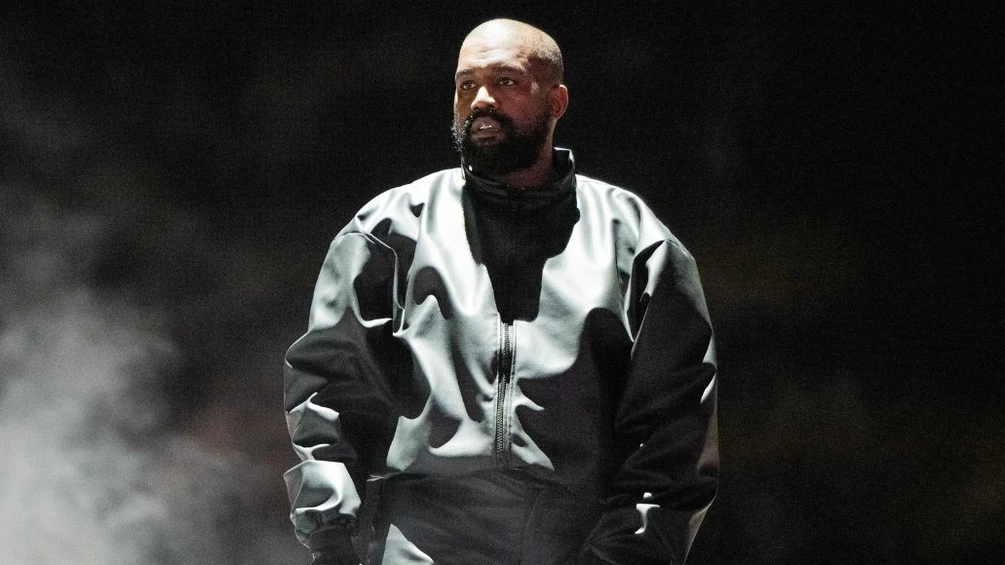
London’s highly anticipated Wireless Festival has been entirely cancelled following the United Kingdom government’s decision to deny entry to US rapper Kanye West, known legally as Ye, who was scheduled to headline all three days of the event this July at Finsbury Park. The Home Office confirmed on April 7 that West’s application for an Electronic Travel Authorisation (ETA) was refused by Home Secretary Shabana Mahmood on the grounds that his presence in the UK would "not be conducive to the public good," directly leading to the festival’s immediate cessation and the promise of full refunds for all ticket holders.
Chronology of Controversy and Cancellation
The saga leading to the festival’s unprecedented cancellation unfolded rapidly, rooted in a series of highly controversial public statements made by West over recent years. The decision by Festival Republic, the promoter behind Wireless, to book West as a headliner for the 2024 edition had already ignited significant public backlash and criticism from various quarters, including anti-hate organisations and former sponsors.
Prior to the government’s intervention, Wireless had been grappling with a growing wave of disapproval. Major sponsors such as PayPal and Pepsi had reportedly withdrawn their affiliation with the festival, a clear indication of the commercial and reputational risks associated with West’s involvement. Festival Republic’s Managing Director, Melvin Benn, had previously acknowledged that sponsors were made aware of West’s booking in advance of the public announcement, suggesting an initial belief that the controversy could be managed or that West’s artistic appeal would outweigh concerns. However, the scale of the public and corporate reaction evidently proved overwhelming.
On April 6, West formally applied for an ETA, a digital travel permit required for visa-exempt foreign nationals visiting the UK. This application came after weeks of escalating pressure on the festival and the UK authorities to address the rapper’s planned performances. The Home Office’s swift decision on April 7 to refuse this authorisation underscored the gravity with which the government viewed the implications of his entry.
Background to Ye’s Controversial Statements
The Home Office’s determination was a direct response to a sustained pattern of antisemitic, racist, and pro-Nazi comments and actions attributed to Kanye West. These incidents, predominantly disseminated via his X (formerly Twitter) account, spanned several years and drew widespread condemnation globally. Key instances include:
- Antisemitic Remarks: In late 2022, West posted a series of antisemitic comments, notably threatening to go "death con 3 on JEWISH PEOPLE." These remarks led to his temporary suspension from social media platforms and the termination of lucrative partnerships with brands like Adidas, Balenciaga, and Gap, resulting in a significant loss of his billionaire status.
- Praise for Adolf Hitler and Nazi Ideology: During a controversial interview on the "Infowars" podcast with Alex Jones in December 2022, West openly expressed admiration for Adolf Hitler, stating, "I see good things about Hitler." He also made several pro-Nazi statements, including denying the Holocaust.
- "Heil Hitler" Song and Merchandise: In the past year, West reportedly released a song titled "Heil Hitler" and was associated with the sale of merchandise emblazoned with swastikas, a symbol universally associated with Nazi atrocities and antisemitism. These actions further intensified the outcry and solidified perceptions of his alignment with hateful ideologies.
- Comments on Slavery: Beyond antisemitism, West also drew criticism for deeply offensive remarks about the Black community, infamously stating in 2018 that "slavery was a choice," a comment that sparked outrage for trivialising centuries of systemic oppression and suffering.
These incidents collectively formed the basis of the widespread public and political calls for West to be denied entry, arguing that his presence would endorse hate speech and cause significant distress to Jewish and other minority communities in the UK.
Ye’s Attempts at Apology and Dialogue
In the lead-up to the Home Office’s decision, Kanye West made efforts to address the controversy, including issuing a full-page apology in The Washington Post in January. In the advertisement, he attributed his past comments and actions to his bipolar-1 disorder, claiming he developed the condition after an undiagnosed frontal-lobe injury from a 2002 car crash. He wrote, "I am not a Nazi or an antisemite. I love Jewish people." West further asserted that his bipolar disorder caused him to "lose touch with reality" and led him to embrace "the most destructive symbol I could find, the swastika." He added, "One of the difficult aspects of having bipolar type-1 are the disconnected moments – many of which I still cannot recall – that led to poor judgment and reckless behavior that oftentimes feels like an out-of-body-experience. I regret and am deeply mortified by my actions in that state, and am committed to accountability, treatment, and meaningful change. It does not excuse what I did though."
Just hours before the government’s ban was made public, West issued another statement, expressing his desire to come to London "to present a show of change, bringing unity, peace and love through my music." He added, "I would be grateful for the opportunity to meet with members of the Jewish community in the UK in person, to listen. I know words aren’t enough – I’ll have to show change through my actions. If you’re open, I’m here."
Official and Community Reactions
The decision to block West’s entry and the subsequent festival cancellation elicited strong reactions from various stakeholders.
Festival Republic’s Statement: In their official statement confirming the cancellation, Festival Republic expressed regret, stating, "The Home Office has withdrawn YE’s ETA, denying him entry into the United Kingdom. As a result, Wireless Festival is cancelled and refunds will be issued to all ticket holders." The promoter also addressed the pre-booking consultations: "As with every Wireless Festival, multiple stakeholders were consulted in advance of booking YE and no concerns were highlighted at the time. Antisemitism in all its forms is abhorrent, and we recognise the real and personal impact these issues have had. As YE said today, he acknowledges that words alone are not enough, and in spite of this still hopes to be given the opportunity to begin a conversation with the Jewish community in the UK." This part of their statement drew criticism for seemingly still defending the artist’s potential for redemption while acknowledging the community’s pain.
Home Office’s Stance: A Home Office spokesperson confirmed to the BBC that "The Home Secretary has the power to refuse entry to any individual if it is considered that their presence in the UK would not be conducive to the public good." This power is routinely exercised in cases where individuals have engaged in behaviour deemed harmful or hateful, particularly concerning national security, public order, or the protection of human rights. The decision regarding West underscores the UK government’s firm stance against hate speech and its commitment to upholding public safety and social cohesion.
Jewish Community Response: The Board of Deputies of British Jews, while acknowledging West’s offer to meet, had previously stated their willingness to do so "only if he pulled out of his planned performances at Wireless." In a powerful statement, the board highlighted the severity of his past actions: "It has been less than a year since Kanye West released a song entitled ‘Heil Hitler’, the culmination of three years of appalling antisemitism. He also made a number of deeply offensive comments about the black community, saying that the 400-year experience of slavery was ‘like a choice’." They concluded, "The Jewish community will want to see genuine remorse and change before believing that the appropriate place to test this sincerity is on the main stage at the Wireless Festival." Their conditional acceptance of a meeting reflected a demand for tangible actions over mere words.
Anti-Antisemitism Campaign’s View: The Campaign Against Antisemitism (CAA) lauded the government’s decision, stating, "The Government has clearly made the right decision here. For once, when it said that antisemitism has no place in the UK, it backed up its words with action." The organisation was highly critical of Wireless Festival’s initial booking, asserting, "Someone who has boasted of making tens of millions of dollars from selling swastika T-shirts and who released a song called ‘Heil Hitler’ just months ago clearly would not be conducive to the public good in the UK. Wireless Festival, in its desperate quest for profit, defended the invitation until the end. That is shameful, and its sponsors should continue to stay away." The CAA’s comments underscore the broader sentiment that commercial interests should not override moral and ethical responsibilities.
Political Commentary: Prime Minister Keir Starmer also weighed in, posting on social media after the ban was announced, "Kanye West should never have been invited to headline Wireless. This government stands firmly with the Jewish community, and we will not stop in our fight to confront and defeat the poison of antisemitism." His statement reflected a bipartisan condemnation of antisemitism and reinforced the government’s commitment to protecting minority communities.
Broader Impact and Implications
The cancellation of Wireless Festival due to the denial of entry to a headline act represents a significant event for the UK’s music festival industry and wider cultural landscape. Wireless Festival, typically attracting tens of thousands of attendees over its multi-day run, is a major economic contributor to London, generating revenue for local businesses, employment for event staff, and substantial ticket sales. The cancellation will result in considerable financial losses for Festival Republic, beyond just ticket refunds, including sunk costs for infrastructure, marketing, and artist bookings.
This incident also sets a strong precedent for the UK’s immigration policy, particularly concerning public figures whose past actions or statements conflict with the country’s values. The "not conducive to the public good" clause provides a robust mechanism for the Home Secretary to prevent individuals from entering the UK if their presence is deemed to pose a risk to social harmony or incite hatred. This decision reinforces the message that freedom of speech, while a fundamental right, does not extend to hate speech that incites violence or discrimination, and that there are consequences for public figures who engage in such behaviour.
The controversy surrounding Kanye West and Wireless Festival has reignited important conversations about accountability in the entertainment industry. It raises questions about the responsibility of festival organisers and promoters to vet artists, consider public sentiment, and balance commercial viability with ethical considerations. The withdrawal of sponsors like PayPal and Pepsi highlights the increasing pressure on corporations to align with socially responsible values and distance themselves from controversial figures.
In an era where social media amplifies public discourse and demands for accountability, the Wireless Festival cancellation serves as a stark reminder of the power of public opinion and governmental action in shaping cultural events. It underscores the UK’s unwavering commitment to combating antisemitism and all forms of hate speech, sending a clear message that such ideologies have no place on its stages or within its borders. The incident will likely prompt a more rigorous evaluation of artist bookings by other major festivals and venues, fostering a greater emphasis on ethical considerations alongside artistic merit.