Jia Lissa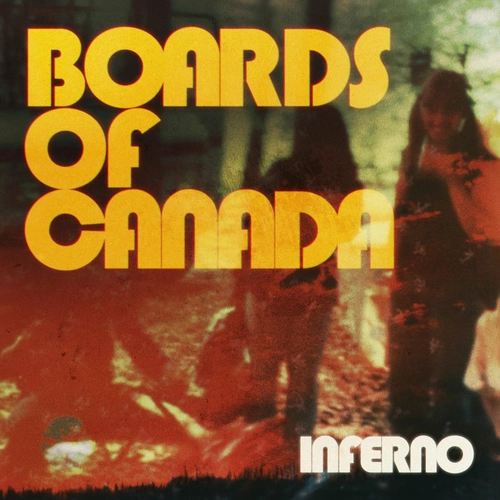
A Striking Re-Emergence: The Sound of Humanity’s End, Reimagined
The album immediately establishes a new paradigm for Boards of Canada, a departure from the familiar. The 100th second of "Prophecy at 1420 MHz," the second track, offers a potent example. Here, an ultra-bright and viciously sharp drum and guitar break erupts with the laser-engineered precision of a Trident II D5 ballistic missile. This unsettling sound is clinical and sinister, yet notably devoid of the smudged, grainy, or overtly dark textures typically associated with the duo’s more doom-ridden works, such as 2013’s critically acclaimed "Tomorrow’s Harvest." This precision, a hallmark of "Inferno," suggests a deliberate move towards a cleaner, more immediate auditory experience.
Boards of Canada have incorporated guitars into their sound before, most notably on 2005’s "The Campfire Headphase," where they offered a more organic, pastoral feel. The melody on "Prophecy at 1420 MHz" still carries the signature displaced and yearning melancholy that is arguably the brothers’ most identifiable emotional imprint. However, "Inferno" presents a sound that is unprecedentedly clean, sharp, and strikingly "real." This newfound clarity, especially after over a decade of silence, signals a profound evolution in their production techniques and artistic vision.
From Intimacy to Grandeur: A Shift in Scale
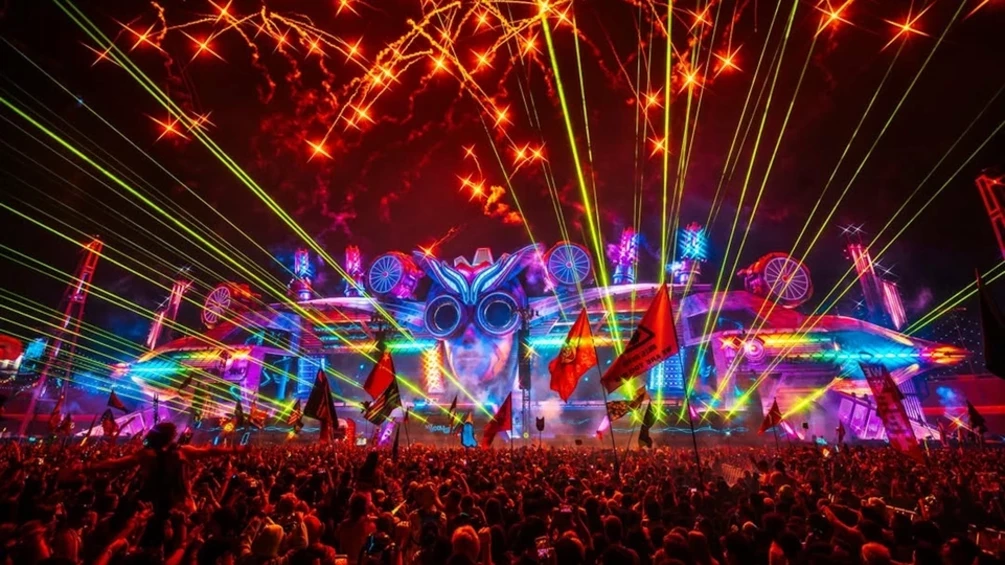
The previous guitar-laden effort, "The Campfire Headphase," often evoked images of intimate, quietly introspective settings, perhaps a communal gathering around a campfire. "Inferno," by contrast, feels attuned to the grandiose, almost dehumanizing atmosphere of vast musical congregations and expansive sonic landscapes. This shift in scale is not merely aesthetic; it implies a re-evaluation of how their music interacts with its audience and the spaces it inhabits.
Tracks like "Hydrogen Helium Lithium Leviathan" exemplify this new grandeur. It exists in a liminal space, drawing influences from the shoegaze intensity of My Bloody Valentine, the pioneering electronic textures of Wendy Carlos’ work on "A Clockwork Orange" soundtrack, and the expansive sound of stadium rock. The listener can almost physically perceive the drummer’s sweat, a testament to the visceral, live-sounding production. This track, with its dense layering and propulsive rhythm, stands in stark contrast to the often-abstracted, almost ethereal percussion found in much of their earlier catalog.
Similarly, "Into the Magic Land" presents post-rock sensibilities delivered with an immediacy that suggests a live performance. The distinct sounds of drums, bass, and fingers on fretboards are interwoven with one of the most exquisite chord sequences the duo has ever conceived, showcasing their continued mastery of melody amidst this new, sharper sonic environment. "Arena Americanada" almost lives up to its spectacular moniker, skirting the edge of arena rock’s inherent pomposity with its broadly dramatic ambition. It evokes a hypothetical scenario where ’80s Pink Floyd might cover Boards of Canada’s seminal track "Aquarius," blending epic scale with their signature melancholic atmosphere.
This emphasis on a "live" sound and synth-heavy ambition frequently harkens back to the early 1970s sounds of kosmische music. Bands like Harmonia, for instance, created interstellar ambient music that was less constrained by the rigid grid of modern electronic production, allowing for sprawling and mutating compositions. "You Retreat in Time and Space" perfectly embodies this influence, sounding as though it could have been a staple in enlightened student bedrooms of 1973, comfortably alongside Tangerine Dream’s "Zeit," had Boards of Canada existed five decades earlier. This retro-futuristic sensibility, while always present in their work, is here re-contextualized through a lens of expansive live performance.
The Evolution of Voice: A Sharpened Narrative Tool
Another significant advancement in "Inferno" lies in the duo’s sophisticated use of voices. While not a complete volte-face, it represents a substantial sharpening of an existing technique. Vocals have long been a feature in Boards of Canada’s music, with clips meticulously plundered from diverse sources ranging from educational programs like "Sesame Street" to obscure religious figures such as Amo Bishop Roden. These samples traditionally served to add texture, intrigue, and an unsettling, often childlike, nostalgia.
On "Inferno," however, voices are frequently brought to the fore, evolving from textural elements into lead instruments in their own right. "Father and Son" stands as the most transparent example, dominated by prominent vocal lines. Each line possesses its own distinct cadence and sonic character, manipulated into intricate melodies and rhythms. The effect is profoundly creepy, surreal, and notably modern, setting it apart from much of the existing Boards of Canada catalog. This marks a conscious decision to use the human voice not just as an evocative sample, but as a primary melodic and rhythmic driver, adding another layer of complexity to their already rich soundscapes. This refined approach to vocal manipulation highlights their continued innovative spirit within the electronic music sphere.
A Tapestry of Sounds: Cohesion Amidst Divergence
"Inferno" does not adhere to a single, monolithic sound. This stylistic fluidity is a testament to the duo’s willingness to explore diverse sonic territories while retaining their core identity. Tracks like "Acts of Magic" and "Deep Time," for instance, are shrouded in the familiar foggy, moody, and distant atmospheres that would have seamlessly fit onto "Tomorrow’s Harvest." These moments serve as reassuring anchors, reminding long-time listeners of the foundational elements of the Boards of Canada sound.
The album opener, "Introit," acts as a brief but potent amuse-bouche: 36 seconds of very familiar swirling synth melody that unequivocally signals the return of BoC. This brief, almost nostalgic overture sets the stage, acknowledging their past before propelling the listener into their evolved present. Crucially, these familiar moments do not detract from the album’s overall innovative thrust. Boards of Canada, widely recognized as one of the most imitated groups in electronic music, have demonstrably moved forward again, and brilliantly so. The consensus among early critical assessments places "Inferno" among their strongest albums, potentially rivaling the intricate brilliance of 2002’s "Geogaddi."
The Legacy of Boards of Canada: A Timeline of Innovation
To fully appreciate the impact of "Inferno," it is essential to consider the historical context of Boards of Canada’s career. Formed in 1986 by brothers Michael Sandison and Marcus Eoin, the duo initially operated largely in obscurity, producing private releases and EPs. Their unique blend of analog synthesis, tape degradation, found sounds, and melancholic melodies began to coalesce, drawing inspiration from public information films, educational television, and the hazy memories of childhood.
- Early Years (1986-1995): Self-released cassettes and EPs, establishing their signature "haunted nostalgia" sound.
- ‘Twoism’ (1995): A pivotal independent release that garnered attention and led to their signing with Warp Records.
- ‘Music Has the Right to Children’ (1998): Their debut studio album, widely considered a landmark in electronic music. It solidified their status, blending IDM, ambient, and hip-hop influences with a distinct lo-fi aesthetic and thematic undertones of childhood memory and lost innocence.
- ‘Geogaddi’ (2002): A darker, more complex, and often unsettling album, exploring themes of occultism, numerology, and the subconscious. It pushed the boundaries of their sound, earning critical acclaim for its intricate production and enigmatic atmosphere.
- ‘The Campfire Headphase’ (2005): A stylistic shift incorporating more prominent acoustic guitars and a brighter, more organic feel, though still retaining their characteristic melancholy.
- ‘Tomorrow’s Harvest’ (2013): After an eight-year gap, this album presented a return to a darker, more dystopian sound, heavily influenced by themes of Cold War paranoia, ecological collapse, and societal decay. Its release was preceded by an elaborate viral marketing campaign, intensifying anticipation.
- ‘Inferno’ (2024): The current release, following a thirteen-year period of silence, represents another significant evolution, embracing clarity, live instrumentation, and prominent vocal manipulation.
Throughout their career, Boards of Canada have maintained a reclusive public persona, rarely granting interviews or performing live. This mystique has only amplified their legend, fostering a fervent fanbase and allowing their music to speak for itself. Their influence on electronic music, ambient, and even hip-hop production is undeniable, with countless artists attempting to emulate their distinctive blend of warmth, nostalgia, and subtle unease.
The Weight of Expectation and the Triumph of Innovation
The 13-year gap between "Tomorrow’s Harvest" and "Inferno" created an immense weight of expectation. In the intervening years, the electronic music landscape continued to evolve rapidly, with new genres emerging and production techniques advancing. The question for many fans and critics was whether Boards of Canada could return relevant, or if they would simply offer a refined version of their past glories.
"Inferno" decisively answers this question with a resounding affirmation of their continued artistic vitality. Rather than merely rehashing their established sound, the album demonstrates a conscious push towards new territories while retaining the core elements that make their music uniquely theirs. The enhanced clarity, the integration of live-sounding instrumentation, and the foregrounding of manipulated vocals are not cosmetic changes but fundamental shifts that broaden their expressive range.
The clean, sharp production of "Inferno" suggests a deliberate move away from the heavily processed, tape-degraded aesthetic that defined much of their earlier work. While elements of analog warmth and subtle distortion remain, they are now employed with greater precision, serving to enhance rather than obscure the underlying musicality. This allows for a richer tapestry of sounds to emerge, from the intricate guitar work to the expansive synth pads, all delivered with a newfound immediacy.
Broader Impact and Implications
The release of "Inferno" carries significant implications for the electronic music scene and for the legacy of Boards of Canada.
- Redefining Influence: By pushing their sound in new directions, BoC challenges their imitators to look beyond mere replication of their classic sound, encouraging deeper exploration of sonic innovation.
- Artistic Longevity: The album demonstrates that even after decades, and long periods of inactivity, artists can return with fresh perspectives and compelling new work, defying expectations of stagnation or creative decline.
- Technical Mastery: The production quality and the seamless integration of diverse influences highlight a continued commitment to technical mastery and sonic craftsmanship. The album serves as a masterclass in how to evolve a signature sound without losing its essence.
- Emotional Resonance: Despite the cleaner production and more expansive sound, the emotional core of Boards of Canada – that sense of yearning, nostalgia, and subtle dread – remains powerfully intact, proving the enduring strength of their melodic and atmospheric sensibilities.
Ultimately, the inherent mystery surrounding Boards of Canada – "Why this album? And why now?" – becomes secondary to the profound musical experience offered by "Inferno." The music is so perfectly realized, the sounds so live and alluring, and the melodies so resonant that these questions ultimately become irrelevant. "Inferno" is a paradoxical achievement: like imminent doom rendered in 5k OLED – sleek, unreal, and uncomfortably beautiful. It is an album that demands repeated listening, revealing new layers with each pass, and solidifying Boards of Canada’s position as perennial innovators in the vast landscape of electronic music.