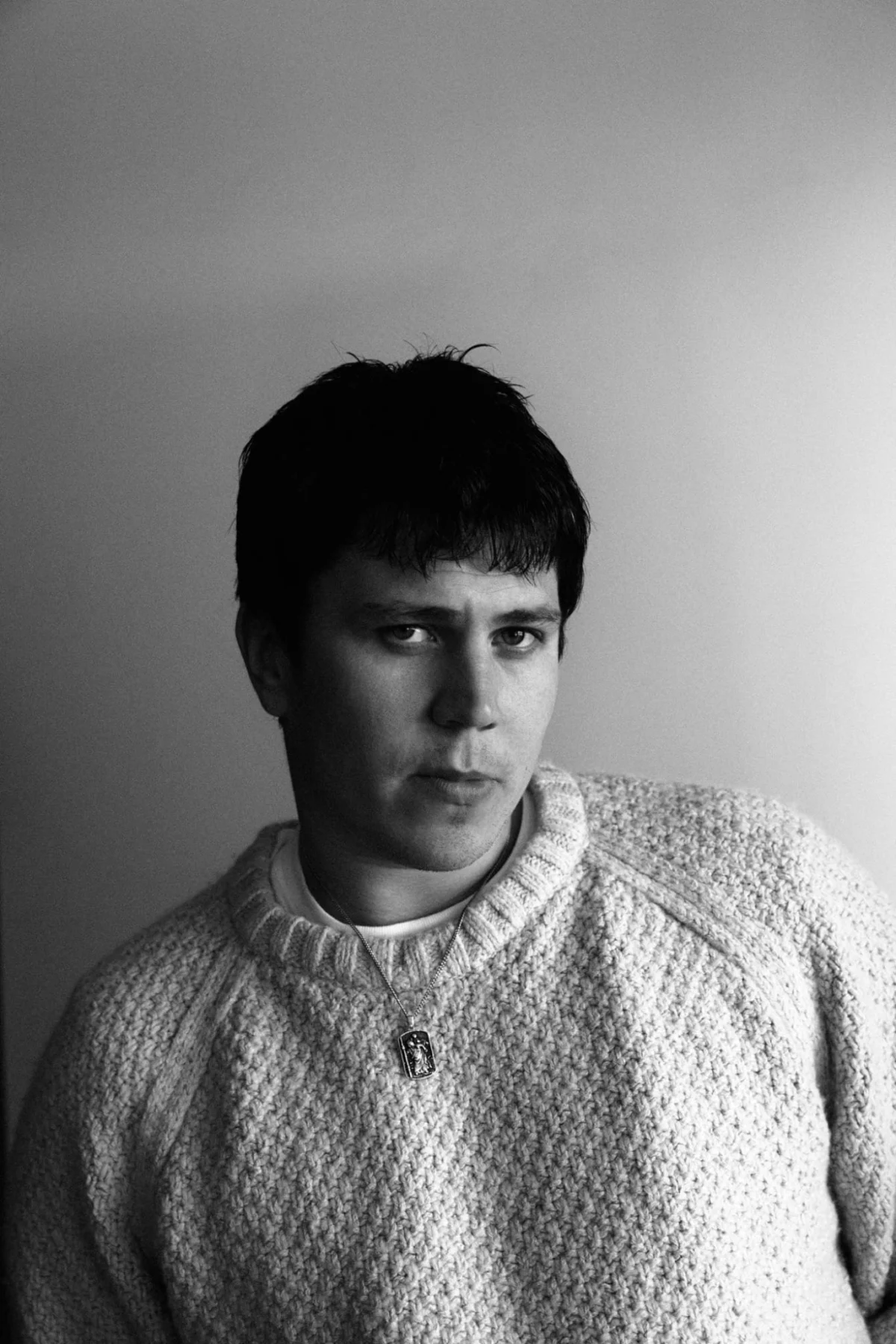
Johan Budi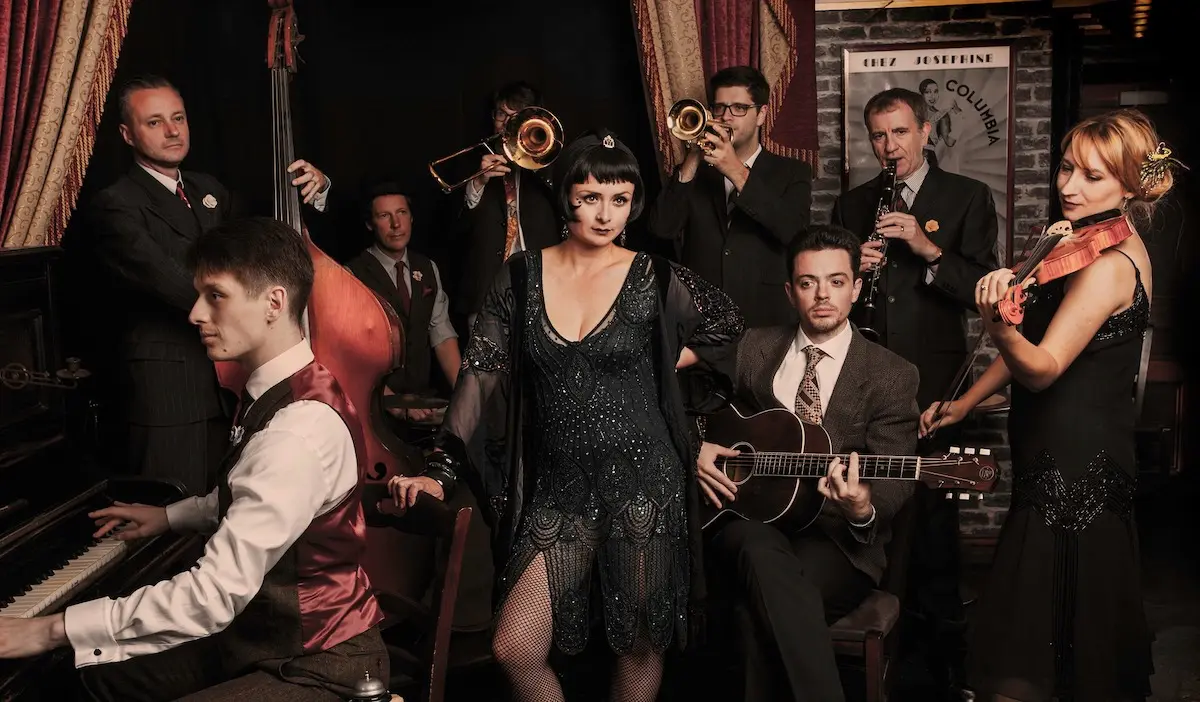
House of the Black Gardenia: A New Chapter for Vintage Swing
House of the Black Gardenia, a Newcastle-based nonet, has officially released its second full-length album, Mazurka In Jazz, marking a significant evolution for the ensemble since its inception. Founded by double bassist Neil Hopper and vocalist Elise Rana Hopper, the group emerged from the vibrant swing-dance community in Newcastle, where the founders originally curated popular dance events. Their deep immersion in the acoustic traditions of the 1920s and 1930s led to the formation of the band in 2014, with an initial vision inspired by the traditional jazz aesthetics of groups like Tuba Skinny.
However, the logistical realities of the North East music scene dictated a different trajectory. Neil Hopper has noted the challenges of assembling a specific nine-piece lineup, eventually drawing talent from the established "Strictly Smokin’ Big Band" and other prominent ensembles in the region. This "nicking" of musicians, as Hopper describes it, resulted in a high-caliber roster that includes Pete Tanton on trumpet, Keith Robinson on woodwinds, and Michael Littlefield on guitar and banjo. This professional pedigree has allowed the band to transcend the "revivalist" label, offering a contemporary edge to historical arrangements.
Technical Composition and Creative Evolution
The band’s discography began in earnest with The New Lowdown in 2020. Six years later, Mazurka In Jazz arrives as a sophisticated blend of jazz roots, big-band swing, and rhythm and blues. The album features ten tracks, seven of which were composed by the Hoppers themselves, showcasing a shift toward original songwriting within a vintage framework. Michael Littlefield contributed the track "Should We Dance?", while the remaining two selections are rearrangements of historical classics: Jelly Roll Morton’s "Why?" and Walter Donaldson’s "You’re Driving Me Crazy."
A notable feature of this release is the lyrical expansion of "You’re Driving Me Crazy," where Elise Rana Hopper has appended two new verses. These additions are designed to provide a female perspective, modernizing the narrative arc of the song while maintaining its stylistic integrity. The album is characterized by what critics describe as a "macabre and mischievous" tone, further supported by an eight-page instructional and lyrical booklet. The recording sessions took place in Thropton and Gilsland, Northumberland, utilizing the natural acoustics of the region to capture the ensemble’s "hot" vintage sound.
Cuba – Cha Cha Chá 1950-1962: Documenting a Rhythmic Revolution
Parallel to contemporary releases, the French label Frémeaux & Associés has continued its commitment to ethnomusicological preservation with the release of Cuba – Cha Cha Chá 1950-1962. This double-CD set, comprising 44 tracks, serves as a definitive historical survey of the cha cha chá’s development. The collection is curated by Bruno Blum, whose 16-page accompanying booklet provides a bilingual (French and English) analysis of the genre’s socio-political and musical impact during the mid-20th century.
The cha cha chá emerged as a derivative of the danzón and mambo, specifically designed to be more accessible to dancers who found the syncopation of the mambo too complex. The first disc of the set documents this transition, featuring foundational recordings by Pérez Prado, Benny Moré, and Orquesta América. This period, often referred to as the "Golden Age" of Cuban music, saw the genre exported globally, influencing the nightlife of Paris, New York, and Mexico City.
The Globalization of the Cuban Sound
The second disc focuses on the commercial expansion of the genre, particularly its integration into the American market. Between 1950 and 1962, Cuban composers began tailoring their titles to appeal to English-speaking audiences, resulting in tracks such as "Cha Cha Rock" by Mongo Santamaria and "The Hollywood Cha Cha" by Sexteto La Plata.
This archival project also highlights the lineage of iconic compositions. It includes Tito Puente’s 1962 original "Oye Cómo Va," which would later become a global rock-fusion hit for Santana in 1970. Furthermore, the set includes "Chanchullo," the piece that provided the original inspiration for Puente’s work. By including performers such as Cachao, El Conjunto Casino, and Orquesta Aragon, Frémeaux & Associés provides a comprehensive data set for musicologists and casual listeners alike, documenting how a localized Cuban rhythm became a permanent fixture of the international ballroom and jazz repertoire.
Sarah L King: The Light Ahead and the Contemporary Fusion Movement
In the realm of contemporary jazz-soul, Sarah L King has released her third recording, The Light Ahead. King’s trajectory into the professional music industry is a case study in mid-career artistic transition. Despite growing up in a household steeped in jazz—her father was a trumpeter and her grandmother a conductor—King spent the majority of her early career in film and television scriptwriting. Her formal entry into music occurred only eight years ago after joining a soul and gospel choir, an experience that spurred her transition into songwriting.
The Light Ahead follows her 2024 debut album Fire Horse and a 2020 EP of standards. Stylistically, the new album is an ambitious fusion of 1980s neo-soul, funk, and jazz-disco. It maintains a structure similar to her debut, featuring eight original compositions alongside four carefully selected covers. The lyrical content is intentionally optimistic, a direct response to the socio-economic challenges of the current era. King has stated that this release is intended to be more "celebratory" than her previous work, emphasizing resilience and hope.
Production and Collaborative Excellence
The album’s professional polish is attributed in part to the production of Claire Martin, a leading figure in British jazz. Martin also provides additional vocals, alongside Marley J Wills, whose style is heavily influenced by the vocal arrangements of Marvin Gaye. The core instrumental trio consists of Jim Watson (piano/keyboards), Laurence Cottle (electric bass), and Jamie Murray (drums).
The inclusion of guest musicians such as trumpeter James McMillan and trombonist Chris Traves adds a "big room" feel to the production. While the album leans heavily into the neo-soul and funk genres—leading some critics to suggest it sits on the periphery of traditional jazz—the technical proficiency of the arrangements ensures its relevance to jazz audiences. The covers included in the set—Stevie Wonder’s "Overjoyed," Nicola Conte’s "Like Leaves in the Wind," and the Barry Mann/Cynthia Weil classic "Just A Little Lovin’"—serve as bridges between King’s original compositions and the established soul-jazz canon.
Broader Impact and Industry Implications
The simultaneous release of these three projects reflects broader trends within the independent music industry. First, the success of House of the Black Gardenia underscores the continued viability of "niche" genres like vintage swing, which rely heavily on community engagement and live performance ecosystems. The group’s ability to transition from dance-night organizers to recording artists demonstrates a sustainable model for independent ensembles.
Second, the Frémeaux & Associés compilation highlights the critical role of archival labels in the digital age. As streaming platforms often prioritize new releases, curated historical sets provide the necessary context for understanding the evolution of modern music. The data provided in such collections is essential for the preservation of cultural heritage, particularly regarding the Afro-Cuban influences that underpin much of modern jazz.
Finally, Sarah L King’s The Light Ahead illustrates the shifting demographics of the jazz world. Her transition from the film industry to music suggests that the "gatekeeping" of jazz is diminishing, allowing for diverse voices with varied professional backgrounds to contribute to the genre’s evolution. Her reliance on a core group of high-level session musicians also points to a "session-based" model of production that favors quality and technical precision over traditional band structures.
Together, these releases provide a comprehensive snapshot of the current state of jazz and its related sub-genres. From the preservation of the 1950s Cuban cha cha chá to the 1920s swing revival in the UK and the 1980s-inspired neo-soul of Sarah L King, the industry continues to look both backward and forward, ensuring the continued relevance of these musical traditions in a rapidly changing cultural landscape.