Reynand Wu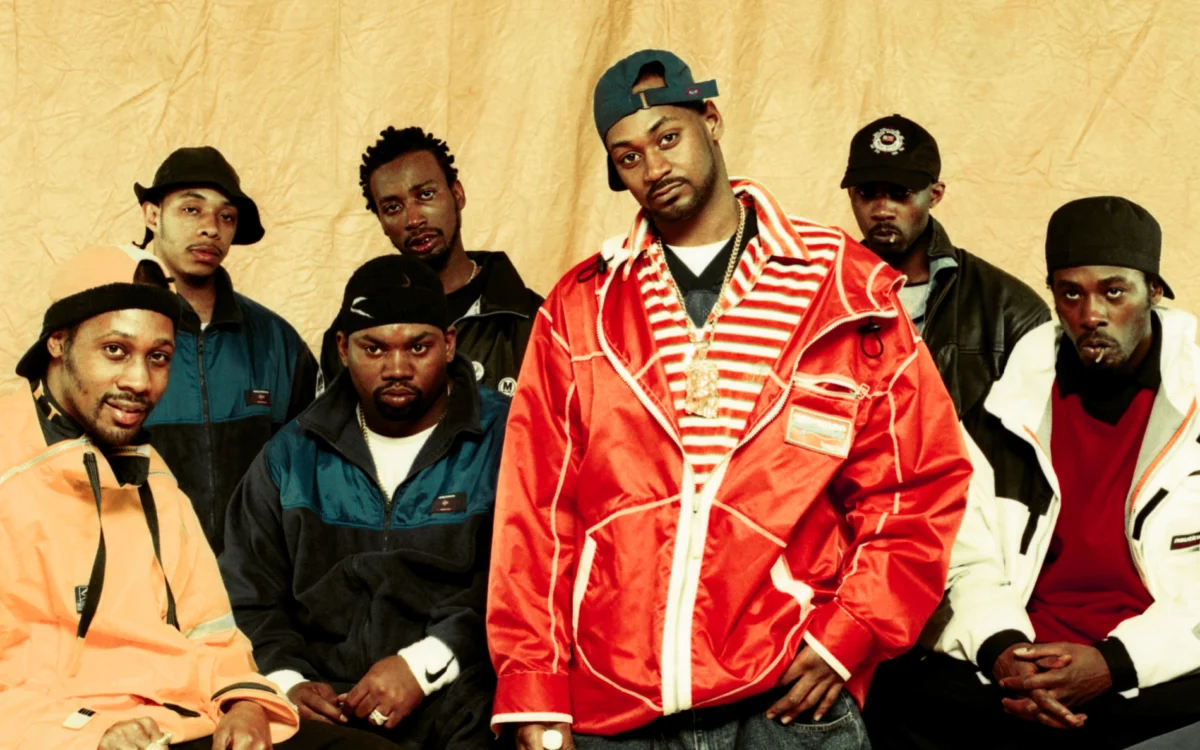
The iconic hip-hop collective Wu-Tang Clan has officially secured their place in music history, being voted into the prestigious Rock & Roll Hall of Fame as part of the Class of 2026. The highly anticipated announcement was made on Monday, April 13, revealing a diverse roster of artists set to be honored for their profound impact on music and culture. This landmark induction further solidifies hip-hop’s indelible presence within the hallowed halls of the institution, recognizing the Staten Island-born group’s unparalleled influence and enduring legacy.
The Class of 2026 inductees represent a broad spectrum of genres and artistic contributions, reflecting the Hall of Fame’s evolving definition of "rock and roll." Alongside Wu-Tang Clan, other luminaries slated for induction include the enigmatic R&B sensation Sade, the soulful crooner Luther Vandross, Britpop giants Oasis, heavy metal legends Iron Maiden, multifaceted artist Phil Collins, new wave icon Billy Idol, and the influential post-punk/electronic acts Joy Division and New Order (inducted as a single entity due to their intertwined history). In a testament to their pioneering roles, fellow rap icons Queen Latifah and MC Lyte will also be recognized, receiving the esteemed "Early Influence" award, which acknowledges their foundational contributions to music and culture.
The Induction Ceremony and Broadcast Details
The formal induction ceremony for the Class of 2026 is scheduled to take place on November 14 at the Peacock Theater in Los Angeles, California. This star-studded event, typically featuring live performances, tribute acts, and heartfelt speeches from inductees and their presenters, is one of the most anticipated nights in the music industry calendar. For fans unable to attend, the ceremony will be available for broadcast viewing in December, exclusively on ABC and streaming on Disney+, making the celebration accessible to a global audience. The delayed broadcast allows for meticulous editing to capture the highlights and most poignant moments of the evening.
Wu-Tang Clan: A Legacy of Innovation and Influence
The induction of Wu-Tang Clan into the Rock & Roll Hall of Fame is a powerful affirmation of their extraordinary impact on hip-hop and the broader music landscape. Formed in Staten Island, New York, in the early 1990s, the group emerged from the gritty streets of New York City, bringing a raw, visceral, and intellectually complex sound that redefined East Coast hip-hop. Comprising nine core members – RZA, GZA, Ol’ Dirty Bastard, Method Man, Raekwon, Ghostface Killah, Inspectah Deck, U-God, and Masta Killa (with Cappadonna later joining as an official member) – Wu-Tang Clan pioneered a unique business model that allowed individual members to sign solo deals with different labels while maintaining their collective identity and collaborative projects under the Wu-Tang banner. This innovative approach not only maximized their creative output but also solidified their entrepreneurial spirit within the industry.
Their debut album, Enter the Wu-Tang (36 Chambers), released in 1993, is widely regarded as a masterpiece and a seminal work in hip-hop history. Characterized by RZA’s distinctive, often minimalist and eerie production, infused with samples from martial arts films and soul music, the album presented a gritty, cinematic soundscape. Lyrically, the members showcased an unparalleled collective prowess, delivering intricate rhymes filled with vivid street narratives, Five-Percent Nation philosophy, and complex metaphors. Tracks like "C.R.E.A.M. (Cash Rules Everything Around Me)," "Protect Ya Neck," and "Shame on a Nigga" became instant classics, resonating with a generation and influencing countless artists across genres. The album’s commercial success, despite its uncompromising sound, proved that authentic, artistically driven hip-hop could achieve mainstream recognition without dilution.
Beyond their groundbreaking debut, Wu-Tang Clan continued to release critically acclaimed group albums such as Wu-Tang Forever (1997) and The W (2000), while individual members launched highly successful solo careers, each contributing distinct voices and styles. Albums like Raekwon’s Only Built 4 Cuban Linx… (1995), GZA’s Liquid Swords (1995), and Ghostface Killah’s Ironman (1996) are frequently cited as essential hip-hop records, further expanding the Wu-Tang universe and demonstrating the depth of talent within the collective. Their cultural footprint extended beyond music, encompassing fashion (Wu-Wear), video games, and a distinct lexicon that permeated popular culture. The group’s enduring appeal lies in their unwavering authenticity, their masterful storytelling, and their ability to blend profound wisdom with street-level realities.
Reactions from the Inductees
The news of the induction was met with profound gratitude and pride from the members of Wu-Tang Clan. RZA, the group’s de facto leader and primary producer, shared his heartfelt reaction on Instagram, stating, "In all Humility. This announcement filled me with joy, proudness, profound achievement, and awe. I’m grateful to all my brothers and those who helped us on the path. Thank you Rock & Roll Hall of Fame. This is a true Triumph – Wutang Forever." His words underscored the collective effort and the journey that led to this significant milestone.
Raekwon, known for his vivid storytelling and distinct lyrical style, expressed his excitement with characteristic swagger: "History books will know this club! this my grammy. what we talking bout! haaaaaaaaaaa. shout out to all our mothers who birth these men. they won tonite." His reaction highlights the profound personal and generational significance of such an honor. GZA, often hailed as the "Genius" for his intricate lyrical prowess, added a note of appreciation for their extensive support system: "We couldn’t have reached this milestone without our hip hop predecessors, fans, collaborators, friends and family. We thank you." These statements collectively reflect a deep sense of accomplishment, acknowledging the collaborative spirit and the foundational support that propelled them to this level of recognition.
The Evolving Definition of Rock & Roll: Hip-Hop’s Place in the Hall
The Rock & Roll Hall of Fame has consistently faced debates regarding its nomenclature and the inclusion of genres beyond traditional rock music. However, over the past two decades, the institution has increasingly embraced the expansive definition of "rock and roll" as a metaphor for a revolutionary cultural force, rather than strictly a musical genre defined by guitars and drums. Hip-hop, with its undeniable impact on global culture, fashion, language, and music production, perfectly embodies this broader interpretation.
With the addition of Wu-Tang Clan, Queen Latifah, and MC Lyte, the total number of hip-hop acts enshrined in the Rock & Roll Hall of Fame now stands at 18. This growing representation is a testament to the genre’s artistic merit, cultural influence, and historical significance. The first hip-hop group to break this barrier was Grandmaster Flash and the Furious Five in 2007, marking a pivotal moment in the Hall’s history. Since then, a steady stream of hip-hop pioneers and legends have followed, each induction affirming the genre’s rightful place among music’s most influential art forms.
A Chronology of Hip-Hop’s Inductions:
- 2007: Grandmaster Flash and the Furious Five – Recognized for their groundbreaking innovations in DJing, lyrical delivery, and shaping the early sound of hip-hop.
- 2009: Run-DMC – Credited with popularizing hip-hop and fusing it with rock, making them a crossover sensation.
- 2012: Beastie Boys – Celebrated for their genre-bending creativity, witty lyrics, and influential sound.
- 2013: Public Enemy – Inducted for their politically charged lyrics, revolutionary sound, and fearless social commentary.
- 2016: N.W.A – Honored for their pioneering work in gangsta rap and their unfiltered depiction of urban life.
- 2017: 2Pac – A posthumous induction recognizing his profound lyrical impact and cultural significance.
- 2018: The Notorious B.I.G. – Another posthumous induction for his masterful storytelling and lyrical genius.
- 2021: JAY-Z – Inducted for his unparalleled longevity, business acumen, and lyrical prowess.
- 2022: Eminem – Recognized for his lyrical dexterity, controversial themes, and global impact as a white rapper.
- 2023: Missy Elliott – Honored for her innovative production, groundbreaking music videos, and trailblazing career.
- 2024: OutKast – Celebrated for their unique blend of funk, soul, and Southern storytelling, expanding hip-hop’s sonic boundaries.
- 2025: A Tribe Called Quest – Inducted for their jazz-infused sound, conscious lyrics, and positive influence on hip-hop.
Beyond these full inductees, other hip-hop figures have been recognized through special awards:
- 2017 (Musical Excellence Award): Nile Rodgers (as part of Chic, whose influence on early hip-hop production is undeniable).
- 2021 (Musical Excellence Award): LL Cool J – Honored for his pioneering role as a rap superstar and his enduring career.
- 2023 (Musical Excellence Award): DJ Kool Herc – Recognized as the foundational father of hip-hop, whose innovations in turntablism laid the groundwork for the genre.
- 2024 (Musical Excellence Award): Salt-N-Pepa – Celebrated as trailblazing female rappers who broke barriers and achieved massive commercial success.
The Class of 2026 continues this important trend, ensuring that the history of American popular music, as chronicled by the Hall of Fame, is as inclusive and representative as the music itself.
Other Noteworthy Nominees and the Selection Process
The path to induction is a rigorous one, beginning with a nomination committee that selects a diverse ballot of artists. These nominees are then voted upon by an international body of more than 1,200 inductees, historians, and music industry professionals. This extensive voting body ensures a broad perspective, evaluating artists based on their musical influence on other artists, length and depth of career, body of work, innovation, and superiority and significance of their technique. While fan voting often plays a role in identifying popular choices, the ultimate decision rests with this expert panel.
This year’s ballot also featured several other highly deserving artists who, despite their nominations, did not receive enough votes for induction. Among them were Lauryn Hill, a monumental figure in hip-hop and R&B whose solo album The Miseducation of Lauryn Hill remains a cultural touchstone; Mariah Carey, one of the best-selling music artists of all time with a five-octave vocal range and numerous chart-topping hits; and Shakira, the global pop superstar renowned for her fusion of Latin and rock influences and dynamic stage presence. While their induction will have to wait, their nominations underscore their profound impact on music and their eligibility for future consideration.
Broader Impact and Future Implications
The induction of Wu-Tang Clan into the Rock & Roll Hall of Fame carries significant broader implications. It serves as a powerful testament to the ongoing diversification of the Hall’s honorees, acknowledging that "rock and roll" is not merely a genre but a spirit of rebellion, innovation, and cultural resonance that transcends traditional musical classifications. This inclusive approach ensures that the institution accurately reflects the rich tapestry of American and global popular music.
For hip-hop specifically, this induction further legitimizes the genre within mainstream historical narratives. It encourages a deeper academic and critical appreciation for hip-hop’s artistry, lyrical complexity, and socio-political commentary. It also opens the door wider for future hip-hop legends who have met the eligibility criteria (artists become eligible 25 years after the release of their first commercial recording) but have yet to be inducted. Acts like De La Soul, Eric B. & Rakim, Nas, and Snoop Dogg, among others, represent the next wave of deserving hip-hop artists whose legacies are ripe for recognition.
Ultimately, the Class of 2026, spearheaded by the iconic Wu-Tang Clan, reinforces the notion that true artistic genius knows no genre boundaries. Their induction is not just a triumph for the group but a celebration of music’s power to innovate, inspire, and profoundly shape culture for generations. As the Peacock Theater prepares to host this momentous occasion, the music world eagerly anticipates celebrating the enduring legacy of these new inductees.