Indra Aziz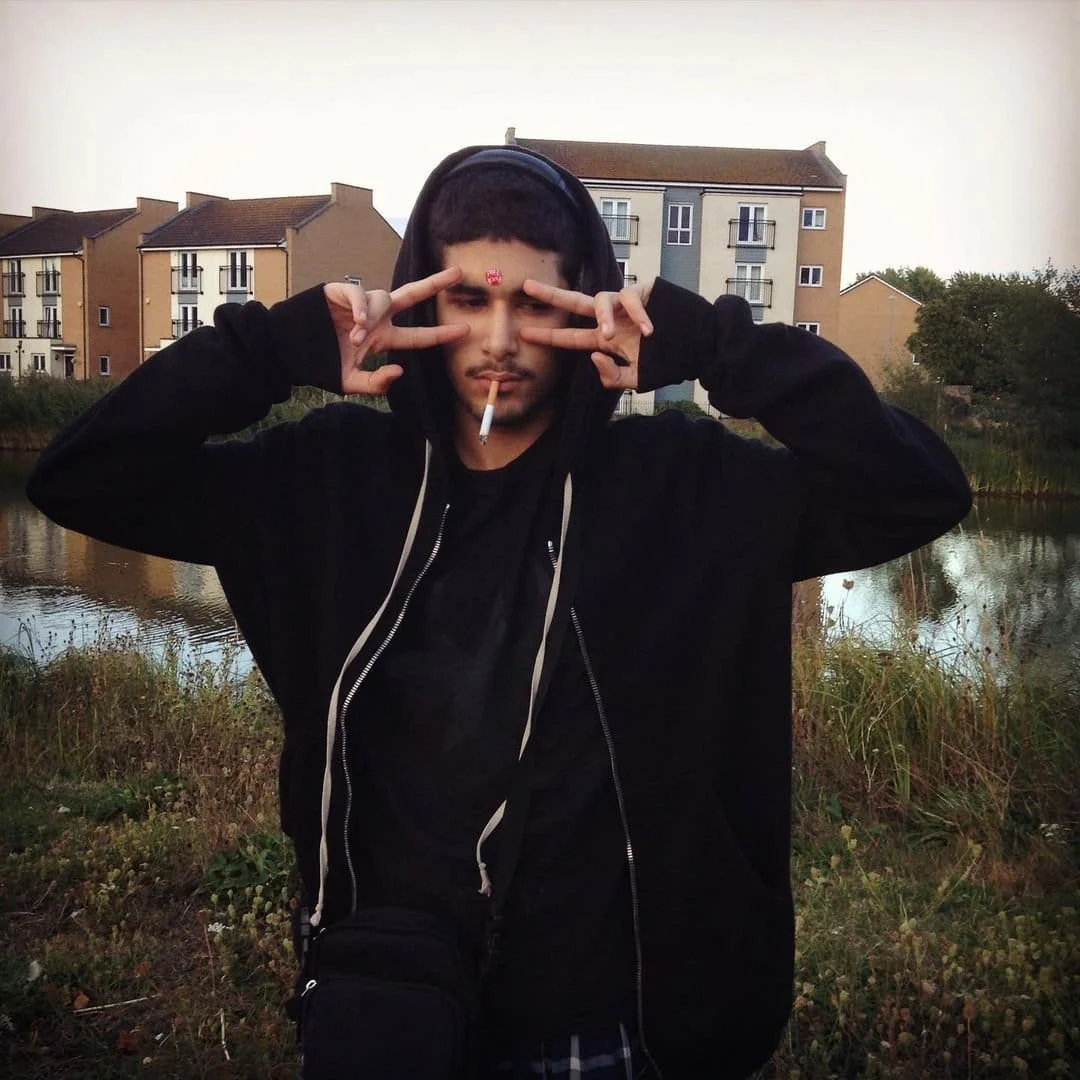
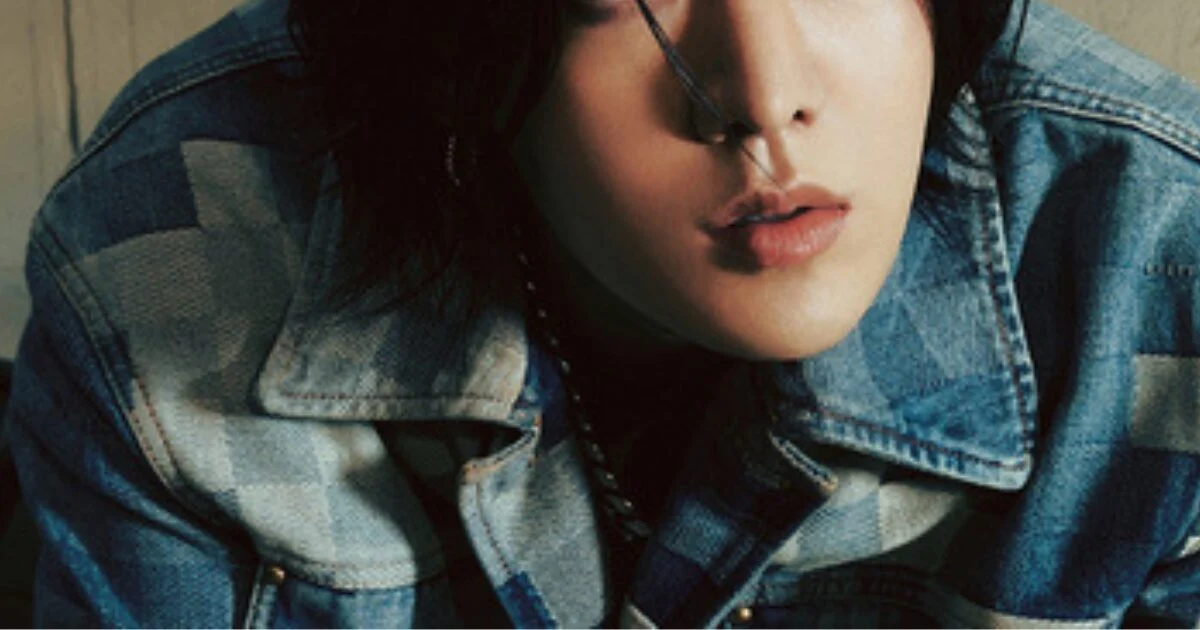
UK artist Fakemink has broken his silence following a wave of online criticism stemming from his recent performance at the renowned Rolling Loud festival. The controversy arrives as the artist prepares to launch his highly anticipated sophomore album, "Terrified," later this month. This new project marks the follow-up to his critically acclaimed 2023 debut, "London’s Savior," a release that cemented his status as a significant voice within the UK music scene.
A High-Profile Set Under Scrutiny
Fakemink’s appearance at Rolling Loud represented one of his most prominent live showcases to date, a platform often utilized by artists to propel their careers to new heights. However, clips circulating widely on social media platforms captured moments from his set that were met with considerable backlash from viewers and critics. One particular clip, which appeared to show the artist performing a robotic dance move, drew sharp commentary regarding his stage presence and energy levels. This perceived misstep occurred in stark contrast to the enthusiastic reception afforded to fellow UK breakout artist Esdeekid, who also performed at the same festival and garnered widespread praise for his energetic delivery. The juxtaposition of these two performances amplified the scrutiny directed at Fakemink.
Fakemink Addresses Critics and Fans Via Social Media
In response to the online discourse, Fakemink took to his "Drilldance" Tumblr account, a platform he has previously used for communication with his fanbase. He issued two separate statements addressing the criticism, offering an apology to his supporters and attributing his performance struggles to undisclosed "health conditions."
The first statement, posted on his Tumblr, detailed the demanding nature of his recent touring schedule. "I have been working like a Dog," Fakemink wrote, "I have been doing 4/5 shows a week. No rest. If I was able to sleep the day of Rolling Loud, the performance would have been much better. I did 2 shows back to back before RL with no sleep in between any of the 3 shows. Mixed with the health conditions I have, this tour has been pushing me to the edge." He concluded this message with a promise: "I promise I will make it back up to You all."
In a subsequent post, Fakemink elaborated on his reasons for not disclosing the specifics of his health issues. "I will never speak on my health conditions because I do not desire pity from anybody u," he stated. He then addressed the online commentary directly: "But I saw some grown man ‘Ranting’ about Me and My lack of breath control. And I couldn’t help but realise that people really do not know anything about anything." He articulated his artistic philosophy, asserting, "I was not sent to this earth to spit flawless 16s, I was sent here to deliver a certain message through the Music I make." He reiterated the intensity of his recent schedule, stating, "I have been doing 5 shows a week, sacrificing a piece of my health only because I want My supporters to enjoy themselves." Fakemink concluded by emphasizing his artistic autonomy and the spiritual dimension of his message: "But I was not sent to this Earth to dance around and perform in a specific way for no Man. I Love every single one of You, but I need You all to understand. We are not Court Fools or Jesters. Me, Rosh & Tina are simply just Messengers."
The Context of Rolling Loud and Artist Expectations
Rolling Loud, established in 2015, has grown into one of the world’s premier hip-hop festivals, drawing massive crowds and showcasing a diverse range of artists from established headliners to emerging talents. For artists like Fakemink, performing at Rolling Loud offers an invaluable opportunity to connect with a global audience and gain significant exposure. The festival’s high-energy environment and the expectations of a discerning hip-hop fanbase place considerable pressure on performers to deliver captivating and memorable sets.
The online dissemination of performance clips, particularly through platforms like X (formerly Twitter) and TikTok, has amplified the impact of any perceived missteps. These clips can quickly go viral, shaping public perception before an artist has an opportunity to provide context or explanation. In Fakemink’s case, the rapid spread of critical commentary highlights the power of social media in shaping narratives around live performances.
A Demanding Schedule and the Toll on Artists
Fakemink’s statements shed light on the grueling reality of touring for many emerging artists. Performing multiple shows per week, often with minimal rest, is a common practice aimed at maximizing visibility and revenue. This relentless schedule, coupled with the physical and mental demands of live performance, can take a significant toll on an artist’s well-being. The mention of "health conditions" suggests that Fakemink may be dealing with pre-existing issues that are exacerbated by the strenuous touring regimen.
The music industry, particularly in genres like drill and hip-hop, often places a premium on raw energy and stage presence. Audiences at festivals like Rolling Loud often expect a dynamic and engaging performance that includes crowd interaction and energetic delivery. When an artist deviates from these perceived norms, it can lead to disappointment and criticism, especially if the underlying reasons for the deviation are not immediately apparent.
Fact-Based Analysis of Implications
1. Impact on Album Sales and Public Perception: The negative buzz surrounding Fakemink’s Rolling Loud performance, if not effectively managed, could potentially impact the initial reception of his new album, "Terrified." While dedicated fans are likely to remain supportive, a broader audience may approach the release with reservations. However, his candid response, particularly his emphasis on artistic messaging over traditional performance metrics, might resonate with a segment of listeners who value authenticity and deeper artistic intent.
2. The Role of Health in Performance: Fakemink’s situation underscores a broader conversation about the physical and mental health of touring musicians. The intense demands of the industry often lead artists to push their limits, sometimes with significant consequences. The lack of readily available support systems and the pressure to perform regardless of personal well-being are critical issues within the music ecosystem. His willingness to allude to health issues, without seeking pity, may encourage a more empathetic understanding of the challenges faced by artists.
3. Shifting Expectations of Live Performance: The artist’s assertion that he is a "messenger" rather than a "court jester" suggests a potential challenge to conventional expectations of live hip-hop performances. While high-energy shows are often celebrated, Fakemink’s articulation of his artistic purpose implies a desire for audiences to engage with his music on a more profound, message-driven level. This could represent a nascent shift in how some artists approach their live sets, prioritizing thematic delivery over purely theatrical spectacle.
4. The Power of Social Media Narrative Control: Fakemink’s use of Tumblr to address the controversy demonstrates a strategic approach to managing his public narrative. By providing a direct, unfiltered response, he bypasses the often-sensationalized reporting that can accompany viral social media moments. This highlights the importance of artists having direct channels of communication with their fans to control their own stories.
5. Industry Precedent and Support Systems: The frequency of demanding schedules for artists like Fakemink raises questions about the support structures in place within the music industry. Are artists adequately compensated and supported to ensure their physical and mental well-being while touring extensively? The prolonged periods of no rest and the mention of health conditions suggest that there may be systemic issues that need addressing. Industry stakeholders, including labels, promoters, and management, play a crucial role in mitigating these risks.
Looking Ahead: "Terrified" and Artistic Evolution
The release of "Terrified" is now positioned at a critical juncture. Fakemink’s response to the Rolling Loud controversy has added a layer of complexity to the anticipation surrounding the album. His fans will be eager to hear how he translates his artistic message and personal experiences into his new body of work. The album has the potential to either reinforce his artistic vision or signal a period of re-evaluation and growth.
The artist’s statement that he and his collaborators, Rosh and Tina, are "simply just Messengers" suggests a cohesive artistic unit with a shared purpose. This collaborative aspect could be a significant element in the narrative of "Terrified," potentially offering a more layered and impactful listening experience. As Fakemink navigates this period of public scrutiny and prepares to release his latest project, the music industry will be watching to see how he evolves and solidifies his unique place within the contemporary soundscape. The conversation initiated by his Rolling Loud performance, though contentious, may ultimately serve to deepen the understanding and appreciation of his artistic journey.