Aveline Kirana
The Napoli Public Prosecutor’s Office has initiated a significant investigation into the financial management of the renowned Teatro San Carlo, a venerable opera house with a rich history. The inquiry has led to 12 individuals being placed on the list of suspects, including prominent figures from the theater’s former leadership and several internationally recognized artists. This developing situation raises serious questions about the integrity of financial dealings within one of Italy’s most esteemed cultural institutions.
Scope of the Investigation and Key Figures Involved
At the heart of the investigation are allegations of fraud, embezzlement, and forgery. According to reports from La Repubblica, the Napoli Prosecutor’s Office is meticulously examining a series of financial transactions that have raised red flags. Among the 12 individuals under scrutiny are former Superintendent Stephane Lissner and former Director General Emmanuela Spedaliere, both of whom held significant decision-making power during the period under review.
The investigation extends beyond former management to encompass several internationally acclaimed artists. Notably, the list of suspects includes celebrated tenor Jonas Kaufmann, acclaimed director Krzysztof Warlikowski, and prominent soprano Asmik Grigorian. The involvement of such high-profile figures underscores the breadth and seriousness of the financial irregularities alleged.
Allegations of Misappropriated Funds and Unfulfilled Services
Specific details emerging from the investigation highlight concerning financial practices. Investigators are reportedly focusing on payments totaling 200,000 euros that were allegedly made to artists for masterclasses and seminars that, according to preliminary findings, never actually took place. Such payments, if proven to be unsubstantiated, would represent a significant misuse of public or private funds designated for educational or artistic programming.
Furthermore, the investigation is delving into activities connected to the Officine San Carlo in Vigliena, a branch of the main theater. This aspect of the inquiry centers on a transfer of 350,000 euros from Emmanuela Spedaliere to Michele Mangini Sorrentino, who serves as the artistic director of Officine San Carlo. The alleged improper use of the Officine for certain performances is also under intense scrutiny. The Officine San Carlo, intended as a space for artistic creation, training, and outreach, is a crucial component of the Teatro San Carlo’s broader mission, making any financial impropriety related to its operations particularly sensitive.
Background Context of Teatro San Carlo and its Leadership
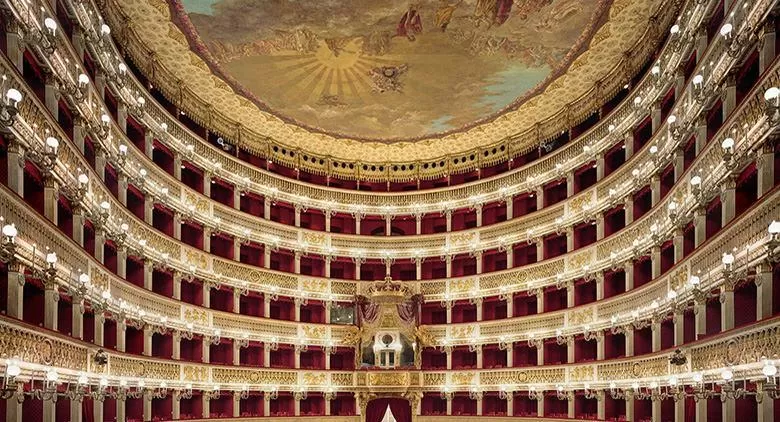
The Teatro San Carlo, inaugurated in 1737, is one of the oldest continuously active opera houses in the world. Its storied history is intertwined with the cultural and artistic heritage of Italy and Europe. The institution has long been a beacon of operatic excellence, attracting world-class talent and audiences.
Stephane Lissner, a French impresario, served as Superintendent of the Teatro San Carlo from 2014 to 2019. His tenure was marked by ambitious programming and efforts to enhance the theater’s international profile. Emmanuela Spedaliere held the position of Director General during overlapping periods, responsible for the administrative and financial operations of the theater. Their leadership roles placed them at the nexus of financial decisions and artistic partnerships.
The involvement of artists like Jonas Kaufmann, a globally recognized operatic star, raises particular interest. Kaufmann has built a formidable career, known for his powerful voice and dramatic interpretations. His participation in masterclasses or workshops, even as a guest, would typically involve significant fees, making the alleged non-delivery of these services a critical point of investigation. Similarly, Krzysztof Warlikowski, a Polish theater and opera director, and Asmik Grigorian, an Armenian-Austrian soprano, are highly respected artists whose names appearing in such an investigation would inevitably draw widespread attention.
Chronology of the Investigation (Inferred)
While a precise timeline of the investigation is not publicly detailed, the process typically involves several stages:
- Initial Suspicion and Information Gathering: Law enforcement or investigative bodies receive information or tip-offs regarding potential financial irregularities. This could stem from internal audits, whistleblower accounts, or public complaints.
- Preliminary Investigation: Prosecutors initiate a preliminary inquiry to gather initial evidence, conduct interviews, and assess the validity of the suspicions. This phase may involve forensic accounting and the review of financial records.
- Formal Investigation and Suspect Designation: If sufficient grounds are established, a formal investigation is launched. This is when individuals are formally entered into the register of suspects, granting investigators broader powers to gather evidence, including seizing documents and conducting searches. The current announcement by the Napoli Public Prosecutor’s Office signifies this stage.
- Evidence Collection and Analysis: Investigators meticulously collect and analyze all relevant evidence, including financial statements, contracts, correspondence, and witness testimonies.
- Potential Indictment and Trial: If the evidence supports criminal charges, prosecutors will seek indictments, leading to a formal trial where the accused will have the opportunity to defend themselves.
Given the nature of the allegations, it is plausible that this investigation has been underway for a considerable period before the formal designation of suspects. The complexity of financial records and the international profile of some individuals involved would necessitate a thorough and potentially lengthy investigative process.
Official Responses and Denials
In the wake of the news, some of the individuals implicated have begun to issue statements. Jonas Kaufmann, through his public channels, has vociferously denied any wrongdoing. In a statement, he expressed surprise at being associated with the investigation and affirmed his commitment to fulfilling his contractual obligations. "I have been aware of certain rumours concerning an investigation at the Teatro San Carlo for some time," Kaufmann stated. "In my believe, it is only correct that the allocation of any public funds is carefully scrutinised. In this case, I am rather surprised to see my name associated with an investigation. All I can say is that I have met my contractual obligations in full." This statement suggests that Kaufmann believes his involvement was solely within the parameters of his contracted artistic services and that he has no knowledge of or involvement in any financial impropriety.
As of the latest reports, there have been no official statements from Stephane Lissner, Emmanuela Spedaliere, Krzysztof Warlikowski, or Asmik Grigorian. It is common in such investigations for individuals to either remain silent, through legal counsel, or to issue carefully worded statements after consulting with their legal representatives. The Teatro San Carlo itself, as an institution, may also issue a statement acknowledging the investigation and cooperating fully with the authorities, while emphasizing its commitment to transparency and good governance.
Broader Implications for Teatro San Carlo and the Arts Sector
The investigation into the Teatro San Carlo’s financial management carries significant implications for the institution and the wider arts sector.
- Reputational Damage: Allegations of fraud and embezzlement can severely damage the reputation of any organization, particularly a cultural institution that relies on public trust and support. This could impact future fundraising efforts, ticket sales, and partnerships.
- Financial Scrutiny: The investigation is likely to trigger more rigorous financial oversight and auditing processes for the Teatro San Carlo and potentially other major cultural bodies in Italy. This could lead to increased bureaucratic procedures but also enhance accountability.
- Artistic Freedom and Collaboration: The involvement of prominent artists in a financial investigation could create a chilling effect on artistic collaborations and the willingness of international talent to engage with Italian cultural institutions. It is crucial that the investigation distinguishes between legitimate artistic contracts and any alleged fraudulent activities.
- Public Trust: For publicly funded or subsidized institutions like the Teatro San Carlo, maintaining public trust is paramount. Any perception of financial mismanagement can erode this trust and lead to calls for greater accountability from governing bodies and taxpayers.
- Legal Ramifications: If found guilty, individuals could face severe legal penalties, including fines and imprisonment. The theater itself could also face sanctions or be required to implement significant structural changes in its financial governance.
The investigation into the Teatro San Carlo’s financial dealings is a stark reminder of the constant need for vigilance and transparency in the management of cultural institutions. As the Napoli Prosecutor’s Office continues its work, the arts community and the public will be closely watching for further developments and the ultimate resolution of these serious allegations. The outcome will undoubtedly shape future financial practices and governance within Italy’s rich artistic landscape.