Aveline Kirana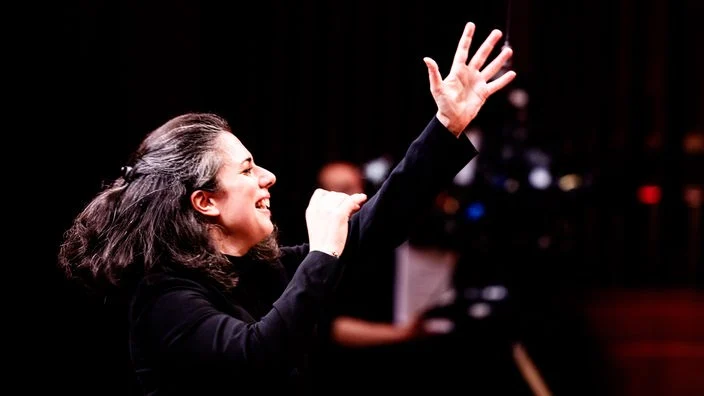
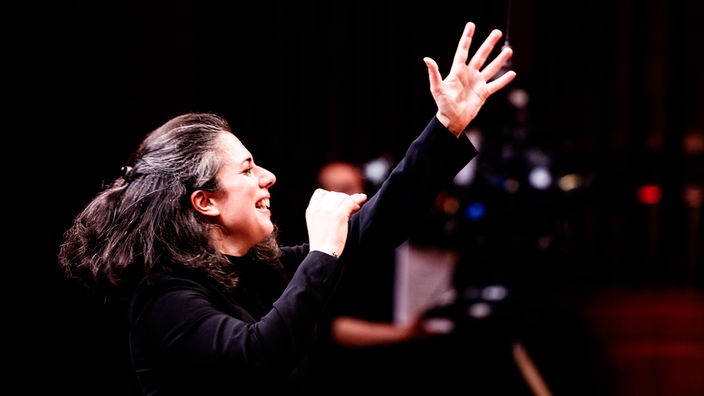
The WDR Sinfonieorchester, one of Germany’s most esteemed broadcast orchestras, has announced the appointment of Marie Jacquot as its new Chief Conductor. The celebrated French conductor will assume the prestigious role starting with the 2026-27 season, marking a significant milestone in her rapidly ascending international career. This appointment underscores the WDR Sinfonieorchester’s commitment to artistic excellence and its forward-looking vision in selecting a conductor of exceptional talent and broad stylistic command.
Jacquot’s tenure with the WDR Sinfonieorchester is poised to build upon a distinguished trajectory that has seen her captivate audiences and critics alike across the globe. Her appointment follows a period of intense scrutiny and a rigorous selection process by the orchestra and its governing bodies. The WDR Sinfonieorchester, renowned for its adventurous programming, commitment to new music, and impeccable standards of performance, has consistently attracted leading conductors. Jacquot’s arrival signals a new chapter for the ensemble, promising a fresh wave of artistic interpretation and innovation.
A Career Ascending at Breakneck Speed
Marie Jacquot’s rise to prominence has been nothing short of meteoric. Her appointment as Chief Conductor of the WDR Sinfonieorchester is the latest in a series of high-profile positions that reflect her growing stature in the classical music world. Prior to this announcement, she was slated to become the Principal Conductor of the Royal Danish Theatre Copenhagen for the 2024-25 season, a testament to her versatility and appeal across different operatic and symphonic contexts. This dual commitment, while demanding, speaks volumes about her capacity and the confidence placed in her by major musical institutions.
Her experience extends beyond these principal roles, having frequently served as a guest conductor with some of the world’s most revered orchestras. The Vienna Symphony Orchestra, a cornerstone of the Viennese musical landscape, has benefited from her insightful interpretations. This consistent engagement with elite ensembles has provided her with invaluable experience and solidified her reputation as a conductor capable of leading orchestras of the highest caliber.
A Repertoire of Breadth and Depth
Jacquot’s artistic vision is characterized by a remarkably broad repertoire, spanning centuries of musical innovation. Her programming choices demonstrate a deep engagement with both historical masterpieces and cutting-edge contemporary works. From the Baroque intricacies of Henry Purcell to the complex sonic landscapes of modern composers, Jacquot has proven her ability to navigate and illuminate diverse musical styles. This versatility is a crucial asset for an orchestra like the WDR Sinfonieorchester, which regularly engages with a wide array of musical periods and genres.
Her conducting engagements have taken her to an impressive roster of international orchestras. These include:
- The BBC Symphony Orchestra: Known for its commitment to contemporary music and its Proms performances, this collaboration highlights Jacquot’s engagement with the avant-garde.
- The Cleveland Orchestra: Widely regarded as one of the finest orchestras in the United States, this engagement speaks to her ability to command the attention of elite American ensembles.
- The Orchestre National de France: A flagship orchestra of French musical life, her appearances here underscore her connection to her national musical heritage.
- The Oslo Philharmonic: Renowned for its rich sound and strong artistic leadership, this collaboration signifies her standing in the Nordic music scene.
- The Swedish Radio Symphony Orchestra: Another prominent Scandinavian ensemble, further demonstrating her international reach.
- The Symphonieorchester des Bayerischen Rundfunks: A highly respected German orchestra with a significant broadcasting history, mirroring the WDR’s own mission.
- The Orchestre Symphonique de Montréal: A leading Canadian orchestra, showcasing her influence in North America.
- The Yomiuri Nippon Symphony Orchestra: Her performances with this Japanese ensemble highlight her global appeal and the orchestra’s commitment to international collaboration.
Beyond the symphonic realm, Jacquot has also made a significant impact on the opera stage. Her conducting has graced prestigious opera houses, including:
- The Royal Opera House, London: A world-renowned center for opera and ballet, her appearances here are a mark of exceptional achievement.
- The Semperoper, Dresden: This historic opera house is a bastion of operatic tradition, and her presence signifies her command of the operatic repertoire.
- Oper Frankfurt: Known for its innovative productions and acclaimed musical standards, this engagement reflects her commitment to dramatic musical storytelling.
- Bayerische Staatsoper, Munich: One of Europe’s leading opera houses, this collaboration further solidifies her credentials as an operatic conductor.
This extensive list of engagements provides substantial evidence of Jacquot’s broad appeal and her ability to connect with musicians and audiences across continents and in various performance settings.
Background and Context of the Appointment
The WDR Sinfonieorchester has a long and storied history, tracing its origins back to the early days of radio broadcasting in Germany. Established in 1947, the orchestra has been a vital cultural institution, not only serving the public through radio broadcasts but also through extensive concert seasons and international tours. The orchestra’s mission has always been to champion a diverse repertoire, commission new works, and foster musical education. Its role extends beyond mere performance; it acts as a cultural ambassador for West German and later unified German musical heritage.
The position of Chief Conductor is one of immense responsibility and artistic influence. Previous holders of this esteemed post have included legendary figures who have shaped the orchestra’s sound and artistic direction for decades. The selection of a new Chief Conductor is typically a multi-year process involving thorough evaluations of candidates’ musicality, leadership skills, programming vision, and their ability to inspire and connect with both the orchestra and the wider public.
The timing of this announcement, with Jacquot set to assume her duties in the 2026-27 season, allows for a smooth transition. It provides ample opportunity for her to familiarize herself with the orchestra’s personnel, engage in preliminary planning, and begin to articulate her artistic vision for the ensemble’s future. This forward-looking approach is characteristic of well-managed orchestras aiming for sustained artistic growth.
Chronology of Jacquot’s Recent Career Milestones
To understand the significance of her appointment to the WDR Sinfonieorchester, it is useful to consider a brief chronology of her recent career trajectory:
- 2024-25 Season: Scheduled to commence her role as Principal Conductor of the Royal Danish Theatre Copenhagen. This position, particularly in an operatic context, showcases her developing versatility.
- Recent Past: Frequent and highly acclaimed guest conducting engagements with orchestras such as the Vienna Symphony Orchestra, BBC Symphony Orchestra, Cleveland Orchestra, Orchestre National de France, Oslo Philharmonic, Swedish Radio Symphony Orchestra, Symphonieorchester des Bayerischen Rundfunks, Orchestre Symphonique de Montréal, and Yomiuri Nippon Symphony Orchestra.
- Ongoing: Continued performances at major opera houses including the Royal Opera House, Semperoper Dresden, Oper Frankfurt, and Bayerische Staatsoper.
- Leading up to 2026-27 Season: Preparatory work and artistic planning for her tenure as Chief Conductor of the WDR Sinfonieorchester.
This timeline illustrates a consistent and upward trend in her career, marked by increasing responsibilities and engagements with increasingly prestigious institutions.
Supporting Data and Broader Implications
The appointment of Marie Jacquot to the WDR Sinfonieorchester is more than just a personnel change; it carries significant implications for the orchestra, the city of Cologne, and the broader landscape of classical music.
Artistic Direction and Programming: Jacquot’s diverse repertoire suggests a future season programming that will likely balance established masterpieces with a strong emphasis on contemporary works and potentially neglected repertoire. Her experience with both symphonic and operatic genres indicates a conductor with a holistic understanding of musical performance, which can lead to richer and more varied concert offerings. The WDR Sinfonieorchester’s established reputation for innovation will likely be further amplified under her leadership.
Orchestral Development: A new Chief Conductor often brings a fresh perspective that can invigorate an orchestra. Jacquot’s dynamic conducting style and her ability to elicit nuanced performances are expected to push the WDR Sinfonieorchester to new artistic heights. Her engagement with a wide range of orchestras suggests a conductor who is adept at adapting to different orchestral sounds and traditions, fostering a collaborative and inspiring working environment.
International Profile: The WDR Sinfonieorchester, already a significant international player, is likely to see its global profile enhanced by Jacquot’s connections and her reputation. Her ongoing international guest conducting engagements will invariably bring greater attention to the orchestra she leads. This can translate into more touring opportunities, prestigious festival invitations, and increased recognition on the international concert circuit.
Gender Representation in Conducting: The appointment of Marie Jacquot to such a prominent role continues a positive trend of increasing representation for women in top conducting positions. While progress is ongoing, such appointments serve as crucial benchmarks and inspirations for aspiring female conductors, demonstrating that talent and leadership know no gender. This aligns with broader societal shifts towards greater inclusivity in all professional fields.
The Role of Broadcast Orchestras: As a broadcast orchestra, the WDR Sinfonieorchester plays a unique role in disseminating classical music to a wide audience. Jacquot’s leadership will undoubtedly influence the content and quality of these broadcasts, potentially reaching new listeners and engaging existing ones with fresh interpretations. Her embrace of contemporary music is particularly relevant in this context, as broadcast platforms are ideal for introducing audiences to new artistic frontiers.
Potential Statements and Reactions (Inferred)
While direct quotes from Jacquot or WDR officials are not provided in the initial information, one can logically infer the tenor of their sentiments.
From Marie Jacquot (Inferred): It is highly probable that Jacquot would express immense enthusiasm and a deep sense of honor in accepting the position. She would likely speak of her admiration for the WDR Sinfonieorchester’s rich history and artistic legacy, and articulate her excitement about collaborating with its talented musicians. Her focus would likely be on building upon the orchestra’s strengths and exploring new artistic avenues together, perhaps highlighting her commitment to both the core repertoire and the music of our time.
From the WDR Sinfonieorchester (Inferred): The orchestra’s leadership would likely emphasize Jacquot’s exceptional talent, her dynamic energy, and her visionary approach to music-making. They would probably highlight her proven ability to connect with musicians and audiences, and express confidence in her capacity to lead the orchestra into a successful and artistically fulfilling future. The announcement would likely be framed as a strategic move to further elevate the orchestra’s standing on the international stage.
From the WDR Director or Cultural Representatives (Inferred): Officials from the Westdeutscher Rundfunk (WDR) and potentially the cultural ministries would likely underscore the importance of the WDR Sinfonieorchester as a cultural cornerstone and express their full support for this appointment. They might speak about Jacquot’s potential to enrich the cultural landscape of Cologne and beyond, and her role in continuing the tradition of musical excellence associated with the WDR.
Conclusion
The appointment of Marie Jacquot as Chief Conductor of the WDR Sinfonieorchester represents a significant and exciting development in the classical music world. Her impressive career trajectory, broad repertoire, and proven ability to lead world-class ensembles position her as an ideal candidate to guide this esteemed orchestra into its next era. The 2026-27 season promises a dynamic and artistically vibrant future for the WDR Sinfonieorchester under her distinguished leadership, further solidifying its reputation as a beacon of musical excellence in Germany and on the international stage.