Aveline Kirana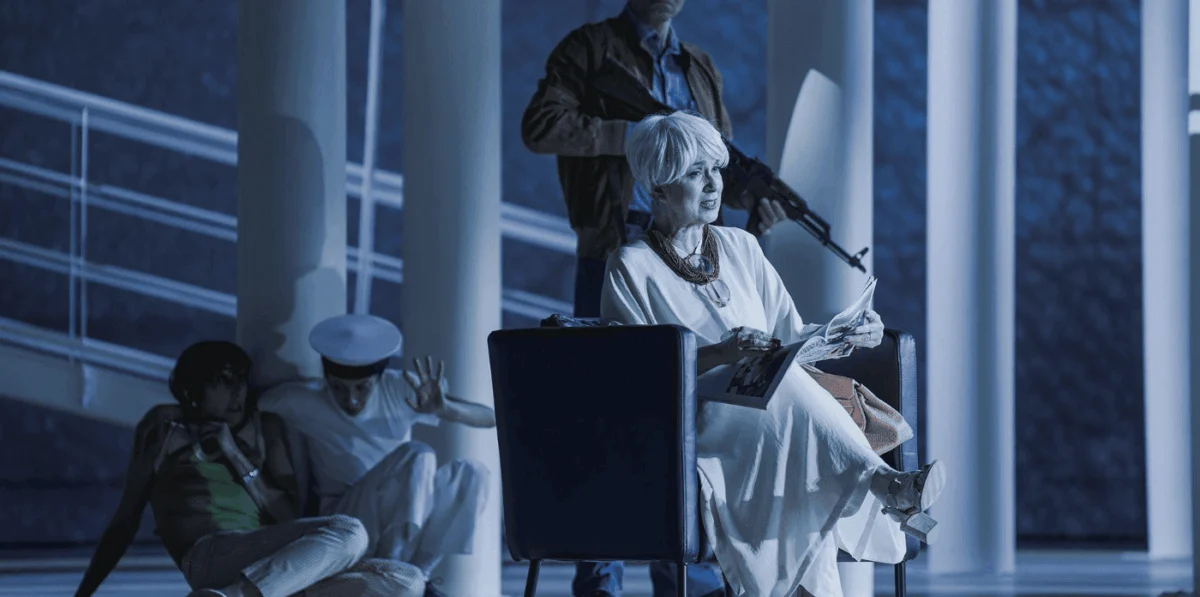
The Maggio Musicale Fiorentino is set to stage John Adams’ controversial opera, "The Death of Klinghoffer," for the first time in a high-profile production helmed by acclaimed director Luca Guadagnino. The opera, which delves into the tragic events surrounding the 1985 hijacking of the Achille Lauro cruise ship and the murder of its Jewish-American passenger, Leon Klinghoffer, promises a thought-provoking and emotionally resonant experience for audiences. This significant artistic undertaking marks a pivotal moment for the Teatro del Maggio, bringing a complex and historically charged work to the Florentine stage.
Among the distinguished cast is mezzo-soprano Marina Comparato, who returns to Florence to embody the roles of the Swiss Grandmother and the Austrian Woman. Comparato’s established artistic rapport with the Teatro del Maggio underscores her deep connection to the venue and her commitment to engaging with significant operatic repertoire. Her participation in this production highlights the caliber of talent drawn to this ambitious staging.
Comparato articulated the profound emotional weight of performing "The Death of Klinghoffer," particularly in the current global climate. "Performing ‘The Death of Klinghoffer’ at a time when the winds of war are blowing so fiercely is not easy," she stated. "The opera recounts a deeply tragic episode. My invitation is not to stop at the title, but to engage with the many layers and viewpoints of this story that, sadly, still speaks to the present, giving voice to those who have none." She further elaborated on Guadagnino’s directorial vision, quoting him: "I hope this production offers ‘the ability to look with compassion, within the complexity of the human condition, at the tragedy unfolding before us.’ That, ultimately, has always been the purpose of theatre." This sentiment suggests a directorial approach focused on empathy and nuanced human understanding, aiming to move beyond a purely political or historical interpretation towards a more universal exploration of suffering and conflict.
A Legacy of Performance and Repertoire
Marina Comparato has cultivated a distinguished career, recognized for her mastery of Mozart roles and her profound appreciation for Baroque and Romantic music. Her extensive performance history includes engagements at prestigious institutions such as the Teatro del Maggio, Teatro San Carlo in Naples, La Fenice in Venice, Teatro Carlo Felice in Genoa, Teatro Comunale di Bologna, Teatro Real in Madrid, and the renowned Glyndebourne Festival. This breadth of experience and her specialization in demanding repertoire position her as a formidable interpreter for the complexities inherent in "The Death of Klinghoffer." Her return to Florence is particularly noteworthy, signifying a continuation of a successful artistic dialogue with the Teatro del Maggio.
The Historical Context of "The Death of Klinghoffer"
The opera’s subject matter is rooted in a real-life tragedy that garnered international attention and sparked considerable debate. On October 7, 1985, Leon Klinghoffer, a 69-year-old retired businessman who was paralyzed from the waist down, was murdered by Palestinian terrorists who had hijacked the Achille Lauro. The hijackers, members of the Palestine Liberation Front (PLF), demanded the release of Palestinian prisoners. Klinghoffer’s death, and the subsequent disposal of his body overboard, sent shockwaves across the globe. The opera, with a libretto by Alice Goodman, premiered in 1991 and has since been a subject of intense discussion due to its attempt to explore the perspectives of the hijackers and other characters involved, alongside the victims. Critics and audiences have grappled with its portrayal of terrorism, political motivations, and the human cost of conflict. The opera’s libretto itself has been a focal point of controversy, with some finding it a sensitive exploration of complex human motivations and others deeming it sympathetic to terrorists.
Production Details and Wider Accessibility
Luca Guadagnino, celebrated for his visually stunning and emotionally resonant films such as "Call Me By Your Name" and "I Am Love," brings his distinctive directorial sensibility to the operatic stage. His involvement in this production is anticipated to lend a unique artistic vision, potentially focusing on the psychological depth of the characters and the visceral impact of the narrative. The production’s premiere in Florence is expected to draw significant critical attention, both for its artistic merit and its controversial subject matter.

For those unable to attend the performances in Florence, the Maggio Musicale Fiorentino has ensured broader access to this significant operatic event. The production will be broadcast on Rai Radio 3 and Rai 5, allowing a national audience to experience the opera. This commitment to wider dissemination reflects a growing trend in opera houses to leverage broadcast and digital platforms to reach a more diverse and geographically dispersed audience, thereby democratizing access to the art form.
Marina Comparato’s Upcoming Engagements
Following her performances in Florence, Marina Comparato is slated to return to the Teatro La Fenice in Venice this June. This further reinforces her active and significant presence on the Italian operatic scene, showcasing her continued commitment to performing a diverse and challenging repertoire.
Discography and Artistic Output
For enthusiasts eager to explore Marina Comparato’s artistry beyond live performances, her latest album, "Romantic Florence," released by Dynamic, offers a curated selection of repertoire that highlights her interpretive skills. This recording provides an opportunity for listeners to engage with her musicianship and thematic interests, particularly her affinity for the Romantic era.
The inclusion of embedded YouTube videos within the original article suggests a potential visual or auditory component related to the artist or the opera. While these are not directly part of the news report’s narrative, they represent supplementary material that can enrich a reader’s understanding and engagement with the subject. These could range from interviews, performance excerpts, or promotional material related to the opera or the artist’s career.
Analysis of Implications and Artistic Significance
The staging of "The Death of Klinghoffer" by a major operatic institution like the Maggio Musicale Fiorentino is a significant cultural event. The opera’s enduring controversy stems from its attempt to humanize perpetrators of violence and explore the political grievances that fuel such acts, often at the expense of a straightforward condemnation. This approach challenges audiences to confront uncomfortable truths about the complexities of conflict and the often-blurry lines between victim and perpetrator in the eyes of history.
Guadagnino’s directorial interpretation is poised to be a key factor in how the opera is received. His cinematic background often emphasizes visual storytelling and emotional nuance, which could lead to a production that prioritizes the psychological dimensions of the characters and the tragic human cost of the events. This approach might aim to foster empathy and understanding, even in the face of abhorrent actions, aligning with Comparato’s stated desire to "give voice to those who have none."
The decision to perform this opera at this particular moment in time, as highlighted by Comparato, imbues the production with a heightened sense of urgency and relevance. In an era marked by ongoing geopolitical instability and recurrent acts of terrorism, the opera’s themes of political extremism, cultural conflict, and the devastating impact on individual lives resonate profoundly. The Teatro del Maggio’s commitment to presenting such a work signals its role as a platform for critical dialogue and reflection on contemporary issues through the medium of opera. The careful consideration of providing broadcast access further underscores a dedication to engaging a broad audience in these vital conversations. The opera’s persistent ability to provoke debate is a testament to its power as a work of art that grapples with the most challenging aspects of the human condition.