Indra Aziz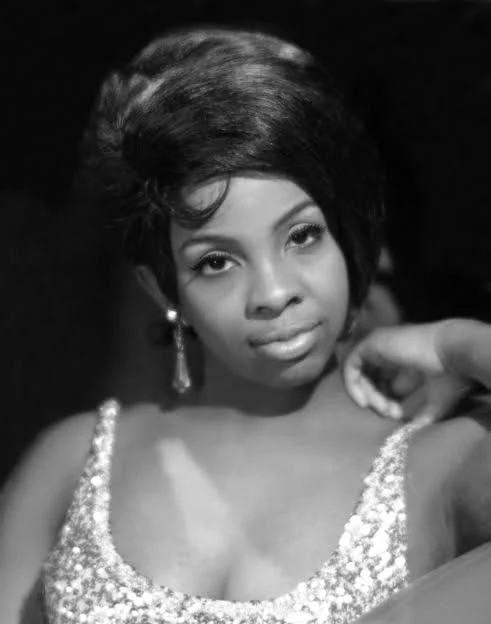
The digital age, with its relentless churn of new releases and fleeting trends, often prompts a nostalgic contemplation of musical history. While contemporary artistry undeniably fuels cultural discourse, the enduring power of established classics offers a unique pathway to understanding emotional depth and narrative complexity. A prime example of this enduring power is the 1973 soul masterpiece, "Midnight Train to Georgia," performed by Gladys Knight & the Pips. This iconic track, far from being merely a relic of a bygone era, continues to resonate with audiences due to its masterful storytelling, sophisticated musical arrangement, and profound exploration of love, sacrifice, and commitment.
The Genesis of a Classic: From "Houston" to "Georgia"
The inspiration behind "Midnight Train to Georgia" is as fascinating as the song itself. Songwriter Jim Weatherly, in an interview with the Los Angeles Times in 1973, recounted how the song’s initial spark came from a telephone conversation he overheard between actors Lee Majors and Farrah Fawcett. Fawcett, at the time, was reportedly planning a trip back to her hometown of Houston. Weatherly heard her mention taking the "midnight plane to Houston," and this phrase immediately ignited his creative process.
Initially, Weatherly penned the song as "Midnight Plane to Houston." However, when Gladys Knight and the Pips became interested in recording the track, they sought to imbue it with their unique artistic identity. This led to a pivotal decision: altering the mode of transport from a plane to a train and changing the destination from Houston to Georgia. This alteration was not merely cosmetic; it served to ground the narrative in a more intimate, perhaps more emotionally resonant, journey. The imagery of a train journey evokes a sense of slower progression, introspection, and a deliberate commitment, contrasting with the relative speed and transient nature of air travel. This subtle yet significant shift allowed the song to feel more personal to the group and, as it turned out, to a vast audience.
A Masterclass in Musical Storytelling and Arrangement
The brilliance of "Midnight Train to Georgia" lies not only in its lyrical narrative but also in its impeccable musical execution. The song opens with a distinctive snare roll that immediately commands attention, setting a tone of urgency and anticipation. This is swiftly followed by a series of sharp, syncopated horn stabs that act as a musical counterpoint to the unfolding story. These horn phrases are not mere embellishments; they engage in a dynamic dialogue with the rest of the band, mirroring the emotional push and pull experienced by the song’s protagonist. This sophisticated interplay between rhythm, melody, and instrumentation creates a rich sonic landscape that draws the listener deep into the narrative.
Gladys Knight’s vocal performance is, of course, central to the song’s impact. Her delivery is a masterclass in emotive singing, conveying vulnerability, strength, and unwavering resolve. She navigates the song’s emotional arc with remarkable grace, from the initial apprehension of her man’s situation to the resolute decision to accompany him. Her voice carries the weight of the story, allowing listeners to not only hear but feel the dilemma and the profound love that underpins the decision.
Equally crucial to the song’s success are the contributions of The Pips. Far from being passive background vocalists, they serve as a crucial support system within the narrative. Their harmonized interjections, their rhythmic affirmations, and their powerful backing vocals actively bolster Gladys Knight’s lead. They embody the unwavering support and collective strength that defines the song’s central theme. The dynamic between Gladys Knight and The Pips is a testament to their synergy as a group, creating a layered vocal tapestry that enhances the song’s emotional resonance. As one might interpret the song from Gladys’s perspective, then from The Pips’ collective voice, and finally as a unified whole, the song’s complexity and depth are amplified. This collaborative spirit within the performance itself underscores the theme of shared commitment and unwavering solidarity.
Contextualizing the Song’s Release and Impact
Released in 1973, "Midnight Train to Georgia" emerged during a fertile period for soul music. The genre was characterized by its rich vocal traditions, sophisticated arrangements, and often socially conscious or deeply personal lyrical themes. Gladys Knight & the Pips, already established artists with a string of hits, were at the height of their powers. Their decision to record Weatherly’s song proved to be a masterstroke, catapulting them to even greater heights of critical and commercial success.
The song was released as a single from their album of the same name. It quickly ascended the charts, reaching number one on both the Billboard Hot 100 and the Billboard Hot Soul Singles charts. Its success was not confined to the United States; it achieved significant international recognition, solidifying its status as a global phenomenon. The Grammy Awards recognized its excellence, awarding Gladys Knight & the Pips the Grammy for Best R&B Vocal Performance by a Duo, Group or Chorus in 1974. This prestigious accolade further cemented the song’s legacy as a landmark achievement in popular music.
The Narrative Arc: A Decision of Love and Loyalty
The narrative of "Midnight Train to Georgia" presents a compelling scenario of unwavering loyalty and the sacrifices often inherent in deep romantic relationships. The song’s protagonist learns that her man is in trouble and feels compelled to leave his current circumstances behind. The lyrics paint a vivid picture: "I’m going back to the place where I belong / And I won’t be back until I’ve gone." This establishes a sense of impending departure and a commitment to resolving whatever challenges he faces.
The pivotal moment arrives when he asks her to go with him. The initial reaction might be one of apprehension or questioning, but the song’s power lies in the protagonist’s immediate and unequivocal acceptance. "I’m going to Georgia," she declares, "for the eleventh hour." This signifies a selfless act of love, a willingness to abandon her own comfort and familiarity to stand by the person she cares for. The song doesn’t delve into the specifics of his troubles, nor does it offer a simplistic "happily ever after." Instead, it focuses on the strength of their bond and the courage it takes to face adversity together. This ambiguity allows listeners to project their own experiences and interpretations onto the narrative, making it universally relatable.
The Enduring Appeal: A Safe Space and an Emotional Guarantee
The original article touches upon a crucial aspect of appreciating older music: its ability to serve as a "safe space" and provide an "emotional guarantee." In a world of constant flux, familiar melodies and lyrical themes can offer a comforting anchor. The emotional landscape of "Midnight Train to Georgia" is one that many can navigate with ease, having perhaps encountered similar situations or feelings in their own lives. The song’s consistent narrative arc and resolved (though not necessarily easy) conclusion provide a sense of closure and catharsis that can be deeply satisfying.
Furthermore, "old music" often acts as a powerful mnemonic device, bookmarking significant moments in an individual’s life. The opening chords of "Midnight Train to Georgia" might instantly transport someone back to a specific memory, a particular person, or a formative experience. This personal connection amplifies the song’s impact, transforming it from a mere auditory experience into a deeply ingrained part of one’s personal history. The "baggage, attachments, bias and context" mentioned in the original piece are precisely what lend these older songs their profound and multifaceted meaning for individuals.
Beyond the Music: Cultural and Societal Reflections
The enduring success of "Midnight Train to Georgia" also speaks to broader cultural themes. The song’s emphasis on commitment and loyalty in relationships resonates across generations. In an era where relationships can often be perceived as more transient, the narrative of steadfast devotion presented in the song offers a timeless ideal. It highlights the importance of partnership, mutual support, and the willingness to face challenges as a united front.
Moreover, the song’s exploration of the decision to "go back to the place where I belong" can be interpreted through various lenses, including themes of identity, belonging, and the search for home. While the immediate context is romantic, the underlying sentiment of returning to one’s roots or a place of emotional truth is a universal human experience.
Legacy and Continued Relevance
Decades after its release, "Midnight Train to Georgia" continues to be celebrated and discovered by new audiences. Its inclusion in films, television shows, and its consistent presence on "greatest hits" lists ensure its ongoing visibility. The song’s influence can be seen in subsequent R&B and soul tracks that prioritize storytelling and emotional depth.
The ongoing fascination with this song underscores a fundamental truth about music: while new artists and sounds will always emerge, the power of a well-crafted, emotionally resonant piece of art transcends temporal boundaries. "Midnight Train to Georgia" remains a testament to the enduring power of masterful songwriting, exceptional vocal performance, and a narrative that speaks to the core of human experience – love, loyalty, and the courage to face the journey, wherever it may lead. Its continued presence in our cultural consciousness is not just a matter of nostalgia; it is a reflection of its intrinsic artistic merit and its profound ability to connect with listeners on a deeply emotional level, offering an "emotional guarantee" that few songs can replicate.