 Nana Wu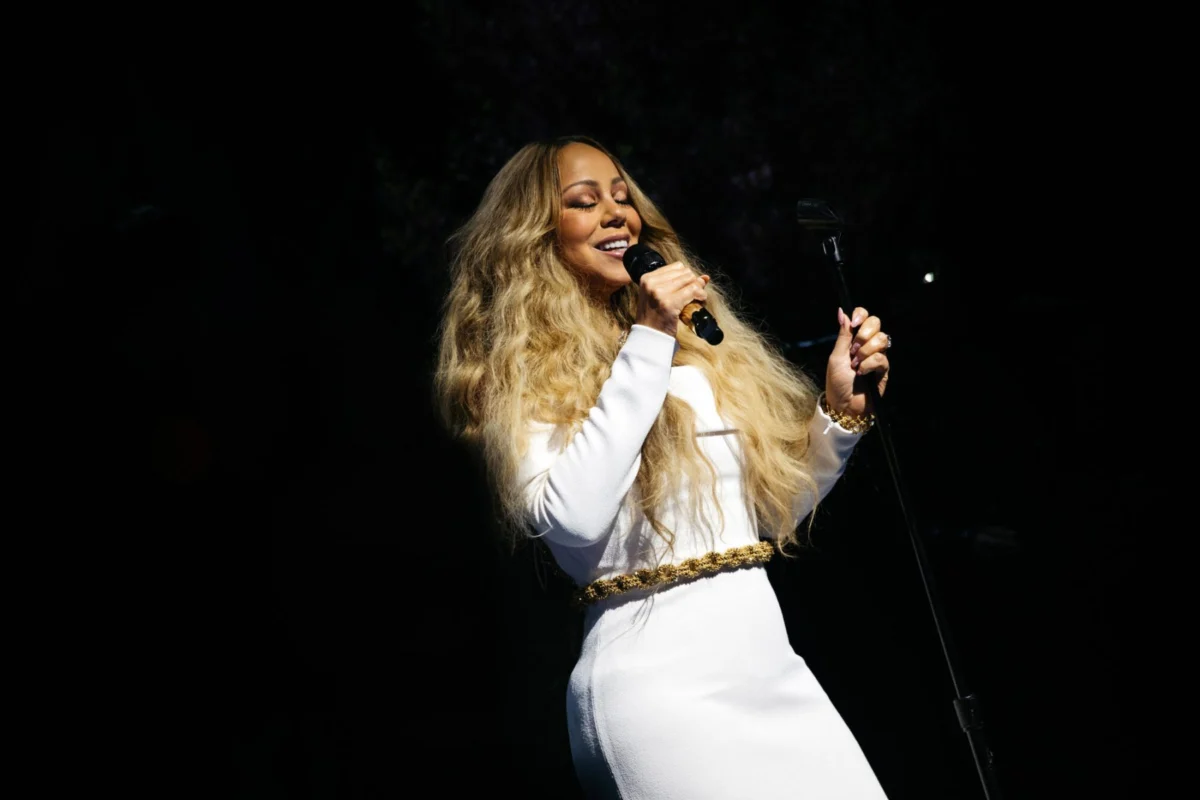
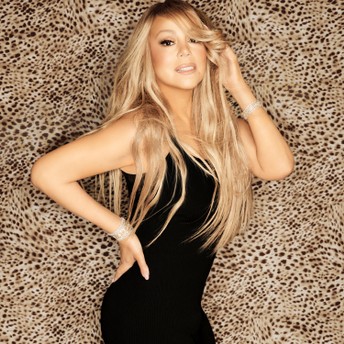
Global superstar Mariah Carey has once again found herself excluded from the prestigious Rock & Roll Hall of Fame, marking the third consecutive year she has been passed over for induction since her initial nomination in 2024. The announcement of the 2026 class, which includes a diverse array of artists spanning multiple genres, has reignited long-standing debates about the Hall’s criteria, its definition of "rock and roll," and the recognition of pop and R&B titans. Despite an illustrious career boasting unparalleled chart success, critical acclaim, and undeniable cultural impact, Carey’s consistent snub continues to puzzle fans and music industry observers alike, prompting renewed discussions on the true scope of musical influence deemed worthy of the institution’s highest honor.
A Diva’s Disregard: Carey’s Poised Reaction to the Snub
Responding to questions from TMZ in Manhattan on Monday, April 20, regarding her feelings about not making the cut, Mariah Carey remained characteristically unfazed. As she ascended into a luxury SUV, the Grammy-winning artist simply stated, "No," when asked if she was "peeved." Her message to the devoted "Lambily," her ardent fanbase who have vocally championed her induction, was equally succinct and appreciative: "I love my fans, always." When reminded of her extensive collection of existing awards and accolades, Carey shrugged off the slight with a dismissive, "Who cares? Like, give it to somebody else, fantastic." This composed reaction underscores a consistent theme in Carey’s public persona: an unwavering confidence in her established legacy that transcends the need for external validation from any single institution. Her remarks suggest that while the Rock & Roll Hall of Fame is an esteemed body, its recognition is not paramount to an artist whose career has already redefined pop music and set numerous industry benchmarks.
The Rock & Roll Hall of Fame: A Legacy of Debate and Definition
Established in 1983, the Rock & Roll Hall of Fame aims to recognize and archive the most significant and influential artists, producers, engineers, and other figures who have had a major impact on the development and evolution of rock and roll music. Inductees are chosen by a voting body comprising over 1,000 artists, historians, and music industry members, with a small percentage of the final vote also coming from a public fan ballot. Artists become eligible for induction 25 years after the release of their first commercial recording. While its name explicitly mentions "Rock & Roll," the Hall has historically broadened its scope to include artists from various genres such as R&B, soul, hip-hop, blues, and pop, recognizing their undeniable contributions to the broader musical landscape that rock and roll emerged from and continues to interact with. This expansive interpretation has, however, frequently been a source of contention, with debates often erupting over the inclusion of certain artists while others, seemingly more aligned with the "rock" ethos, are overlooked. Past controversies have ranged from the perceived underrepresentation of female artists and artists of color to the inclusion of acts far removed from traditional rock instrumentation or sound. The induction of artists like Madonna, Public Enemy, Grandmaster Flash & The Furious Five, and Whitney Houston, while celebrated by many, has consistently fueled discussions about where the boundaries of "rock and roll" truly lie.
Mariah Carey’s Unparalleled Journey: A Chronology of Influence and Achievement
Mariah Carey’s career trajectory offers a compelling case for her inclusion in any institution honoring musical pioneers. Born in Huntington, New York, Carey burst onto the music scene in 1990 with her eponymous debut album. Its lead single, "Vision of Love," immediately showcased her unprecedented five-octave vocal range, innovative use of melisma, and a signature whistle register that would become her trademark. The album produced four consecutive No. 1 singles on the Billboard Hot 100, a feat that cemented her as a formidable new force in pop and R&B.

Chart Dominance and Record-Breaking Milestones:
Carey’s chart performance is virtually unrivaled among solo artists. She holds the record for the most No. 1 singles on the Billboard Hot 100 by a solo artist, with an astounding 19 chart-toppers. This places her second only to The Beatles overall. Her reign includes iconic tracks such as "Hero," "Fantasy," "Always Be My Baby," and the record-breaking "One Sweet Day" (with Boyz II Men), which held the longest-running No. 1 spot for decades. In 2005, her resurgent hit "We Belong Together" spent 14 weeks at No. 1, becoming one of the most successful songs of the 2000s and solidifying her status as a consistent hitmaker across multiple decades. Beyond singles, Carey has also secured six No. 1 albums on the Billboard 200, demonstrating sustained album sales success throughout her career. Her global record sales exceed 200 million, making her one of the best-selling music artists of all time.
Critical Acclaim and Enduring Impact:
Beyond commercial success, Carey has garnered significant critical recognition. She is a five-time Grammy Award winner, notably taking home Best New Artist in 1991. Her work on "The Emancipation of Mimi" (2005) earned her three additional Grammys, including Best R&B Song and Best Female R&B Vocal Performance for "We Belong Together," showcasing her songwriting prowess and vocal artistry. Throughout her career, she has been lauded for her contributions to songwriting, having co-written all but one of her No. 1 singles. Her unique vocal style, which popularized melisma and the whistle register, has profoundly influenced countless vocalists across genres, leaving an indelible mark on contemporary singing techniques. Her ability to seamlessly blend pop, R&B, soul, and hip-hop elements into her music has also been instrumental in shaping the sound of modern popular music.
Eligibility and Initial Nominations:
Mariah Carey became eligible for induction into the Rock & Roll Hall of Fame in 2016, 25 years after her debut. Despite her overwhelming qualifications and significant influence, it took eight years for her to receive her first nomination in 2024. This initial nomination was met with widespread anticipation from fans and industry insiders, many of whom considered her induction long overdue. However, she was not selected that year, nor in 2025, leading to the current situation where her 2026 nomination also failed to result in induction. This pattern of nomination followed by omission has intensified the discourse around the Hall’s selection process and its perceived reluctance to embrace certain types of genre-defining artists.
The Inductees of 2026: A Diverse Yet Debated Class
The 2026 Rock & Roll Hall of Fame inductees in the performers category represent a wide array of musical styles, further illustrating the Hall’s broad interpretation of "rock and roll." The esteemed class includes: Phil Collins (recognized for his solo career, complementing his prior induction with Genesis), the punk-rock icon Billy Idol, heavy metal legends Iron Maiden, the seminal post-punk/new wave pioneers Joy Division/New Order (inducted as one entity), Britpop giants Oasis, the sophisticated R&B/soul group Sade, the groundbreaking hip-hop collective Wu-Tang Clan, and the late R&B crooner Luther Vandross.
While each of these artists undeniably boasts a significant legacy and influence within their respective genres, their collective inclusion juxtaposed with Carey’s exclusion fuels the ongoing debate. The presence of artists like Sade, Wu-Tang Clan, and Luther Vandross, who primarily operate outside the traditional rock sphere, highlights the Hall’s willingness to acknowledge diverse musical contributions. This makes Carey’s continued absence even more perplexing for her supporters, who argue that her impact on pop and R&B is just as, if not more, profound and widespread than many of the inducted acts.
Other Notable Snubs of 2026
Mariah Carey was not alone in being passed over this year. A host of other highly influential and commercially successful artists also failed to make the cut from the nomination list, including: the blues-rock revivalists The Black Crowes, singer-songwriter Melissa Etheridge, hip-hop and R&B luminary Lauryn Hill, Australian rock band INXS, R&B vocal group New Edition, pop icon P!nk, global superstar Shakira, and the revered singer-songwriter Jeff Buckley. The sheer caliber of artists consistently nominated but not inducted underscores the competitive nature of the selection process and the difficult choices faced by the voting committee. However, it also suggests that there might be a systematic bias or a strict, perhaps anachronistic, adherence to certain definitions that overlook the broader cultural impact of artists who don’t fit a narrow mold.
The Broader Implications: Redefining "Rock & Roll" for a New Era
Mariah Carey’s repeated snub is more than just a personal slight; it serves as a microcosm for a larger, evolving discussion about the identity and purpose of the Rock & Roll Hall of Fame in the 21st century. In an era where genre lines are increasingly blurred and musical influence is disseminated through myriad channels, a rigid adherence to a traditional definition of "rock and roll" risks alienating significant portions of the music-loving public and overlooking artists whose innovations have shaped contemporary soundscapes.
The Hall’s continued expansion into R&B, hip-hop, and pop is a testament to the interconnectedness of these genres with rock’s historical roots and ongoing evolution. However, the selective nature of these inclusions raises questions. Is there an unspoken hierarchy of influence, or a specific type of genre-blending that is deemed more "rock and roll" than others? For an artist like Carey, whose work often incorporates rock guitar elements, gospel harmonies, and hip-hop beats alongside her signature pop and R&B sound, the exclusion feels particularly pointed. Her influence extends beyond her vocal prowess to her role as a songwriter and producer, shaping the sonic landscape for decades.
The implication of these decisions is that while the Hall seeks to be inclusive, there may still be an inherent bias within the voting body towards certain aesthetics or narratives of musical development. This can lead to a perception of the institution as being out of step with the broader public and younger generations of music enthusiasts who recognize Carey’s enduring relevance and groundbreaking contributions without needing to categorize them strictly as "rock."
Mariah’s Unwavering Reign: Beyond Hall Recognition
Despite the ongoing Rock & Roll Hall of Fame debate, Mariah Carey’s career shows no signs of slowing down. Her 16th studio album, Here for It All, released in September, demonstrated her continued artistic output and relevance. Furthermore, as the undisputed "Queen of Christmas," her annual holiday season dominance, spearheaded by "All I Want for Christmas Is You," remains an unparalleled cultural phenomenon, consistently breaking streaming records and dominating global charts. This seasonal reign alone secures her a unique and irreplaceable place in music history, a testament to her ability to create timeless music that transcends generations and trends.
The 2026 Rock & Roll Hall of Fame induction ceremony is scheduled to take place on November 14 in Los Angeles, with the broadcast airing on ABC and Disney+ in December. While the event will celebrate the achievements of its newest inductees, the absence of Mariah Carey will undoubtedly remain a talking point among fans and critics, prompting further reflection on how musical legacy is defined, debated, and ultimately, honored by institutions charged with preserving its history. For Mariah Carey, however, her vast array of awards, her countless chart records, her enduring cultural impact, and the unwavering devotion of her "Lambily" serve as a testament to a legacy that requires no further validation.