Johan Budi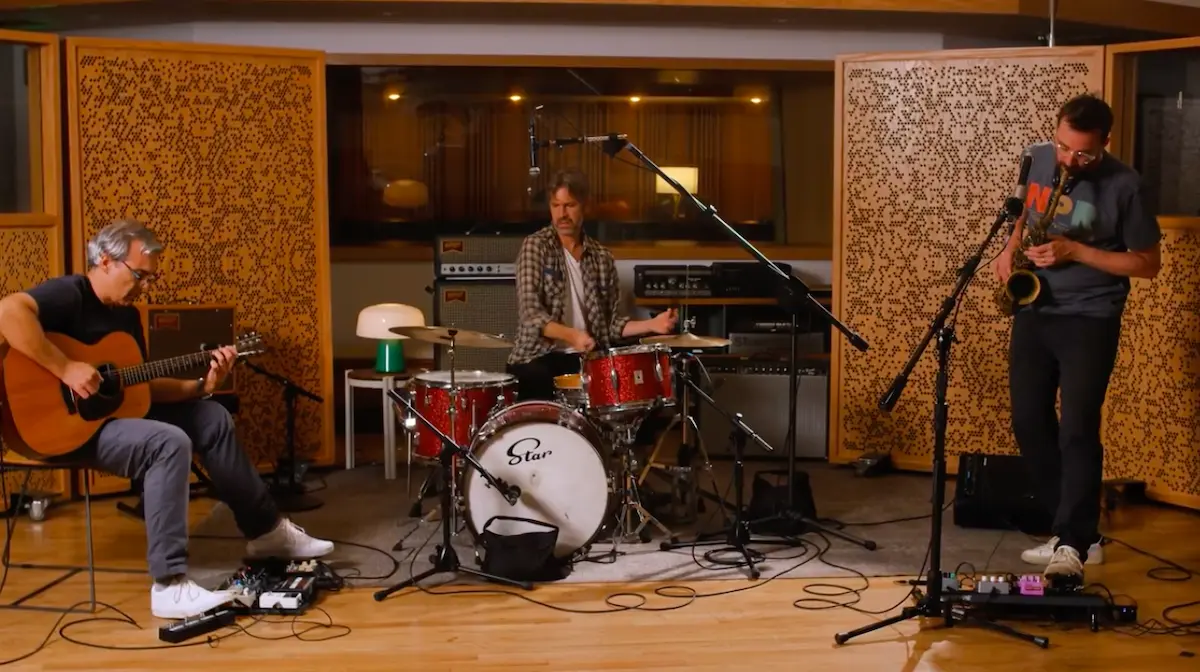
The global jazz landscape in 2024 and 2025 continues to fragment into specialized sub-genres, ranging from the folk-infused Americana of the Brooklyn scene to the historical narrative-driven compositions of the United Kingdom and the radical avant-garde experimentation found in industrial urban centers. This evolution is characterized by a shift away from traditional bop structures toward a multidisciplinary approach where the history of the instrument, the biography of the composer, and the geopolitical context of the music’s creation are as vital as the notes themselves. Three recent releases—Aaron Irwin’s Spark, the Brian Molley Quartet’s Tùs/Origin, and Taupe’s Waxing/Waning—serve as a microcosm of this diversification, illustrating how modern improvisational music navigates the tension between accessibility and abstraction.
Aaron Irwin Trio and the Synthesis of Americana and Jazz
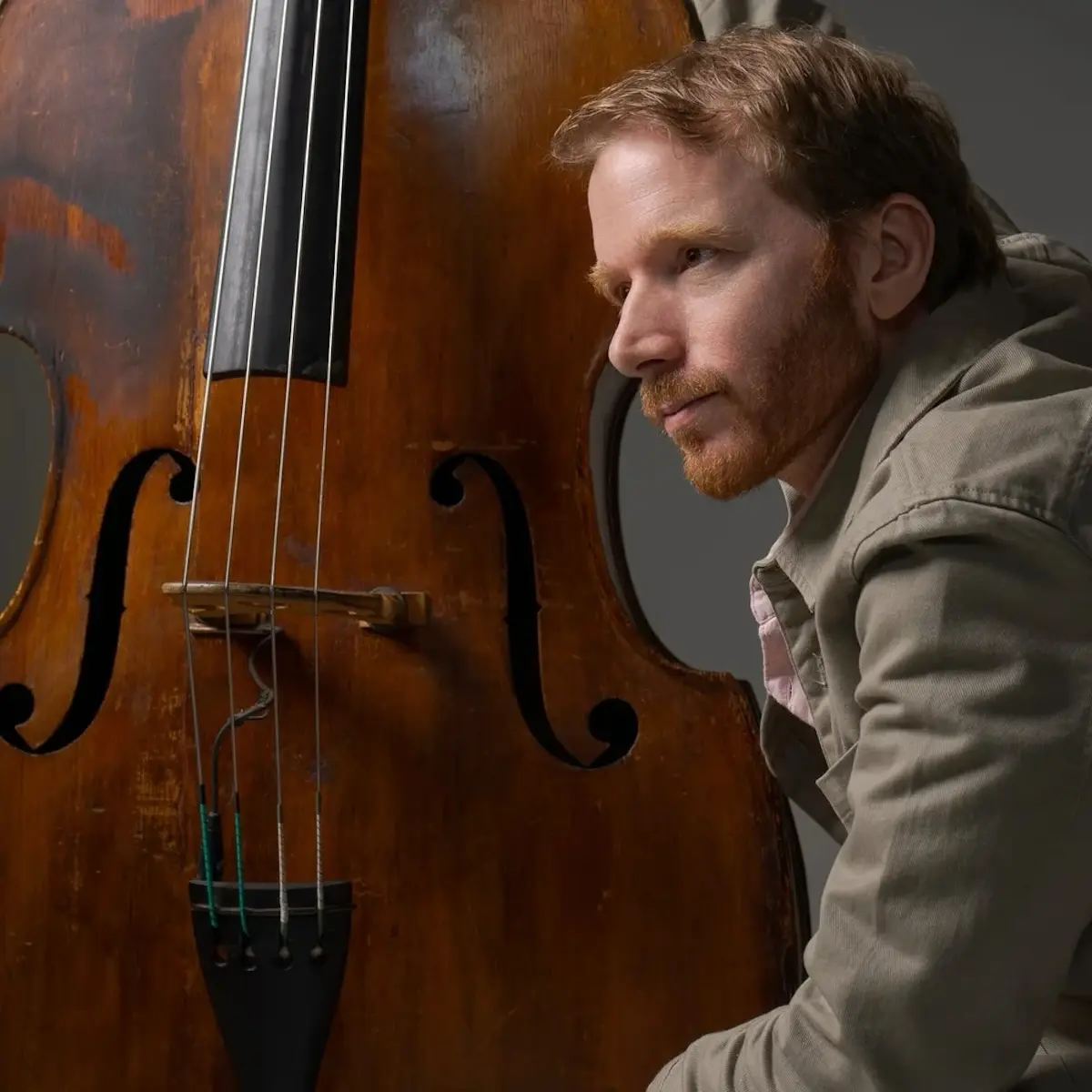
Recorded in Gainesville, Florida, on August 18, 2025, Spark represents a significant addition to the discography of Aaron Irwin, a Brooklyn-based multi-woodwind instrumentalist known for his cerebral yet melodic approach to the alto saxophone and bass clarinet. The album, released under Adhyaropa Records (AR00167), features a long-standing trio consisting of Irwin, guitarist Mike Baggetta, and drummer Bill Campbell. This ensemble’s chemistry is the result of years of collaborative performance, allowing for a level of interplay that minimizes the need for overt signaling during complex transitions.
Technical Composition and Soundscape
The ten tracks on Spark are notable for their economy of sound and atmospheric depth. Irwin’s compositions frequently utilize the "quiet start" technique, where Baggetta initiates a piece with sparse, echoing guitar chords, creating a sonic canvas before Irwin and Campbell introduce melodic layers. This approach is particularly evident on tracks like "Skuli," which utilizes a 3/4 time signature to evoke a sense of wistful melancholy. The use of the bass clarinet is a pivotal stylistic choice; its low-register resonance provides a mournful, grounded quality that draws comparisons to the pastoral jazz explorations seen in Brad Mehldau’s Highway Rider.
Historical and Stylistic Context
Irwin’s work is deeply rooted in the traditions of folk and blues, but it also pays homage to the "cool jazz" movement. The track titled "Giuffre" likely refers to Jimmy Giuffre, the legendary clarinetist and saxophonist who pioneered a chamber-like, drummer-less sound in the 1950s. By incorporating these influences, Irwin bridges the gap between the mid-century avant-garde and contemporary folk-jazz. The album’s runtime of nearly 50 minutes allows for a slow-burn development of themes, culminating in more dramatic pieces like "Fahey," where Baggetta’s guitar work shifts from ambient support to a driving, mood-setting lead.
The Brian Molley Quartet: Navigating History and Heritage in Origin
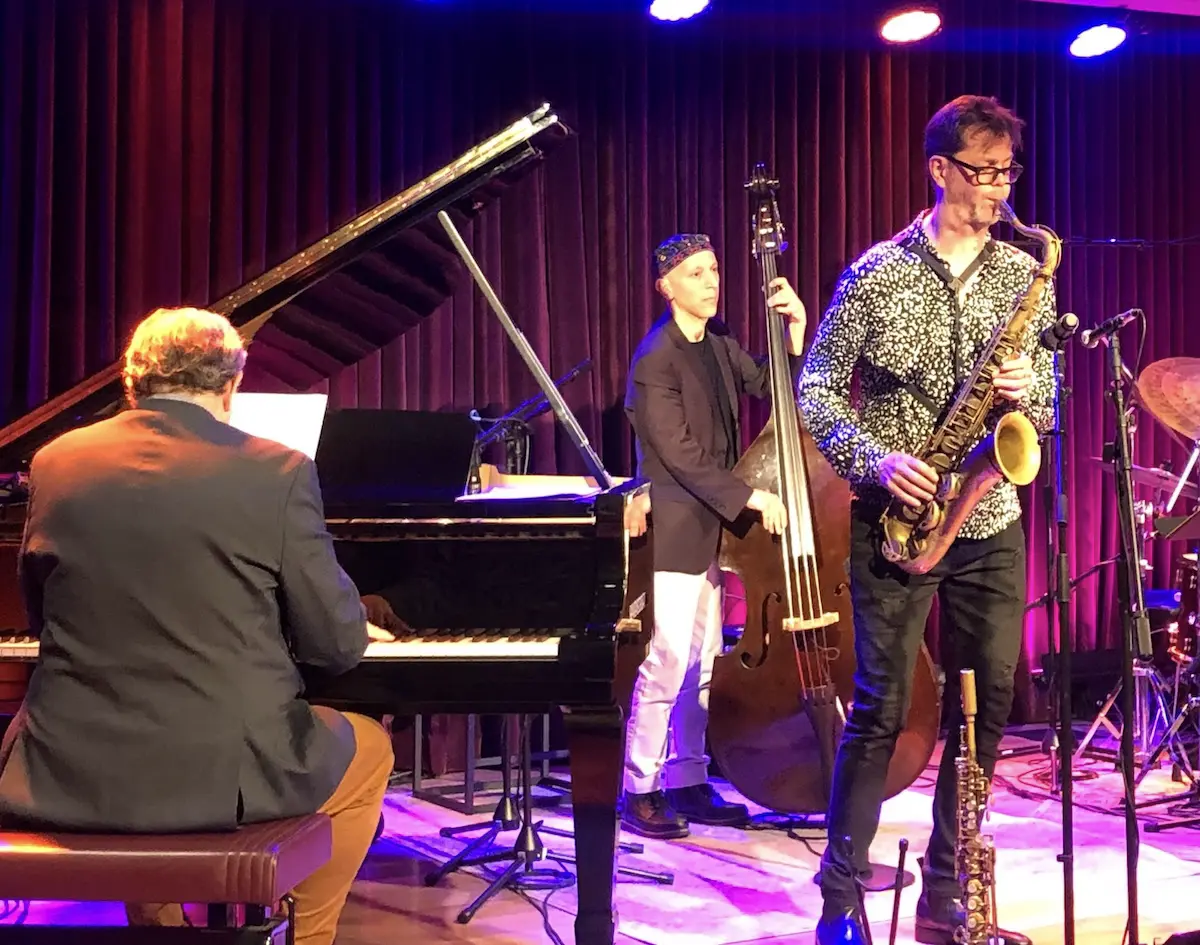
While Aaron Irwin explores internal and aesthetic landscapes, the Brian Molley Quartet’s Tùs/Origin (BGMM Records) focuses on external historical narratives. Based in Glasgow, Scotland, the quartet—comprising Brian Molley on tenor saxophone, Tom Gibbs on piano, David Bowden on bass, and Stephen Henderson on drums—recorded this project in May 2024 at Solas Studios. The album is a thematic exploration of the life and legacy of Frederick Douglass, the African American social reformer and abolitionist.
Thematic Framework and Historical Accuracy
The album’s title, Tùs (the Scottish Gaelic word for "origin" or "beginning"), underscores the project’s focus on the intersection of Scottish and American history. In the mid-1840s and again in the 1850s, Frederick Douglass traveled extensively through Scotland to advocate for the abolition of slavery. The music traces a geographical and emotional journey from the Outer Hebrides across the Atlantic to the eastern United States, and finally to the musical melting pot of Louisiana.
The tracklist functions as a chronological narrative:
- Ode To Frederick Douglass (Parts One and Two): Introduces the central motif, blending gospel influences with contemporary jazz.
- Cianalas (Longing For Home): A Gaelic-influenced piece reflecting on displacement.
- The Trail Of Tears March: A somber acknowledgment of the indigenous American experience, highlighting the quartet’s ability to handle sensitive historical subject matter.
- Storm, Whirlwind And Earthquake: A dramatic finale inspired by Douglass’s famous 1852 speech, "What to the Slave is the Fourth of July?"
Cultural Synthesis and Reception
The Brian Molley Quartet has a history of cross-cultural collaboration, notably fusing jazz with Indian folk music in previous projects. Tùs/Origin continues this trend by weaving together Baroque, Afro-Caribbean dance rhythms, and traditional Scottish hymns. This synthesis is not merely decorative; it serves to illustrate the global impact of the abolitionist movement and the shared musical heritage of the Atlantic world. Industry analysts have noted that the album’s high production values—specifically its warm, haunting mix—make it an accessible entry point for listeners who may not typically engage with "concept" jazz.
Taupe: The Boundaries of Experimentalism in Waxing/Waning
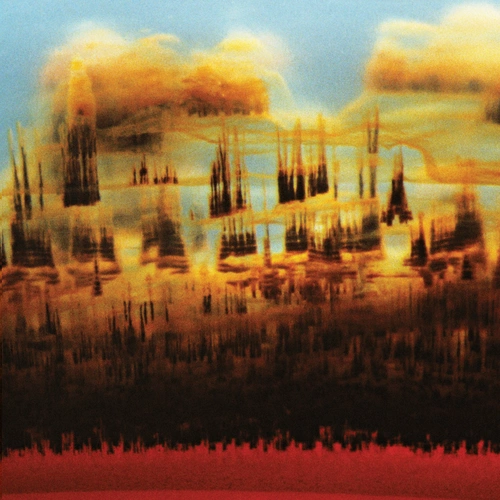
In stark contrast to the melodic accessibility of Irwin and Molley, the trio known as Taupe offers a radical departure into the realm of "math-jazz" and "skronk." Their 2025 release, Waxing/Waning (Minority Records MIN75), recorded at Dystopia Studios in Glasgow, challenges the traditional definitions of jazz and improvisational music. The trio consists of Mike Parr-Burman on guitar and electronics, Jamie Stockbridge on alto and baritone saxophones, and Alex Palmer on drums and percussion.
The Avant-Garde Aesthetic
Taupe’s sound is defined by what critics have called "sour sonics" and "sludgy doom-laden riffs." The album is characterized by:
- Atonality and Dissonance: Frequent use of "squealing" saxophone techniques and jarring rhythmic shifts.
- Electronic Integration: Menacing layers of electronics that obscure traditional instrumental timbres.
- Dystopian Imagery: Tracks such as "Anti-Bird-Spike-Bird-Nest" and "Lemonade Tycoon" suggest a critique of modern urban life and late-stage capitalism.
Institutional Support and Critical Polarization
Despite its challenging nature, Taupe has received significant support from prestigious broadcasting outlets, including BBC 6 Music’s Freak Zone and BBC Radio 3’s Late Junction. This support indicates a niche but dedicated market for music that prioritizes boundary-pushing over traditional aesthetics. However, the album remains a polarizing work. While some view it as a brave exploration of new sonic territories, others find the relentless experimentation and "anarchic" structure to be a difficult listening experience. The album serves as a reminder of the historical role of jazz as a medium for protest and disruption, echoing the radical shifts seen in the free jazz movement of the 1960s.
Chronological Overview of Production and Release
The production timeline of these three albums highlights a productive period for independent jazz labels between 2024 and 2025:
- May 2024: Brian Molley Quartet records Tùs/Origin in Glasgow. The project marks a return to historical narrative jazz in the UK scene.
- August 2025: Aaron Irwin Trio records Spark in Florida. The session captures a peak period of synergy for the trio following a summer of touring.
- Late 2025: Taupe releases Waxing/Waning via Minority Records, coinciding with a resurgence in interest for "math-rock" and avant-garde jazz fusions in the Scottish underground.
Fact-Based Analysis of Broader Implications
The release of these three disparate albums within a similar timeframe points to several key trends in the contemporary music industry. First, the geographical diversity of these recordings—spanning from Brooklyn and Florida to Glasgow—suggests that jazz is no longer centered in a single hub but exists as a globalized network of regional scenes that frequently cross-pollinate.
Second, the reliance on independent labels like Adhyaropa, BGMM, and Minority Records emphasizes the importance of boutique imprints in sustaining non-commercial music. These labels provide a platform for projects that require high artistic control, such as Molley’s historical tribute or Taupe’s sonic experiments.
Finally, the varying degrees of "accessibility" across these albums reflect a healthy ecosystem. While Spark offers a meditative, folk-rooted experience and Origin provides a structured, educational narrative, Waxing/Waning pushes the technical and emotional limits of the genre. Together, they demonstrate that jazz in the mid-2020s remains a vital, evolving art form capable of addressing both the intimacy of human emotion and the grand scale of historical struggle.
The reception of these works suggests that the modern jazz audience is increasingly comfortable with hybridity. Whether it is the fusion of Americana and jazz or the melding of Scottish folk with abolitionist history, the most successful contemporary projects are those that look beyond the traditional boundaries of the genre to find new stories to tell. While experimental works like Taupe’s may remain on the periphery, their presence is essential for the continued growth and reinvention of the musical landscape.