Jia Lissa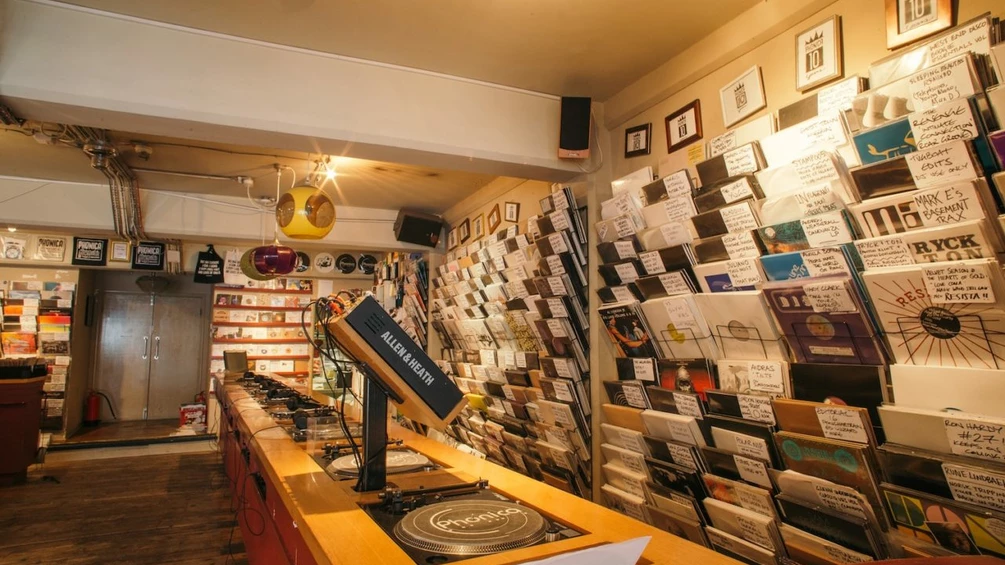
The United Kingdom’s independent record shop sector celebrated an unprecedented triumph recently, with Record Store Day (RSD) sales soaring by a remarkable 25% compared to the previous year, marking it as the most successful iteration in the event’s storied history. This significant surge underscores the enduring cultural relevance and growing commercial vitality of physical music retail in an increasingly digital landscape, solidifying the annual event’s status as a pivotal moment for both music fans and the independent high street.
A New Benchmark for Independent Retail
The 19th annual Record Store Day, which transpired on Saturday, 18th April, saw over 300 independent record shops across the UK participate in a nationwide celebration of music and community. From bustling urban centres to quaint market towns, these vital cultural hubs transformed into vibrant epicentres of activity, hosting an array of special events designed to captivate and engage music enthusiasts. Live performances from established and emerging artists, intimate signing sessions, exhilarating DJ sets, and various other bespoke activities created an electrifying atmosphere, drawing crowds of dedicated collectors and curious newcomers alike. The palpable excitement and strong attendance figures translated directly into the record-breaking sales, painting a vivid picture of a resilient and flourishing independent music scene. This 25% uplift represents not merely a statistical improvement but a profound affirmation of the unique value proposition offered by brick-and-mortar record stores in the modern era.
The Genesis and Evolution of Record Store Day
To fully appreciate the magnitude of this achievement, it is essential to contextualise Record Store Day within its historical framework. The event was originally conceived in 2007 by a coalition of independent record store owners in the United States. Faced with the existential threat posed by the burgeoning digital music market and the dwindling sales of physical formats, these visionaries sought to create a unique occasion that would celebrate and champion the distinct culture of independent record shops. Their objective was twofold: to drive foot traffic back into these vital community spaces and to highlight the curated experiences and expert knowledge that only independent retailers could offer.
The inaugural Record Store Day in the UK followed swiftly in 2008, quickly adopting the spirit and format of its American counterpart. From its modest beginnings, the event has grown exponentially, evolving into a global phenomenon that now encompasses thousands of stores across six continents. Its annual calendar placement has become a much-anticipated fixture for music lovers worldwide, generating considerable excitement and galvanising the industry. Over the years, RSD has successfully navigated shifting market dynamics, consistently adapting its approach while remaining true to its core mission: to foster a sense of community, promote musical discovery, and provide a critical lifeline to independent businesses. This longevity and adaptability are testaments to its fundamental appeal and the enduring power of physical music.
Riding the Vinyl Wave: Context of a Global Resurgence
The remarkable success of Record Store Day UK cannot be viewed in isolation; it is inextricably linked to the broader, sustained global resurgence of vinyl records. For over a decade, vinyl sales have experienced a spectacular comeback, defying earlier predictions of obsolescence and establishing themselves as a significant and growing segment of the music industry. This revival is not merely a nostalgic fad but a deeply rooted cultural phenomenon driven by multiple factors.
Firstly, the tactile experience of owning a vinyl record offers a tangible connection to music that digital streaming, for all its convenience, cannot replicate. The ritual of unboxing, placing the needle, and engaging with the artwork and liner notes provides a multi-sensory experience that appeals to audiophiles and casual listeners alike. Secondly, many consumers perceive vinyl to offer a superior, warmer audio fidelity, contributing to its appeal among those seeking a richer listening experience. Thirdly, the burgeoning collector culture, fuelled by limited editions, coloured vinyl, and unique packaging, has transformed record collecting into a passionate pursuit, akin to art acquisition. Finally, there’s a generational dynamic at play: older generations are reconnecting with a format from their youth, while younger audiences are discovering the charm and authenticity of vinyl for the first time, viewing it as a curated, intentional way to consume music.
Record Store Day has played a symbiotic role in this vinyl renaissance. While the broader market trends provide a fertile ground for its success, RSD, in turn, acts as a powerful annual catalyst, introducing new fans to the joys of vinyl collecting and providing a concentrated period of high-profile releases that keep the format in the public consciousness. Its carefully curated list of exclusive releases often includes coveted reissues, previously unreleased material, and unique pressings that become immediate collector’s items, driving significant demand and media attention. This mutual reinforcement has ensured both the continued growth of vinyl and the sustained success of Record Store Day.
On-the-Ground Festivities and Consumer Engagement
The 2020 Record Store Day in the UK was characterised by an extraordinary display of community spirit and fervent consumer engagement. Natasha Youngs, owner of Brighton’s renowned Resident Music, perfectly encapsulated the atmosphere, stating: "The Saturday itself beat all previous years in terms of attendance and sales. The RSD weather gods took good care of us again and the sunshine added to a brilliantly buzzy day of fulfilled wishlists, shared fandom, laughter, new friendships, live music, artist signings, DJ sets and general good vibes." This sentiment was echoed across the nation, as queues began forming outside shops hours before opening, a testament to the dedication of fans eager to secure their desired limited editions.
The "wishlist" phenomenon is a core element of the RSD experience. Weeks in advance, the official list of exclusive releases is unveiled, sparking intense speculation and strategic planning among collectors. The thrill of the hunt, the camaraderie forged in early morning queues, and the ultimate satisfaction of acquiring a long-sought-after record or a rare new release contribute to an unparalleled sense of shared fandom. Stores across the UK leveraged this excitement by hosting diverse in-store events. From intimate acoustic sets by local bands to electrifying DJ performances and opportunities for fans to meet and greet their musical heroes, these activities transformed retail spaces into vibrant cultural venues.
Among the highly anticipated exclusive products made available this year was a live album for Air’s seminal ‘Moon Safari’, a release that exemplifies the allure of RSD offerings. Such unique items, often pressed on coloured vinyl or featuring bespoke artwork, are designed to appeal directly to collectors and fans, creating a powerful incentive for in-person visits. The impact of the event was not confined to a single day; as Youngs further noted, "The days following the event have also been insanely busy, with our highest ever post-RSD sales in-store. And then the online after-party delivered another bumper boost to sales." This extended sales halo demonstrates RSD’s ability to generate sustained interest and drive ongoing business for independent retailers, extending its economic benefits beyond the initial rush.
Industry Voices and High Street Revival
The overwhelming success of Record Store Day has resonated deeply within the music industry and beyond, prompting reflections on its broader societal and economic implications. Kim Bayley, CEO of the Entertainment Retailers Association (ERA), which organises the event, highlighted the transformative role of independent record shops. "This year’s Record Store Day demonstrated as never before the emerging role of record shops as cultural hubs on the high street, bringing together music fans across generations and breathing new life into town centres," Bayley stated. Her comments underscore a significant shift in perception: these stores are no longer just retail outlets but vital community anchors, fostering intergenerational connections and contributing to the vibrancy of local economies.
The notion of record shops as "cultural hubs" is particularly pertinent in an era where traditional high streets face numerous challenges from online retail and changing consumer habits. By drawing thousands of people into town centres, RSD generates increased foot traffic not only for participating record stores but also for surrounding businesses such as cafes, restaurants, and other independent shops. This ripple effect provides a much-needed stimulus to local economies, reinforcing the argument for supporting independent retail as a cornerstone of community development.
From the perspective of record labels and artists, RSD offers a unique and powerful platform. For labels, it provides an invaluable opportunity to release special editions, reintroduce catalogue classics, and generate significant revenue. For artists, it fosters a direct connection with their fanbase, offering opportunities for personal interaction and strengthening loyalty. The event’s robust sales figures serve as a critical barometer for the health of the independent music retail sector, signaling its resilience and adaptability in a complex market. Industry analysts often cite RSD’s performance as a key indicator of consumer engagement with physical music, and the 2020 results undoubtedly sent a strong positive signal. The collective sentiment among store owners, labels, and artists is one of gratitude and renewed optimism, acknowledging the collaborative effort required to make such a large-scale event a resounding success.
The Broader Impact and Future Outlook
The 25% sales increase on Record Store Day UK represents far more than just impressive financial figures; it signifies the enduring power of physical music and the critical role of independent retailers in the cultural landscape. The event injected millions of pounds into the independent retail sector, providing a vital economic boost to hundreds of small businesses that often operate on tight margins. Beyond the immediate economic impact, RSD plays a crucial role in cultural preservation, ensuring that the unique experience of browsing, discovering, and purchasing music in a dedicated physical space continues to thrive. It fosters a sense of belonging among music enthusiasts and serves as an important entry point for new generations into the rich world of physical music collecting.
However, the success of RSD also brings into focus ongoing challenges and opportunities. The logistical complexities of coordinating hundreds of exclusive releases, managing international supply chains, and ensuring equitable distribution to participating stores remain significant undertakings. Debates around the pricing of some exclusive items and ensuring accessibility for all fans are ongoing discussions within the community. Furthermore, as the vinyl industry continues to grow, so too do environmental considerations regarding the production and disposal of records, prompting an industry-wide conversation about sustainability.
Looking ahead, the anticipation for next year’s event is already building, as Record Store Day prepares to mark its monumental 20th anniversary. This upcoming milestone is expected to be an even grander celebration, potentially featuring an expanded list of exclusive releases, more widespread participation, and heightened media attention. The continued success of RSD underscores a crucial truth: in an age of instant gratification and digital ephemera, there remains a profound human desire for tangible connection, curated experiences, and community. Record Store Day has masterfully tapped into this desire, securing its place not just as a retail event, but as a vital cultural institution that champions independent businesses, celebrates artistic expression, and unites music lovers across the globe. Its record-breaking performance serves as a beacon of optimism for the future of physical music and the vibrant high street.