Kholidah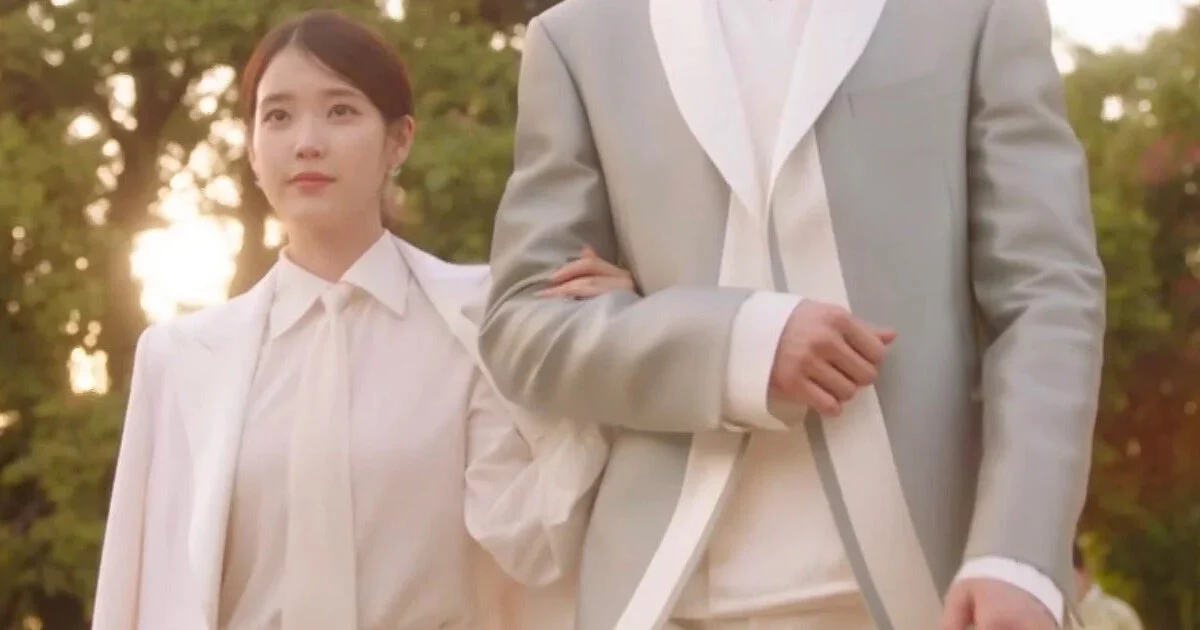
The romantic comedy and melodrama genres in South Korean television have long relied on a specific set of visual tropes to elicit emotional responses from their audiences. Among the most enduring of these is the significant height difference between the male and female leads, a physical contrast often marketed as the "heart-fluttering height gap." However, the latest high-profile production from MBC, Perfect Crown, has found itself at the center of an unexpected controversy regarding this very trope. Despite starring two of the most bankable names in the Hallyu industry—singer-actress IU and rising leading man Byeon Woo Seok—the drama is facing a wave of criticism from viewers who describe the physical dynamic between the leads as "awkward" and "uncomfortable."
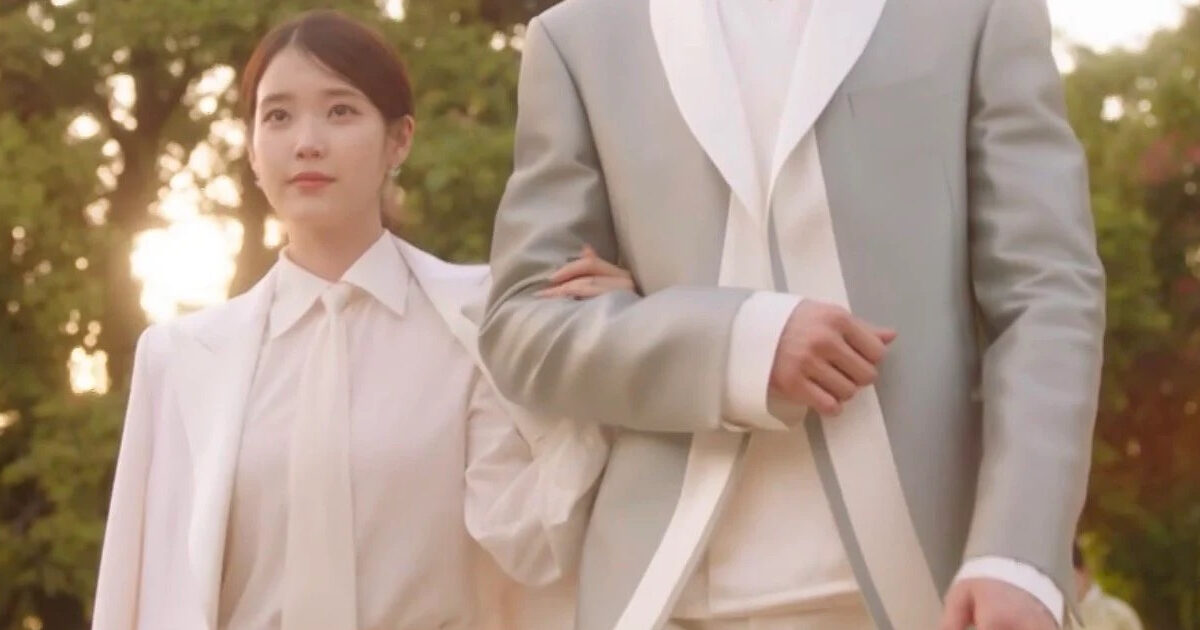
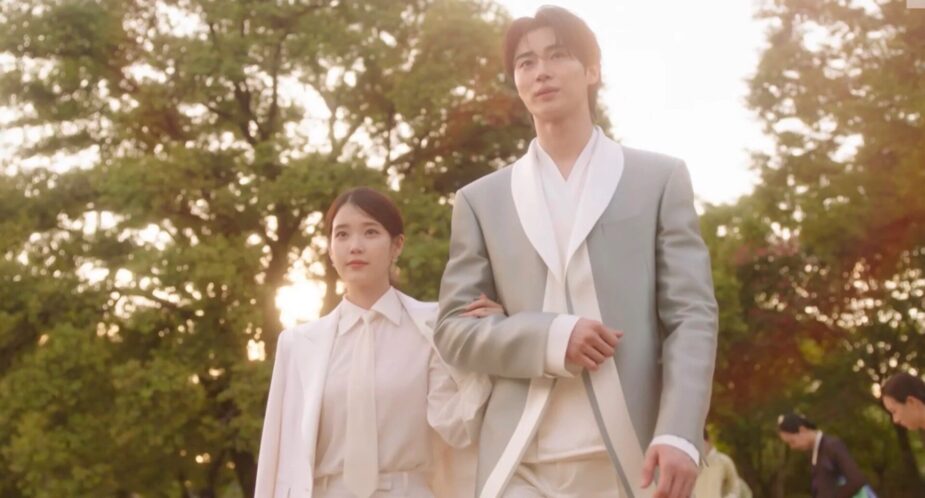
The backlash reached a tipping point following a recent episode featuring a scene where the two characters link arms while walking. What was intended to be a moment of burgeoning intimacy has instead gone viral for all the wrong reasons, with netizens on various community portals expressing a sense of "secondhand embarrassment." This reaction marks a rare instance where a proven romantic formula has failed to resonate with a modern audience, prompting a deeper look into the mechanics of on-screen chemistry and the changing expectations of K-drama viewers.
The Evolution of the Height Difference Trope
For over a decade, the "tall male lead" trope has been a staple of South Korean media. It is rooted in a traditional aesthetic preference that emphasizes the perceived masculinity and protective nature of the male protagonist while highlighting the delicate or "cute" image of the female lead. Iconic pairings, such as Park Bo-young and Park Hyung-sik in Strong Girl Bong-soon or Kim Hye-yoon and Byeon Woo Seok in the recent hit Lovely Runner, have successfully utilized height gaps of 25 centimeters or more to enhance the romantic tension of their respective stories.
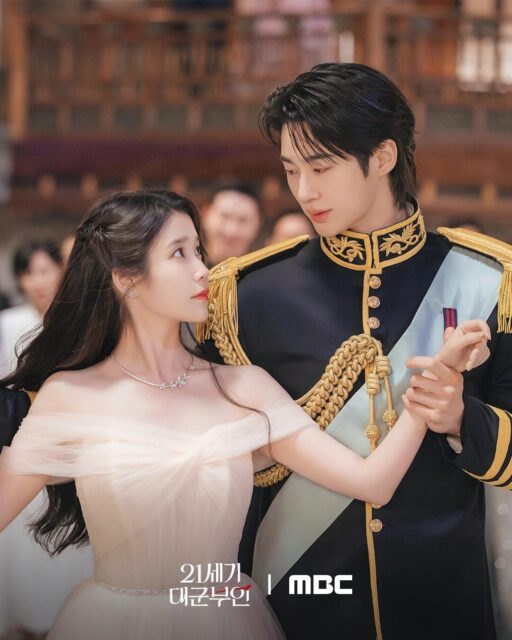
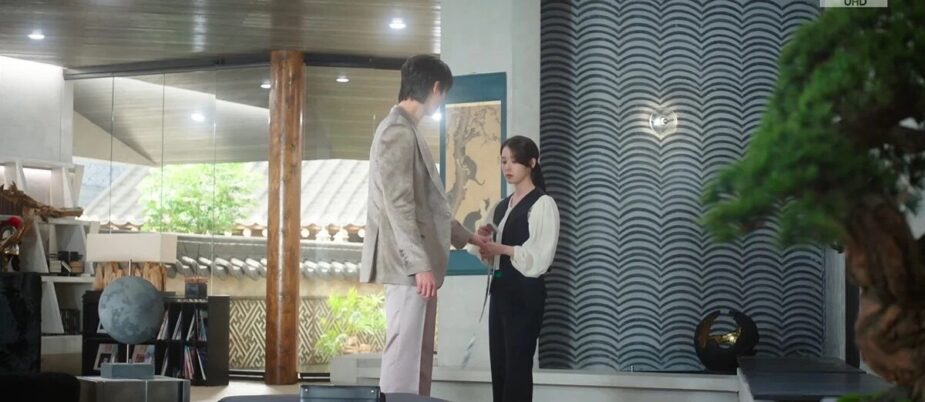
In the case of Perfect Crown, the height disparity is particularly pronounced. IU, known for her petite stature, stands at approximately 162 centimeters (5’4”), while Byeon Woo Seok, a former model, is approximately 189 centimeters (6’2”). The resulting gap of nearly 30 centimeters—roughly one foot—was initially highlighted by the production team as a key selling point during the drama’s promotional phase. However, as the series has progressed, viewers have noted that the visual contrast feels less like a romantic asset and more like a logistical hurdle for the actors.
Chronology of Public Sentiment
The shift in public opinion regarding the IU-Byeon Woo Seok pairing has been documented through social media engagement and forum activity since the drama’s announcement.

- Casting Announcement (Late 2025): Public anticipation was at an all-time high. IU’s return to the small screen after her acclaimed performance in Hotel Del Luna and Broker was met with significant fanfare. Byeon Woo Seok, riding the wave of global stardom following his breakout role in Lovely Runner, was seen as the perfect visual match for a modern royal drama.
- Teaser Release (Early 2026): Initial posters focused on close-up shots and seated poses, which masked the height difference. The chemistry was praised based on their shared "puppy-like" facial features.
- Premiere Week: Ratings were strong, but the first critiques regarding the "physical flow" of the scenes began to surface on platforms like theqoo and Nate Pann.
- The "Arm-Linking" Incident (April 2026): A specific scene in Episode 6, where the leads walk through a palace garden with their arms linked, became the focal point of the current "ick" controversy. The clip garnered millions of views, not for its romantic content, but for what viewers called "stiff" and "unnatural" positioning.
Dissecting the Controversial Scene
The specific criticism leveled at the arm-linking scene revolves around the ergonomics of the movement. Because of the significant height difference, IU’s arm is forced upward at an angle that appears strained, while Byeon Woo Seok must slightly slouch or drop his shoulder to maintain the connection. On the popular community site theqoo, a post titled "The Reality of the Perfect Crown Height Gap" featured screenshots of the scene, with the top comment stating, "It doesn’t look like a couple; it looks like a child holding onto an adult’s arm for stability. It’s just funny at this point."
Another viral post on X (formerly Twitter) noted that the staging felt "forced," suggesting that the director may have been trying too hard to emphasize the height difference rather than letting the actors move naturally. "You two should never link arms. This looks seriously wrong," the user @gcda_v commented, reflecting a sentiment shared by thousands of others who found the visual geometry of the shot to be distracting.
Technical Factors and Production Oversight
Industry experts suggest that the failure of this trope in Perfect Crown may not lie solely with the actors’ physicalities but with the production’s failure to adapt to them. In successful "height gap" dramas, cinematographers often use specific techniques to mitigate awkwardness:
- Platform Shoes and Boxes: It is common practice for shorter actors to stand on "apple boxes" during stationary shots or for female leads to wear significant heels.
- Framing: Directors often avoid full-body shots during intimate walks, focusing instead on the waist-up to hide the logistical difficulties of the stride difference.
- Choreography: Romantic gestures are usually re-choreographed to suit the actors’ heights—for example, the male lead putting an arm around the shoulder rather than linking arms at the elbow.
In Perfect Crown, however, the frequent use of wide, full-body shots has laid bare the physical mismatch. Critics argue that the production team’s insistence on showcasing the height difference as a "spectacle" has backfired, making the actors look uncomfortable and hindering the development of their emotional chemistry.
The "Chemistry Problem" and Broader Implications
Beyond the physical aesthetics, the backlash points to a growing fatigue among K-drama viewers regarding superficial tropes. In recent years, the Korean audience has become increasingly sophisticated, valuing "acting chemistry" (the ability of actors to mirror each other’s emotional beats) over "visual chemistry."
Reports indicate that Perfect Crown has been struggling with "scathing reviews" regarding its script and pacing. When a drama’s narrative foundation is weak, viewers tend to be more critical of visual elements. If the audience is not invested in the characters’ internal journey, a physical gesture like linking arms—which should feel like a natural extension of their feelings—instead feels like a staged performance.
A industry insider, speaking on the condition of anonymity, noted: "The height gap is a tool, not a solution. If the actors don’t have a natural rhythm in their dialogue and movement, the height difference only serves to highlight the distance between them. In this case, the ‘ick’ factor comes from a lack of organic connection."
Comparison with Previous Successes
To understand why Perfect Crown is failing where others succeeded, one must look at the 2024 hit Lovely Runner. In that series, Byeon Woo Seok was also paired with a shorter actress, Kim Hye-yoon. However, the production leaned into the height difference as a source of comedy and genuine character interaction. The height gap was integrated into the plot—with Kim’s character often struggling to reach things or having to look up dramatically—which made the physical reality of their relationship feel lived-in and charming.
In contrast, Perfect Crown attempts to present the height difference with the gravity of a traditional melodrama. This "serious" approach makes the physical awkwardness more apparent, as it lacks the self-awareness or playfulness that might otherwise endear the audience to the couple.
Conclusion: Lessons for Future Casting
The controversy surrounding IU and Byeon Woo Seok in Perfect Crown serves as a cautionary tale for the industry. It demonstrates that even with two of the biggest stars in the country, a reliance on outdated visual tropes can alienate an audience if not executed with technical precision and emotional depth.
As the drama continues its run, the production team faces the challenge of pivoting their directorial style to focus more on the leads’ emotional intimacy rather than their physical stature. Whether the show can recover from its current "ick" reputation remains to be seen, but the discourse it has sparked will likely influence casting and directing choices for years to come. The era where a "cute height difference" was enough to carry a romance may be coming to an end, replaced by a demand for more nuanced and natural portrayals of human connection.