Jia Lissa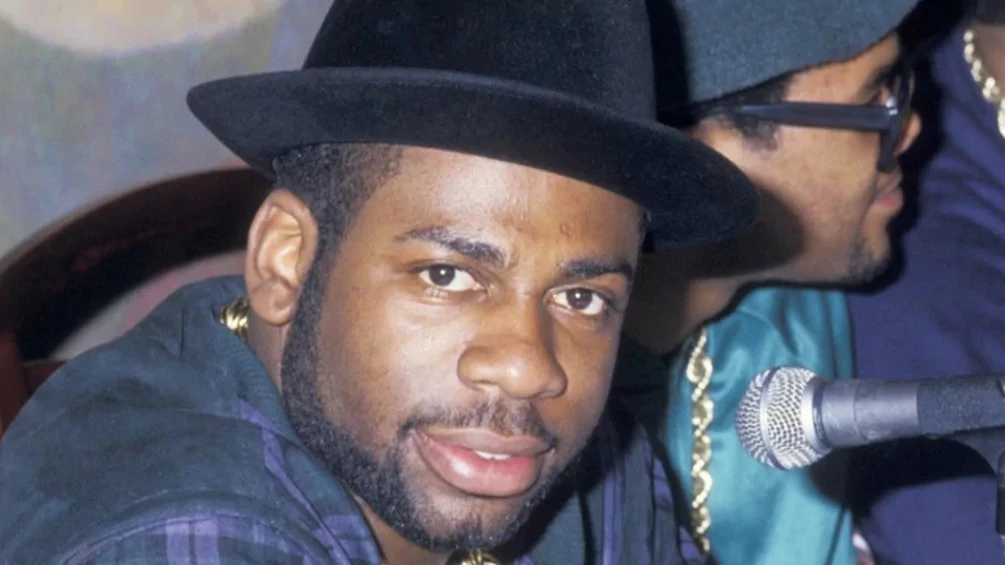
A pivotal development in one of hip-hop’s most enduring and tragic cold cases has emerged, with Jay Bryant, 52, entering a guilty plea for his involvement in the 2002 murder of Run-DMC’s legendary DJ, Jam Master Jay, whose real name was Jason Mizell. The admission, made in a New York courtroom on Monday, April 27, marks a significant step towards closure in a saga that has captivated and pained the music world for over two decades. Bryant confessed to facilitating the entry of two other individuals into the Queens, New York, recording studio where Mizell was ambushed and fatally shot. He now faces a potential prison sentence ranging from 15 to 20 years, with a sentencing date yet to be determined.
The Unveiling of a Conspiracy: Bryant’s Admission
In a stark confession before the court, Jay Bryant articulated his culpability, stating, “I knew a gun was going to be used to shoot Jason Mizell. I knew that what I was doing was wrong and a crime.” This direct acknowledgment of his knowledge and participation provides crucial insight into the mechanics of the crime, confirming his role not as the triggerman, but as an indispensable accomplice who enabled the fatal assault. His plea validates years of relentless investigation by law enforcement agencies, bringing a new dimension of accountability to a case long shrouded in silence and speculation. The admission substantiates prosecutors’ claims regarding a coordinated effort to target Mizell, aligning with the narrative that has been painstakingly built over two decades.
United States Attorney Joseph Nocella underscored the tenacity of the justice system in a statement following Bryant’s plea. “More than two decades after the cold-blooded, execution-style killing of Mr. Mizell, an exhaustive investigation revealed Bryant’s role and today he finally admitted his guilt,” Nocella commented. He further emphasized, “The prosecutors in our Office and our law enforcement partners never give up, no matter how long it takes, in the pursuit of justice for the victim and the victim’s family.” This sentiment resonates deeply with the enduring frustration and heartache experienced by Mizell’s family, friends, and legions of fans who have yearned for definitive answers.
A Two-Decade Quest for Justice: The Jam Master Jay Legacy
The murder of Jason Mizell on October 30, 2002, sent shockwaves through the music industry and beyond. Jam Master Jay was not merely a DJ; he was a pioneer, a foundational pillar of hip-hop culture, and a global icon. As the DJ for the seminal group Run-DMC, he helped propel hip-hop from an underground phenomenon to a mainstream cultural force. Run-DMC, comprising Mizell, Joseph "Rev Run" Simmons, and Darryl "DMC" McDaniels, broke numerous barriers, becoming the first hip-hop act to have a gold album, platinum album, and multi-platinum album, as well as the first to appear on MTV. Their innovative fusion of rock and hip-hop, exemplified by their collaboration with Aerosmith on "Walk This Way," not only redefined musical genres but also expanded the genre’s audience exponentially. Mizell’s unique scratching techniques, distinctive style, and calm demeanor behind the turntables were integral to the group’s electrifying performances and groundbreaking sound.
His murder at his 24/7 recording studio in Hollis, Queens, the very neighborhood where Run-DMC originated, was a profound tragedy that left an indelible scar on the community and the genre he helped define. For years, the case remained unsolved, becoming one of the most high-profile cold cases in American music history. The lack of arrests fueled rampant speculation, frustration, and a sense of injustice within the hip-hop community, with many fearing that true accountability would never be achieved. The motive, as later alleged by prosecutors, revolved around a drug dispute, a stark contrast to Mizell’s public image as a mentor and community figure. This alleged entanglement in illicit activities further complicated the narrative surrounding his death and the subsequent investigation.
Chronology of a Cold Case: The Long Road to Accountability
The journey to Bryant’s guilty plea is a testament to the persistent efforts of investigators and prosecutors. The timeline of the Jam Master Jay murder case spans over two decades, marked by periods of dormancy, intense investigation, and critical breakthroughs:
- October 30, 2002: Jason Mizell, a.k.a. Jam Master Jay, is shot and killed in his recording studio in Hollis, Queens, New York. Two masked gunmen are reportedly involved.
- 2002 – 2020: The case remains largely cold, despite numerous leads and extensive efforts by the New York Police Department (NYPD) and federal agents. Lack of witness cooperation and forensic evidence initially hampered progress.
- 2007: A federal grand jury is convened to investigate the murder, but no charges are filed at the time.
- August 17, 2020: In a major breakthrough, federal prosecutors announce the arrests of Karl Jordan Jr., Mizell’s godson, and Ronald Washington, a longtime friend. Both are charged with Mizell’s murder. Prosecutors allege the motive was Mizell’s exclusion of Jordan and Washington from a significant drug deal involving 10 kilograms of cocaine.
- May 2023: Jay Bryant is added to the murder indictment, becoming the third individual charged in connection with Mizell’s death. Prosecutors reveal that Bryant’s DNA was found on a hat recovered at the crime scene, and he was reportedly seen entering the studio just before the murder. This forensic evidence proved crucial in linking him directly to the scene.
- February 2024: After a lengthy trial, a jury convicts Karl Jordan Jr. and Ronald Washington of Mizell’s murder. The convictions are hailed as a monumental step in delivering justice.
- March 2024: In an unexpected turn, a judge overturns Karl Jordan Jr.’s conviction due to an unspecified legal issue, highlighting the complexities and challenges of high-stakes criminal proceedings. Ronald Washington also subsequently challenges his conviction.
- April 27, 2024: Jay Bryant pleads guilty to his role in the murder, admitting his complicity in facilitating the crime.
The Motive: A Drug Dispute at the Core
The prosecution’s theory, which formed the bedrock of the charges against Jordan, Washington, and now Bryant, centered on a drug dispute. According to court documents and statements, Mizell had reportedly acquired 10 kilograms of cocaine and intended to cut Jordan and Washington out of the distribution plan. This alleged betrayal, prosecutors contended, served as the catalyst for the fatal confrontation. While Mizell was widely known for his musical talents and positive community engagement, the federal indictment painted a picture of a man involved in drug trafficking to supplement his income in the years leading up to his death. This alleged entanglement with illicit activities provided a stark and disturbing contrast to his public persona and shed light on the grim undercurrents that sometimes accompany celebrity. The drug motive, initially a source of controversy and disbelief for many fans, became a critical component of the prosecution’s case, explaining the brutal and targeted nature of the killing within the confines of his private studio.
The Role of Forensic Evidence and Witness Testimony
The long-dormant investigation was ultimately revived and propelled forward by advancements in forensic technology and renewed witness cooperation. The discovery of Jay Bryant’s DNA on a black wool hat left at the crime scene proved to be a pivotal piece of evidence. In cold cases, the ability to re-examine old evidence with new techniques, such as more sophisticated DNA analysis, often provides the critical links needed for breakthroughs. Furthermore, prosecutors likely bolstered their case through a combination of re-interviewed witnesses, confidential informants, and surveillance footage that placed Bryant at the studio around the time of the murder. The accumulation of these disparate pieces of evidence, painstakingly gathered over years, allowed investigators to piece together the narrative of the night Jam Master Jay was killed, transforming a cold case into an active and ultimately, partially resolved, criminal prosecution.
Reactions and Perspectives
The news of Jay Bryant’s guilty plea has been met with a complex mix of relief, sadness, and a renewed sense of anticipation for full justice.
- The Mizell Family’s Enduring Struggle and Hope: For Jason Mizell’s family, the past 22 years have been an agonizing journey of grief, unanswered questions, and a tireless pursuit of accountability. While no immediate statement from the Mizell family was publicly released following Bryant’s plea, this development undoubtedly brings a measure of relief and a significant step toward the closure they have long sought. The pain of losing a loved one in such a violent manner, compounded by the prolonged wait for justice, is immense. Each legal advancement, though slow, offers a glimmer of hope that all those responsible will ultimately be held accountable.
- The Hip-Hop Community’s Long Wait: The hip-hop community, which mourned Jam Master Jay’s death as a profound loss, has consistently called for justice. Artists, producers, and fans have often cited the unsolved murder as a symbol of the violence that sometimes plagues the genre and the broader societal issues it reflects. This plea deal signals progress, potentially strengthening the overall case against the other defendants and offering a clearer picture of the tragic events.
- Legal Insights into Plea Bargains: Legal experts note that plea bargains like Bryant’s are common in complex, multi-defendant cases, especially those involving cold cases where witness testimony might be fragile or corroborating evidence critical. A guilty plea from an accomplice can significantly bolster the prosecution’s case against remaining defendants, potentially influencing appeals or retrials. Bryant’s admission of his role and knowledge of the impending violence provides direct testimony that prosecutors can leverage.
Implications for the Remaining Defendants
Jay Bryant’s guilty plea carries significant implications for Karl Jordan Jr. and Ronald Washington, whose legal battles are ongoing. While Jordan’s conviction was recently overturned and Washington is challenging his, Bryant’s admission of guilt strengthens the prosecution’s overall narrative of a planned murder. His testimony, should he be required to provide it, could offer crucial corroboration against Jordan and Washington, potentially making it more difficult for them to successfully appeal their cases or secure acquittals in any future proceedings. The detailed account of how the assailants gained access to the studio, provided by Bryant, directly ties into the sequence of events that led to Mizell’s death and could serve as compelling evidence. This development places increased pressure on Jordan and Washington, as a key participant in the crime has now publicly admitted his complicity and the nature of the plot.
The Enduring Shadow and the Pursuit of Closure
The Jam Master Jay murder case stands as a stark reminder of the long reach of justice, even when delayed. The commitment shown by law enforcement and prosecutors, spanning multiple administrations and generations of investigators, underscores the principle that no crime, particularly one involving such a prominent figure and causing such widespread grief, will be left unaddressed indefinitely. While Bryant’s plea represents a major breakthrough, the legal processes surrounding Jordan and Washington’s convictions are still unfolding. The pursuit of full and final closure for the Mizell family continues, as does the broader effort to ensure that all individuals responsible for the death of a hip-hop legend are brought to account. This ongoing pursuit highlights the enduring impact of Jam Master Jay’s legacy and the collective desire to honor his memory by finally achieving comprehensive justice.
The journey has been long and arduous, marked by grief, frustration, and the relentless efforts of dedicated professionals. Jay Bryant’s guilty plea is not the final chapter, but it is a profoundly significant one, bringing the case closer than ever before to a complete understanding of the tragic events of October 30, 2002, and offering a measure of peace to those who have waited for justice for far too long.