Jia Lissa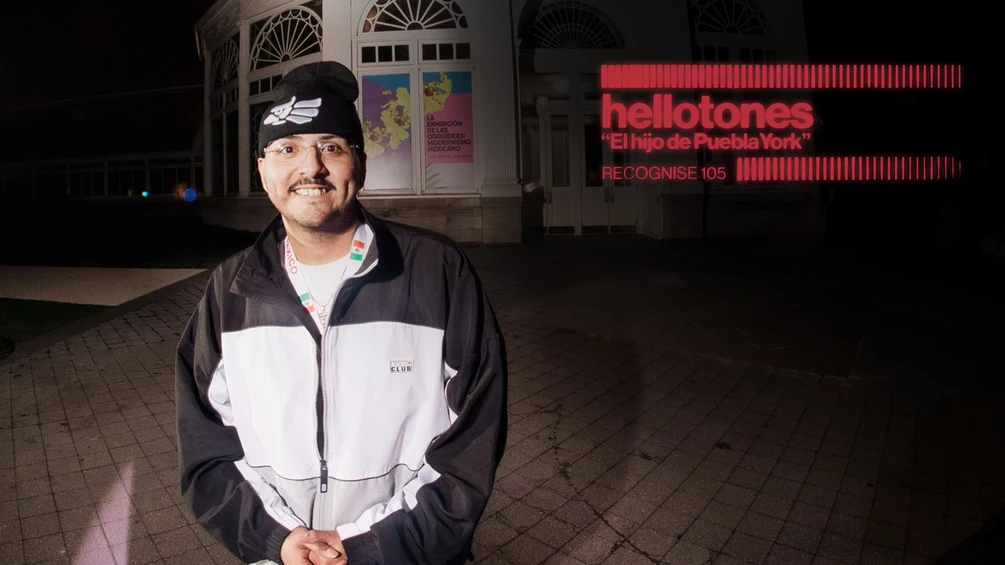
Tony Dominguez, known by his artistic moniker hellotones and the evocative title "El hijo de PueblaYork," stands at the vanguard of a burgeoning musical movement, masterfully intertwining the vibrant rhythms of cumbia with the gritty ethos of New York hip-hop and electronic music. His contribution to DJ Mag’s esteemed "Recognise" mix series, the 105th installment, serves as a powerful testament to his unique stylistic synthesis and deep cultural roots. Dominguez’s approach, characterized by a seamless blend of traditional folk-dance music with contemporary club sounds, not only showcases his technical prowess as a DJ but also highlights a critical evolution in Latin American music culture within the diaspora.
Early Influences: Hip-Hop, Mixtapes, and the Genesis of a Tastemaker
Born and raised in the Bronx during the mid-2000s, Tony Dominguez’s formative years were profoundly shaped by the pervasive influence of hip-hop culture. His early fascination began not in grand concert halls but in local gift shops, where he would meticulously save his allowance to acquire special-edition CDs from artists like 50 Cent and Ludacris. However, a pivotal moment arrived with the discovery of mixtapes, which he describes as "revolutionary." Unlike commercial albums, these unofficial releases, often featuring rough-hewn cover art and aggressive DJ tags, offered a raw, unfiltered glimpse into the dynamic world of hip-hop.
Dominguez vividly recalls being captivated by the artistry of mixtape legends such as DJ Whoo Kid, DJ Green Lantern, and DJ Kay Slay. These DJs, through their curated selections and distinctive vocal overlays, transcended mere track compilation, establishing themselves as cultural gatekeepers and trendsetters. "All [the mixtape DJs] said, ‘I’m going to play all the hottest shit for you. I’m going to mix it up and it’s going to have my tags on it,’" Dominguez explains, emphasizing how this early exposure instilled in him a profound understanding of the DJ’s role as a tastemaker. This era cemented his foundational belief in the power of curation, personal branding through audio "tags," and the art of constructing immersive sonic narratives—principles that would later become cornerstones of his hellotones project.
Cumbia’s Enduring Pulse: A Cultural Tapestry
Parallel to his immersion in hip-hop, cumbia, the traditional folk-slash-dance music originating in Colombia, was an ever-present force in Dominguez’s life. Cumbia’s rich heritage, a syncretic blend of Indigenous, African, and Spanish cultural expressions, has evolved over centuries to become a deeply expressive and unifying force across Latin America and beyond. Characterized by its distinctive rhythmic patterns, often featuring drums, flutes, and accordions, cumbia fosters an irresistible sense of groove that connects communities and transmits historical narratives through dance.
Dominguez’s sets, whether broadcast globally on platforms like The Lot Radio and NTS, performed at prestigious venues such as the New York Botanical Garden, or spontaneously bridging communities across the Hudson River, consistently draw from this vast and varied history. He frequently highlights the sheer breadth of the genre, delving into numerous sub-styles: cumbia editada, cumbia colombiana, cumbia sonidera, cumbia wepa, cumbia rebajada, cumbia 420, cumbiatón, and cumbia villera, among others. This encyclopedic appreciation for cumbia’s diverse forms allows him to weave together ancient traditions with contemporary innovations, demonstrating the genre’s endless adaptability and resilience. For Dominguez, playing cumbia is more than just spinning tracks; it is an act of connecting with entire legacies, a continuous exploration of an "unending maze of rabbit holes" that he clearly relishes.
Puebla to PueblaYork: Cumbia’s Transatlantic Journey
The narrative of cumbia in Dominguez’s life is deeply intertwined with his family’s roots in Puebla, Mexico. Puebla holds a significant, albeit often overlooked, place in cumbia’s evolution, particularly its role in popularizing the sonidero MC format and embracing an electronic-forward adaptation of the traditional Colombian style. In the 1980s, a substantial wave of Mexican immigrants, particularly from Puebla, began settling in New York City, bringing with them not only their culinary traditions and cultural practices but also their cherished cumbia music. This migration was a pivotal moment in the genre’s global spread and localized evolution.
Dominguez’s own family history exemplifies this cultural transfer. His father, emigrating in 1979, carried with him a substantial CD collection, effectively transplanting the sounds of Puebla cumbia directly into the heart of New York. "That’s where you start to see that sound make its way here to New York," Dominguez notes, describing how these personal collections formed the bedrock of cumbia’s establishment in the metropolis. Growing up, Dominguez recalls falling asleep to the sounds of cumbia at family parties, often next to speakers, absorbing its rhythms into his subconscious. "It’s a culture of: ‘We all worked our asses off and we don’t have too much money.’ So everyone pulls their money together to throw a party," he recounts, painting a picture of cumbia as a communal, celebratory soundtrack to working-class immigrant life. Even today, he observes cumbia’s pervasive presence in New York’s subconscious, audible from kitchen radios in Mexican restaurants across the city, a quiet but insistent rhythm underpinning daily life.
The Mixtape Ethos Meets Cumbia Aesthetics
Dominguez draws a compelling parallel between the visual and auditory aesthetics of hip-hop mixtapes and traditional cumbia compilations. He saw reflections of the cumbia that permeated his daily life in the "little plastic sleeves," "slim jewel cases," "crunchy cover art," "wonky edges," and "in-your-face text" of the bootleg hip-hop CDs. This visual and stylistic kinship underscored a shared DIY spirit and an authentic, grassroots appeal that "just called to him."
His cousin, Steven, known as Sonidera Blues, was an early participant in publicidades—individuals or crews who created MySpace music pages, uploading favorite selections, live sonidero recordings, and exclusive tracks. These digital and physical networks were crucial in disseminating cumbia and fostering a sense of community, even if these spaces often operated "in the shadows" for Latin American communities. Dominguez recalls these hidden venues—banquet halls, church basements, and community centers—as vital cultural arteries, providing essential spaces for connection and celebration.
Forging a Path: From Underground Digging to Institutional Stages
Dominguez’s journey into DJing was a circuitous one. Initially, he fought his siblings for computer time, digging for tracks on early file-sharing platforms like Kazaa and LimeWire, and hip-hop blogs like 2DopeBoyz and ILLROOTS. His curiosity led him to pepper his cousin Steven with questions about music, absorbing knowledge from the burgeoning underground scene.
After exploring other musical avenues and working in nightlife, he reconnected with high-school friend Marvelito, a significant figure in the New York underground. Together, they co-hosted a weekly radio show on Newtown Radio, interviewing "hundreds" of DJs and gaining invaluable insights into the craft. Marvelito’s mentorship extended to teaching Dominguez how to book his own events, leading to a successful club night at Mi Sabor Cafe, a Dominican restaurant. It was through Marvelito, who taught at Scratch Academy (founded by Run-DMC’s Jam Master Jay), that Dominguez truly caught the DJ bug. Despite initially "mixing by ear" without formal beat-grid knowledge, his immersion in a community of passionate DJs fueled his rapid development.
His early sets were an eclectic mix of cloud rap, house, Jersey club, and darkwave, delivered with the rapid-fire mixing style of hip-hop DJs. The gradual incorporation of cumbia, however, proved to be a turning point. "That’s what had people going: ‘What is this?’" he remembers. A significant moment arrived in 2015 with the discovery of "Killa Kumbias" by Turbo Sonidero, a friend who shared Dominguez’s deep connection to cumbia. The album, which famously flipped tracks by Memphis rapper Tommy Wright III, opened Dominguez’s eyes to cumbia’s potential for seamless integration with hip-hop. "I said, ‘I can slot this perfectly amongst my hip-hop,’" he recounts, recognizing the bridging potential of the sound.
The COVID-19 pandemic, while shuttering nightlife, paradoxically provided Dominguez with an intense period of self-imposed artistic bootcamp. He produced "probably" 24 mixes in a single year, honing his craft and solidifying his unique style.
The hellotones Signature: Disorientation and Dialogue
Today, hellotones’ sets are a kaleidoscopic experience, blending a vast array of cumbia records with the aggressive flair of a DatPiff mixtape. He infuses his mixes with DJ drops, seamlessly transitions between late ’90s and early ’00s tunes, and introduces new-school deep cuts. His work is a celebration of tradition, highlighting cumbia’s enduring vigor by creating space for both old-school crooners and experimental SoundCloud productions. Listening to a hellotones set is to experience timelines condense, creating a delightful sense of disorientation that is both innovative and deeply rooted.
The "Recognise 105" mix exemplifies this "yes-and" approach: an hour of heavyweight folk-dance stylings, replete with DJ tags and complex cumbia rhythms. It’s music that is simultaneously "slow-and-low" and delivered with a "Devil-may-care intensity," a "wild-eyed collision celebration of the communal power of dancefloors the world over." Dominguez recognizes that he has "hit a sweet spot," introducing cumbia aficionados to a non-stop electronic mixing style, while educating electronic music fans about the rich tapestry of cumbia.
Honoring Humility: Community, Identity, and the New York Sound
Dominguez acknowledges that his style is somewhat of an outlier. While traditional sonideros prioritize selection, crowd interaction, and personalized shout-outs to neighborhoods and "found families," hellotones’ approach is characterized by minutes-long blends and a BPM range of 80-95. Yet, the spirit of the sonidero—its emphasis on community, humility, and representation—remains deeply embedded in his artistic DNA. "Cumbia honours humility. [It’s saying], ‘This is the sound of my hood. This is the sound of my people. This is a moment for them. This is what’s theirs,’" Dominguez states, underscoring the profound social function of the music.
Although he eschews direct shout-outs, his commitment to the community is manifest in other ways. "I’m always gonna find the producer whose shit I played and make sure they know they’re shaping ears," he explains, highlighting his dedication to acknowledging and supporting fellow artists.
His recent successes, performing to thousands in Times Square or bringing revered New York sonidero Sonido Kumbala to renowned club Elsewhere, mark a significant moment. These events transcend traditional venues, placing cumbia in "new light" and demonstrating its versatility beyond its historical "shadows." The presence of publicidades crews, who snuck in custom spray-painted banners at an Elsewhere gig, further illustrates the vibrant, grassroots community that hellotones champions.
Dominguez carries the weight of representing the "Mexican-American experience in New York City," which he views as distinct from the Chicano-Mexican-American experience prevalent in other regions. His music, he insists, "‘s gotta feel East Coast. It’s gotta have that hip-hop edge to it." His artistic identity, encapsulated by the self-proclaimed title "El hijo de PueblaYork"—the son of Puebla and New York—is a deliberate fusion of these dual cultural landscapes. His energetic dancing behind the decks is not merely a performance; it is an invitation to the audience and a physical manifestation of his deep roots.
The Future of PueblaYork: Productions, Residencies, and Cultural Stamping
"There’s a moment happening in New York right now," Dominguez asserts, describing a vibrant cultural amalgamation resulting from decades of Mexican immigration interacting with Puerto Rican, Dominican, and Black cultures, all steeped in reggaeton, dembow, and hip-hop. "You’re starting to see it all meld together. I want to do as much as I can to stamp this moment: to make people recognise we’re in a special time."
This vision extends beyond DJing into production. Dominguez recently collaborated with DJ Chihuahua, a pivotal figure in contemporary cumbia, on his first productions. He debuted these tracks during an eleven-show residency at the New York Botanical Garden, an opportunity he embraced with characteristic audacity. Despite the potentially diverse audience, including older generations, he remained committed to his artistic vision. "I went heavy on the tags there," he gleefully recalls. "It shouldn’t make sense to do that on paper… But I wasn’t going to compromise the vision. You’re gonna know you’re listening to a hellotones ‘El hijo de PueblaYork’ set." This unyielding commitment to his artistic identity, forged in the mixtape culture of his youth, defines his current trajectory.
One of the most profound validations of his journey came during a Botanical Garden gig, where both his parents witnessed him play for the first time. Their highest compliment—"Son, you were playing that shit"—encapsulates the intergenerational bridge he is building, bringing the sounds of their heritage into new, institutional spaces. hellotones is not merely a DJ; he is a cultural architect, meticulously constructing a sound that honors tradition while boldly pushing boundaries, ensuring that the unique rhythm of "PueblaYork" resonates far and wide.