Johan Budi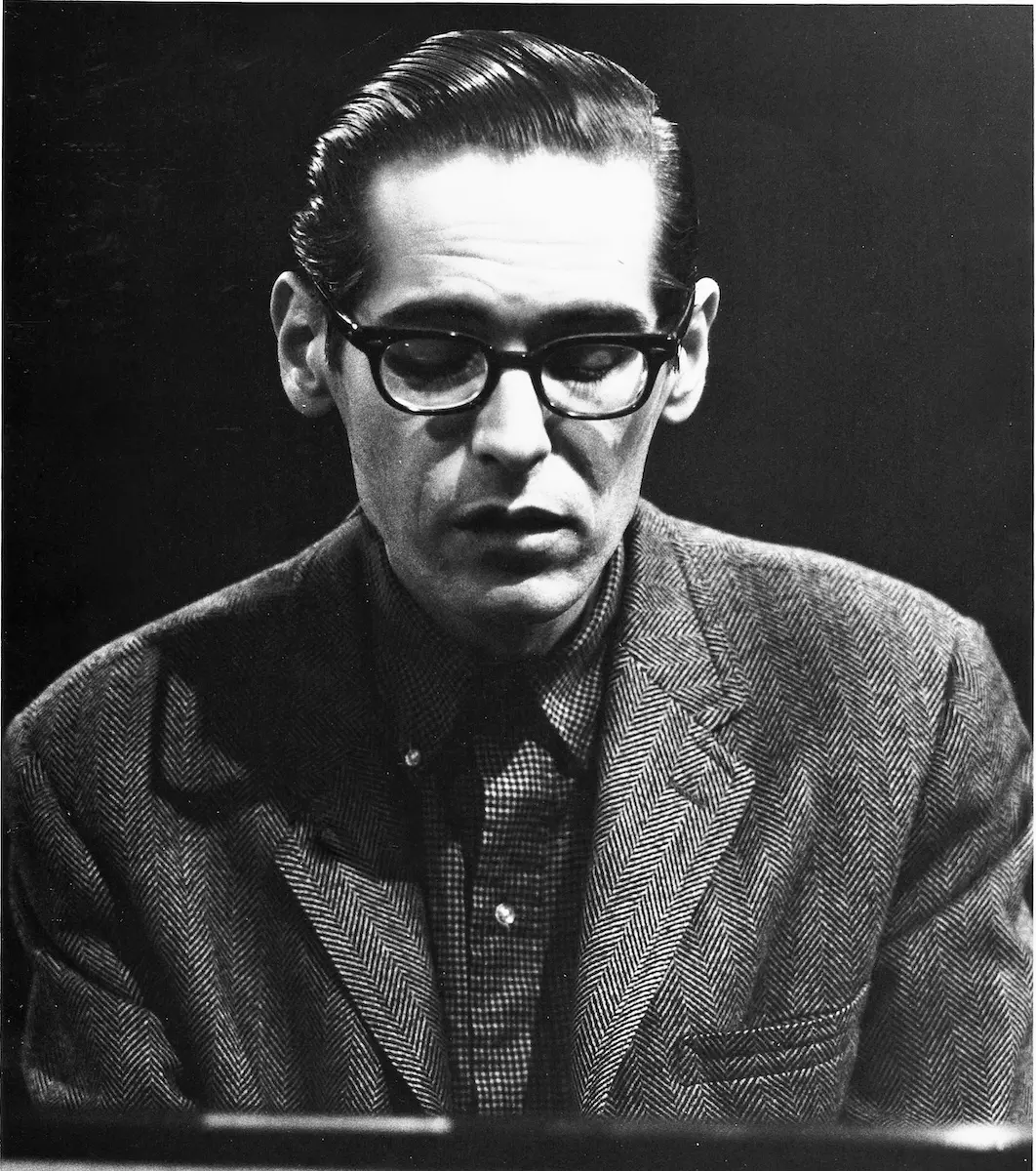
The global jazz community has seen a significant resurgence in the preservation and publication of archival recordings, a trend underscored by the recent release of three distinct historical collections featuring Duke Ellington, Bill Evans, and Lalo Schifrin. These recordings, spanning from 1962 to 1965, provide a critical window into a transformative era for jazz, capturing the genre as it navigated the transition from traditional big band structures to the intimate explorations of the piano trio and the rising influence of international styles such as Bossa Nova. The releases, handled by labels including Storyville and Elemental Music, represent a sophisticated effort in audio restoration, offering scholars and enthusiasts alike an opportunity to hear legendary performers in peak form, often within the context of European tours and televised broadcasts that were instrumental in cementing their global legacies.
The Ducal Legacy in Scandinavia: Copenhagen 1964
On March 13, 1964, the Duke Ellington Orchestra performed at the Tivoli Concert Hall in Copenhagen, a city that had long served as a sanctuary and a second home for American jazz musicians. This concert, now released by Storyville Records (Storyville 1018545), captures Ellington during a period of prolific creativity and international diplomacy. While Ellington had visited Copenhagen in 1958 with a program of established favorites, the 1964 return showcased a band willing to experiment with new, more complex thematic material.
The 1964 personnel remained remarkably stable compared to the late 1950s lineup, a testament to the loyalty Ellington inspired in his musicians. The brass section featured the high-note specialist Cat Anderson and the plunger-mute master Cootie Williams, while the reed section was anchored by the "majestic" Harry Carney on baritone saxophone and the lyrical Johnny Hodges on alto. This stability allowed Ellington to debut challenging new works, most notably excerpts from the Far East Suite, a collaboration with Billy Strayhorn that was still in development at the time.
The Copenhagen performance included early renditions of "Amad," "Agra," "Blue Bird Of Delhi," "Depk," and "Isfahan." These pieces were inspired by the orchestra’s 1963 tour of the Middle East and South Asia, sponsored by the U.S. State Department. In "Agra," Harry Carney’s baritone saxophone serves as a sonic representation of the Taj Mahal’s grandeur, while "Isfahan" provides a vehicle for Johnny Hodges to deliver what critics describe as a "moving portrayal" of the Iranian city. The technical quality of the recording is particularly noteworthy; Henrik Wolsgaard-Iversen, a critic who attended the original concert, has noted that this release stands as perhaps the best-restored concert recording of the Ellington band from the 1960s, rivaling the famous Paris concerts in terms of audio fidelity and musical intensity.
Bill Evans and the British Broadcasting Era
Parallel to Ellington’s orchestral achievements, the development of the jazz piano trio was being documented with equal precision in London. The release of Bill Evans: At The BBC (Elemental Music 5990458) marks the first official publication of remastered tapes from the BBC’s Jazz 625 program. These recordings, dated March 15, 1965, feature Evans alongside bassist Chuck Israels and drummer Larry Bunker.
The Jazz 625 series, hosted by Humphrey Lyttelton, was a landmark in British television, providing a high-culture platform for jazz during a decade increasingly dominated by rock and roll. The Bill Evans Trio’s appearance occurred during a four-week residency at Ronnie Scott’s Jazz Club, a period that cemented Evans’ influence on the European jazz scene. The newly released audio, remastered by Matthew Luthans from the original BBC tapes, offers a significant improvement over the bootleg versions that have circulated for decades.
This specific trio configuration—Israels and Bunker—is often analyzed for how it navigated the shadow of the seminal 1961 trio featuring Scott LaFaro and Paul Motian. Analysis by music historians such as Marc Myers highlights the "undertaker somberness" of the trio’s visual presentation, contrasted against the "breathtaking emotional music" they produced. The setlist includes definitive versions of "Waltz For Debby" and "My Foolish Heart," tracks that demonstrate Evans’ ability to treat the piano as a vessel for complete sentences and narrative arcs rather than mere melodic fragments. The inclusion of spoken introductions by Lyttelton provides a historical frame, capturing the formal, respectful atmosphere that characterized jazz appreciation in mid-60s Britain.
Lalo Schifrin and the Bossa Nova Inflection
The third major archival release shifts the focus to 1962 and the Argentinian-born composer Lalo Schifrin. While Schifrin is widely recognized today as the architect of iconic film and television scores—including Mission: Impossible and Cool Hand Luke—his early career was deeply rooted in the New York jazz scene. The album Insensatez (Jazz Samba 709108) documents Schifrin’s final major engagement with jazz before his full-time transition to Hollywood.
Recorded in New York in 1962, the album captures the peak of the Bossa Nova craze that swept the United States following the success of Stan Getz and Charlie Byrd. Schifrin, who had previously served as the pianist for Dizzy Gillespie’s quintet and composed the ambitious Gillespiana suite, brought a sophisticated, orchestrally-minded approach to the Brazilian genre. The recording features a unique ensemble: Schifrin on piano and Jim Hall on guitar, backed by a full string section including nine violins, four violas, and two cellos.
Though some contemporary critics viewed the project as an "underwhelming venture" compared to Schifrin’s more aggressive jazz works, the release serves as a crucial document of the "Third Stream" movement—the fusion of jazz and classical music—applied to Latin rhythms. The sleeve notes by the legendary Leonard Feather defend the work, arguing that it successfully captured the "three basics of bossa nova: gentle melodies, subtle rhythms, and the intangible ingredient of ‘bossa’." The album includes bonus tracks featuring Leo Wright and Jimmy Raney, providing a broader look at Schifrin’s versatility before he became a five-time Grammy winner and six-time Academy Award nominee.
Chronology of Recordings and Historical Context
To understand the significance of these releases, one must look at the timeline of their creation:
- 1962: Lalo Schifrin records Insensatez in New York. This period marks the height of the Bossa Nova movement and Schifrin’s transition from Gillespie’s sideman to an independent composer.
- 1963: Duke Ellington composes the Timon of Athens suite for the Shakespearean Festival in Ontario and embarks on the State Department tour that inspires the Far East Suite.
- 1964: The Ellington Orchestra performs at the Tivoli Concert Hall in Copenhagen (March 13). This recording captures the band at a peak of technical proficiency and stylistic evolution.
- 1965: The Bill Evans Trio records for the BBC in London (March 15). This captures the post-LaFaro trio during a major European residency, highlighting the global demand for Evans’ "lyrical" style.
Technical Restoration and Industry Implications
The release of these albums is indicative of a broader industry shift toward high-fidelity restoration of "lost" tapes. For the Ellington recording, the focus was on capturing the subtle drumming of Sam Woodyard and the rich textures of the reed section, which had often been muddied in previous live recordings. For the Bill Evans BBC tapes, the challenge was to overcome the "low-fi" nature of 1960s television audio to reveal the "telepathic contact" between Evans, Israels, and Bunker.
The involvement of "jazz detectives" and archivists like Zev Feldman has become a hallmark of these high-quality releases. Feldman’s work often involves tracking down original masters, securing rights from estates, and commissioning essays from critics to provide the necessary historical weight. These releases are not merely nostalgic products but are marketed as essential scholarly additions to the jazz canon.
Broader Impact on Jazz Scholarship
The availability of these recordings allows for a more nuanced understanding of these artists’ careers. In the case of Ellington, the 1964 Copenhagen tapes prove that his orchestra remained a vital, forward-looking unit even as the "Big Band Era" was long past its commercial prime. For Evans, the BBC recordings provide evidence of his resilience and continued innovation following personal and professional tragedies. For Schifrin, Insensatez serves as a reminder of the deep jazz roots that informed his later, more famous cinematic works.
Collectively, these releases demonstrate that the 1960s were not just a decade of radical avant-garde shifts (such as Free Jazz), but also a period of immense refinement for the masters of "mainstream" and "cool" jazz. The enthusiastic reception of these archival sets by modern audiences suggests that the appetite for historical jazz remains strong, provided the recordings are treated with the technical and historical respect they deserve. As labels continue to mine the archives of European radio and television stations, it is likely that more "gems" of this caliber will emerge, further enriching the documented history of 20th-century music.


![Indira Paganotto announces Hï Ibiza and [UNVRS] ARTCORE line-ups for 2026.](https://empire-music.net/wp-content/uploads/2026/04/indira-paganotto-announces-hi-ibiza-and-unvrs-artcore-line-ups-for-2026.webp)