Muhammad Ibadurrohman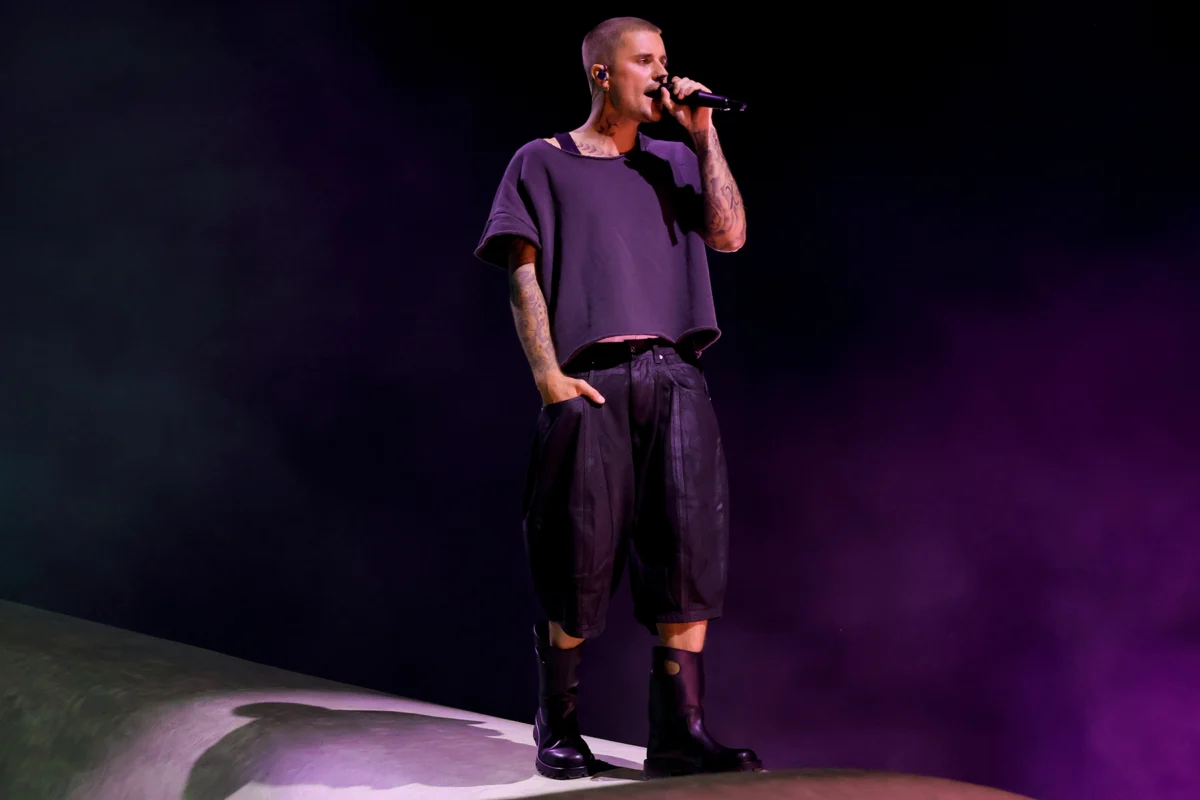
Goldenvoice, the esteemed promoter behind the iconic Coachella Valley Music and Arts Festival, has once again found itself in contravention of local ordinances, incurring over $40,000 in fines for failing to adhere to strict curfew times during the second weekend of the 2026 edition. A representative from the City of Indio, where the globally renowned festival has been hosted since 1999, confirmed these penalties to Billboard, highlighting the ongoing regulatory scrutiny faced by one of the world’s largest music events. The infractions occurred on both Friday, April 17, and Saturday, April 18, as certain performances extended beyond the stipulated 1:00 a.m. cutoff, a consistent point of contention and financial consequence for the festival organizers.
The Long-Standing Agreement: Coachella and the City of Indio
The relationship between Goldenvoice, a subsidiary of AEG Presents, and the City of Indio is a complex tapestry woven from significant economic benefits for the region and the necessity of upholding community standards. Coachella, which annually draws hundreds of thousands of attendees to the Empire Polo Club, is a colossal economic engine, injecting millions of dollars into the local economy through tourism, employment, and ancillary services. However, this immense scale also brings challenges, primarily concerning noise pollution, traffic congestion, and the general impact on the quality of life for Indio residents.
To mitigate these concerns and ensure a harmonious coexistence, the City of Indio and Goldenvoice have a long-running, meticulously detailed agreement. This pact specifically outlines operational parameters, including the crucial festival end times. For Friday and Saturday nights, performances are mandated to conclude by 1:00 a.m., while Sunday’s schedule has an even earlier cutoff of 12:00 a.m. The agreement also specifies a clear, escalating structure for penalties when these curfews are breached. The initial transgression incurs a substantial fine of $20,000 for the first five minutes past the curfew. Any additional minute beyond that initial five typically triggers further penalties, often calculated at a rate of several thousand dollars per minute, as demonstrated by previous violations. This tiered fine system is designed to act as a deterrent, emphasizing the city’s commitment to enforcing its ordinances while acknowledging the operational complexities of such a massive event.
Weekend Two Violations: A Detailed Account
Unlike the first weekend of Coachella 2026, which reportedly adhered to all curfew regulations, the second weekend saw two distinct instances of overrunning, leading to the collective fine exceeding $40,000. These incidents, initially reported by TMZ and subsequently confirmed by city officials, underscored the persistent challenge Goldenvoice faces in managing the precise timing of its star-studded lineup.
On Friday night, April 17, the electronic music artist Anyma, known for his immersive audio-visual sets, was scheduled for a midnight slot. His performance, a highly anticipated fixture for fans of techno and house music, extended beyond the 1:00 a.m. curfew, concluding at 1:09 a.m. This nine-minute overrun resulted in a fine of $24,000. Applying the established penalty structure, this would account for the base $20,000 for the first five minutes past curfew, plus an additional $4,000 for the subsequent four minutes, suggesting a per-minute penalty of $1,000 after the initial threshold. Late-night electronic sets are often characterized by their evolving, atmospheric nature, which can make precise timing challenging, especially when artists are engaging deeply with their audience.

The second violation occurred on Saturday, April 18, involving one of the festival’s marquee headliners, pop superstar Justin Bieber. His much-anticipated performance, which captivated thousands at the main Coachella Stage, went over the 1:00 a.m. deadline by a mere two minutes. Despite the minimal duration of the overrun, this breach triggered the initial penalty clause, costing the festival an additional $20,000. This incident highlights the strict interpretation and enforcement of the curfew agreement; even a slight deviation from the schedule can result in the full base fine, irrespective of how many minutes within the initial five-minute window the violation occurs. The pressure on headlining acts to deliver memorable, often elaborate performances, sometimes featuring surprise guests or extended encores, can inadvertently lead to these timing issues.
A Recurring Pattern: Coachella’s History of Curfew Breaches
These recent fines are far from an isolated incident for Goldenvoice and the Coachella festival. A review of past years reveals a consistent pattern of curfew violations, demonstrating that balancing the grand spectacle of a major music festival with local regulations is an ongoing challenge. The cumulative financial impact of these penalties over the years is significant, even if individual fines might seem modest in the context of Coachella’s multi-million dollar revenue.
One of the most notable past incidents occurred way back in 2009, when legendary musician Paul McCartney’s performance went a staggering 54 minutes over his allotted time. This substantial overrun resulted in Goldenvoice paying a hefty $54,000 fine, setting a precedent for the financial implications of such delays.
More recently, the festival has continued to face penalties:
- 2023: This year marked a particularly expensive period for Goldenvoice, as the festival racked up more than $168,000 in fines. A total of six prominent performers were cited for blowing past their curfew times. These included major headliners and popular acts such as Bad Bunny, Frank Ocean, The Weeknd, Skrillex, Fred Again, and Four Tet. The widespread nature of these violations in a single year underscored significant logistical challenges or a strategic decision to prioritize artistic expression over strict adherence to the schedule.
- 2024: A performance by the enigmatic Lana Del Rey reportedly cost the festival $17,000 in fines. While the exact duration of her overrun was not specified, this figure suggests a violation that likely fell within or just beyond the initial five-minute penalty window.
- Last Year (2025): Travis Scott’s highly anticipated performance on weekend one was also subject to a fine. The festival was penalized $20,000 when Scott’s set concluded three minutes past the designated curfew. This instance further solidified the city’s unwavering commitment to imposing the full base fine for even short overruns.
These historical data points reveal a consistent tension. On one hand, Goldenvoice aims to deliver unparalleled entertainment experiences, often allowing artists the flexibility to extend sets for artistic impact or audience engagement. On the other hand, the City of Indio steadfastly enforces its ordinances, which are vital for maintaining peace and order in the surrounding community. The fines, while substantial in absolute terms, are often perceived as a calculated operational cost by festival organizers, weighed against the potential for an enhanced audience experience or the complexities of managing a live, multi-stage event.
Statements and Inferred Reactions
Official statements from Goldenvoice regarding these specific fines are typically rare. The company often maintains a policy of not commenting on regulatory penalties, preferring to focus on the overall success and experience of the festival. However, their actions and the recurring nature of the fines suggest an operational philosophy that sometimes prioritizes the flow of the live show and artist performance over strict timekeeping, especially for major acts. It is plausible that, given the festival’s immense revenue (estimated to be in the hundreds of millions of dollars annually), these fines are factored into the overall operational budget as an anticipated expense.

From the City of Indio’s perspective, the confirmation to Billboard by a city representative underscores their objective and consistent approach to enforcing the established agreement. While the city benefits immensely from the economic boom Coachella brings, it also has a responsibility to its residents. Enforcing curfews helps manage noise levels, particularly for residential areas near the Empire Polo Club, and maintains the integrity of the permitting process. The city’s stance is likely one of impartial enforcement, ensuring that all events, regardless of their scale or economic contribution, adhere to local laws and agreements. This consistent application of penalties reinforces the city’s authority and commitment to community well-being.
Broader Implications and Future Outlook
The recurring nature of Coachella’s curfew fines raises several broader implications, both for the festival’s operations and its long-term relationship with its host city.
Financial Impact: While $40,000 or even $168,000 might seem like a drop in the ocean compared to Coachella’s massive revenues, these cumulative fines represent a significant, non-recoupable operational expense. Over several years, these penalties can amount to hundreds of thousands of dollars, money that could otherwise be invested in infrastructure, artist booking, or enhanced attendee services. This consistent expenditure might prompt Goldenvoice to re-evaluate its scheduling strategies or implement stricter stage management protocols in future editions.
Relationship with the City of Indio: The ongoing pattern of violations, even with the payment of fines, could potentially strain the long-term relationship between Goldenvoice and the City of Indio. While the economic benefits are undeniable, persistent non-compliance might lead the city to consider even stricter terms in future agreements, potentially increasing the per-minute penalty or even exploring alternative enforcement mechanisms. Maintaining a positive and cooperative relationship is crucial for the festival’s continued success and its ability to secure permits for future iterations.
Operational Challenges vs. Artistic Freedom: The sheer scale and complexity of Coachella present immense operational challenges. With multiple stages, hundreds of artists, intricate technical setups, and rapid transitions, keeping every act precisely on schedule is a monumental task. There is an inherent tension between the desire to give artists the freedom to deliver their best performances, which sometimes necessitates flexibility in timing, and the rigid constraints of a legally binding curfew. Festival organizers must continually balance artistic integrity and audience experience with logistical precision and regulatory compliance.
Audience Experience: For festival-goers, a slightly extended set by a beloved artist can be a highlight, a memorable moment that adds to the overall value of their experience. Many attendees might be unaware of, or indifferent to, the financial penalties incurred by the organizers. This perception gap between the attendee’s enjoyment and the promoter’s regulatory obligations is a constant factor in how these decisions are made.
As the dust settles on the 2026 Coachella Valley Music and Arts Festival, the Empire Polo Club is already undergoing its rapid transformation. The iconic grounds will soon host Goldenvoice’s country music counterpart, Stagecoach, which is set to run from April 24-26. This swift transition, featuring headliners like Cody Johnson, Lainey Wilson, and Post Malone, further highlights the continuous, high-pressure operational demands placed upon Goldenvoice. Each event presents its own unique set of logistical challenges and regulatory obligations, ensuring that the balancing act between grand entertainment and local governance remains a central theme in the narrative of these desert festivals. The fines incurred during Coachella 2026 serve as a stark reminder of the intricate web of agreements and responsibilities that underpin such massive cultural phenomena.