Aveline Kirana
The Highmark Mann Center for the Performing Arts is poised to host a landmark event in American musical history with the world premiere of Peter Boyer’s ambitious oratorio, "A Hundred Years On." Scheduled for June 17, 2026, this significant artistic undertaking will not only celebrate a pivotal moment in the nation’s past but also coincide with the lead-up to the United States’ 250th anniversary. The oratorio delves into the rich tapestry of the 1876 Centennial Exposition held in Philadelphia, a monumental event that showcased American ingenuity, cultural achievements, and burgeoning national identity.
The presentation promises to be a grand affair, featuring the renowned Philadelphia Orchestra and the Grammy Award-winning vocal ensemble The Crossing. Leading these distinguished musical forces will be two accomplished conductors: Anthony Parnther, who will direct the orchestral forces, and Donald Nally, the artistic director of The Crossing, guiding the choral performances. The vocal soloists assembled for this premiere are a testament to the work’s stature, including the celebrated sopranos Mary Dunleavy and Meredith Lustig, the versatile mezzo-soprano Eve Gigliotti, the acclaimed tenor David Portillo, and the commanding baritone Malcolm J. Merriweather. Adding a crucial layer of visual storytelling to the sonic landscape, Tazewell Thompson will bring his directorial vision to the stage, ensuring a compelling and immersive theatrical experience.
The Centennial Exposition: A Defining Moment in American History
The 1876 Centennial Exposition was far more than just a fair; it was a profound statement of a nation, still relatively young, asserting its place on the global stage. Held in Fairmount Park, Philadelphia, the exposition marked 100 years since the signing of the Declaration of Independence. It was a sprawling testament to American progress, industrial might, and artistic aspirations. Millions of visitors flocked to witness technological marvels like the Corliss Steam Engine, Alexander Graham Bell’s telephone, and the first American typewriter. The fair also showcased international pavilions, fostering a sense of global connection and competition.
Culturally, the Exposition was a melting pot of artistic expression, featuring art galleries, musical performances, and displays of decorative arts. It was a period of significant industrial expansion and innovation, and the exposition served as a grand showcase for these advancements. However, it also occurred during a complex era for the United States, still grappling with the aftermath of the Civil War, Reconstruction, and evolving social dynamics. The narrative of the Centennial Exposition, therefore, is one of triumph, ambition, and the multifaceted identity of a nation in transition. Boyer’s oratorio aims to capture this complex historical moment, weaving together the sounds and stories of this transformative period.
Peter Boyer’s "A Hundred Years On": A Sonic Tapestry of History
Peter Boyer, a composer known for his evocative and historically inspired works, has undertaken the monumental task of translating the spirit and substance of the 1876 Centennial Exposition into a compelling musical narrative. "A Hundred Years On" is an oratorio, a large-scale musical composition for soloists, chorus, and orchestra, often with a dramatic or narrative theme. Boyer’s choice of this form suggests a desire to explore the multifaceted story of the Exposition, allowing for both grand pronouncements and intimate reflections.
The oratorio’s title, "A Hundred Years On," carries a dual meaning. It directly references the centennial celebration itself, a look back at the nation’s first century. However, it also implicitly looks forward, contemplating the legacy and enduring impact of that era on the America of Boyer’s time and, by extension, the America of 2026. The choice to focus on the Exposition allows Boyer to explore themes of progress, innovation, national pride, cultural exchange, and the evolving American identity. It is likely that the oratorio will incorporate diverse musical styles and textures to reflect the varied experiences and exhibits of the fair, perhaps drawing inspiration from the popular music of the era, the sounds of industry, and the grand orchestral works that would have been performed.
A Program of Patriotic Resonance
Complementing Boyer’s new work, the program also features two iconic American musical pieces that further underscore the patriotic and celebratory spirit of the occasion. Wolfe’s "Liberty Bell" and John Philip Sousa’s "The Stars and Stripes Forever" March are both deeply ingrained in the American consciousness, evoking feelings of national pride and shared heritage.
"The Liberty Bell" is a march that, while perhaps less universally recognized than Sousa’s work, carries significant symbolic weight. Its title directly links it to one of the most potent symbols of American independence. Wolfe’s composition, often characterized by its stirring melodies and martial rhythms, would have been a fitting musical accompaniment to the patriotic fervor of the Exposition and continues to resonate as a symbol of American freedom.
John Philip Sousa, often hailed as "The March King," is synonymous with American band music and patriotic anthems. "The Stars and Stripes Forever," his most famous composition, is an indispensable part of the American musical lexicon. Its exhilarating tempo, soaring melodies, and triumphant conclusion make it an anthem of national unity and resilience. The inclusion of these pieces alongside Boyer’s new oratorio creates a powerful and cohesive program, designed to both commemorate the past and inspire present-day patriotism as the nation approaches its 250th anniversary.
Orchestrating a Historical Narrative: The Artistic Forces
The selection of The Philadelphia Orchestra and The Crossing for this premiere is highly significant. The Philadelphia Orchestra, one of the world’s most esteemed symphonic ensembles, brings a legacy of musical excellence and a deep connection to the city where the Centennial Exposition was held. Their rich sound and interpretive depth will undoubtedly provide a powerful foundation for Boyer’s oratorio.
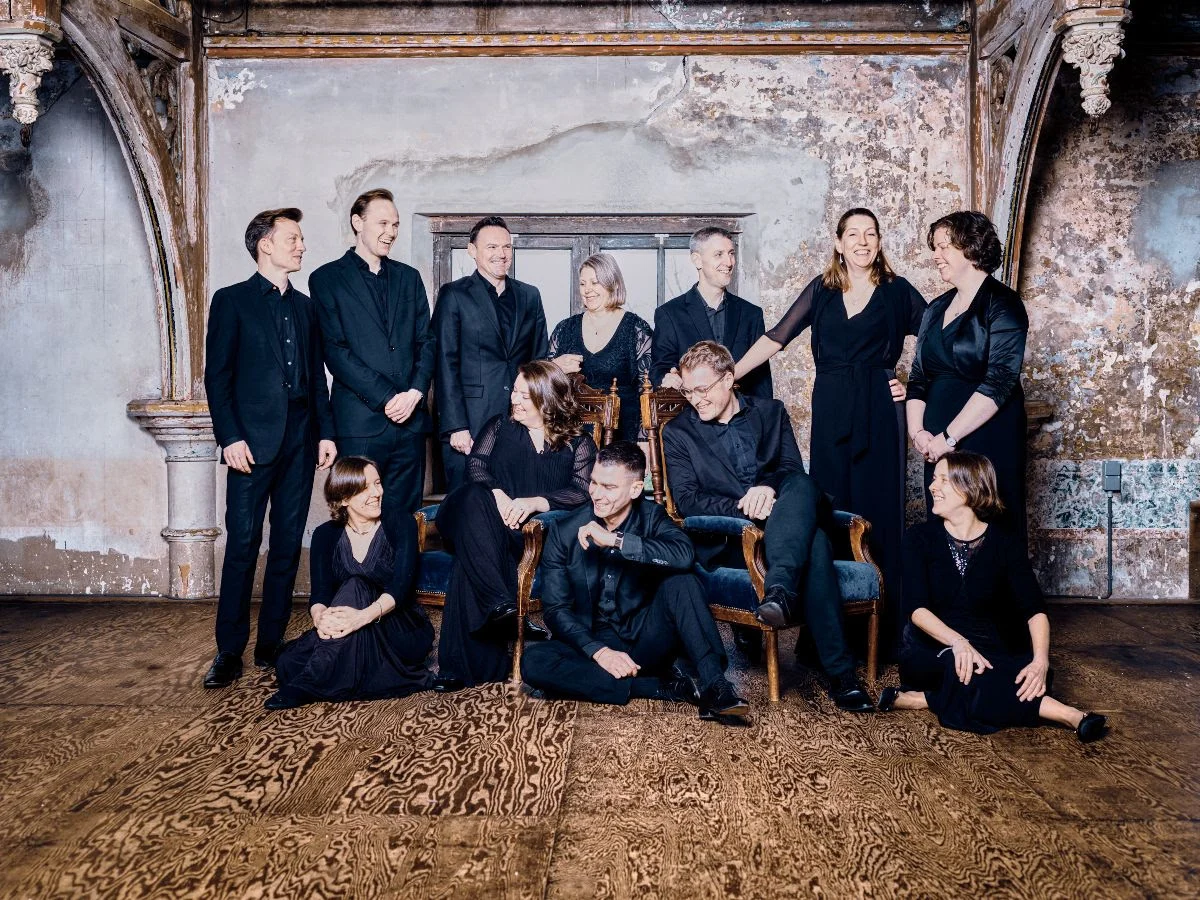
The Crossing, a chamber choir renowned for its commitment to new music and its exceptional vocal artistry, is equally vital to the success of "A Hundred Years On." Oratorios are inherently vocal works, and The Crossing’s ability to navigate complex choral textures, deliver nuanced performances, and embody diverse characters will be crucial in bringing Boyer’s vision to life. Their Grammy Award for Best Choral Performance for "Born" in 2019 attests to their capabilities in premiering and performing significant contemporary choral works.
The collaboration between conductors Anthony Parnther and Donald Nally suggests a meticulous approach to the performance. Parnther’s expertise with orchestral repertoire and Nally’s specialization in contemporary choral music ensure that both aspects of the oratorio will receive dedicated and expert attention. The choice of an established director like Tazewell Thompson for stage direction indicates a commitment to creating a multi-dimensional performance that transcends a simple concert presentation, potentially incorporating visual elements, narrative staging, and dramatic interpretation.
Supporting Data and Context for the Premiere
The world premiere of "A Hundred Years On" is strategically timed to align with the escalating national dialogue surrounding the United States’ 250th anniversary in 2026. This milestone offers a unique opportunity for reflection on the nation’s journey, its achievements, and its ongoing evolution. Boyer’s oratorio serves as a powerful artistic lens through which to examine this historical continuum, connecting the aspirations and realities of the late 19th century to the present day.
The Centennial Exposition itself was a pivotal moment in American self-perception. It was the first major international exhibition hosted by the United States, and its success bolstered national confidence. The fair attracted over 8 million visitors, a staggering number for the time, highlighting its immense cultural and social impact. The economic implications were also significant, spurring further industrial development and international trade.
The artistic output of the era, including the music that would have been performed at the Exposition, provides a rich source of inspiration for composers like Boyer. The period saw the rise of American nationalism in music, with composers seeking to create a distinct American musical voice. The inclusion of Wolfe and Sousa on the program directly taps into this tradition, offering a familiar yet profound connection to the musical landscape of the late 19th century.
Potential Statements and Inferred Reactions
While direct quotes are not available from the original text, one can infer the anticipated sentiment from the organizers and artists involved. A spokesperson for the Highmark Mann Center for the Performing Arts would likely express immense pride and excitement about presenting a world premiere of such historical and artistic significance. They would emphasize the center’s commitment to fostering new American music and its role in celebrating national milestones.
Peter Boyer, the composer, would likely speak to his inspiration for the work, detailing his fascination with the 1876 Centennial Exposition and the stories he sought to tell through his music. He might discuss the challenges and rewards of translating such a vast historical event into a musical narrative, highlighting the collaborative process with the performers.
The conductors, Anthony Parnther and Donald Nally, would undoubtedly express their enthusiasm for working with the exceptional musicians involved and their anticipation of bringing Boyer’s vision to the stage. They would likely speak to the musical demands of the oratorio and the unique interpretive challenges it presents. The soloists would likely convey their honor in originating roles within such a significant new work and their dedication to delivering powerful vocal performances.
Broader Impact and Implications
The premiere of "A Hundred Years On" at the Highmark Mann Center carries several important implications. Firstly, it represents a significant contribution to the American oratorio tradition, a genre that has historically been used to explore profound themes and narratives. By focusing on the Centennial Exposition, Boyer is not only creating a new work of art but also offering a fresh perspective on a crucial period in American history.
Secondly, the timing of the premiere, leading up to the nation’s 250th anniversary, positions the oratorio as a timely and relevant artistic statement. It provides a cultural touchstone for national reflection, encouraging audiences to engage with the past and consider its impact on the present and future.
Thirdly, the collaboration between The Philadelphia Orchestra and The Crossing, two highly respected musical organizations, underscores the importance of this premiere. It signals a commitment to the highest standards of musical performance and artistic innovation. The involvement of a professional stage director like Tazewell Thompson suggests a desire to create a truly immersive and impactful experience, potentially setting a new benchmark for the presentation of contemporary oratorios.
The Highmark Mann Center’s decision to commission and present this work highlights its role as a vital cultural institution actively shaping the landscape of American performing arts. The success of "A Hundred Years On" could inspire further commissions and performances of significant new American music, ensuring that the nation’s artistic heritage continues to be explored and celebrated through contemporary voices. As the United States approaches its 250th anniversary, artistic endeavors like Peter Boyer’s oratorio offer a powerful and enduring way to understand its past and envision its future.