Johan Budi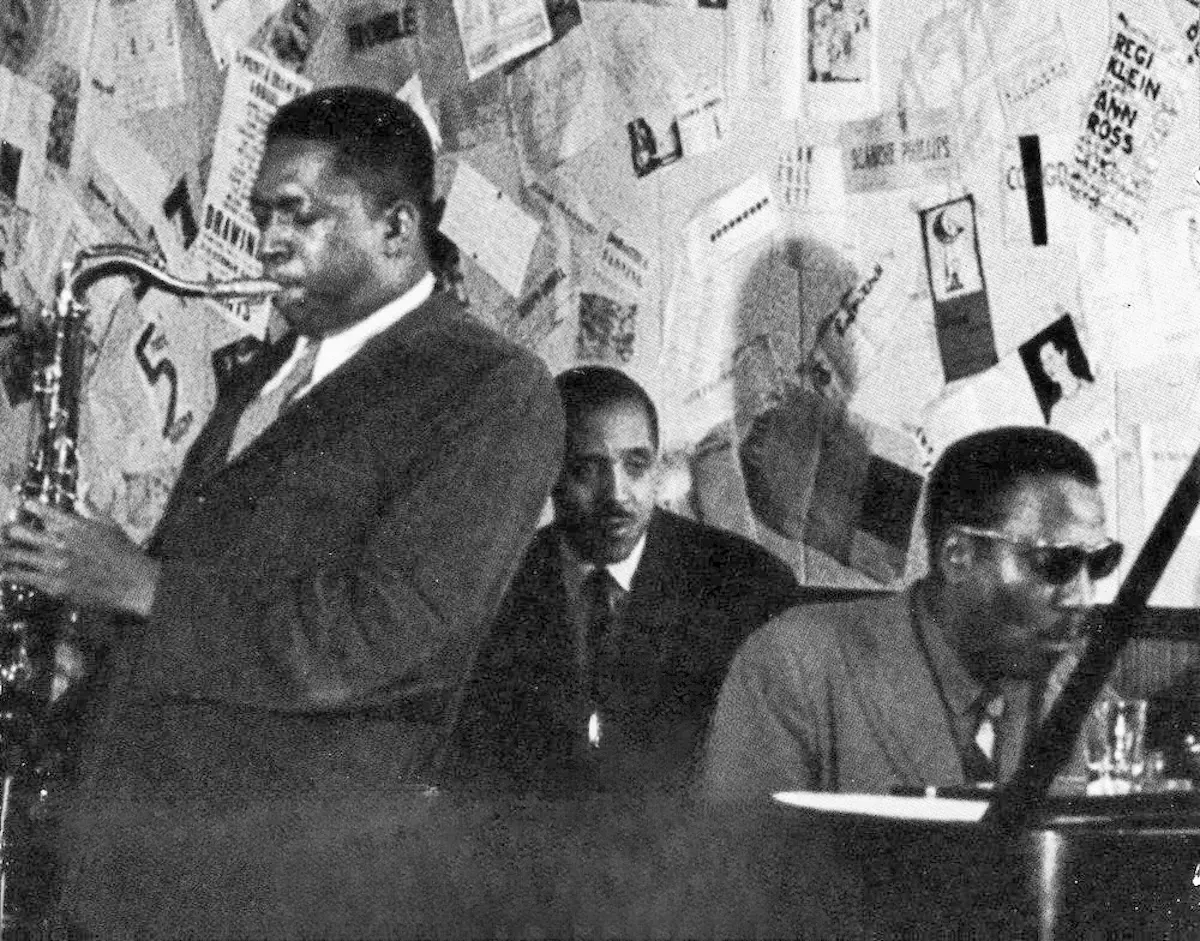
The landscape of mid-20th-century American music is being revisited through the high-fidelity re-release of two seminal recordings that captured pivotal transitions in the careers of their respective creators. The first, a historic collaboration between pianist Thelonious Monk and saxophonist John Coltrane, documents a brief but transformative period in 1957 that redefined modern jazz. The second, a 1959 session by Texas bluesman Sam "Lightnin’" Hopkins, offers a raw look at a folk-blues icon during the height of the American blues revival. Both reissues, released via Number One Essentials and Blues Joint, provide modern audiences with remastered access to performances that were once difficult to obtain or were delayed by the complexities of the mid-century recording industry.
The Convergence of Giants: Monk and Coltrane in 1957
The collaboration between Thelonious Monk and John Coltrane is often cited by musicologists as one of the most significant "brief encounters" in jazz history. The partnership was born out of a period of personal and professional crisis for Coltrane. In early 1957, Coltrane was dismissed from the Miles Davis Quintet due to his escalating heroin addiction. Returning to his family home in Philadelphia, Coltrane underwent a period of detoxification and spiritual reflection. During this hiatus, he received an invitation from Thelonious Monk to join his quartet for a residency at the Five Spot Café in New York’s East Village.
The residency, which began in July 1957, became the talk of the New York jazz scene. For six months, the group performed nightly, allowing Coltrane to apprentice under Monk’s idiosyncratic harmonic structures. Coltrane later remarked that working with Monk was like "falling down a dark elevator shaft," referring to the pianist’s unpredictable rhythms and complex chord substitutions. Despite the critical acclaim and the nightly crowds that included fellow musicians and intellectuals, very little of the Five Spot residency was professionally recorded due to union disputes and the technical limitations of the venue.
Recording Logistics and the Orrin Keepnews Sessions
The material found on the "Thelonious Monk With John Coltrane" album was not recorded live at the Five Spot but rather in a series of studio sessions at Reeves Sound Studios in New York. Produced by Orrin Keepnews for Riverside Records (later reissued on the Milestone label), these sessions took place in April, June, and July of 1957.
A notable aspect of this recording is its delayed release. Although the tracks were completed in 1957, the album did not reach the public until 1961. By that time, the jazz world had shifted significantly; Coltrane had rejoined Miles Davis, recorded the landmark "Kind of Blue," and emerged as a superstar bandleader in his own right with "Giant Steps." The 1961 release was a strategic move by Riverside to capitalize on Coltrane’s newfound fame, but it also served as a vital historical document of his developmental phase.
Technical Analysis of the Monk-Coltrane Reissue
The reissue features a lineup that expands beyond the core quartet. In addition to Monk on piano and Coltrane on tenor saxophone, the sessions include contributions from trumpet player Ray Copeland, alto saxophonist Gigi Gryce, and the legendary tenor saxophonist Coleman Hawkins. The rhythm section is anchored by bassist Wilbur Ware and drummers Art Blakey and Shadow Wilson.
The tracklist highlights the specific technical challenges Monk set for his collaborators:
- Nutty: This track features what critics have described as a "ferocious" solo by Coltrane. It showcases his emerging "sheets of sound" technique—a rapid-fire delivery of notes intended to outline every possible harmonic permutation of a chord.
- Monk’s Mood: A slower, more atmospheric piece that opens with a sweeping piano introduction. The reissue includes an additional alternative take, allowing listeners to hear how Monk and Coltrane negotiated the ballad’s delicate structure across different attempts.
- Trinkle Tinkle: Known for its difficult, chromatic melodic lines, this track required intense rehearsal. Coltrane reportedly spent hours at Monk’s apartment learning the intricacies of this specific composition.
- Off Minor: The inclusion of Take 4 and a second alternative take provides a window into the session’s creative process, highlighting the interplay between the horns and Art Blakey’s aggressive, driving percussion.
Sam Lightnin Hopkins: The 1959 Houston Sessions
Parallel to the evolution of jazz in New York, the rural and urban blues traditions were undergoing a revival. Sam "Lightnin’" Hopkins, a practitioner of the Texas country blues style, found himself at the center of this movement. The reissue of "The Rooster Crowed In England" captures Hopkins in 1959, a year that marked his transition from a regional jukebox artist to an international folk hero.
Despite the title, the album was recorded in Houston, Texas. The "England" in the title refers to the burgeoning British interest in American blues, which would eventually lead to Hopkins’ first transatlantic tour in 1964. At the time of these recordings, Hopkins was in his late 40s, a seasoned veteran of the "Dowling Street" blues scene in Houston.
Stylistic Characteristics and Piano Performances
One of the most compelling aspects of "The Rooster Crowed In England" is the inclusion of tracks where Hopkins plays the piano, such as "Met The Blues At The Corner" and "Goin’ To Galveston." While primarily known for his finger-picking guitar style, Hopkins was a proficient pianist, utilizing a "barrelhouse" style characterized by rhythmic left-hand patterns and percussive right-hand trills.
Hopkins’ musicality is defined by its spontaneity. Unlike the structured compositions of Thelonious Monk, Hopkins’ blues were often improvisational in both lyric and form. He was known for adding or dropping bars at will, a trait that made him difficult for traditional rhythm sections to follow but gave his solo performances a unique, conversational flow. His voice, described by historians as "rich and weather-beaten," carries the emotional weight of the Southern experience, blending earthy humor with themes of hardship and romantic struggle.
Personnel and Archival Context
The 1959 sessions featured Leonard Gaskin on bass and Belton Evans on drums, though much of the album’s power resides in Hopkins’ solo or near-solo performances. The recordings were made during a period when researchers like Mack McCormick and Sam Charters were documenting "authentic" bluesmen for a new audience of college students and folk enthusiasts.
The Blues Joint reissue enhances the original 1959 release by including bonus tracks from the same era:
- Bring Me My Shotgun: A quintessential example of Hopkins’ "talking blues" style, where the narrative and the guitar accompaniment are inextricably linked.
- Back To New Orleans: A track that illustrates the geographical influences on the Texas blues style, incorporating elements of the Louisiana swamp blues.
The reissue also restores the original artwork and liner notes, providing historical context for Hopkins’ role in the 1964 International American Folk Blues Festival, which introduced him to audiences in London, Manchester, and beyond.
Comparative Significance and Market Impact
The simultaneous reissue of these two albums highlights a broader trend in the music industry: the preservation of mid-century analog recordings for the digital and vinyl-revival age. For labels like Number One Essentials and Blues Joint, these releases are not merely commercial products but archival efforts to ensure that the foundational works of 20th-century music remain accessible.
Data on Reissue Trends
Market data from the Recording Industry Association of America (RIAA) indicates a sustained interest in "catalog" music—recordings older than 18 months. In the jazz and blues genres, reissues account for a significant portion of physical sales. The demand for "hard copies," as noted in the promotional materials for the Monk-Coltrane release, is driven by a segment of the audience that values high-fidelity sound and tangible historical artifacts, such as liner notes and original session photography.
Implications for Music Scholarship
From a scholarly perspective, these reissues allow for a more nuanced understanding of artist development. The Monk-Coltrane sessions represent the bridge between the bebop era and the avant-garde "free jazz" that would emerge in the 1960s. For Hopkins, the 1959 recordings serve as a link between the rural acoustic blues of the 1920s and the electric blues-rock that would later be popularized by British bands like the Rolling Stones and Led Zeppelin.
The inclusion of alternative takes is particularly valuable for educators and students of music theory. By comparing Take 4 of "Off Minor" with the final master, listeners can observe the real-time decision-making of master improvisers. It reveals how Monk adjusted his comping to support Coltrane’s increasingly complex solos and how the ensemble navigated the "craggy" rhythmic landscape that Monk was famous for creating.
Conclusion
The re-release of "Thelonious Monk With John Coltrane" and Lightnin’ Hopkins’ "The Rooster Crowed In England" offers a comprehensive look at a transformative era in American music. These recordings document the intersection of individual genius and cultural shifts—Coltrane’s technical breakthrough under Monk’s tutelage and Hopkins’ elevation from a regional performer to a global blues ambassador. As these reissues enter the market, they provide both a nostalgic look back and a foundational resource for the future of jazz and blues appreciation. Through careful remastering and the inclusion of rare session material, these albums continue to fulfill their role as essential pillars of the 20th-century musical canon.