Johan Budi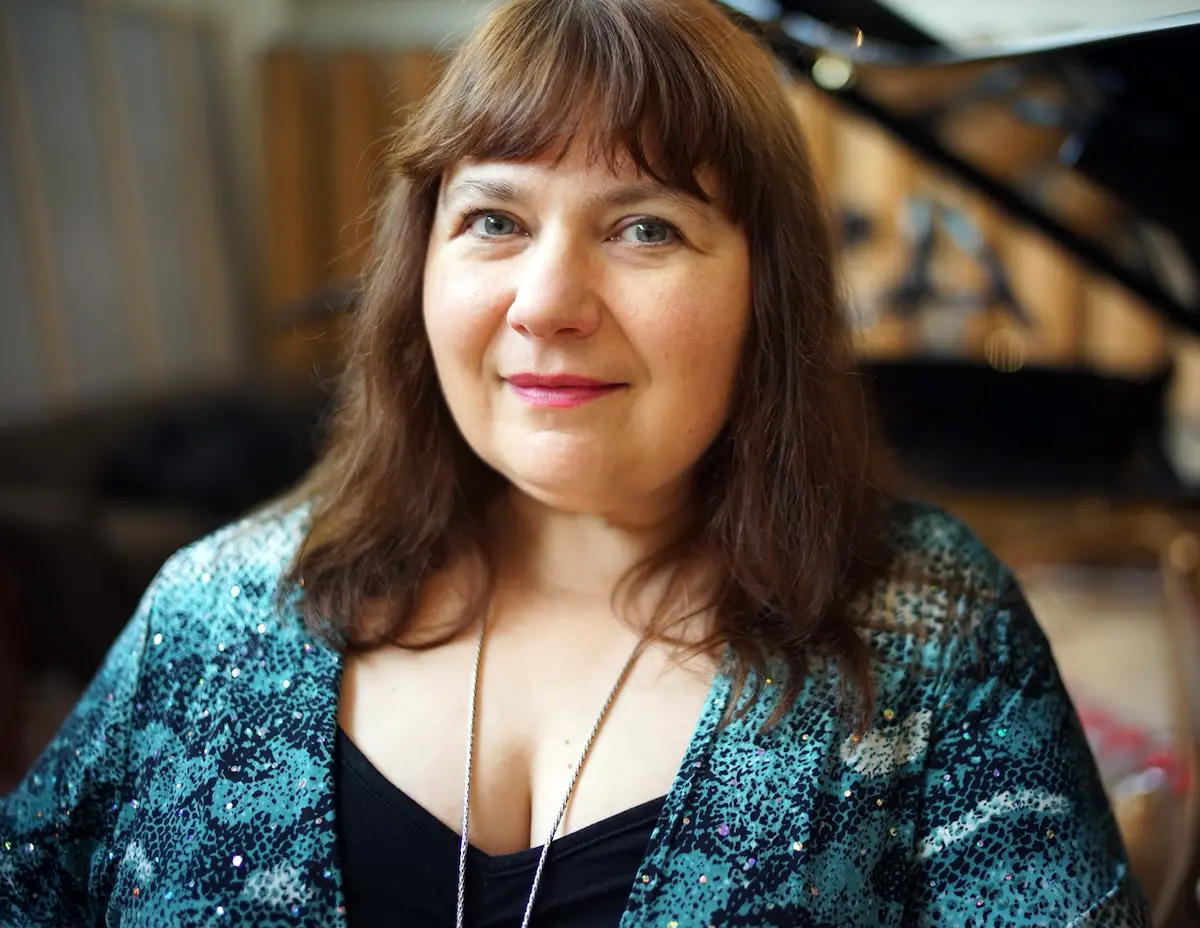
The contemporary jazz landscape is undergoing a significant period of diversification as evidenced by three major new releases that span the spectrum from classically infused improvisational suites to high-energy brass traditions and sophisticated melodic narratives. The arrival of Yelena Eckemoff’s double album Rosendals Garden, The Brass Funkeys’ Blow Horn!, and Hannah Horton’s Stories On The Wind marks a pivotal moment for independent jazz production in 2024 and 2025. These works represent not only the personal artistic evolutions of their respective leaders but also reflect broader trends in the global jazz industry, including the integration of travelogue-style compositions, the resurgence of community-oriented brass music, and the refinement of the jazz quartet format. By examining the technical specifications, recording contexts, and stylistic innovations of these releases, one gains a clearer picture of the current state of improvisational music and its move toward more atmospheric and accessible structures.
Yelena Eckemoff and the Swedish Influence: Rosendals Garden
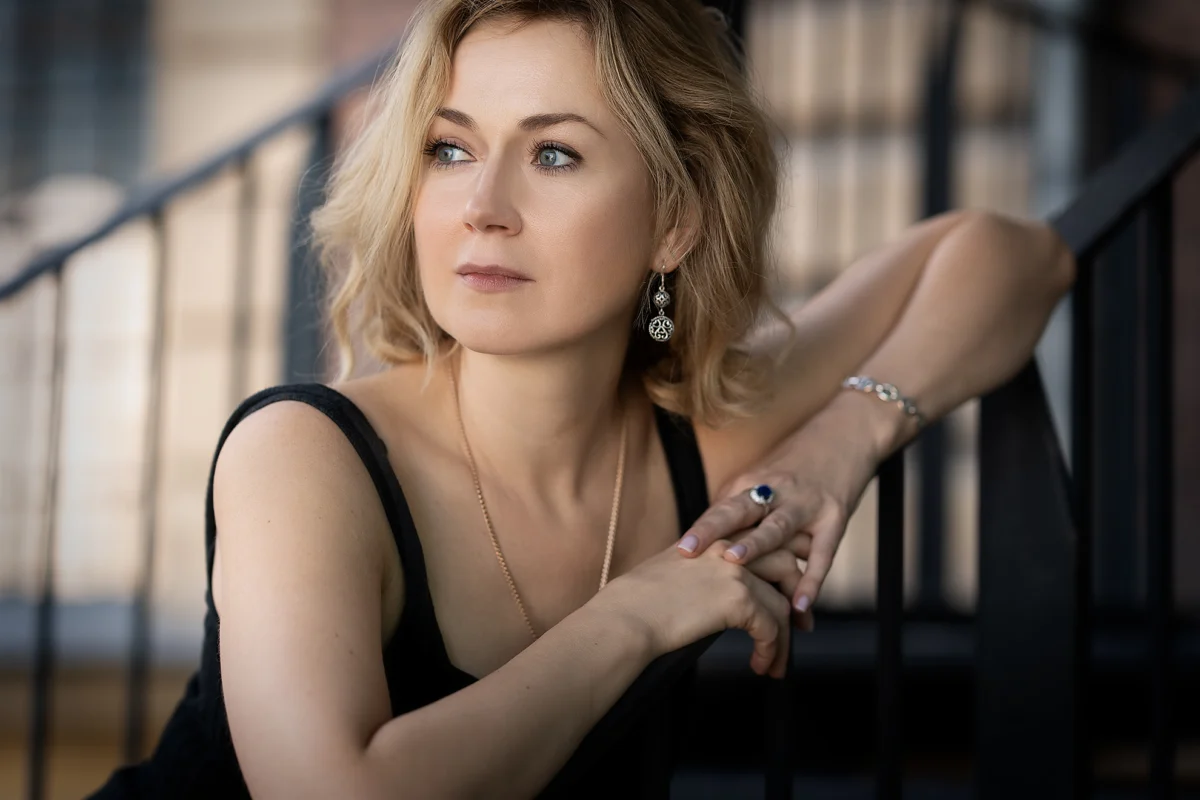
Yelena Eckemoff, a Russian-born pianist and composer now based in the United States, has long been recognized for her ability to bridge the gap between rigorous classical structures and the fluid spontaneity of jazz. Her latest offering, Rosendals Garden, is a double CD recorded at the prestigious RMV Studio in Stockholm, Sweden, on August 28 and 29, 2024. The choice of location is central to the album’s identity, as the compositions serve as a musical travelogue of Eckemoff’s experiences in Sweden. The album features a trio consisting of Eckemoff on piano and keyboards, Svante Henryson on cello and bass, and Morgan Ågren on drums and percussion.
The recording environment at RMV Studio, located on the island of Skeppsholmen, is known for its high-fidelity acoustics and historical connection to the Swedish pop and jazz scenes. This technical backdrop allows for the nuanced interplay between Eckemoff’s classically inspired piano lines and Henryson’s multifaceted string work. Henryson, a musician with a background spanning the Oslo Philharmonic and collaborations with rock guitarist Yngwie Malmsteen, provides a unique anchor for the project. On tracks such as "Öresund Bridge," his cello and bowed double bass carry the melodic weight, creating a bridge between the piano’s rhythmic dissonances and the drums’ shifting textures.
The structural composition of Rosendals Garden is characterized by what critics describe as an "unsettling yet wayward" energy. Eckemoff utilizes a technique of lulling the listener into a sense of melodic security before introducing subtle shifts in groove or harmony. This creates a psychological effect of instability, likened to a slight slant in an otherwise familiar setting. The album is divided into two distinct discs: the first focuses on locations such as the ABBA Museum and Gamla Stan, while the second explores natural reserves and historical sites like Gripsholm Castle. This geographical framework provides a narrative arc that moves from urban centers to the Swedish wilderness, mirrored in the music’s transition from catchy, structured grooves to more free-form, emotive explorations.
The Evolution of the British Brass Tradition: The Brass Funkeys
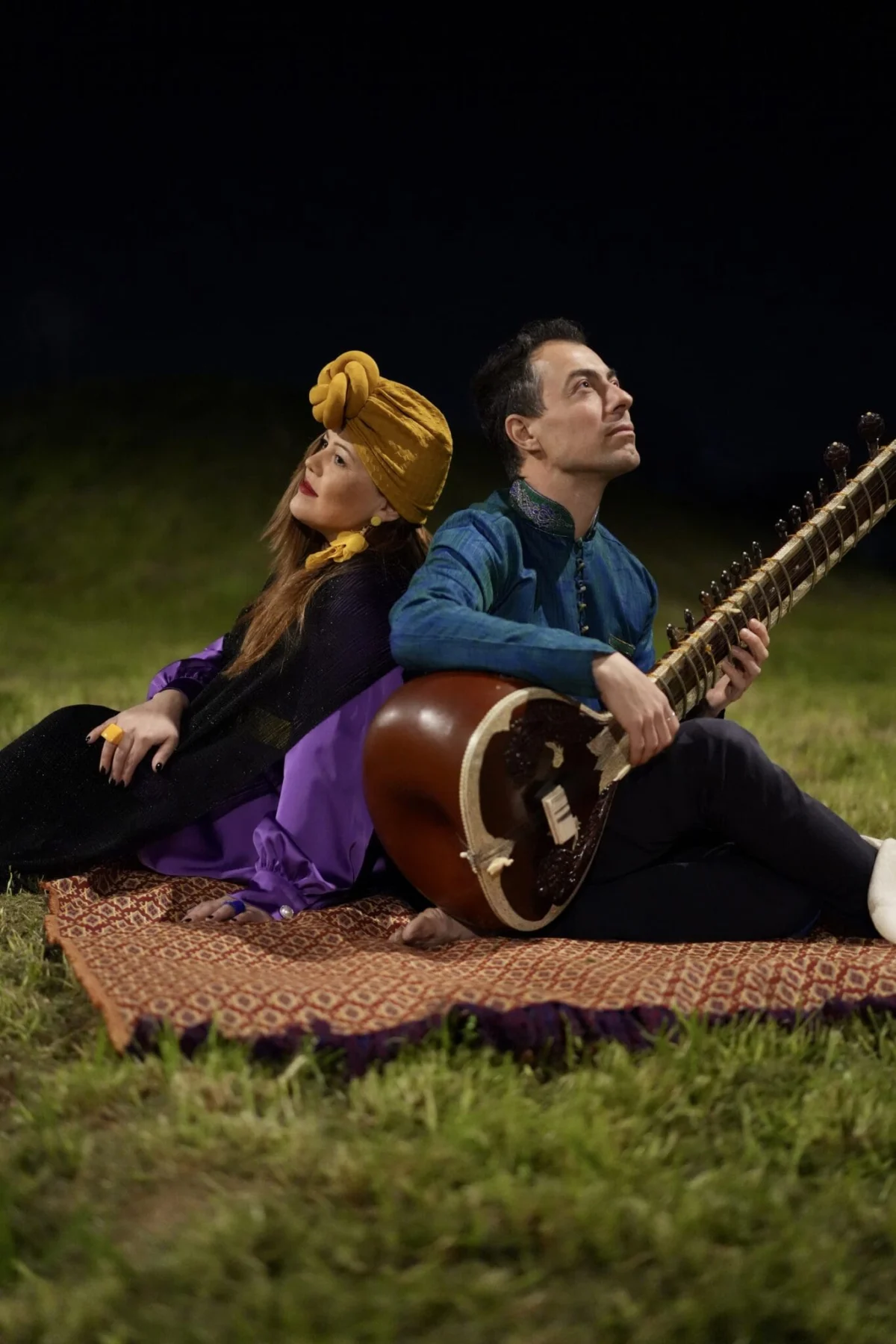
While Eckemoff explores atmospheric European landscapes, The Brass Funkeys represent a more visceral, community-rooted branch of the jazz tree with their album Blow Horn!. Recorded at Fish Factory Studios in Willesden, London, in May 2025, this project highlights the enduring strength of the British brass band tradition. Unlike the formal competitive brass bands of the industrial North, The Brass Funkeys draw heavily from the New Orleans "second line" tradition, though they modernize the sound with influences from funk, soul, Latin, and rock.
The ensemble is a nine-piece collective that prioritizes collective energy over individual virtuosity. The lineup includes three trumpets (Jack Banjo Courtney, Rob Smith, Rob Jericho), two trombones (Tom Green, Vij Prakash), tenor saxophone (Dave Robinson), sousaphone (John Caddick), and a two-man percussion section (Harpal Mudhar and Fred Harper). The technical foundation of Blow Horn! rests on the cross-rhythms between the higher brass and the driving bass lines provided by the sousaphone. This instrumentation allows the band to remain mobile and largely unamplified, a characteristic that ties them to the historical role of brass bands in marking life events such as births and marriages.
The repertoire on Blow Horn! consists entirely of original compositions, which is a departure for many brass ensembles that rely on standards or pop covers. Tracks like "Harvey Barnes" and "Spice Up Your Life" (a possible nod to the band’s eclectic influences) demonstrate a range that spans from mariachi-style flourishes to heavy rock beats. The recording process at Fish Factory Studios—a facility known for its vintage analog gear and "live room" feel—captures the momentum of the ensemble. Analysts note that while the studio setting cannot fully replicate the physical power of a live performance, the album serves as a sophisticated calling card for a band that thrives on public engagement and blood-stirring excitement.
Melodic Sophistication and the Baritone Saxophone: Hannah Horton
The third pillar of this contemporary jazz survey is Hannah Horton’s Stories On The Wind, released on Swinging Cat Records. Recorded in August 2025 at Red Kite Studio in Carmarthenshire, Wales, the album presents a more traditional but highly refined quartet setting. Horton, performing on both tenor and baritone saxophone, is joined by Sam Leak on piano and organ, Rob Statham on electric bass, and Steve Taylor on drums and percussion.
Horton’s work is distinguished by its accessibility and emotional clarity. In an era where avant-garde jazz often prioritizes complexity, Stories On The Wind focuses on lyrical, stylish melodies and a consistent sense of "groove." The baritone saxophone, an instrument often relegated to the background of big bands, is here used as a primary melodic voice. Horton’s playing is described as warm and fluid, avoiding the melodrama often associated with solo saxophonists. On tracks like "Peace Speak," her baritone solos navigate chord changes with a relaxed eloquence that maintains the quartet’s rhythmic momentum.
The album’s title and accompanying liner notes suggest a series of narratives inspired by personal challenges and emotional states. However, the musical execution suggests a unified theme of resilience and optimism. The quartet displays a high level of synchronization, particularly between Horton and the rhythm section of Statham and Taylor. While the album may not seek to revolutionize the genre’s technical boundaries, its significance lies in its "distinctive, personal voice" and its ability to serve as a "safe haven" for listeners seeking intelligent, well-crafted music.
Comparative Chronology and Recording Specifications
The production timelines of these three albums offer insight into the current pace of the jazz industry.
- Yelena Eckemoff (August 2024): Recorded in Stockholm, focusing on a double-disc format to allow for an expansive "travelogue" narrative. Released via L & H Production.
- The Brass Funkeys (May 2025): Recorded in London, opting for an independent release model. The focus was on capturing the energy of a nine-piece live ensemble within a studio environment.
- Hannah Horton (August 2025): Recorded in rural Wales, utilizing a smaller quartet to emphasize melodic intimacy and high-fidelity sound quality. Released via Swinging Cat Records.
These recordings demonstrate a geographical diversity that is increasingly common in the jazz world. From the urban intensity of London to the historical resonances of Stockholm and the secluded landscapes of Wales, the environment of the recording studio has become a character in the music itself. The use of specialized studios like RMV and Fish Factory indicates a commitment to high-production values even within the independent sector.
Broader Impact and Industry Implications
The release of these three albums highlights several key trends in the global jazz market. First is the shift toward artist-led projects that bypass traditional major-label constraints. Eckemoff and The Brass Funkeys, in particular, show how specific themes—be they geographical or community-based—can drive a marketing narrative.
Second, there is a clear trend toward the "genre-fluid" jazz experience. The Brass Funkeys’ inclusion of world music and rock elements, alongside Eckemoff’s classical-jazz hybridity, suggests that modern audiences are less interested in rigid genre definitions and more interested in atmospheric and rhythmic diversity. This is further supported by the commercial viability of Hannah Horton’s melodic approach, which bridges the gap between "connoisseur" jazz and broader listener appeal.
Furthermore, the prominence of the cello (Henryson), the sousaphone (Caddick), and the baritone saxophone (Horton) as lead instruments across these releases indicates a move away from the traditional trumpet-or-tenor-sax-led hierarchy. This diversification of the "lead voice" in jazz allows for new textural possibilities and helps the genre remain relevant in a crowded global music market.
In conclusion, the arrival of Rosendals Garden, Blow Horn!, and Stories On The Wind provides a comprehensive look at the vitality of the current jazz scene. Whether through the moody, atmospheric explorations of Yelena Eckemoff, the high-octane community spirit of The Brass Funkeys, or the sophisticated lyricism of Hannah Horton, these artists are successfully navigating the complexities of the modern industry while maintaining a commitment to their unique artistic visions. As these albums enter the public consciousness, they reinforce the idea that jazz is not a static tradition but a living, breathing entity that continues to draw inspiration from the world around it.