Mia Khoirunisa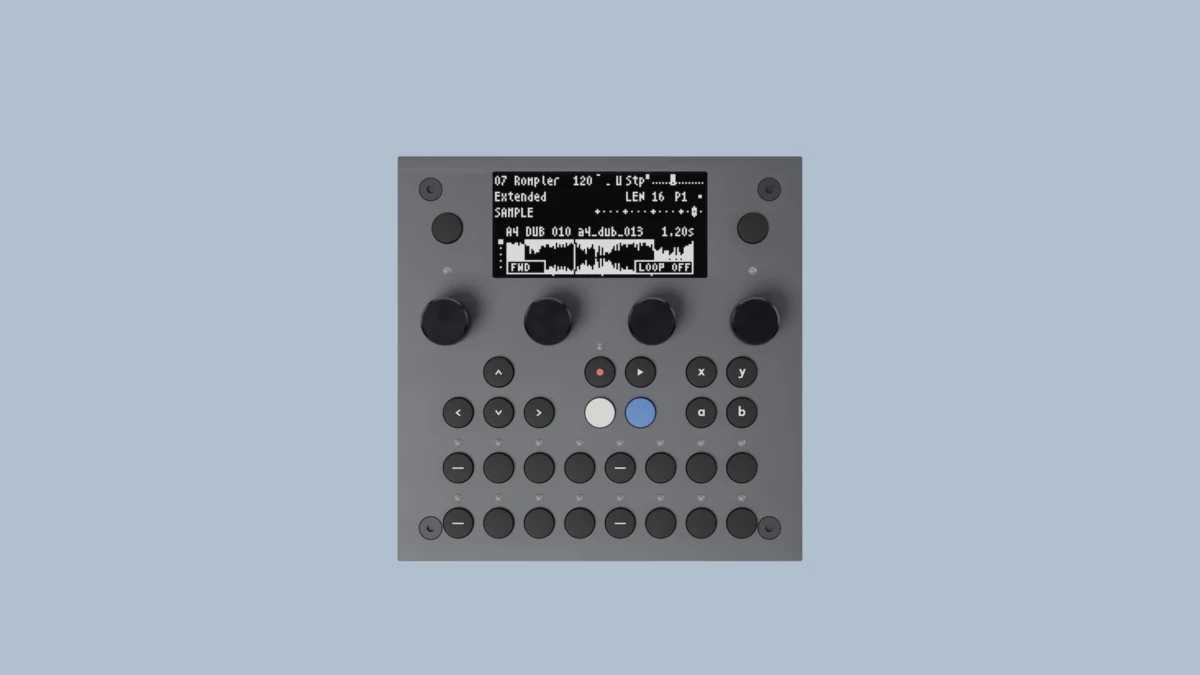
The music technology landscape is abuzz with the announcement of the TBD 16, a groundbreaking portable groovebox that promises to redefine the genre by offering an unparalleled level of openness, customization, and raw processing power within a compact, accessible form factor. Priced at €499 inclusive of VAT and now available for pre-order, this device represents a significant departure from traditional groovebox design, catering to both seasoned electronic musicians and burgeoning DIY enthusiasts alike. Developed by dadamachines, a company known for its innovative approach to musical hardware, the TBD 16 builds upon years of research and development, culminating in a product that delivers the functionality of larger, more expensive competitors in a fraction of the size, weight, and cost.
The genesis of the TBD 16 can be traced back to the vision of Johannes Lohbihler, founder of dadamachines. Lohbihler, whose previous work includes the celebrated automat toolkit—a series of robotic MIDI controllers that transform everyday objects into percussion instruments—brings a unique perspective to hardware design. His experience at KORG Berlin during the development of their Phase 8 technology further honed his understanding of cutting-edge audio processing and user interface design. The TBD 16 embodies this philosophy, offering a device that is both immediately usable out-of-the-box and infinitely expandable for those who wish to delve deeper into its architecture. This dual nature mirrors the success of the automat toolkit, which, while appealing to DIY makers, also provides a robust and immediate creative tool for immediate use.
At its core, the TBD 16 is built upon the CTAG TBD open-source platform, a testament to collaborative development in the electronic music community. This foundation, originally created by Robert Manzke, has been significantly enhanced through contributions from Per-Olov Jernberg, Benjamin Weiss, and Servando Barreiro, ensuring a robust and well-rounded platform. The project’s evolution reflects a deep understanding of user needs, moving beyond proprietary ecosystems to embrace a more flexible and empowering approach to music creation.
The Physical Form Factor: Power in the Palm of Your Hand
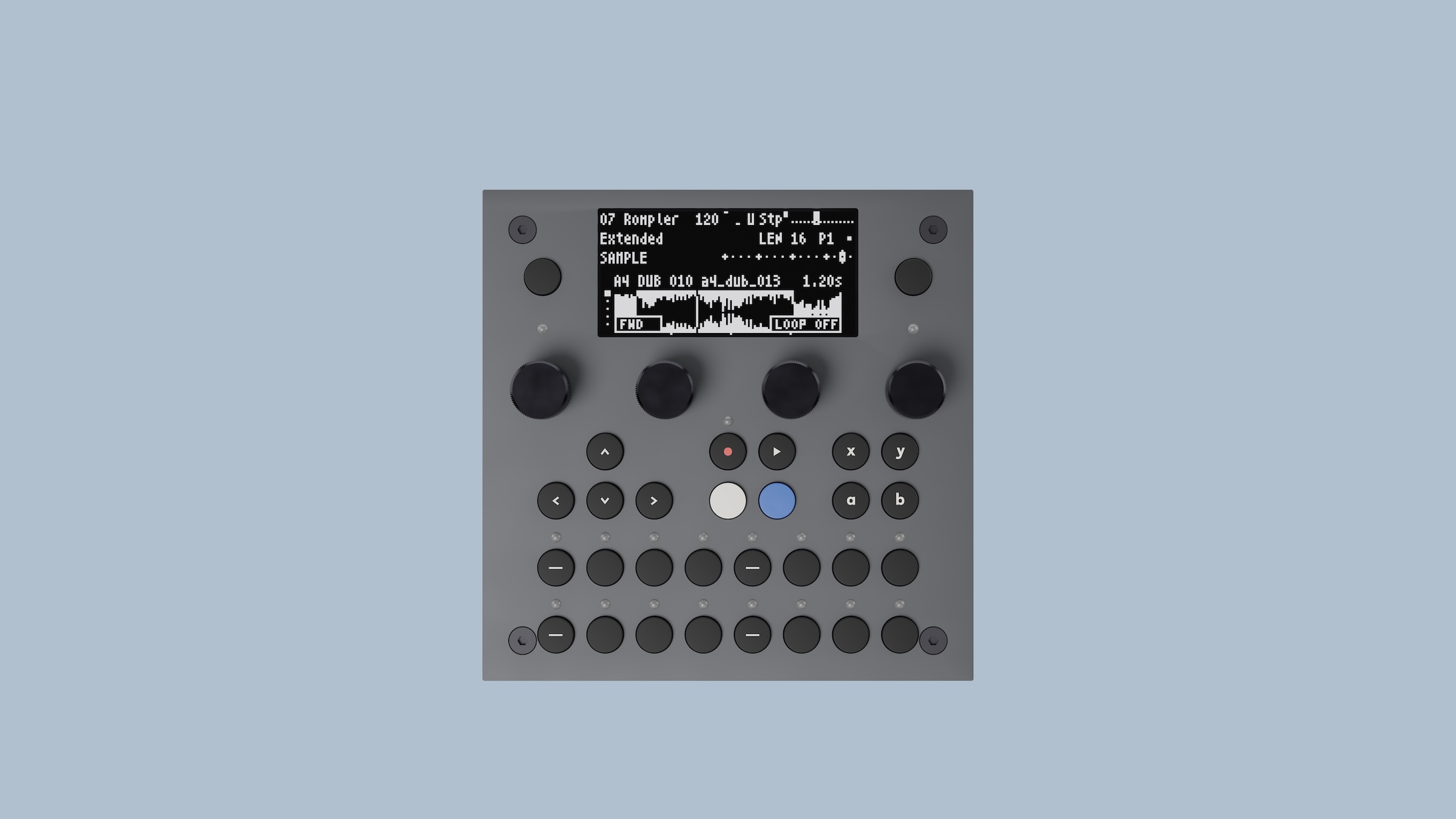
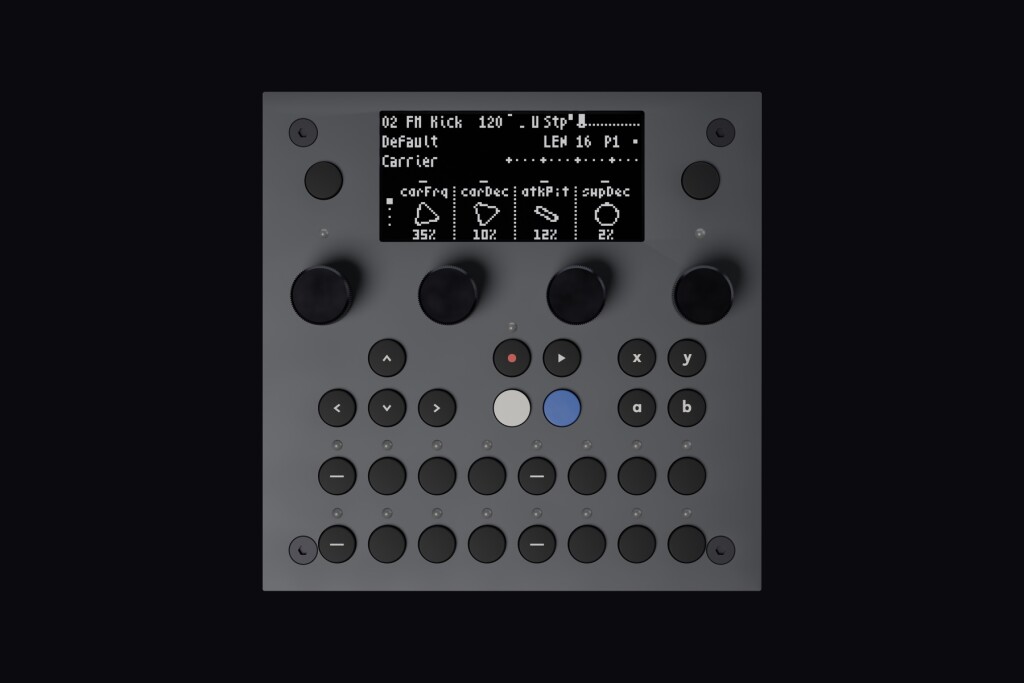
The TBD 16 immediately distinguishes itself with its exceptionally compact and robust physical design. Measuring a mere 110 x 110 x 25 mm, it is small enough to fit comfortably in the palm of a hand, yet constructed with premium materials to ensure durability. The unit features an anodized aluminum top panel paired with a powder-coated steel base, giving it a solid, professional feel. Its minimalist aesthetic belies the powerful technology housed within.
Key hardware specifications include:
- Display: A bright and clear 2.4-inch OLED display provides essential visual feedback for navigation and parameter adjustments.
- Controls: 30 tactile buttons with RGB feedback offer a satisfying and responsive user experience, ideal for programming rhythms and melodies. The buttons are designed for tactile precision, crucial for live performance and detailed sequencing.
- Encoders: Four high-quality endless encoders provide intuitive control over various parameters, allowing for smooth and nuanced adjustments.
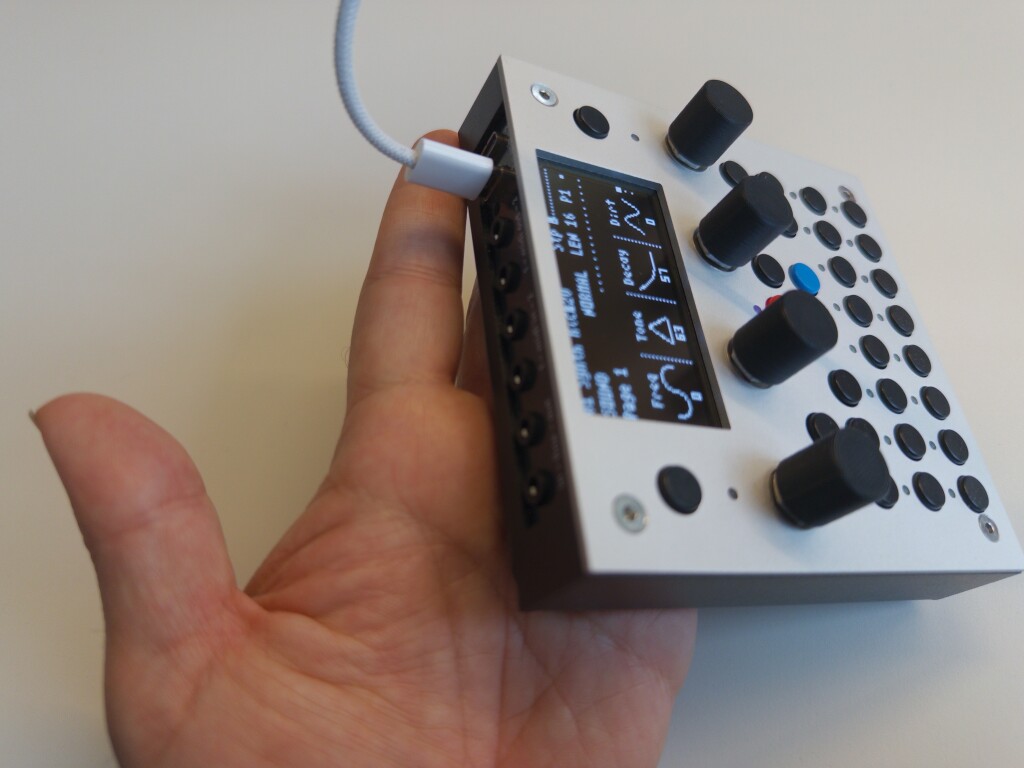
- Power: The TBD 16 is powered via USB-C (5V), offering broad compatibility with modern power sources, including power banks. A dedicated power bank mount allows users to easily attach their preferred battery solution, enhancing portability and extending battery life without being tethered to a wall outlet. This design choice also facilitates air travel, as users can choose to omit the battery for easier check-in.
- Connectivity: A comprehensive array of connectivity options includes:
- 2x TRS MIDI In and 2x TRS MIDI Out ports (using minijack Type-A connectors), enabling seamless integration with external MIDI hardware.
- Stereo line input and output, facilitating connection to mixers, audio interfaces, and other studio gear.
- A dedicated headphone output for private monitoring.
- A dedicated volume wheel for quick and easy audio level adjustments.
- 2x microSD card slots, essential for loading custom apps, sound engines, and firmware updates.
- Integrated WiFi 6, supporting advanced networking features and potential for wireless updates and control.
- Expansion: A USB host connection allows for the integration of additional controllers and peripherals, further expanding the TBD 16’s capabilities.
Internal Architecture: A Multi-Processor Powerhouse
Beneath its sleek exterior, the TBD 16 boasts a sophisticated internal architecture designed for uncompromising audio performance and responsiveness. The device is powered by three dedicated processors, each optimized for specific tasks:
- ESP32-P4: This powerful dual-core processor handles the Digital Signal Processing (DSP), ensuring high-fidelity audio synthesis and effects processing.
- RP2350B: This processor manages the User Interface (UI) and MIDI processing, ensuring a fluid and interactive user experience.
- ESP32-C6: This chip is dedicated to handling WiFi duties, enabling robust wireless connectivity.
This multi-processor approach ensures that no single task bottlenecks the system, guaranteeing rock-solid sound performance even under heavy load. This is a significant advantage over many single-processor devices, where demanding DSP tasks can sometimes impact UI responsiveness or vice versa.
The Groovebox App and Customizable Sound Engines
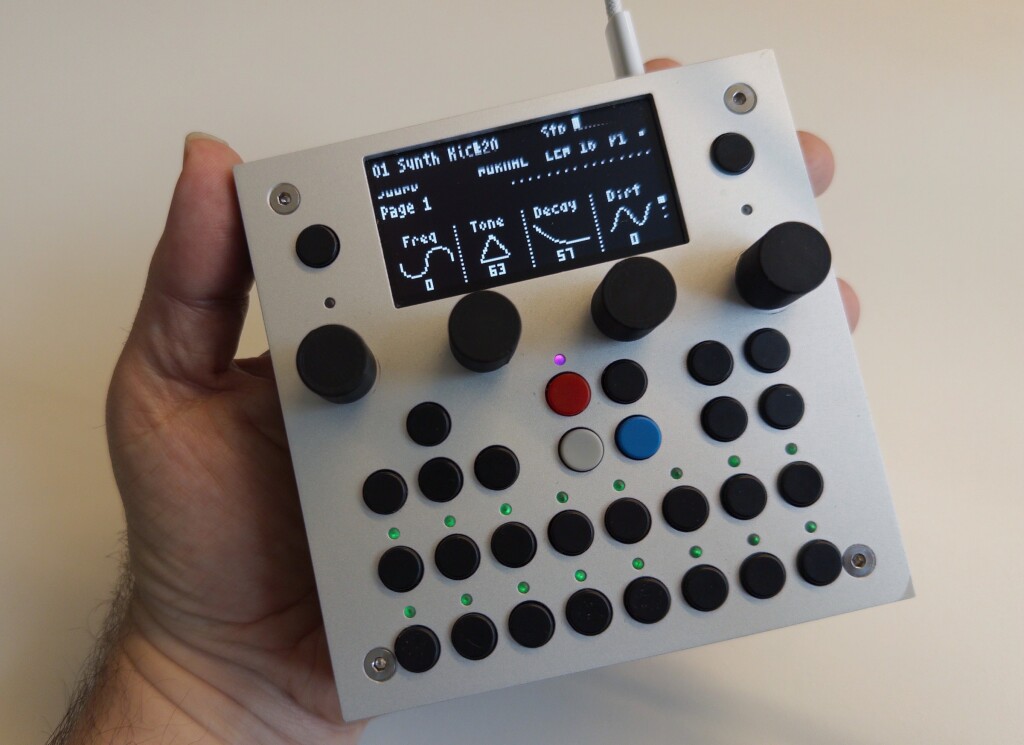
Out of the box, the TBD 16 comes pre-loaded with a fully functional groovebox application, complete with a sophisticated sequencer and a diverse range of sound engines. This default configuration provides an immediate creative playground for users, allowing them to start making music without any prior setup.
The sound generation capabilities are powered by what dadamachines refers to as "Machines." These are essentially the software-based sound engines and synthesis algorithms that drive the TBD 16’s sonic output. The initial release includes a selection of highly regarded engines, notably those inspired by the iconic Mutable Instruments Plaits and Braids, developed by Émilie Gillet. These virtual analog and complex oscillator engines are renowned for their versatility and sonic character, forming a strong foundation for sound design.
Beyond these established classics, dadamachines has also introduced new, proprietary "Machines." These include:
- A custom FM kick drum, designed to deliver punchy and versatile low-end.
- New iterations of rimshot and clap sounds, offering modern percussive textures.
- A novel chord pad engine, enabling rich harmonic layering.
The true power of the TBD 16 lies in its extensibility. The platform is designed to accommodate new sound engines, allowing users to expand its sonic palette as their creative needs evolve. The documentation highlights the potential for Vult DSP support, meaning users familiar with the Vult DSP language could potentially port or develop their own synthesis algorithms, drawing inspiration from Vult modules available in platforms like VCV Rack. This open-ended approach empowers users to tailor the TBD 16’s sound generation precisely to their preferences, fostering a dynamic and ever-growing ecosystem of sound design tools. Developers are encouraged to explore the CTAG TBD GitHub repository for detailed information and tools to contribute to this expanding library.
Running Your Own Apps: A Platform for Innovation
The TBD 16 transcends the typical limitations of dedicated hardware by enabling users to run entirely custom applications. This is not a "hacked" mode but a core feature, accessible via the microSD card slots. Users can switch between different applications by simply inserting a card with the desired software.
A full Web UI, accessible over USB or WiFi, further enhances this flexibility. This eliminates the need for any software installation on a computer, providing an always-on, always-accessible interface for managing the device, editing parameters, and loading applications.
The range of potential applications is vast and limited only by the ingenuity of the user and developer community. Examples highlighted include:
- MCL (MegaCommand Live): A port of Justin Mammarella’s (jmamma) popular application, transforming the TBD 16 into an external controller and sequencer for devices like the Elektron Machinedrum. This showcases the TBD 16’s ability to act as a central hub in a larger electronic music setup.
- Synthesizer and Effects Host: The TBD 16 can be repurposed as a standalone synthesizer or a powerful multi-effects processor, leveraging its internal DSP capabilities.
- Mobile Music Companion: It can function as a MIDI controller and audio interface for iOS devices like the iPhone and iPad, bridging the gap between portable mobile music production and dedicated hardware.
- Gaming: In a demonstration of its versatility, the TBD 16 can even run classic games like Doom, underscoring the power of its underlying processors and the flexibility of its open platform.
This ability to run custom applications sets the TBD 16 apart from many existing portable grooveboxes, which are often locked into proprietary firmware. While devices like the Daisy platform have explored similar avenues, the TBD 16’s more powerful processing capabilities open up a wider range of possibilities for more complex applications and demanding DSP tasks. The development environment is entirely free, with no token fees or restrictive SDKs, further lowering the barrier to entry for aspiring developers.
Developers and Open Source Commitment
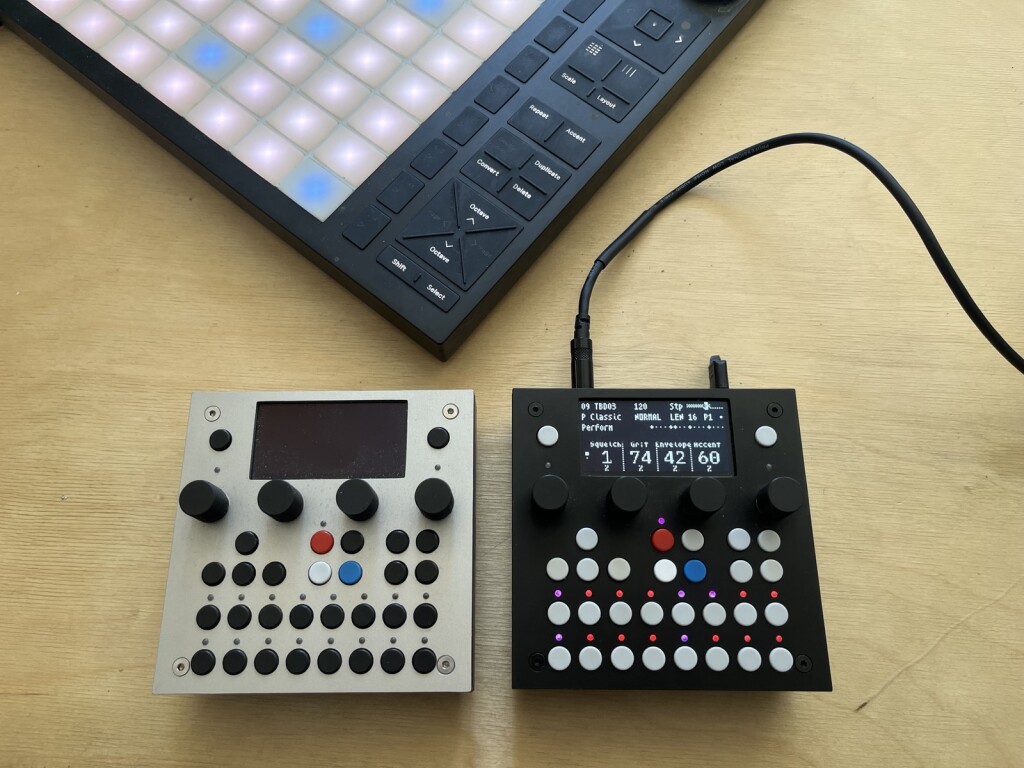
dadamachines has demonstrated a profound commitment to the open-source philosophy. The firmware for the TBD 16 is fully open source, licensed under GPLv3. This includes the DSP code and web editing tools, allowing developers to inspect, modify, and contribute to the core functionality of the device. While the specific hardware design is proprietary, dadamachines is actively supporting an parallel open-source hardware developer platform.
The primary hub for developers is dadamachines’ GitHub repository, which hosts all necessary code and resources. The CTAG TBD project, originally an open-source Eurorack module, serves as a foundational element. This modularity means that users can even build the TBD 16 as a Eurorack module themselves, further cementing its DIY appeal. dadamachines maintains its own open-source fork of the CTAG TBD project, specifically adapted for the TBD 16. As the manufacturing of the ESP32-P4 DSP chip ramps up, the potential for further hardware innovation and accessibility is expected to grow. An earlier version of the CTAG TBD platform, showcased in a YouTube demonstration, provides a glimpse into the developer platform’s capabilities and potential for expansion.
Pricing and Availability: A New Benchmark for Value
The TBD 16 is positioned to set a new benchmark for value in the portable groovebox market. Priced at €499 (including VAT), it offers a feature set and level of customization typically found in devices costing significantly more. The device is currently available for pre-order, with dadamachines allowing reservations without an upfront deposit, a customer-friendly approach that encourages early adoption.
Attendees of Superbooth 2024 in Berlin have the opportunity to experience the TBD 16 firsthand at booth Z385. This presence at a major industry event underscores the significance of this release and provides a platform for musicians and developers to engage with the technology directly.
Further details and documentation can be found at:
- dadamachines tbd: https://dadamachines.github.io/ctag-tbd/
- tbd 16 documentation: https://docs.dadamachines.com/tbd-16
The TBD 16 represents more than just a new piece of hardware; it signifies a paradigm shift in how portable electronic music instruments are conceived and developed. By prioritizing openness, community collaboration, and user-driven customization, dadamachines has created a device that is poised to empower a new generation of musicians and sound designers. Its compact size, robust build, powerful processing, and incredibly flexible software architecture make it an compelling proposition for anyone seeking a creative tool that can grow and adapt with their evolving musical journey. The implications for the music technology industry are far-reaching, potentially inspiring further innovation in open-source hardware and fostering a more collaborative and accessible ecosystem for electronic music creation.