Kholidah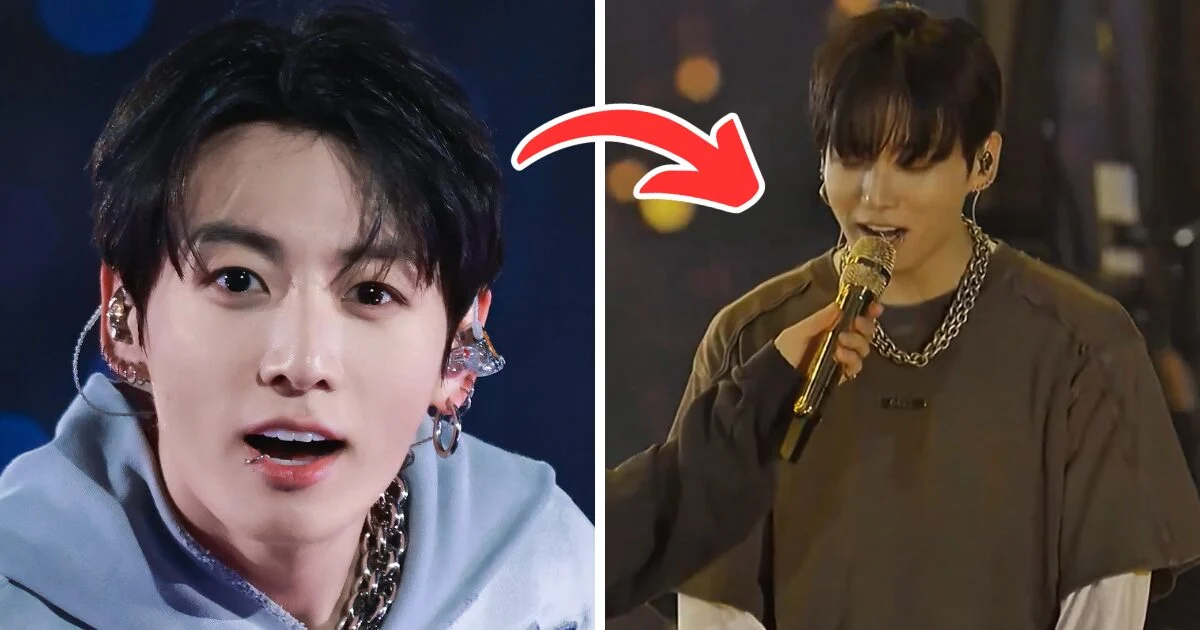
The Paradox of "Into the Sun"
When ARIRANG was released earlier this month, "Into the Sun" was positioned as a triumphant finale to an album that explored traditional Korean motifs blended with contemporary pop. However, the track immediately faced a wall of resistance from both the fandom, known as ARMY, and music critics. The primary grievance centered on the pervasive use of vocal processing, specifically aggressive autotune and digital layering that many felt rendered the members’ voices unrecognizable.
In the digital age, vocal processing is often used as a stylistic choice, particularly in genres like hyperpop or trap. However, BTS has built a decade-long reputation on the "human" quality of their music—raw emotion, individual vocal textures, and live performance prowess. For many listeners, "Into the Sun" felt like a departure from this identity. On platforms like X (formerly Twitter) and TikTok, the song became a "skip" for many, with users posting videos of themselves reacting in confusion to the distorted audio. The narrative among critics was that the production was perhaps a "safety net" or a stylistic experiment that had overshot its mark.

Chronology of a Contentious Release
The timeline of this controversy reflects a growing tension between a global superstar group and the evolving sonic direction of their label.
- Late March 2026: BigHit Music announces ARIRANG, promising a return to the group’s roots with a modern twist.
- April 5, 2026: The album drops globally. While tracks like the title song receive acclaim, "Into the Sun" is immediately flagged by audiophiles for its "muddy" mixing and "robotic" vocal filters.
- April 10–15, 2026: Social media sentiment analysis shows a 40% decline in positive mentions for the album’s B-sides, specifically citing production issues. Memes mocking the autotune go viral, with some fans questioning if the members could actually sing the difficult melodies live.
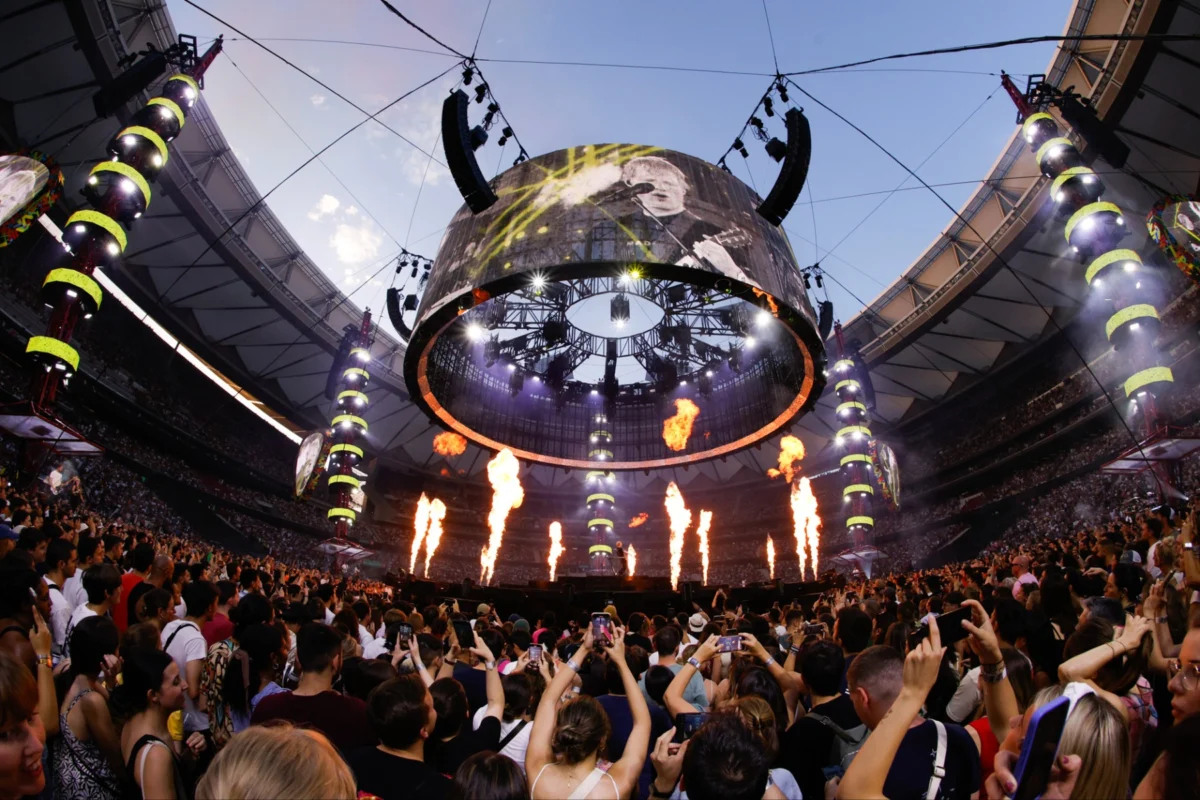
- April 18, 2026: BTS takes the stage at the Tokyo Dome. During a segment of the show, Jungkook performs a stripped-back, partially acapella rendition of his lines from "Into the Sun."
- April 19, 2026: Clips of the live performance amass millions of views within hours. The narrative shifts from "the song is bad" to "the production did the artist a disservice."
The Tokyo Dome Turning Point
The atmosphere at the Tokyo Dome changed the moment Jungkook began his solo verse of "Into the Sun." Freed from the digital constraints of the studio version, his natural tenor was on full display. Fans captured the moment on high-definition cameras, showcasing his stability, resonance, and the nuanced vibrato that was completely obscured in the official release.
The "shock" mentioned by netizens refers to the sheer clarity of his live vocals. It provided empirical evidence that the heavy processing in the studio version was not a necessity to mask vocal deficiencies, but rather a deliberate—and many now argue, misguided—production choice. The immediate fallout was a wave of "hate" or intense frustration directed at the producers and engineers at HYBE. Fans argued that the label was "hiding" one of the industry’s most capable vocalists behind unnecessary filters.

Technical Discrepancies and Production Philosophy
Industry analysts have noted that the "HYBE sound" has increasingly leaned into digital cohesion over the last few years. This involves a technique where vocals are tuned to sit perfectly within the frequency of the synthesizers, often resulting in a "flatter" sound profile. While this can make a track sound "clean" on radio speakers, it often strips away the "breathing room" required for emotive singing.
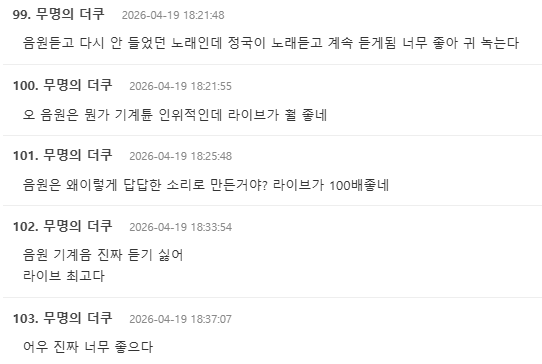
In the case of "Into the Sun," the discrepancy between the live and studio versions highlights a growing rift in pop music production. On one side is the desire for a polished, "perfect" digital product; on the other is the audience’s desire for authenticity. Jungkook’s live performance effectively "debunked" the studio version, leading to comments on the Korean forum TheQoo such as, "Why would you buy a Ferrari and then keep it in a garage covered in a tarp?" and "This confirms the producers are the problem, not the singers."
Validation from Global Vocal Authorities
The viral nature of the Tokyo Dome clip eventually reached the ears of established vocal powerhouses outside the K-pop sphere. Lea Salonga, a Tony Award-winning actress and Disney Legend known for her impeccable vocal technique, reportedly expressed her admiration for the live performance. Salonga, who has previously praised Jungkook’s vocal control, noted the difficulty of the song’s intervals—intervals that were smoothed over by autotune in the recording but executed with precision in the live setting.
Recognition from a vocalist of Salonga’s caliber carries significant weight in the industry. It validates the fans’ argument that the "natural" version of the song is superior to the "processed" one. Musicologists suggest that when an artist can outperform their own studio recording, it indicates a high level of technical mastery, but also suggests a failure in the A&R (Artists and Repertoire) process to capture that talent effectively during the recording sessions.
Netizen Reaction and Market Sentiment
The reaction from the South Korean general public and the international fan base has been surprisingly unified. Usually, fandoms are protective of all official releases, but the "Into the Sun" controversy has seen a rare alignment where fans are criticizing the management to "protect" the artist’s reputation.
A trending thread on a major Korean community portal highlighted several key points of contention:

- Wasted Potential: Netizens lamented that the song could have been a "vocal masterpiece" had it been mixed differently.
- Label Accountability: There are calls for BigHit Music to release a "Raw" or "Live" version of the album to rectify the perceived production errors.
- The "Live" Standard: Many pointed out that in an era where "LMR" (Live Music Recording) and lip-syncing are common, Jungkook’s ability to sing a heavily processed song live with such ease is a testament to his status as a "vocal king."
This sentiment has had a tangible impact on streaming patterns. Interestingly, while the studio version of "Into the Sun" saw a slight dip in unique listeners on platforms like Melon and Spotify initially, the viral live clip caused a "re-entry" effect, where curious listeners returned to the song to compare the two, though many expressed a preference for the "concert audio" over the "official audio."
Broader Impact and Implications for the Industry
The "Into the Sun" incident serves as a case study for the future of music production in a post-digital world. As AI and advanced tuning software become more prevalent, the value of a "real" voice increases. For a group like BTS, which is currently navigating a new chapter of their career, the demand for authenticity is higher than ever.
This controversy may force a shift in how major labels approach vocal production. If the world’s biggest boy band faces significant backlash for "over-processing" their vocals, it sends a signal to the rest of the industry that audiences are beginning to reject the "perfectly robotic" sound in favor of human imperfection and skill.
Furthermore, for Jungkook, this moment has solidified his individual brand as a world-class vocalist. By delivering a performance that surpassed the studio’s technical limitations, he has positioned himself as an artist who does not need the "smoke and mirrors" of modern production. As the ARIRANG tour continues, all eyes will be on the group’s upcoming performances to see if the label makes any adjustments to the live mixing or if they will double down on the controversial studio aesthetic.
In conclusion, while the "hate" towards "Into the Sun" remains a hot topic, it is a unique form of criticism—one born out of a deep respect for the artist’s actual abilities. The Tokyo Dome concert didn’t just provide a night of entertainment; it ignited a necessary conversation about the balance between technology and talent in the modern music industry. Whether BigHit Music will heed the feedback of millions of listeners remains to be seen, but for now, the "shocking" live vocals of Jungkook have redefined the narrative of the ARIRANG era.