Muhammad Ibadurrohman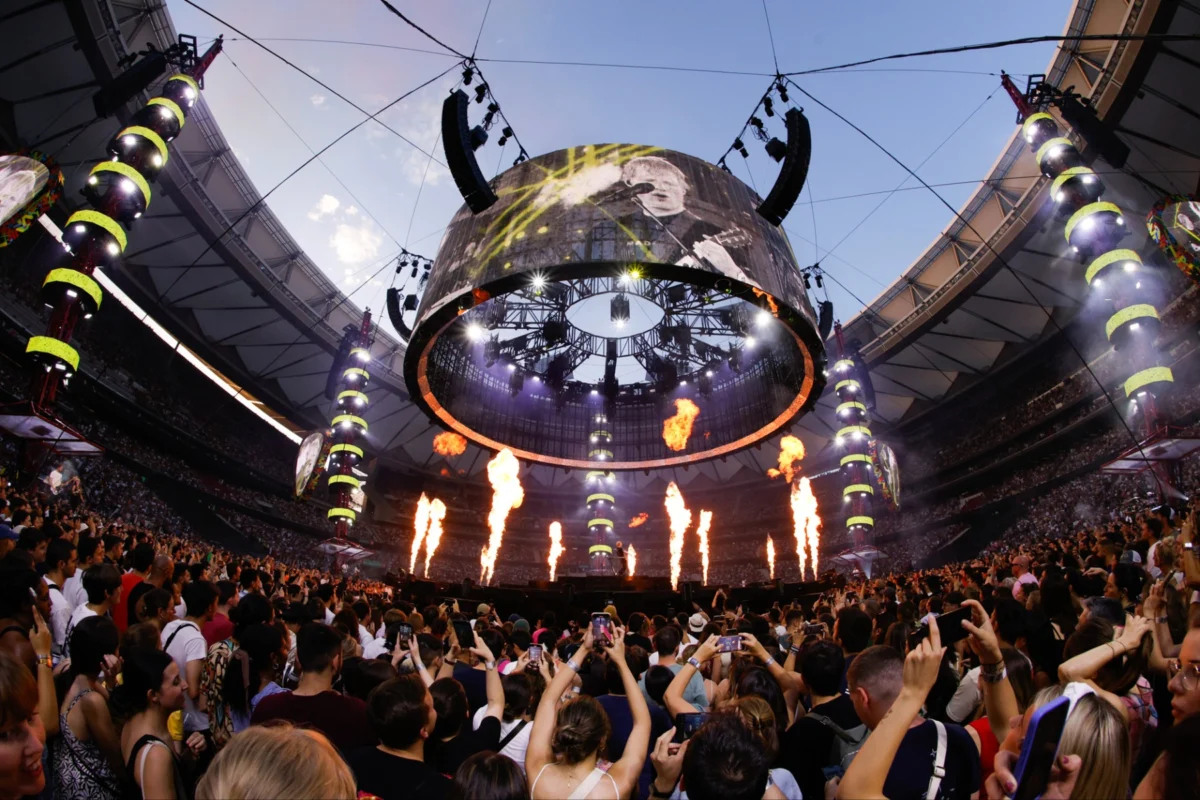
A groundbreaking new study by Sympathy for the Lawyer (SFTL) and Incentiva Music has meticulously quantified the profound economic footprint of concerts and festivals across Spain, revealing an astonishing impact that positions live music as a formidable engine of national prosperity. The report, published on Thursday, April 16, highlights that for every euro spent on a concert ticket, more than seven euros are injected into the broader economy, underscoring the sector’s significant multiplier effect. In 2025, the total economic activity generated by official concerts and festivals in Spain reached an impressive €5.812 billion (approximately $6.875 billion). When expanded to include unofficial segments such as electronic music events in clubs, free public concerts, and classical music performances, this figure escalates even further to €6.393 billion ($7.563 billion), solidifying live music’s status as a pivotal economic force.
Unveiling the Economic Ripple Effect: Methodology and Key Findings
The comprehensive analysis, now in its third consecutive edition, employs the rigorous Oxford Economics methodology, a globally recognized standard for assessing the total economic contribution of industries. This approach meticulously tracks direct, indirect, and induced impacts, providing a holistic view of the sector’s reach.
The study delineates economic activity into three distinct categories:
- Direct Impact: This encompasses the primary spending occurring within venues, totaling €1.261 billion ($1.491 billion) in 2025. This includes revenue from ticket sales, merchandise, food and beverage concessions, VIP experiences, and direct employment of artists, promoters, technical crews, and venue staff.
- Indirect Impact: Amounting to €3.210 billion ($3.797 billion), this category captures the ripple effect throughout associated industries. It includes significant spending on accommodation (hotels, guesthouses, short-term rentals), dining (restaurants, bars), transportation (flights, trains, local taxis, ride-sharing services), and retail purchases made by concert-goers and event staff. These expenditures stimulate local economies well beyond the immediate vicinity of the concert venue.
- Induced Impact: This final layer, calculated at €1.341 billion ($1.586 billion), represents the multiplier effect generated as wages and profits from the direct and indirect impacts are recirculated through the economy. For instance, employees in the hospitality sector, having earned wages from accommodating concert attendees, then spend that income on other goods and services, creating further economic activity.
This detailed breakdown illustrates the intricate web of economic relationships fostered by the live music sector, demonstrating its capacity to stimulate growth across a diverse range of ancillary industries.
Record-Breaking Ticket Sales and Robust Growth
Official ticket sales for live music events in Spain reached an unprecedented €807.2 million ($954 million) in 2025, as reported in the 2026 Yearbook of the Asociación de Promotores Musicales (APM). This figure marks a new all-time high, representing a robust 11% growth compared to 2024. This consistent upward trajectory underscores a vibrant and resilient sector, successfully capitalizing on a resurgence in demand for shared cultural experiences following previous global disruptions.
The growth is not merely a post-pandemic rebound but indicative of a deeper trend towards experiential consumption. In 2024, the sector had already demonstrated significant momentum, with the previous edition of the SFTL and Incentiva Music study estimating an overall economic impact of €5.314 billion. This progression from €5.314 billion in 2024 to €5.812 billion in 2025 (for official segments) signifies a healthy and accelerating expansion, with ticket sales having seen an estimated 15% surge in 2024 from approximately €727 million in 2023.
Outperforming Traditional Entertainment Sectors

The study reveals that live music’s economic contribution now rivals, and in some cases surpasses, that of other established entertainment industries in Spain.
- Comparison with Professional Soccer: Live music ticket sales, at €807.2 million, are remarkably on par with matchday revenues from professional soccer in Spain, which amounted to €902 million ($1.067 billion) for LaLiga in the 2024-25 season. When including the broader segments not covered by APM (such as electronic music in clubs and classical concerts), live music revenue approaches €1.005 billion ($1.188 billion), effectively outstripping professional football’s direct matchday income. This parity highlights live music’s growing significance in the Spanish leisure economy, drawing comparable crowds and generating substantial direct revenue streams.
- Comparison with Cinema: The gap between live music and cinema is even more pronounced. In 2025, live music generated 78% more revenue than the cinema industry, which recorded €453 million ($535 million) according to Comscore. Over a two-year period, live music demonstrated an impressive 34% growth, while cinema experienced a 6.5% decline. This divergence reflects evolving consumer preferences, with audiences increasingly valuing the unique, communal, and often immersive experience offered by live performances over the more solitary and increasingly digital experience of cinema. The rise of streaming services has significantly impacted cinema attendance, whereas live music continues to thrive as an irreplaceable cultural event.
Regional Concentration and Economic Hubs
While the economic impact is national, the study identifies a clear geographical concentration of activity within Spain’s major metropolitan areas. Madrid leads the nation, accounting for €237.2 million ($280 million), or 29.4% of the total official revenue. Catalonia follows with €163.2 million ($193 million), and Andalusia secures the third position with €108.7 million ($128 million). Collectively, these three regions are responsible for 63% of the national revenue, with Madrid and Barcelona alone concentrating nearly 46% of the total.
This concentration is attributable to several factors:
- Major Venues: Cities like Madrid and Barcelona boast world-class venues such as the Riyadh Air Metropolitano (where Ed Sheeran played in May 2025), Santiago Bernabéu, Palau Sant Jordi, and Wizink Center, capable of hosting large-scale international tours and major festivals.
- Infrastructure: Excellent transportation networks, extensive accommodation options, and well-developed tourism infrastructures in these cities make them natural hubs for large-scale events.
- Population Density and Tourism: High population densities provide a substantial local audience base, while their status as international tourist destinations ensures a continuous influx of visitors eager to attend cultural events.
- Cultural Ecosystem: These regions have a long-standing tradition of supporting arts and culture, fostering a robust ecosystem of promoters, artists, and ancillary services.
While this concentration brings immense economic benefits to these regions, it also highlights an opportunity for other Spanish regions to develop their live music infrastructure and cultural tourism strategies to capture a larger share of this growing market.
Background and Evolution of Spain’s Live Music Scene
Spain has long cultivated a rich and diverse live music scene, which has evolved significantly over the decades. From the vibrant flamenco tablaos and local festivals of yesteryear to today’s mega-festivals and international stadium tours, music has always been integral to Spanish culture. The past two decades, in particular, have witnessed a strategic push towards establishing Spain as a global festival destination. Events like Primavera Sound, Sónar, Benicàssim, Mad Cool, and Bilbao BBK Live have not only attracted millions of attendees but have also become major international brands, contributing significantly to regional tourism and Spain’s cultural soft power.
Government policies and regional initiatives have played a crucial role in fostering this growth. Investment in cultural infrastructure, promotional campaigns for cultural tourism, and, at times, favorable tax incentives for cultural events have helped create a fertile ground for the sector’s expansion. The digital revolution has also transformed how live music is consumed and promoted, making it easier for artists to connect with audiences and for fans to discover and attend events.
Statements from Key Stakeholders

The findings of this study have been met with enthusiasm and a call for continued strategic support from various industry leaders and policymakers.
"[Plausible Name], lead researcher at Sympathy for the Lawyer, stated, ‘Our latest findings unequivocally position live music as a formidable engine of economic growth, often overlooked in broader economic analyses. The consistent year-on-year growth and the impressive multiplier effect demonstrate that investing in live music is an investment in the entire Spanish economy.’"
[Plausible Name], President of the Asociación de Promotores Musicales (APM), commented, "The record-breaking ticket sales and the overall economic impact reflected in these figures are a testament to the hard work, innovation, and resilience of promoters, artists, and crews across Spain. It underscores the vital role live music plays not just in our cultural fabric but also in job creation and economic prosperity. We urge continued collaboration with government bodies to ensure a supportive environment for this dynamic sector."
Echoing this sentiment, [Plausible Name], Secretary of State for Tourism, remarked, "Live music events are powerful magnets for both domestic and international tourists, significantly boosting our cultural tourism strategy. They enhance Spain’s image as a vibrant cultural destination and encourage longer stays, contributing directly to local businesses and employment. We are committed to supporting initiatives that further integrate music into our tourism offerings."
Dr. [Plausible Name], an independent economist specializing in cultural industries, provided an analytical perspective: "The multiplier effect of over seven euros for every euro spent on a ticket is remarkable. It signifies the deep integration of the live music sector into the wider economic ecosystem, from hospitality to transportation and retail. This robust economic contribution merits its recognition as a key strategic industry, deserving of dedicated policy attention."
Broader Impact and Future Implications
Beyond the staggering financial figures, the live music sector contributes significantly to Spain’s social and cultural landscape.
- Employment Generation: The industry is a substantial employer, creating direct jobs for musicians, sound engineers, lighting technicians, stagehands, security personnel, venue managers, marketing professionals, and ticketing staff. Indirectly, it supports countless jobs in hospitality, transport, and local retail, offering diverse opportunities across various skill levels.
- Cultural Soft Power: Live music enhances Spain’s global reputation as a vibrant, culturally rich nation. Major festivals and concerts featuring international artists draw global attention, promoting Spain as a destination for cultural experiences and fostering international exchange.
- Urban Regeneration and Development: Investment in new venues or the renovation of existing ones can spur urban regeneration, creating dynamic cultural spaces that benefit communities year-round. Improved infrastructure for events also serves the wider public.
- Social Cohesion: Live music events foster a sense of community and shared experience, bringing together people from diverse backgrounds. They offer avenues for artistic expression and cultural participation that are vital for societal well-being.
- Challenges and Opportunities: Despite its impressive growth, the sector faces ongoing challenges, including regulatory complexities, sustainability concerns (environmental impact of large events), competition for international talent, and ensuring accessibility for all audiences. However, these challenges also present opportunities for innovation, fostering greener practices, and diversifying event offerings to reach new demographics and regions. The continued integration of technology, such as virtual reality and enhanced digital engagement, could also unlock new revenue streams and audience experiences.
Conclusion
The 2025 study by Sympathy for the Lawyer and Incentiva Music unequivocally establishes Spain’s live music sector as a dynamic and increasingly indispensable pillar of the national economy. With an overall impact exceeding €6.3 billion and a powerful multiplier effect, live music not only provides invaluable cultural enrichment but also drives substantial economic activity, creates widespread employment, and significantly boosts tourism and national branding. As the sector continues its impressive growth trajectory, fueled by consumer demand for authentic experiences and strategic investment, its multifaceted contributions will undoubtedly continue to shape Spain’s economic and cultural future for years to come.