Kholidah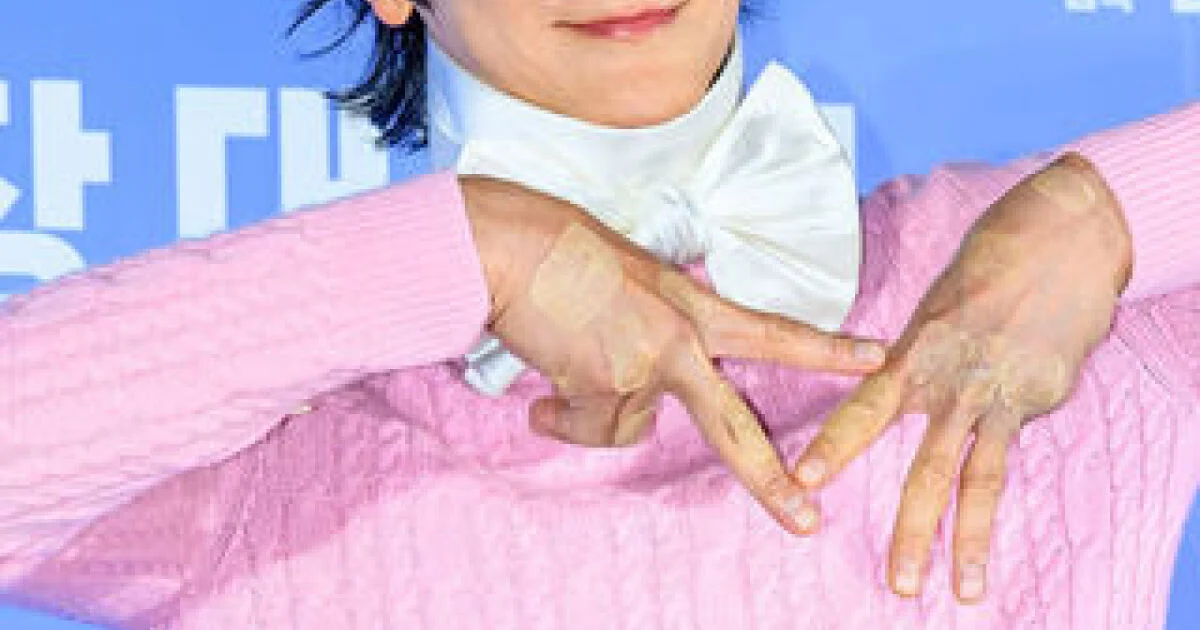
The South Korean film industry witnessed a significant moment on the morning of May 7, as the production briefing for the highly anticipated comedy film Wild Sing was held at the Lotte Cinema located within Konkuk University in Seoul. The event, which drew a large contingent of domestic and international media, featured the film’s central cast including veteran actor Gang Dong Won, Um Tae Goo, Park Ji Hyun, and Oh Jung Se, alongside acclaimed director Son Jae Gon. The briefing served not only as a formal introduction to the movie’s premise but also as a platform for Gang Dong Won to share his transformative experience portraying an idol singer, a role that he admitted has profoundly altered his perspective on the K-pop industry and its performers.
Wild Sing tells the story of Triangle, a fictional three-member mixed-gender dance group that reached the pinnacle of the Korean music scene in the early 2000s before a sudden and mysterious incident led to their immediate disbandment. The narrative picks up twenty years later, following the original members as they embark on a reckless and often humorous journey to reclaim their former glory through a modern-day comeback. The film is a collaborative effort between the director Son Jae Gon, known for his sharp comedic timing in works like Secret Zoo, and the production powerhouse About Film. About Film previously produced the 2019 mega-hit Extreme Job, which currently holds the record for the second-highest-grossing film in South Korean history with 16.26 million admissions.
A Career Transformation: Gang Dong Won’s Shift to Comedy
Gang Dong Won’s participation in Wild Sing marks a notable departure from the darker, more dramatic roles that have characterized much of his recent filmography. While Gang is widely regarded as one of South Korea’s most versatile leading men, his foray into pure comedy has been a rare occurrence. During the briefing, Gang revealed that his decision to join the project was driven primarily by the quality of the screenplay and his personal affinity for the genre. He noted that comedy has always been one of his favorite genres to watch and perform, provided the script offers a cohesive and satisfying narrative arc.
The actor specifically highlighted the structure of the film’s ending as a deciding factor. Unlike many contemporary films that utilize open-ended or ambiguous conclusions, Wild Sing features a "tightly packed" and definitive resolution. Gang expressed that the journey of the four central characters toward this specific ending was exceptionally entertaining to read, which solidified his desire to take on the role. This return to comedy is particularly significant for fans who remember his viral "Boombastic" dance sequence in the 2016 film A Violent Prosecutor. That brief comedic moment became a cultural phenomenon in Korea, and Wild Sing promises to expand upon that charm by placing Gang’s character at the center of a professional idol group’s choreography and performance routine.
The Physical and Mental Demands of the "Idol Debut"
One of the most compelling aspects of the production briefing was Gang Dong Won’s candid reflection on the rigors of idol training. To play the leader of Triangle, Gang and his co-stars underwent intensive dance and vocal training to authentically replicate the style of early-2000s K-pop while adapting to modern performance standards. This process led the actor to a newfound appreciation for the K-pop industry.
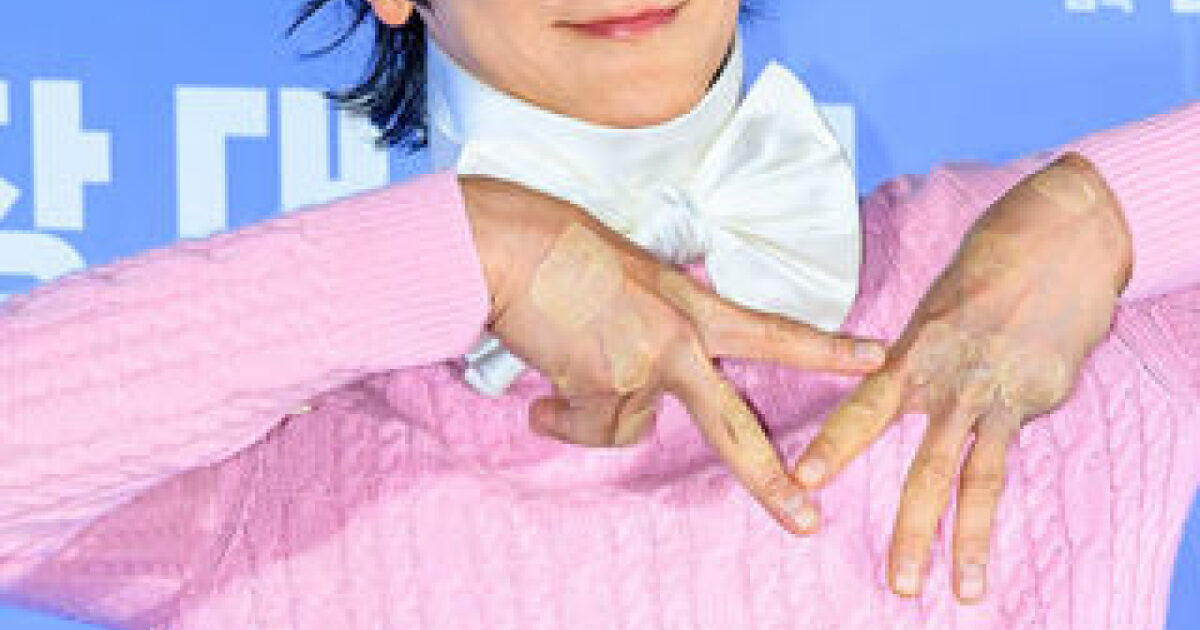
“While preparing for this project, I realized something significant,” Gang stated during the press conference. “Watching idols from a distance, I always thought to myself that their lives and schedules must be incredibly tough. However, after experiencing the level of discipline, physical exertion, and precision required for this shoot, I have come to deeply respect them. It is not just about the performance; it is about the immense pressure and the tireless effort behind every second on stage.”
This sentiment resonates with a broader industry trend where actors playing idols often speak out about the grueling nature of the K-pop training system. By highlighting the difficulty of the choreography and the stamina required for a "comeback" storyline, Gang’s performance is expected to offer a grounded, albeit humorous, look at the reality of the music industry.
Supporting Cast and Character Dynamics
The chemistry between the members of the fictional group Triangle—Gang Dong Won, Um Tae Goo, and Park Ji Hyun—is positioned as the film’s emotional and comedic core. Um Tae Goo, who has built a reputation for portraying intense, often brooding characters in noir films and thrillers, is expected to provide a significant comedic contrast in Wild Sing. His transition into a member of a washed-up dance group represents one of the most drastic image changes of his career.
Park Ji Hyun, who recently gained widespread acclaim for her role in the hit drama Reborn Rich, rounds out the trio. Her inclusion adds a layer of contemporary relevance to the group, and her interactions with the veteran actors are said to be a highlight of the film’s ensemble dynamics. Furthermore, the presence of Oh Jung Se, an actor celebrated for his impeccable character acting and comedic timing, adds further weight to the production. While his specific role details were kept relatively brief, his involvement suggests a high level of character-driven humor that complements Director Son Jae Gon’s established style.
Production Pedigree and Market Expectations
The involvement of About Film and director Son Jae Gon has set high expectations for Wild Sing’s box office performance. About Film’s track record with Extreme Job demonstrated a unique ability to blend high-stakes action with relatable, everyday humor—a formula that Wild Sing appears to follow. Director Son Jae Gon is known for "sophisticated comedy," a sub-genre that avoids slapstick in favor of situational irony and witty dialogue.
Industry analysts suggest that Wild Sing is entering the market at a time when Korean audiences are showing a renewed interest in "retro" culture and nostalgia-driven narratives. The premise of a first-generation K-pop group attempting a comeback taps into the current popularity of 1990s and early 2000s aesthetics (often referred to as the "Newtro" trend). By grounding the comedy in the very real challenges of aging and the desire for a second chance, the film aims to appeal to both the older generation who remembers the original idol era and younger viewers who follow the current K-pop landscape.

Chronology of Development and Filming
The development of Wild Sing began shortly after the success of Secret Zoo, with the script undergoing several iterations to ensure the balance between the musical elements and the comedic narrative. Filming took place across various locations in Seoul, including authentic rehearsal studios and concert venues, to lend an air of legitimacy to Triangle’s journey. The production team reportedly hired professional K-pop choreographers who specialized in the "first-generation" style of dance to train the actors for several months prior to the start of principal photography.
The May 7 briefing marks the beginning of the film’s official promotional cycle. With the post-production phase nearing completion, the film is slated for a summer release, a prime window for major Korean blockbusters. The marketing strategy appears to lean heavily into Gang Dong Won’s "idol transformation," utilizing his massive public profile to generate buzz across social media platforms.
Implications for the Korean Film Industry
The production of Wild Sing reflects a broader shift in the Korean film industry toward diverse storytelling that bridges the gap between different entertainment sectors. By casting high-profile film actors in roles that require them to emulate K-pop idols, the industry is effectively merging its two biggest global exports: K-drama/film and K-pop. This synergy not only broadens the potential audience but also allows for a more nuanced exploration of Korean celebrity culture.
Gang Dong Won’s public admission of respect for idols also serves as a bridge between the acting and music communities. In a culture where the distinction between "actors" and "idols" has historically been quite rigid, such statements from a top-tier actor help to dissolve those barriers. As Wild Sing prepares for its theatrical debut, it stands as a testament to the evolving nature of Korean comedy—moving toward stories that are as heart-warming and respectful as they are humorous.
As the press briefing concluded, the sentiment among attendees was one of high anticipation. With a powerhouse production team, a cast of versatile actors stepping out of their comfort zones, and a script that promises both laughs and a satisfying conclusion, Wild Sing is positioned to be a significant cultural touchstone in this year’s cinematic calendar. For Gang Dong Won, the film represents more than just a new role; it is a tribute to the performers he once watched from afar and now understands with the clarity of someone who has shared their stage.