Kholidah
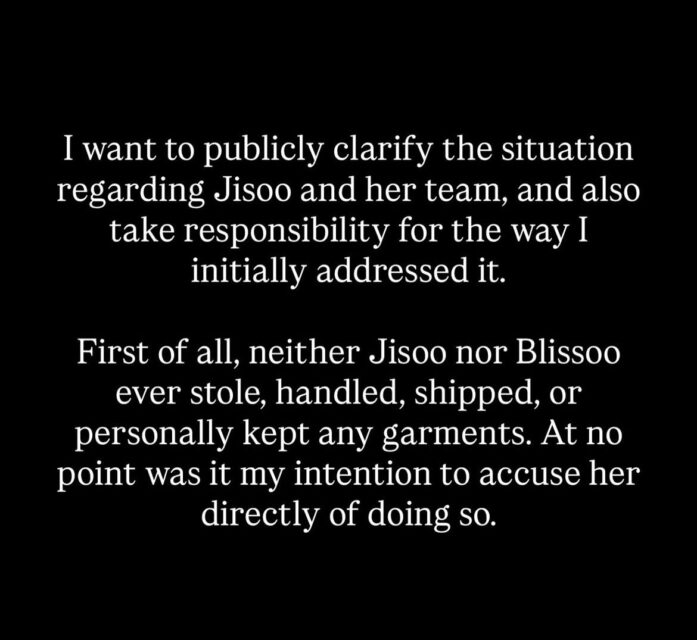
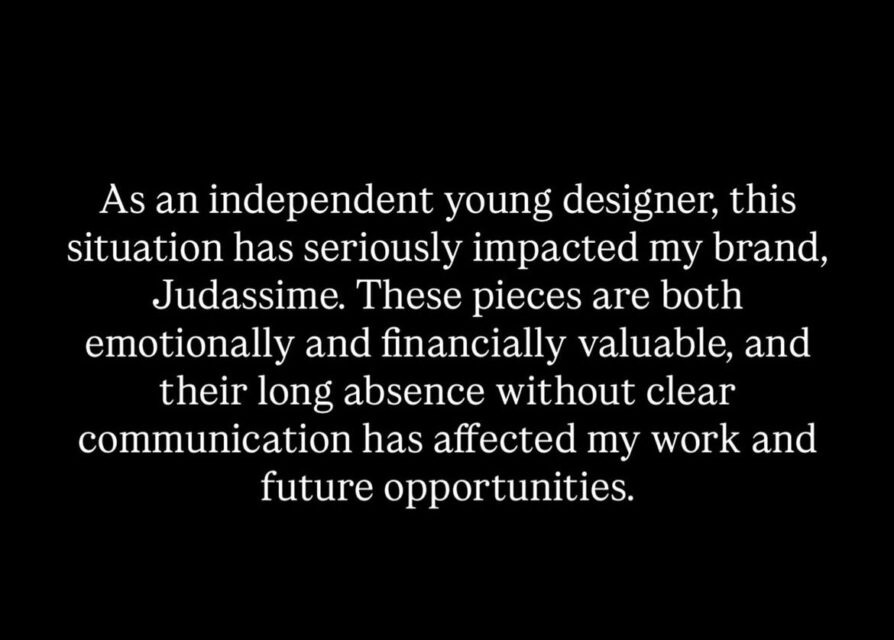
The ongoing dispute between Benjamin Voortmans, the owner and creative director of the independent fashion label Judassime, and BLACKPINK member Jisoo has reached a new stage of public discourse. Following a series of social media posts in which Voortmans accused the global superstar of "stealing" multiple archival pieces from his collection, the designer has issued a third update to clarify his intentions and address the mounting backlash from the artist’s international fanbase. This development comes as the fashion and entertainment industries grapple with the complexities of celebrity styling, brand loans, and the ethics of social media "call-out culture."
The Genesis of the Allegations
The controversy began when Benjamin Voortmans took to digital platforms to share what he described as a "bombshell exposé." In his initial communications, Voortmans alleged that several garments from Judassime had been provided to Jisoo’s team for professional use but were never returned. The designer claimed that despite repeated attempts to contact the singer’s management and styling staff, his inquiries remained unanswered.
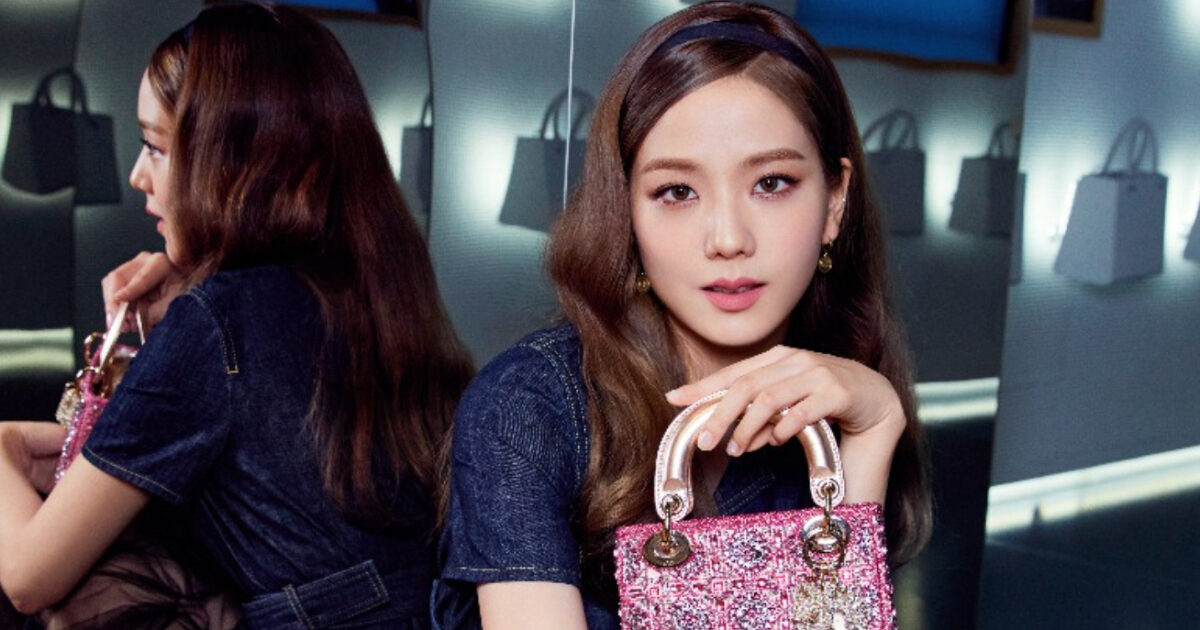
In a direct appeal to his followers, Voortmans encouraged the public to tag Jisoo and her representatives in his posts to force a response. The rhetoric used in these early stages was interpreted by many as a direct accusation of theft against Jisoo herself. Given Jisoo’s status as a global fashion icon and a primary ambassador for legacy houses such as Dior and Cartier, the allegation of unreturned wardrobe items created an immediate firestorm in the K-pop and high-fashion communities.
Chronology of the Dispute and Public Backlash
The timeline of the event suggests a rapid escalation followed by a strategic pivot by the designer. Within hours of the initial accusation, the designer was met with a significant wave of criticism from Jisoo’s dedicated fanbase, known as BLINKs. While some netizens expressed concern over the potential loss of a small designer’s work, a larger portion of the online community accused Voortmans of using Jisoo’s name to garner "clout" or viral attention for his brand.
Recognizing the severity of the backlash, Voortmans released a second video shortly after the first. In this clarification, he stated that he had received "tons of hate messages" and sought to refine his narrative. He argued that he never intended to "attack" Jisoo personally. Instead, he claimed that mentioning her name was a tactical necessity—a "last resort" to capture the attention of her management team after private channels of communication had purportedly failed.

The most recent update, which is the focus of current industry discussion, sees Voortmans further detailing his intentions. He emphasized that his grievances lie with the administrative and styling infrastructure surrounding the artist rather than the artist herself. However, this distinction has done little to appease critics, many of whom argue that the damage to the artist’s reputation was already done by the initial framing of the "theft."
Official Response from Jisoo and BLISSOO
In response to the escalating situation, Jisoo and her independent agency, BLISSOO, released a formal statement to address the claims. The agency’s stance was categorical: they denied any involvement in the theft or mishandling of the clothes in question.
According to the official statement, neither Jisoo nor her direct management team had any personal involvement in the handling, storage, or delivery of the items mentioned by Voortmans. In the K-pop industry, it is standard practice for external styling agencies or freelance stylists to manage "PR loans"—the process of borrowing clothes from designers for music videos, photo shoots, or public appearances. BLISSOO’s defense hinges on the fact that the artist is rarely, if ever, responsible for the logistics of returning borrowed wardrobe items. The agency emphasized that they have no record of the specific transactions described by the designer and suggested that any dispute should be settled with the third-party contractors involved rather than through public accusations against the talent.
Analysis of Celebrity Styling and the "PR Loan" System
To understand the friction between Judassime and Jisoo’s team, one must look at the logistical framework of the fashion industry. High-profile idols like Jisoo often work with "styling salons" or independent creative directors who curate their looks. These stylists borrow hundreds of items from various showrooms and independent designers.
The "PR loan" system is built on mutual benefit: the designer receives exposure when a celebrity wears their clothes, and the celebrity gains access to cutting-edge fashion. However, for small, independent designers like Benjamin Voortmans, the loss of even a few archival pieces can represent a significant financial and creative setback. Unlike major fashion houses, independent labels often operate with limited inventory, and "one-of-a-kind" pieces are irreplaceable.
The failure to return items usually stems from one of three issues:
- Logistical Errors: Items are misplaced during the chaotic environment of a high-budget music video or tour.
- Communication Breakdown: The stylist who borrowed the clothes may have left the agency or failed to log the return.
- Mismanagement of Inventory: Large-scale agencies may struggle to track items from dozens of different designers simultaneously.
In this case, the designer’s decision to bypass legal or private professional channels in favor of a social media campaign highlights a growing trend of "digital activism" in fashion. While this can be effective for small creators seeking justice against large corporations, it also risks legal repercussions for defamation if the claims cannot be substantiated.
Netizen Reactions and Ethical Implications
The reaction from the general public has been polarized. On platforms like X (formerly Twitter) and various Korean community boards, netizens have debated the ethics of Voortmans’ approach.
Supporters of the designer argue that independent artists are frequently exploited by the entertainment industry. They contend that if a major agency ignores a small creator, the creator has no choice but to use the only tool at their disposal: their public platform. They see the "tagging" campaign as a legitimate way to hold a multi-million-dollar entity accountable for the loss of property.
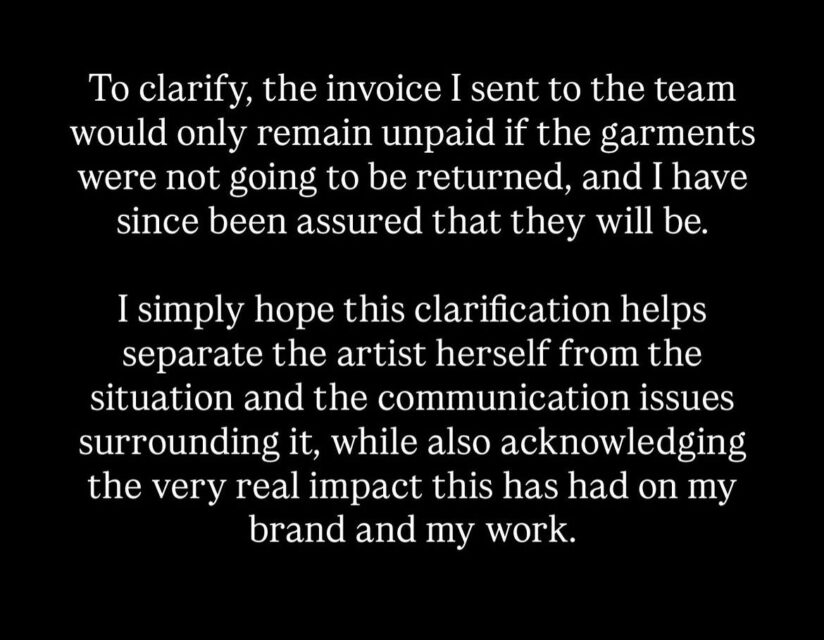
Conversely, a significant segment of the public remains skeptical. Critics point out that by using words like "stolen" and "theft" in the context of Jisoo’s name, the designer engaged in inflammatory language that directly harms the artist’s brand. Many feel that the designer’s subsequent "clarifications"—stating he didn’t mean to attack her—are a backtracking maneuver designed to avoid a potential lawsuit from BLISSOO’s legal team. Some fashion insiders have also noted that publicizing a dispute in this manner can make other stylists hesitant to work with a brand, fearing that any logistical mishap will result in a public scandal.
Broader Impact on the Fashion-Entertainment Nexus
The Jisoo-Judassime controversy serves as a cautionary tale for both independent designers and celebrity management teams. For designers, it highlights the necessity of rigorous contract work and insurance when loaning pieces to high-profile clients. For talent agencies, it underscores the need for better oversight of third-party stylists to ensure that the artist’s reputation is not compromised by administrative negligence.
Furthermore, this incident may influence how K-pop agencies handle independent labels in the future. There is a risk that larger agencies may begin to favor established fashion houses with dedicated PR departments over independent designers to avoid the volatility of social media disputes. This would be a detrimental outcome for the fashion industry, as K-pop has traditionally been a powerful launchpad for emerging designers.
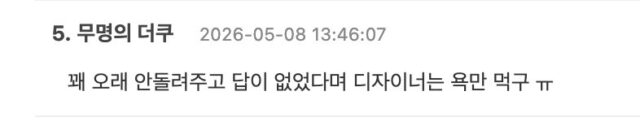
As of the latest update, Benjamin Voortmans has not indicated whether the items have been recovered or if a settlement has been reached. However, the discourse has shifted from the initial shock of the "theft" to a more nuanced conversation about professional conduct in the digital age.
Conclusion
The situation involving BLACKPINK’s Jisoo and Benjamin Voortmans remains unresolved in the court of public opinion, despite the designer’s attempts to clarify his motives. While Voortmans maintains that his goal was simply to recover his property and receive a response from a silent management team, the method of his delivery has sparked a global debate on the responsibilities of both designers and celebrities.
As BLISSOO continues to maintain Jisoo’s innocence and distance the artist from the logistical handling of wardrobe items, the industry awaits to see if this dispute will transition into a legal matter or if it will be settled privately. Regardless of the outcome, the event has highlighted the fragile nature of the relationship between independent creators and global superstars, proving that in the age of social media, a single post can bridge—or burn—the gap between a small studio in Europe and a global stage in Seoul.