Mia Khoirunisa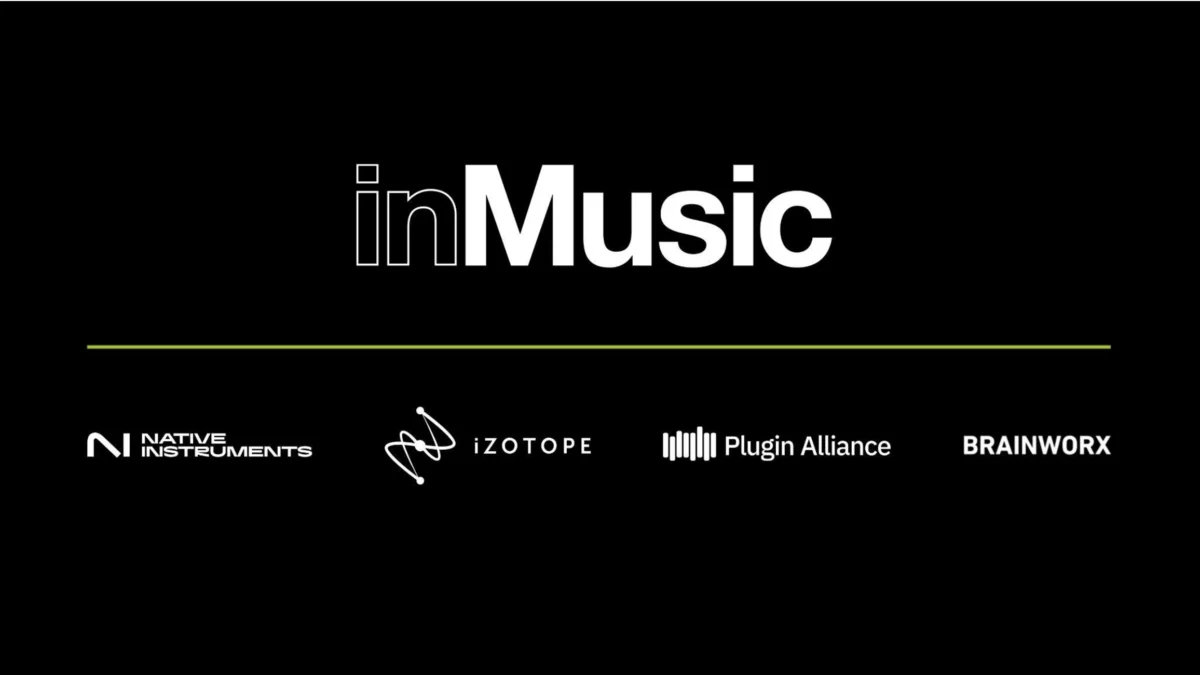
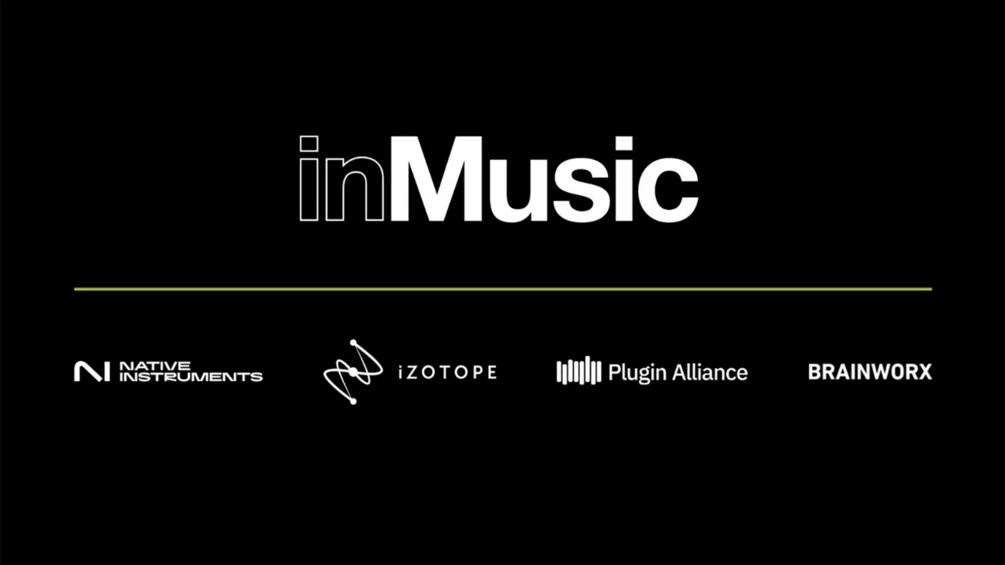
In a landmark transaction poised to reshape the music technology landscape, US-based inMusic Brands has announced a definitive agreement to acquire Native Instruments (NI), the renowned German developer of software and hardware for music creation and performance. This acquisition brings NI’s extensive portfolio, including flagship products like Traktor, Kontakt, and Reaktor, under the umbrella of a company that already boasts a formidable roster of respected brands such as Akai, Moog, Denon, Numark, Rane, and M-Audio. The integration also encompasses NI’s significant stake in Plugin Alliance, iZotope, and Brainworx, further solidifying inMusic’s position as a dominant force in the industry.
The acquisition marks a pivotal moment for Native Instruments, which has navigated a period of significant financial restructuring. While specific details of the financial terms remain undisclosed, industry observers suggest that the deal likely represents a strategic consolidation, potentially at a valuation that reflects current market conditions, following a period of ambitious growth for many tech-centric music companies. The definitive agreement, subject to customary closing conditions, is expected to conclude this chapter of NI’s corporate narrative, particularly given the structured nature of German insolvency proceedings.
The move by inMusic Brands is strategically significant, aiming to leverage the synergistic potential between its existing hardware offerings and NI’s deeply integrated software and instrument ecosystem. For producers and DJs worldwide who have built their workflows around NI’s powerful tools, this acquisition raises questions about the future direction of product development, support, and innovation. However, the assurance that NI will remain within the music instrument industry, under the stewardship of a company demonstrably passionate about its value, offers a degree of reassurance to its substantial user base.
Strategic Synergies and Market Implications
The integration of Native Instruments into the inMusic Brands portfolio is driven by several key strategic advantages, particularly in the realms of software, hardware, and market competitiveness.
Native Instruments Software and Hardware Integration
Native Instruments’ core software products, including the comprehensive Komplete bundles and the ubiquitous Kontakt sampler, are poised to create powerful synergies with inMusic’s extensive range of MIDI controllers, such as those from Akai Professional and M-Audio. Kontakt, in particular, serves as a foundational platform for countless virtual instruments and sound libraries, and its integration with inMusic’s hardware could unlock new creative possibilities for users. The distinct nature of NI’s offerings, especially within the producer-centric MPC ecosystem and the DJ-focused Traktor platform, complements inMusic’s existing software, such as Akai’s MPC software. This differentiation is crucial, as musicians often exhibit fierce loyalty to their preferred tools, and the distinct user bases of MPC and Maschine are unlikely to migrate wholesale.
A significant anticipated outcome is the expansion of NI’s instrument and effects libraries, including those from Plugin Alliance and Brainworx, onto inMusic’s standalone hardware platforms, most notably the Akai MPC series. This integration could significantly broaden the sonic palette and creative capabilities available to users of these popular hardware instruments.
Traktor’s Competitive Leap
The inclusion of Traktor, NI’s flagship DJ software, is another major strategic coup for inMusic. While inMusic already commands a significant presence in the DJ hardware market with brands like Numark and Rane, Traktor has historically been a key competitor to AlphaTheta’s (formerly Pioneer DJ) dominant position in professional DJ software. The addition of Traktor to inMusic’s arsenal provides a potent counterweight, potentially enabling the company to challenge AlphaTheta’s market leadership more effectively and offer a more comprehensive DJ ecosystem from hardware to software. This could lead to increased innovation and more competitive pricing for DJ equipment and software in the future.
The Reaktor Advantage and Future Potential
Reaktor, NI’s powerful modular synthesis environment, represents a unique and deeply influential component of the company’s DNA. While perhaps perceived as a niche product, Reaktor is fundamental to the creation of much of NI’s sound content and offers a distinct creative paradigm not currently replicated within inMusic’s existing brands. Historically, Reaktor has been under-resourced in recent years. Industry analysts suggest that if inMusic wisely invests in and revitalizes Reaktor, it could unlock significant creative potential. The underlying technologies and concepts pioneered within Reaktor, such as granular synthesis, have had a profound impact on the broader music technology industry, influencing the development of tools like Ableton Live. This historical significance underscores Reaktor’s potential as a driver of future innovation under inMusic’s ownership.
iZotope’s Research Prowess
The acquisition also brings iZotope, a company renowned for its cutting-edge audio processing software and its significant research pedigree, into the inMusic fold. iZotope’s expertise in areas such as machine learning, AI-driven audio repair (e.g., RX), and advanced synthesis (e.g., Neutron, Ozone) offers inMusic a substantial advantage in research and development. This intellectual property and technological know-how could propel inMusic’s product development into new frontiers, particularly in the burgeoning fields of intelligent audio processing and AI-assisted music creation.
Managing Legacy and Modernization
A significant challenge inherent in any acquisition of established technology companies is the management of legacy code and infrastructure. Native Instruments, like many long-standing software developers, operates with a considerable amount of established codebase. inMusic Brands, with its experience managing multiple diverse brands, will need to effectively address this legacy. This will involve retaining the core functionality and user relationships that define these products while undertaking modernization efforts, ensuring ongoing support, and making strategic decisions about which technologies to preserve, evolve, or retire. The success of this integration will hinge on inMusic’s ability to balance the preservation of beloved legacy products with the imperative to innovate and adapt to current technological demands.
Broader Industry Impact and User Considerations
The consolidation of such prominent brands under a single corporate entity inevitably sparks discussions about market dynamics, employee welfare, and the future of innovation.
Employee Welfare and Talent Retention
A primary concern following any major acquisition is the impact on employees. While redundancy is often an unfortunate byproduct of such consolidations, there is a strong hope within the industry that inMusic Brands will recognize and retain the invaluable talent and expertise of the Native Instruments workforce. The passion and creativity of the individuals who developed these groundbreaking tools are as critical as the intellectual property itself. Ensuring that these individuals find secure and fulfilling roles, whether within the expanded inMusic organization or through supportive transitions, is paramount to the long-term success of the acquired brands.
Market Consolidation and Consumer Impact
The acquisition undeniably creates a formidable conglomerate in the music technology sector. For producers reliant on the Native Instruments ecosystem, particularly those creating content for Kontakt or developing NKS-compatible instruments, this consolidation offers reassurance regarding the continued availability and development of these platforms. The income streams associated with sales and distribution within this ecosystem are likely to remain robust.
Furthermore, this deal significantly consolidates market power within the MIDI controller space, bringing Akai Pro, M-Audio, and Native Instruments under one roof. This raises questions about the future of the M-Audio line, though it is plausible that inMusic may find a strategic role for it.
However, any significant market consolidation naturally prompts consumer caution. Concerns about potential staff redundancies, especially amidst current economic uncertainties, are valid. Additionally, when a single entity amasses substantial market power, consumers have legitimate reasons to be wary of potential impacts on pricing and the pace of innovation. The industry will be observing closely to see if this consolidation leads to greater efficiency and competitive pricing or to reduced choice and stagnation.
A Bullet Dodged?
Despite the potential concerns, some in the industry view this acquisition as a positive development, arguing that it may have "dodged a bullet." The history of the music instrument industry is replete with examples of iconic brands being preserved through acquisitions, including Sequential, Novation, and Moog. The current situation for Native Instruments, which has undergone financial restructuring, suggests that acquisition was a necessary step for its continued operation. The responsibility now falls upon inMusic Brands to not only safeguard the intellectual property but also to nurture the talent and creativity that have defined these brands, and crucially, to maintain the trust and strong relationships built with their global customer base.
Native Instruments boasts a direct relationship with over 25 million registered users worldwide. The success of this acquisition will ultimately be measured by inMusic’s ability to meet the diverse needs and expectations of this vast community, ensuring that the legacy of innovation and the passion for music creation continue to thrive. The coming months and years will reveal how effectively inMusic integrates these powerful brands and what the future holds for music makers around the globe.