Mia Khoirunisa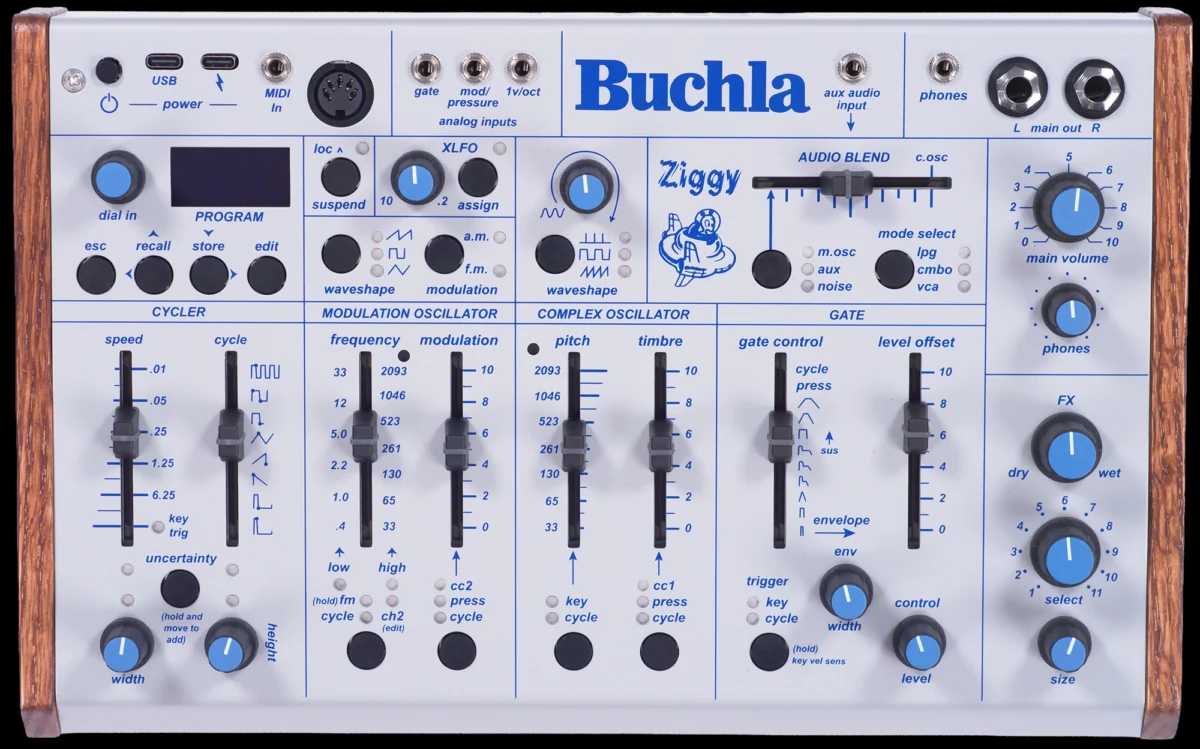
The highly anticipated Buchla Ziggy, a groundbreaking desktop analog synthesizer, is poised to redefine accessibility to the legendary Buchla sound and workflow. For decades, the pioneering designs of Don Buchla have been synonymous with complex, experimental synthesis, primarily within the realm of modular systems. The Ziggy represents a significant evolution, distilling the core sonic architecture and hands-on interface of Buchla’s iconic complex oscillator into a user-friendly, compact instrument that requires no prior modular synthesis experience. This release marks a pivotal moment for both Buchla enthusiasts and those new to the intricate world of West Coast synthesis, offering a tangible gateway to sonic exploration without the daunting learning curve of traditional modular setups.
The Genesis of a Compact Buchla
The concept of creating a more accessible, self-contained instrument inspired by the Buchla modular philosophy has been a long-gestating ambition within the synthesizer community. Early semi-modular instruments, such as Pittsburgh Modular’s West Pest, explored elements of West Coast synthesis, often focusing on specific modules like waveshapers and Low Pass Gates (LPGs). Similarly, Make Noise’s 0-COAST, while celebrated for its unique interface and synthesis techniques, leans heavily into patch-cable experimentation and a distinct sonic palette that diverges from the direct emulation of classic Buchla designs.
The crucial distinction of the Ziggy lies in its direct lineage to the Buchla complex oscillator, a foundational element of Buchla’s West Coast synthesis approach. Unlike instruments that might incorporate isolated Buchla-inspired modules, the Ziggy aims to embody the holistic signal path and tactile control that defined Don Buchla’s influential creations. This endeavor aims to bridge the gap between the esoteric nature of modular systems and the desire for immediate, intuitive sonic manipulation, a principle Don Buchla himself championed in his own instrument designs, which were conceived as "instruments for musicians" rather than mere sound generators. The Minimoog, for instance, emerged from a similar need for pre-patched functionality, streamlining complex signal routing for live performance and demonstration. The Ziggy seeks to achieve a comparable level of immediacy while retaining the distinctive sonic character and interface philosophy of Buchla.
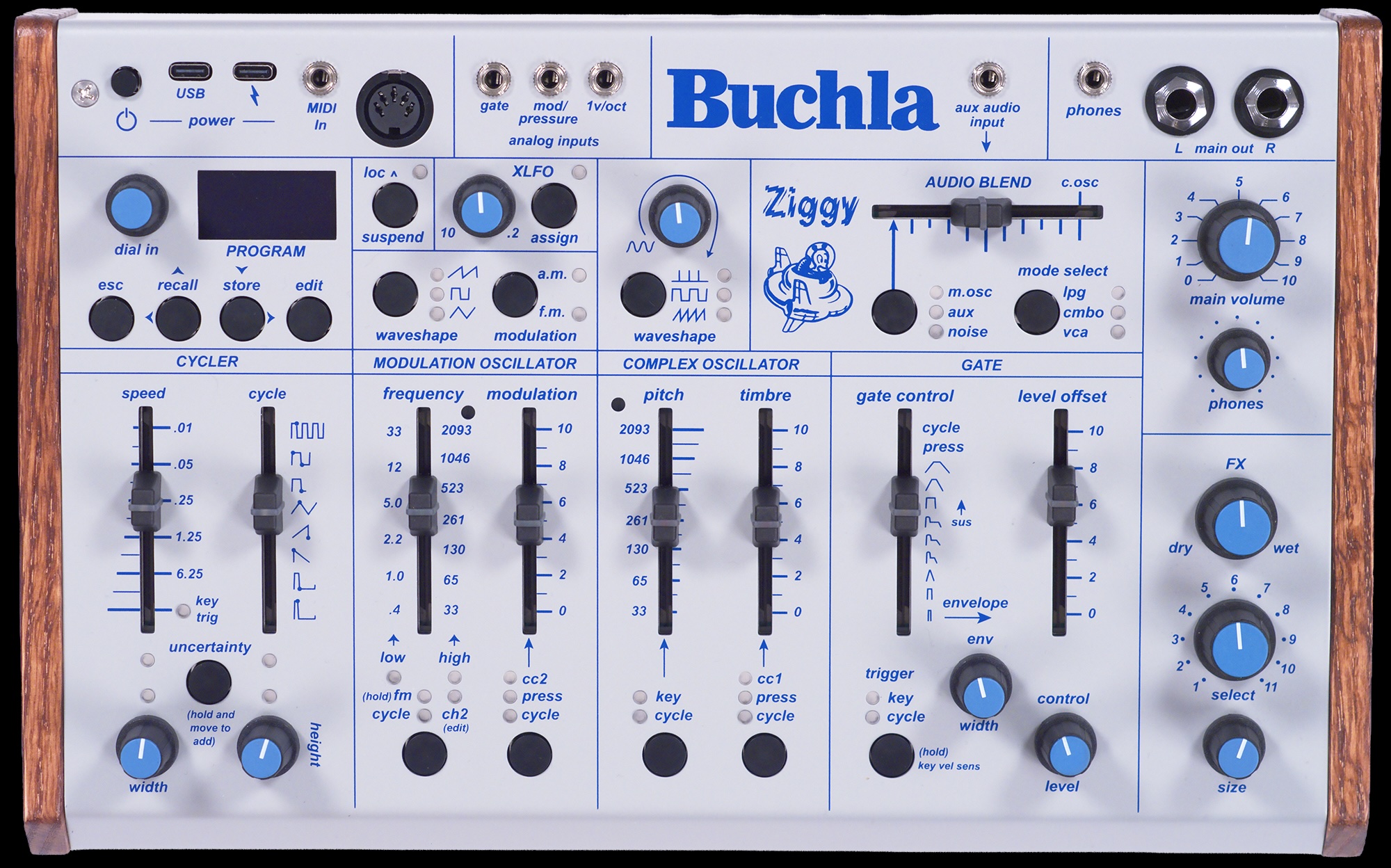
Distilling the Buchla Experience
The Ziggy’s design philosophy centers on bringing the core sonic DNA of the Buchla complex oscillator into a desktop format. This involves not only replicating the distinctive "ziggy" waveforms and their inherent sonic complexity but also integrating them into a system that allows for immediate tweaking and sound design. The absence of patch cables for core functionality is a deliberate design choice, mirroring the "patch-in-a-box" approach that made instruments like the Minimoog so accessible.
Crucially, the Ziggy appears to go beyond merely offering a few Buchla-esque features. It endeavors to encapsulate the entire operational ethos of a Buchla instrument, from signal architecture to the tactile interface. This includes the ability to save presets, a feature that was largely absent in the original modular systems and represents a significant leap in usability for modern musicians. The company’s name itself underscores the commitment to this legacy, implying a deep understanding and respect for the principles that have made Buchla instruments so revered.
Key Features and Sonic Capabilities
While a comprehensive list of technical specifications for the Ziggy was not initially provided in detail, the instrument’s core components are understood to revolve around a powerful complex oscillator. This oscillator is the heart of West Coast synthesis, capable of generating a wide range of timbres through its multiple outputs and sophisticated control parameters. Expect to find:
- Complex Oscillator: The central element, providing rich, evolving waveforms that are characteristic of Buchla instruments. This typically involves a primary oscillator and a secondary oscillator used for modulating the primary, creating intricate timbres.
- Envelope Generators: Essential for shaping the amplitude and timbre of sounds over time. Buchla’s envelope generators are known for their flexibility and often unconventional behavior, allowing for percussive attacks, sustained drones, and complex evolving textures.
- Low Pass Gates (LPGs): A hallmark of Buchla’s designs, LPGs combine the functions of a low-pass filter and a voltage-controlled amplifier. This allows for a more organic, resonant, and often "plucky" sound compared to traditional VCA and VCF combinations.
- Sequencing and Control: The Ziggy is designed for hands-on interaction. While it lacks an onboard keyboard, it supports external MIDI controllers, offering flexibility for players. The inclusion of Buchla’s own LEM218 touch controller, either separately or as part of a bundle, further enhances the direct, tactile control experience that is synonymous with Buchla instruments.
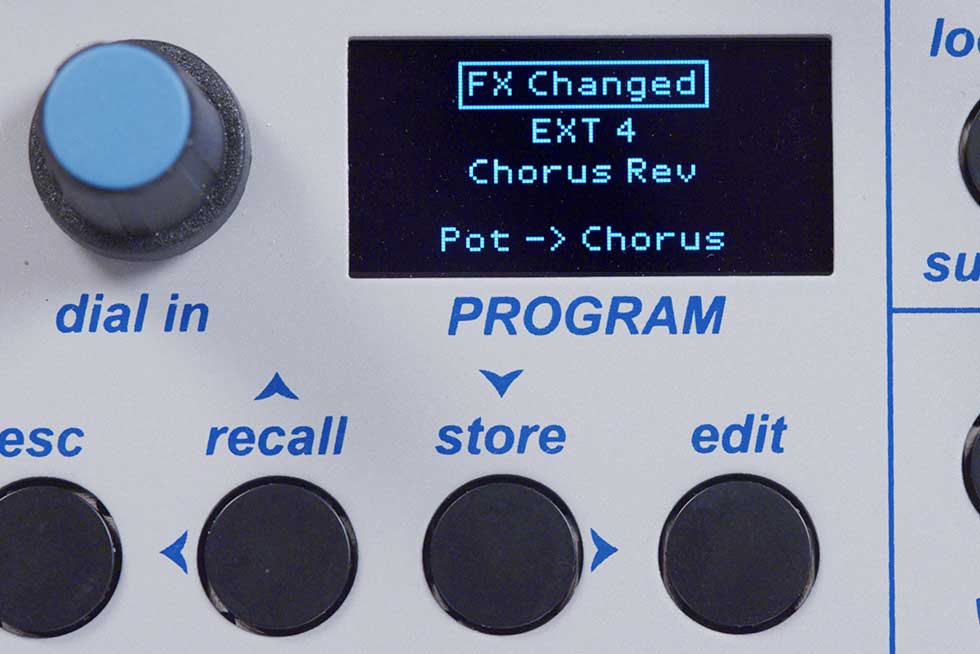
- Preset Saving: A significant departure from traditional modular systems, the ability to save and recall presets marks a major advancement in usability, allowing users to quickly access and build upon favorite sounds.
Bridging the Gap: Connectivity and Control
The Ziggy’s design acknowledges the need for both standalone usability and integration into broader setups. While an onboard keyboard is intentionally omitted, this allows for a more compact footprint and a lower price point. Users can connect any MIDI controller to control pitch and other parameters.
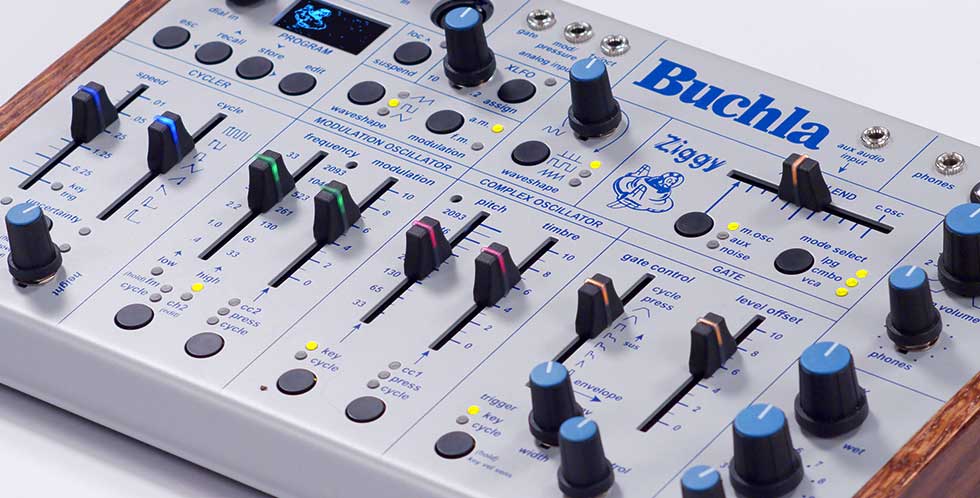
For those seeking the quintessential Buchla control experience, the LEM218 touch controller is a compelling option. This controller, known for its sensitive and expressive surface, directly translates touch gestures into musical control, mirroring the innovative interface designs of Buchla’s past. The availability of a bundle that includes both the Ziggy and the LEM218 at a reduced price ($1999) offers a significant value proposition for those looking to fully immerse themselves in the Buchla workflow. The Ziggy itself is priced at $999, making it one of the more accessible entry points into Buchla-inspired synthesis.
Industry Reactions and Anticipation
The announcement of the Ziggy has generated considerable excitement within the synthesizer community. Veteran electronic musicians and sound designers, long familiar with the sonic possibilities and often challenging nature of Buchla instruments, are keenly anticipating the opportunity to explore its capabilities in a more contained and user-friendly format. The prospect of a portable, desktop instrument that retains the sonic fidelity and interface philosophy of Don Buchla’s creations is a dream for many.
Producers and composers who may have been intimidated by the cost and complexity of modular systems now have a viable pathway to experiment with West Coast synthesis. The implications for sound design in electronic music are substantial, as the Ziggy’s unique timbral palette and hands-on control could inspire new sonic directions and creative approaches across various genres.
Broader Impact and Future Implications
The Ziggy’s release signifies a broader trend in the synthesizer market towards making complex and historically significant synthesis techniques more accessible. By packaging the essence of Buchla’s West Coast synthesis into a desktop unit, Buchla is not only expanding its own market but also democratizing access to a foundational element of electronic music history.
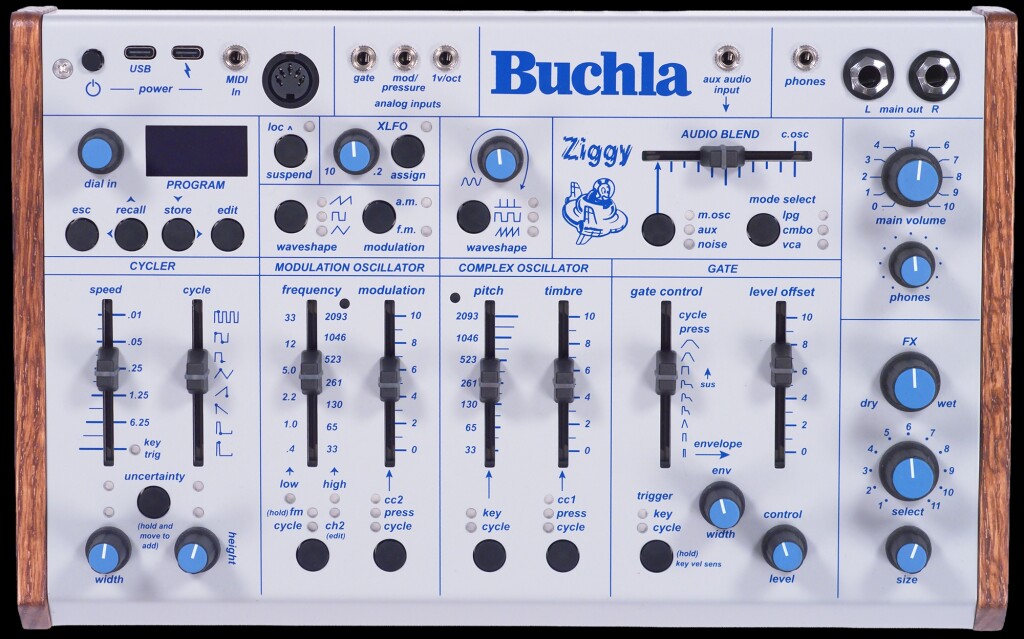
The success of the Ziggy could pave the way for further innovations in compact, specialized synthesis instruments that draw inspiration from iconic designs. It underscores the enduring appeal of analog synthesis and the value placed on intuitive, tactile interfaces in an increasingly digital world. The instrument’s potential to become a "monosynth of the show" at events like Superbooth is a testament to its perceived impact and desirability.
The choice of the name "Ziggy" itself is noteworthy. While the article playfully speculates on its origin, the most fitting interpretation, as suggested, is likely a nod to the characteristic waveforms produced by the complex oscillator – the "ziggy" shapes that contribute to its unique sonic identity. This nomenclature subtly reinforces the instrument’s core function and its connection to the distinctive Buchla sound.
Availability and Pre-Order Information
The Buchla Ziggy is now available for pre-order through select retailers. Pricing for the standalone Ziggy is set at $999, with a bundle including the LEM218 touch controller priced at $1999. This bundled offer represents a significant cost saving compared to purchasing the units separately, encouraging users to embrace the full Buchla control experience. Retailers such as Perfect Circuit in the US and Thomann in Europe are offering pre-orders, with pricing in Euros including VAT.
The pre-order period signifies the instrument’s imminent release and its anticipated demand within the synthesizer enthusiast market. The availability through established and reputable music technology retailers further solidifies the Ziggy’s position as a significant new instrument poised to make a lasting impact.
In conclusion, the Buchla Ziggy represents more than just a new synthesizer; it is a carefully considered reinterpretation of a legendary legacy. By translating the intricate sonic capabilities and hands-on philosophy of the Buchla complex oscillator into a compact, user-friendly desktop instrument, Buchla is opening new doors for sonic exploration, ensuring that the pioneering sounds of West Coast synthesis can be experienced and enjoyed by a wider generation of musicians and sound designers.