 Nana Wu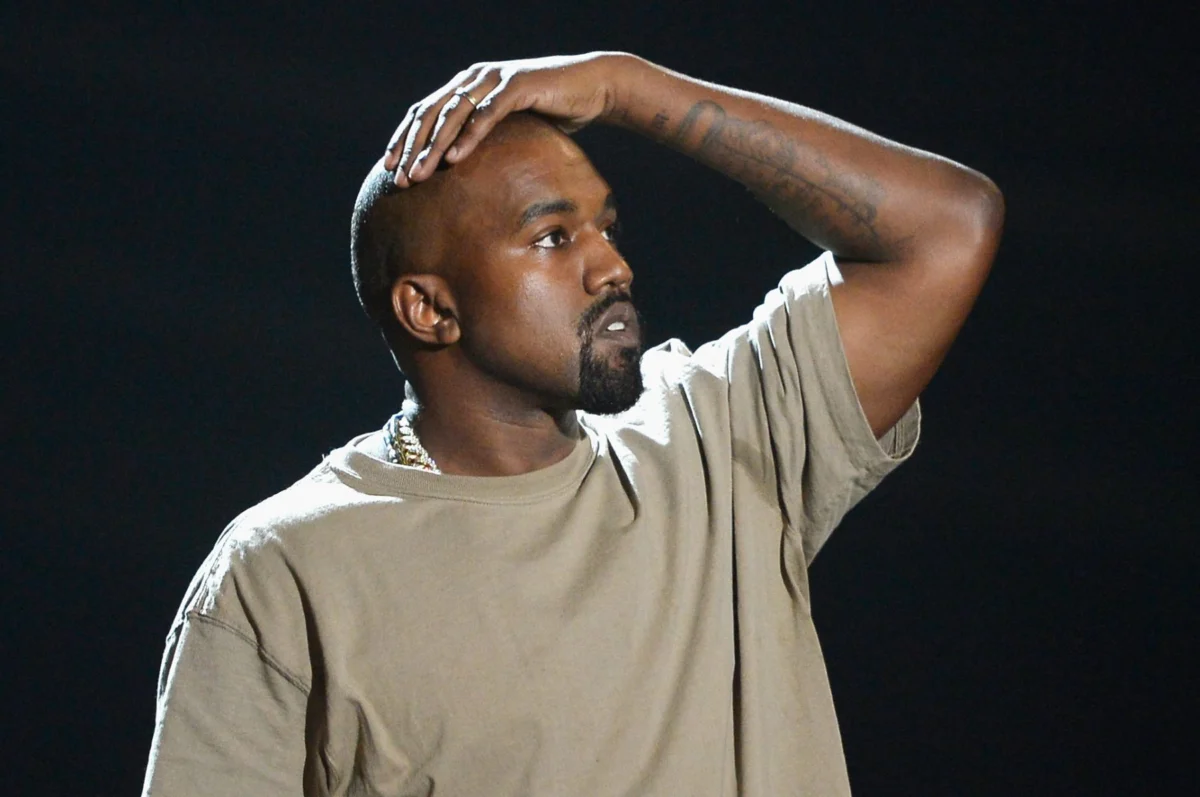
A Los Angeles jury has determined that Ye, the globally renowned artist formerly known as Kanye West, and his affiliated companies are liable for infringing upon a copyrighted instrumental track during a 2021 listening party for his critically acclaimed and chart-topping album, Donda. The verdict, delivered on Tuesday, May 12, following a week-long federal trial, mandates a six-figure damages award to the owners of the infringed work. This landmark decision marks a rare instance where the multifaceted artist has taken a copyright dispute to trial, diverging from his historical preference for out-of-court settlements.
The core of the dispute centered on the unauthorized use of the instrumental track “MSD PT2” in an early demo version of Ye’s Grammy-winning song “Hurricane.” This particular demo was prominently featured at a pre-release Donda listening event held in Atlanta, which captivated a stadium audience and was simultaneously streamed live to a global viewership via Apple Music. Jurors concluded that Ye and his entities must allocate a portion of the profits generated from this high-profile listening party to the rights holders of “MSD PT2.” The precise final sum of the damages remains subject to interpretation, with differing calculations emerging from the involved parties.
The Verdict and Disputed Damages
According to reports from Rolling Stone, the jury’s calculations attributed personal liability to Ye amounting to $176,153. Additional damages were levied against three of his companies: $176,153, $41,625, and $44,627. If these figures are aggregated, the total compensatory award would reach $438,558. However, a spokesperson representing Yeezy, Ye’s brand, offered a contrasting interpretation, asserting that the corporate damages would be consolidated into Ye’s personal liability, thereby reducing the total award to $176,153.
The Yeezy spokesperson dismissed the outcome as a "failed shakedown," emphasizing the significant disparity between the plaintiffs’ initial demands and the final verdict. "Six months ago, they wanted $30 million out of Ye. They got 0.5% of that today," the spokesperson stated in a comment to Billboard. The representative further suggested that the plaintiffs incurred millions of dollars in legal expenses to achieve this outcome, concluding with a pointed remark: "The moral of the story? There is a cost attached to thinking you can take advantage of Ye." As of the time of reporting, a representative for the plaintiffs had not yet provided a comment on the verdict, though their legal strategy suggests further action.
Background of the Dispute and the Significance of Sampling
The lawsuit was initially filed in 2024 by the producers of “MSD PT2” — DJ Khalil (Khalil Abdul-Rahman), Sam Barsh, Dan Seeff, and Josh Mease — operating under the business entity Artist Revenue Advocates LLC. Their initial complaint sought royalties not only from the early demo but also from the commercially successful final versions of “Hurricane” and another Donda track, “Moon.” The plaintiffs alleged that both final songs incorporated “MSD PT2” without proper authorization, encompassing both direct sampling and interpolation.

Sampling, a foundational technique in hip-hop and electronic music, involves the reuse of a portion of a sound recording in another recording. While creatively transformative, it is legally complex, requiring clearance for both the master recording (owned by a record label) and the underlying musical composition (owned by publishers/songwriters). Interpolation, conversely, involves re-recording a melody or musical phrase from an existing composition, typically requiring only composition rights clearance. This distinction proved pivotal in the unfolding legal battle.
Ye, a pioneer in sampling innovation, has built much of his illustrious career on creatively recontextualizing existing sounds. From his early work producing for Jay-Z to his solo breakthroughs, his production style is deeply rooted in sample manipulation. However, this creative freedom has frequently led to legal challenges. Throughout his career, Ye has been the subject of dozens of copyright infringement lawsuits related to allegedly unlicensed samples and interpolations. Historically, he has tended to settle these claims out of court, making this trial a notable departure and a significant event in his legal history.
Chronology of the Lawsuit and Narrowed Scope
The legal journey for this particular case began in 2024 when Artist Revenue Advocates LLC initiated proceedings against Ye. The initial broad claims sought significant royalties, alleging infringement across multiple tracks on Donda. However, a crucial development occurred in February, when a judge significantly narrowed the scope of the lawsuit. The court ruled that Artist Revenue Advocates LLC held rights only to the “MSD PT2” master recording, not to its underlying musical composition. This distinction was critical: it meant the company had standing to sue over a direct sample of the recording but lacked the legal basis to pursue claims concerning an interpolation of the composition.
Consequently, the judge allowed a narrow trial to proceed, focusing exclusively on the early demo of “Hurricane,” which indisputably contained a direct sample of “MSD PT2.” The more lucrative final versions of “Hurricane” and “Moon,” which the plaintiffs alleged contained interpolations, were excluded from the trial, much to the plaintiffs’ dismay. Artist Revenue Advocates LLC has indicated its intention to appeal this decision, hoping to reinstate the full scope of their original lawsuit. In the interim, however, their focus for the trial was on securing $500,000 in damages derived from the profits of Ye’s 2021 Donda listening party, which included ticket sales, merchandise, and the lucrative Apple Music livestreaming deal.
The Trial: Arguments and Testimony
The trial commenced on May 4 in a Los Angeles federal court, bringing to light the intricate details of music clearance processes and the high stakes involved in intellectual property disputes. Ye’s legal team mounted a defense arguing the case was meritless, asserting that his team had, in fact, attempted to clear the “MSD PT2” sample. They contended that the four producers intentionally stalled negotiations and refused to approve what they considered "industry-standard splits" – common royalty percentages allocated to original rights holders when their work is sampled. Furthermore, Ye’s lawyers pointed out that the plaintiffs had already received some royalties from various publishers, suggesting they were not entirely uncompensated.
A pivotal moment in the trial came when Ye himself took the stand. In his testimony, he affirmed that he “went through the normal process” to clear the “MSD PT2” sample. The rapper conveyed to the jurors his belief in being “very generous” with credit and royalties when due to collaborators. However, he also voiced a common sentiment among high-profile artists, lamenting, “I feel like a lot of people try to take advantage of me.” This testimony aimed to paint a picture of an artist operating within industry norms, yet facing opportunistic demands.

Conversely, Artist Revenue Advocates LLC likely presented evidence detailing the lack of formal clearance agreements for the specific demo version, arguing that any attempts at clearance were incomplete or insufficient, especially given the public and commercial nature of the listening party. The jury, after deliberating, ultimately sided with the plaintiffs, Artist Revenue Advocates, though, as is customary, no specific explanation for their verdict was provided. Their decision underscores the stringent requirements for sample clearance, even for material that might be considered preliminary or for promotional use.
Broader Implications for the Music Industry
This verdict carries significant implications for Ye, the plaintiffs, and the wider music industry, particularly concerning intellectual property rights in the digital age. For Ye, it represents a rare legal defeat in a copyright trial, potentially setting a precedent for how he approaches future sample clearances and public presentations of unreleased material. While the damages awarded are a fraction of the initial demand, the legal costs associated with a federal trial are substantial, potentially running into the millions for both sides, as hinted by the Yeezy spokesperson.
More broadly, the case highlights the critical legal distinction between master recording rights and composition rights, and between sampling and interpolation. The judge’s decision to narrow the trial based on the plaintiffs’ ownership of only the master recording rights underscores the fragmented nature of music copyright and the complexities artists and their teams must navigate. It reinforces that even if an artist attempts to clear a sample, if the process is not fully completed and documented, they remain vulnerable to legal action, especially when material is publicly performed or commercially exploited.
The judgment also serves as a stark reminder for all artists about the necessity of rigorous clearance protocols, even for early demos or live showcase events. In an era where unreleased tracks are often previewed on social media, livestreams, or exclusive listening parties, this case clarifies that any public dissemination of material containing uncleared samples carries legal risks. The commercial success of the Donda listening party, with its ticket sales and Apple Music livestream, directly contributed to the calculation of damages, emphasizing that revenue-generating events using infringing material are particularly vulnerable.
For Artist Revenue Advocates LLC, despite the narrowed scope, the verdict validates their pursuit of intellectual property rights. Their stated intention to appeal the February ruling to restore the broader claims suggests a continued fight for what they believe is due compensation for the use of their composition. Should they succeed in an appeal, the implications for Ye and similar artists could be even more substantial, potentially leading to larger royalty demands for the commercially released versions of "Hurricane" and "Moon."
In conclusion, the jury’s decision against Ye is more than just a financial judgment; it’s a significant moment in the ongoing discourse around creative appropriation, intellectual property, and fair compensation in the music industry. It reinforces the legal imperative for meticulous sample clearance, underscoring that even a titan like Ye is not exempt from the complexities and consequences of copyright law. The verdict may well influence how artists and labels approach the creation, promotion, and monetization of sample-laden music in the years to come.