Johan Budi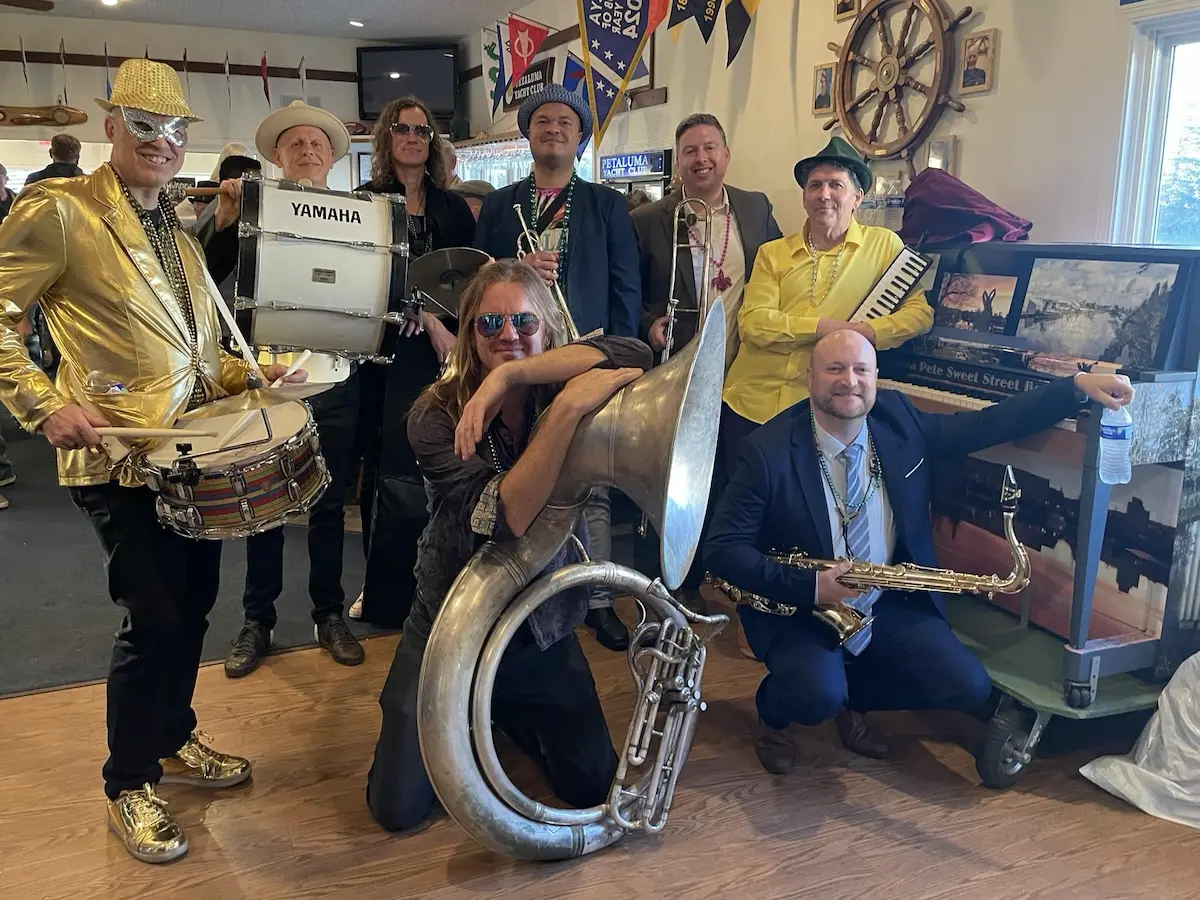
The contemporary jazz landscape continues to be defined by a synthesis of regional traditions and modern innovations, as evidenced by three significant new releases from Cameron Washington, the Ted Rosenthal Trio, and Daphne Roubini with Black Gardenia. These recordings, originating from San Francisco, New York, and Vancouver respectively, highlight the enduring influence of early 20th-century genres—ranging from New Orleans brass band music and ragtime to swing-era ballads—while integrating modern elements like hip hop, gospel, and cinematic orchestration. As the recording industry navigates the mid-2020s, these albums reflect a broader trend of independent labels such as Angel Island Records, TMR Music, and Cellar Music fostering projects that prioritize historical preservation alongside stylistic experimentation.
Cameron Washington and the Reimagining of the New Orleans Brass Tradition
San Francisco-born trumpeter Cameron Washington has solidified his reputation as a bridge between the West Coast jazz scene and the deep musical heritage of Louisiana. His latest project, Back To San Francisco, performed by his ensemble Lazy Californians, serves as a sonic exploration of his family roots in New Orleans. The album arrives following Washington’s 2018 foray into documentary filmmaking, where he produced a biography of the esteemed New Orleans trumpeter Leroy Jones. Jones himself appears on the title track of this new collection, signaling a direct lineage between the "Crescent City" and Washington’s modern interpretations.
The Lazy Californians utilize a nine-piece configuration that eschews the typical mobility of a marching brass band in favor of a dense, "bottom-heavy" instrumentation. By incorporating a Hammond B3 organ and double bass alongside traditional brass instruments like the sousaphone, bass saxophone, and trombone, the ensemble achieves a frequency profile that is both grounded and expansive. This structural choice draws comparisons to the Dirty Dozen Brass Band of the 1980s, which famously revolutionized the genre by introducing bebop and funk sensibilities into the street beat tradition.
Stylistic Composition and Guest Contributions
Back To San Francisco is characterized by its "feisty carnival spirit," blending funky blues, R&B, and soul with Afro-Caribbean rhythmic structures. The album’s chronology of tracks reveals a deliberate attempt to represent the heterogeneous nature of contemporary New Orleans music. While traditionalists may gravitate toward the "jump blues" energy of "I Ain’t Drunk" and "You & Me & The Bottle Makes 3," the album also pushes boundaries with hip hop-influenced "rap-style" vocals on tracks like "Ricochet" and "The Cookout."
A pivotal moment in the recording is the appearance of vocalist Shamila Ivory. Her contributions to "Movin’ On Up" and "Ken’s Chariot" (a reimagining of "Swing Low, Sweet Chariot") infuse the project with a jazz-gospel vitality, supported by crisp percussion from Andrew Greenstein and Josh ‘Jams’ Marotta. In a sharp contrast to the high-energy brass arrangements, the album concludes with "SanKofa," a marimba-led track that adopts a minimalist, therapeutic aesthetic. This stylistic pivot suggests that Washington views the New Orleans tradition not as a static museum piece, but as a living, breathing entity capable of profound introspection.
Ted Rosenthal and the Mastery of Pre-Bop Aesthetics
In New York, the Ted Rosenthal Trio has released The Good Old Days, the final installment of a comprehensive four-album set of trio recordings. Ted Rosenthal, a veteran pianist whose career was catalyzed by a 1988 victory at the Thelonious Monk International Jazz Piano Competition, has long been a central figure in the preservation of the Great American Songbook. His tenure as the musical director for the Gerry Mulligan tribute band, following the legendary saxophonist’s death, established him as a premier interpreter of the jazz tradition.
The Good Old Days is not merely a nostalgic exercise; it is a technically rigorous homage to ragtime, stride, and the swing era. Rosenthal, who has composed jazz operas and concertos, applies a sophisticated academic lens to these formative styles. The album features bassist Noriko Ueda and drummers Tim Horner and Quincey Davis, creating a cohesive unit that balances technical precision with the "relaxed swing" essential to pre-bop jazz.
Analytical Breakdown of The Good Old Days
The album’s repertoire includes six original compositions designed to complement historical standards. For instance, "Hot Sauce" utilizes the chord changes of the classic "Struttin’ With Some Barbecue," providing a familiar framework for modern improvisation. A significant highlight is the guest appearance of the late clarinettist Ken Peplowski. His dialogue with Rosenthal on the calypso-inspired "Sunny Side Up" serves as a poignant reminder of Peplowski’s world-class virtuosity.
Rosenthal’s treatment of Scott Joplin’s "Maple Leaf Rag" represents a bold departure from formal scoring. Rather than adhering to the rigid structures of traditional ragtime, the trio treats the piece as a vehicle for free-wheeling variations and exuberant improvisation. This approach is mirrored in the closing track, "Schmatta Rag," which incorporates Jewish musical motifs and nods to Jelly Roll Morton’s "King Porter Stomp." Through these recordings, Rosenthal demonstrates that the "Good Old Days" of jazz remain fertile ground for contemporary creative expression.
Daphne Roubini and the Revival of the Swing-Era Ballad
While Washington and Rosenthal focus on rhythmic and structural complexity, Vancouver-based vocalist Daphne Roubini explores the emotional intimacy of the jazz ballad. Her latest release with her ensemble, Black Gardenia, titled Whisky Scented Kisses, focuses on the "late-night" mood associated with the 1930s and 40s. Roubini, who composed six of the nine tracks on the album, occupies a unique niche in the Canadian jazz scene, blending the wistful romanticism of the swing era with a restrained, modern vocal delivery.
The instrumentation on Whisky Scented Kisses is intentionally minimalist, featuring the arrangements of guitarist Paul Pigat. The inclusion of Dave Say on tenor and soprano saxophone provides a necessary "jazz ginger" to the sedate proceedings, particularly on the more upbeat tracks. Roubini’s style frequently draws comparisons to a young Billie Holiday, characterized by a soft, expressive phrasing that emphasizes the narrative weight of the lyrics.
Chronology of Influence and Modern Context
The album’s standout tracks are its reinterpretations of 1930s hits, such as "You Leave Me Breathless" (1938) and "This Year’s Kisses" (1937). By placing her original compositions alongside these standards, Roubini seeks to establish a seamless continuity between the past and present. The production, recorded in Vancouver in April 2025, reflects a growing interest in "candle-lit listening"—music that prioritizes atmosphere and mood over technical bravado.
The success of Whisky Scented Kisses on the Cellar Music label underscores the viability of niche jazz markets. In an era dominated by high-speed digital consumption, the album’s "laidback" and "sedate" qualities offer a counter-narrative, inviting listeners to engage with music as a form of emotional sanctuary.
Broader Implications for the Global Jazz Market
The simultaneous emergence of these three distinct projects provides a snapshot of the health and diversity of the independent jazz recording industry. Several key implications can be drawn from these releases:
- Regional Identity as a Marketing Tool: Both Washington (San Francisco/New Orleans) and Roubini (Vancouver) leverage their regional identities to create a unique brand. In a globalized market, "place" remains a powerful narrative driver for jazz musicians.
- The Role of the "Tribute" and "Homage": Rosenthal’s four-album project and Washington’s film-inspired music show that jazz artists are increasingly acting as historians. By documenting and reinterpreting the past, they ensure the longevity of genres like stride and brass band music.
- Instrumentation as Innovation: The use of "bottom-heavy" brass sections or marimba-led finales indicates that artists are looking toward unconventional instrument pairings to differentiate their sound in a crowded marketplace.
- The Legacy of Collaboration: The inclusion of veteran figures like Leroy Jones and Ken Peplowski serves a dual purpose: it validates the younger generation of players while providing one final recorded testament to the masters of the previous era.
As these albums circulate through festivals and streaming platforms in 2025, they collectively affirm that jazz remains a "heterogeneous" art form. Whether through the "feisty carnival style" of the Lazy Californians, the "assured technical command" of Ted Rosenthal, or the "whisky-scented" romanticism of Daphne Roubini, the genre continues to evolve by looking backward as much as it looks forward. These recordings provide not just a listening experience, but a scholarly map of the influences that continue to shape the sounds of the 21st century.