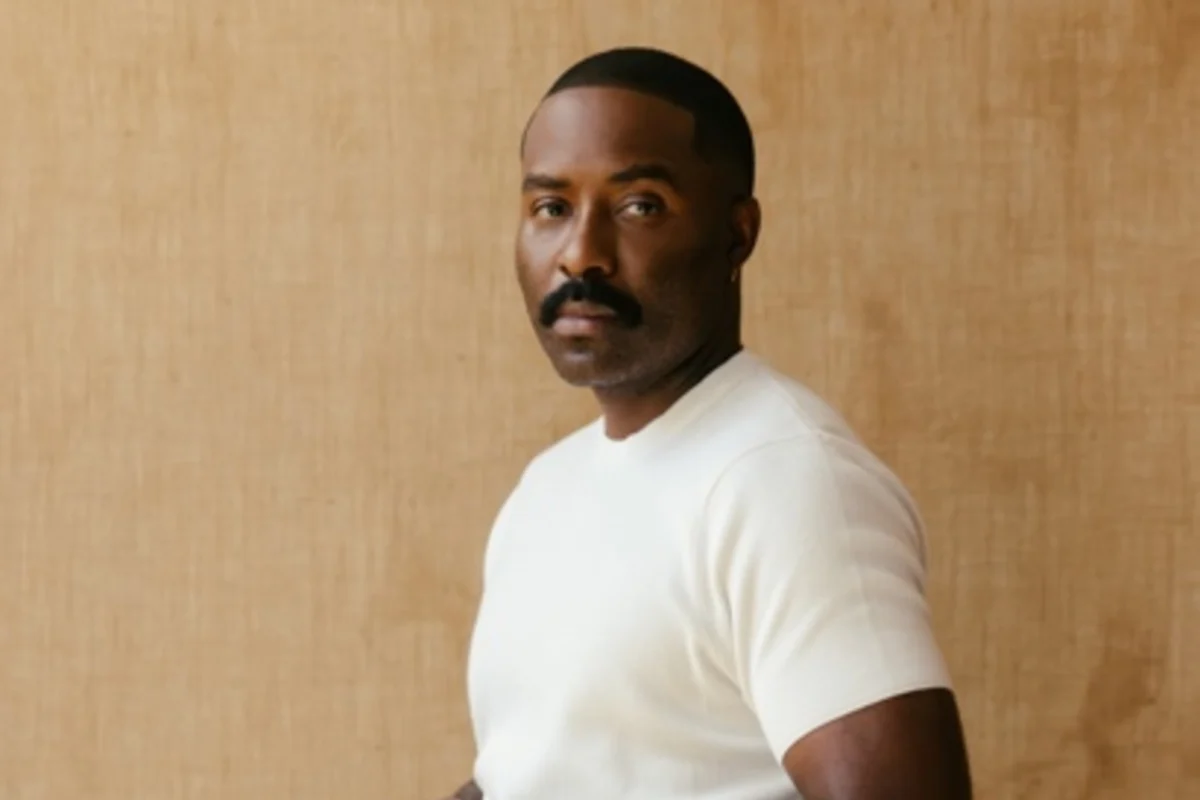
Indra Aziz
Janine Warren’s highly anticipated new book, “The World Was a Mess But His Hair Was Perfect: The Last Indie Music Scene 2000-2010,” promises to delve deep into the vibrant and often chaotic landscape of the United Kingdom’s post-millennial independent music scene. This comprehensive work, set for release on September 3rd via Omnibus, aims to fill a perceived void in the cultural narrative of early 2000s indie music, offering an insider’s perspective on a decade that reshaped the British music industry.
A Decade Defined: The UK Indie Resurgence of the 2000s
The early 2000s witnessed a significant resurgence of independent music in the UK, a period characterized by a distinctive blend of raw energy, lyrical introspection, and a renewed focus on authentic artistic expression. Following the commercial dominance of Britpop in the late 1990s, a new wave of bands emerged, often channeling a more diverse range of influences and grappling with the socio-political undercurrents of the era. This period saw the rise of acts that would go on to achieve global recognition, solidifying their place in music history.
The book’s timing and subject matter are particularly relevant in light of the enduring influence of similar retrospectives. Lizzy Goodman’s 2017 critically acclaimed book, “Meet Me In The Bathroom,” chronicled the seminal New York indie scene of the early 2000s, focusing on bands like The Strokes, Yeah Yeah Yeahs, and Interpol. Goodman’s work set a high bar for documenting such formative musical movements, prompting many to question when a definitive account of the parallel UK scene would emerge. Warren’s book appears poised to answer that call, offering a much-needed British perspective.
An Insider’s View: Janine Warren’s Unique Position
Janine Warren’s credentials as an authority on this era are undeniable. Having served as a publicist for many of the period’s most influential artists, she possesses an intimate understanding of the challenges, triumphs, and unique dynamics that defined the UK’s indie music scene. Her client list reads like a who’s who of 2000s indie royalty, including Johnny Marr, Bloc Party, Franz Ferdinand, The Libertines, Marianne Faithfull, and Mick Jones. This direct involvement grants her access to a wealth of personal anecdotes and behind-the-scenes insights that are crucial for an authentic portrayal of the time.
“The World Was a Mess But His Hair Was Perfect” is not merely a compilation of historical facts; it is described as an exploration of the "turbulent 00s," suggesting a narrative that delves into the personal experiences and creative processes of the musicians and industry professionals who shaped the decade. The title itself, evocative and memorable, hints at a book that balances the often-gritty realities of the music industry with the enduring allure of its artists.
A Chorus of Voices: Contributions from Key Figures
To further enrich its narrative, Warren has secured contributions from a diverse array of individuals who were integral to the 2000s indie music landscape. The book features insights from NME editor Conor McNicholas, a significant voice in shaping music journalism and public perception during that period. Additionally, producer Paul Epworth, a highly sought-after studio figure known for his work with artists such as Adele and Florence + The Machine, offers his expert perspective on the sonic textures and creative collaborations that defined the era.
The foreword is penned by Alex Kapranos, the charismatic frontman of the critically acclaimed band Franz Ferdinand, whose own music became synonymous with the UK’s indie revival. Kapranos’ involvement underscores the book’s authority and its appeal to fans and critics alike.
The visual aspect of the book is also meticulously curated. Matthew Cooper, known for his period-appropriate design sensibilities, is responsible for the cover art, ensuring that the book’s aesthetic aligns with the era it explores. Complementing the written word is a collection of previously unseen photography by Andy Willsher, widely regarded as the most celebrated gig photographer of the period. His images are expected to provide a visceral and authentic visual chronicle of the live music scene, capturing the raw energy and distinctive style of the era’s performances.
Early Acclaim and the Enduring Spirit of Indie
Early readers have already voiced their enthusiasm for the book’s evocative power. Kele Okereke, the frontman of the influential band Bloc Party, shared his personal connection to the book, stating, "Reading this book takes me back to the start of our journey as a band… we just wanted to make something that moved us, physically, emotionally, whatever it took.” This sentiment reflects the driving force behind many of the bands of the era: a deep-seated passion for artistic creation and a desire to connect with audiences on a profound level.
The release of "The World Was a Mess But His Hair Was Perfect" on September 3rd by Omnibus marks a significant moment for music historians, critics, and fans of 2000s indie music. It promises to be a definitive chronicle of a pivotal decade, offering a nuanced and comprehensive look at the artists, sounds, and cultural shifts that defined a generation.
Contextualizing the 2000s UK Indie Scene: A Timeline of Key Developments
To fully appreciate the significance of Warren’s book, it is essential to understand the broader context of the UK indie music scene between 2000 and 2010. This decade was a period of both innovation and introspection, marked by a departure from the more overtly commercial sounds that had dominated the previous decade.
-
Early 2000s (2000-2003): The Seeds of Revival: Following the decline of Britpop, a new generation of bands began to emerge, often drawing inspiration from post-punk, new wave, and a more lo-fi aesthetic. Bands like The Strokes (though American, their influence was immense), The Libertines, and The Vines (Australian, but highly influential in the UK) began to capture attention with their raw energy and rebellious spirit. The NME played a crucial role in championing these emerging acts, fostering a sense of community and excitement around the burgeoning scene. The early formation of bands like Bloc Party and Franz Ferdinand also falls within this period, with them honing their sound and building a following.
-
Mid-2000s (2004-2007): The Peak and Global Recognition: This period saw many of the era’s defining bands achieve widespread critical and commercial success. Franz Ferdinand’s self-titled debut in 2004, with its danceable riffs and sharp lyrics, became a landmark release. Bloc Party’s “Silent Alarm” (2005) was lauded for its intricate guitar work and urgent vocals. The Libertines, despite their internal turmoil, released their seminal debut “Up the Braces” (2002) and the acclaimed “The Libertines” (2004), solidifying their cult status. Arctic Monkeys, emerging from Sheffield, took the music world by storm in 2006 with their debut album “Whatever People Say I Am, That’s What I’m Not,” becoming the fastest-selling debut album in UK chart history at the time. This era also saw a diversification of sound, with acts like Kaiser Chiefs and The Fratellis offering more anthemic, singalong-ready indie rock.
-
Late 2000s (2008-2010): Evolution and Diversification: As the decade drew to a close, the indie scene continued to evolve. Some bands found new directions, while others faded from the spotlight. The influence of electronic music and experimentation became more pronounced in some quarters. Bands like Florence + The Machine, with their powerful vocals and baroque pop sensibilities, gained significant traction. The legacy of the earlier part of the decade continued to resonate, with many of the established acts releasing further successful albums. The “messiness” hinted at in the book’s title likely refers to the often-unpredictable nature of the music industry, the personal lives of artists, and the rapid shifts in musical trends.
Supporting Data: Chart Performance and Critical Acclaim
The impact of the 2000s UK indie scene can be quantified through various metrics. The aforementioned Arctic Monkeys debut, selling over 363,000 copies in its first week, shattered previous records for debut album sales in the UK. Franz Ferdinand’s debut album achieved platinum status in the UK and won the Mercury Prize in 2004, a prestigious award recognizing the best album released in the UK. Bloc Party’s “Silent Alarm” also received widespread critical acclaim, charting in the top 10 of the UK Albums Chart and achieving platinum sales.
Beyond chart performance, the critical reception from publications like NME, Q Magazine, and Melody Maker (in its later years) was instrumental in shaping the narrative and promoting new artists. These outlets served as crucial platforms for discovering and dissecting the music of the era, fostering a sense of shared experience among fans. The book’s inclusion of contributions from figures like Conor McNicholas directly taps into this crucial element of media influence.
Broader Impact and Implications: The Enduring Legacy of 2000s Indie
The UK indie music scene of the 2000s had a profound and lasting impact on popular culture. It reasserted the importance of authenticity and artistic integrity in a music industry often driven by commercial pressures. The DIY ethos, coupled with a strong sense of community and shared identity among artists and fans, created a fertile ground for creativity.
The success of these bands also paved the way for future independent artists, demonstrating that it was possible to achieve mainstream recognition without compromising artistic vision. The influence of this era can still be heard in contemporary music, with many younger artists citing these bands as key inspirations.
Furthermore, the book’s focus on the period between 2000 and 2010 is significant. This decade represents a bridge between the analogue and digital eras of music consumption. While physical media was still dominant in the early part of the decade, the rise of digital downloads and streaming services began to reshape how music was accessed and shared. Warren’s book will likely explore how these evolving technologies impacted the creation, distribution, and reception of indie music.
The title, "The World Was a Mess But His Hair Was Perfect," serves as a potent metaphor for the era. It suggests a period of social and political upheaval, perhaps mirroring the global events of the early 21st century, juxtaposed with the often-stylized image and carefully cultivated persona of the indie rock musician. This dichotomy is likely to be a central theme explored within the book, offering a nuanced look at the intersection of art, identity, and the wider world.
As “The World Was a Mess But His Hair Was Perfect: The Last Indie Music Scene 2000-2010” prepares for its release, it is poised to become an essential resource for understanding a defining period in British music history. Through its insider perspective, comprehensive contributions, and evocative narrative, Janine Warren’s book promises to capture the spirit, energy, and enduring legacy of an era that continues to resonate with music lovers worldwide.