Reynand Wu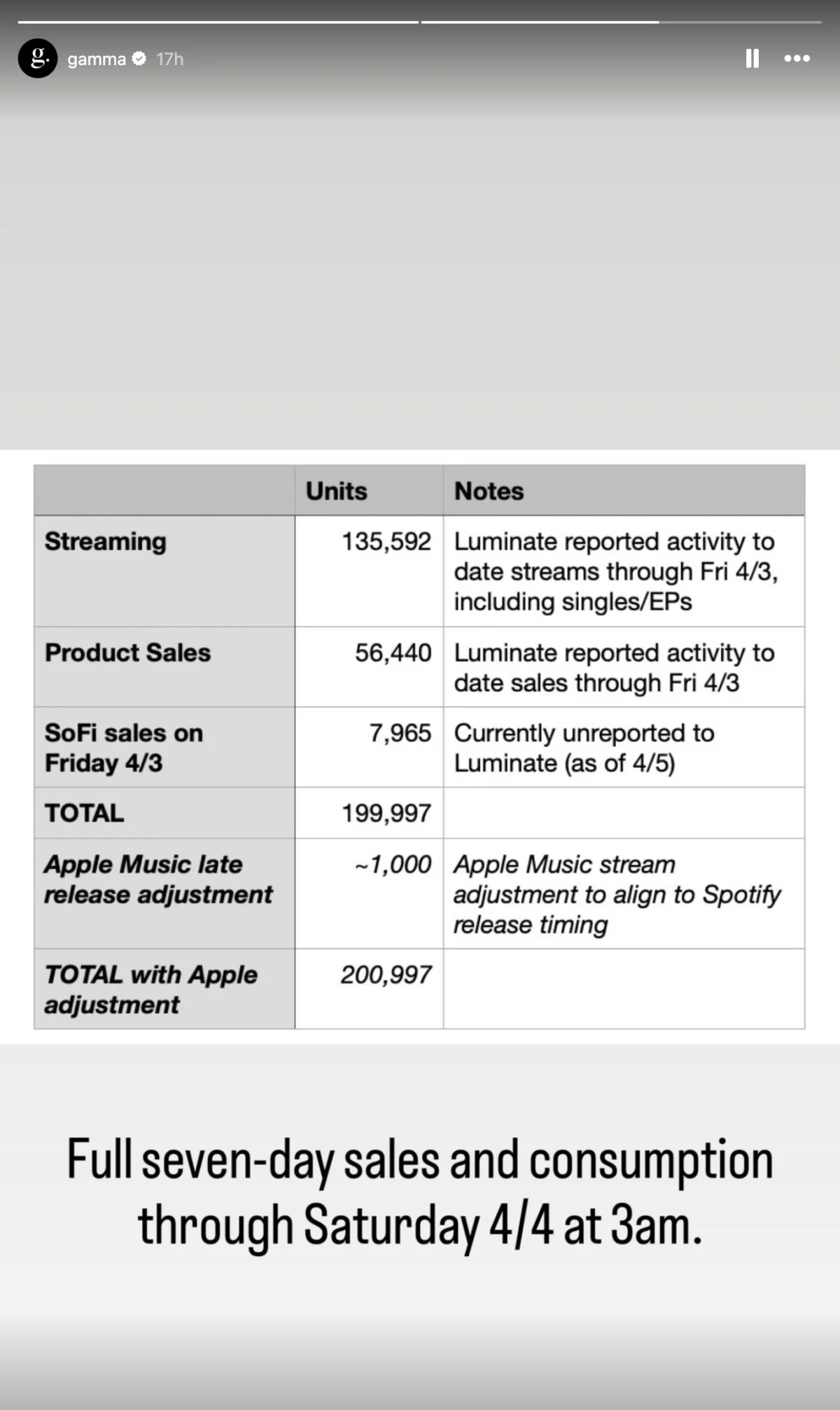
Kanye West’s latest studio album, Bully, has entered the music charts with a complex narrative, marked by a respectable commercial debut on the Billboard 200, a contentious dispute over its actual sales figures, and a deepening crisis surrounding his scheduled performances at London’s Wireless Festival. The album’s release and subsequent performance highlight the intricate interplay between an artist’s commercial appeal, the evolving landscape of music distribution, and the profound impact of public perception and past controversies.
Chart Performance Unpacked: ‘Bully’s’ Initial Showing
Released amidst a flurry of anticipation, Bully secured the number two position on the Billboard 200 chart in its inaugural week. The album amassed 152,000 equivalent album units, a metric that combines traditional album sales with the increasingly dominant streaming figures and track equivalent albums. Delving into the composition of these units, 96,000 were derived from streaming activity, translating to a substantial 98.43 million on-demand official streams across various platforms. The remaining 56,000 units came from traditional album sales, encompassing physical copies and digital downloads.
This performance, while robust for many artists, placed Bully just shy of the coveted top spot, which was occupied by K-Pop phenomenon BTS. The global sensation’s tenth album, ARIRANG, continued its impressive run, holding onto the number one position in its second week with 187,000 equivalent units. This followed an extraordinary debut week where ARIRANG stormed the charts with a staggering 641,000 units, underscoring BTS’s immense global fanbase and consistent commercial dominance.
For Kanye West, the number two debut carries significant historical weight. It marks the first time in 21 years that a solo studio album by the artist, also known as Ye, has failed to secure the top spot on the Billboard 200. This lengthy streak of chart-topping success, a testament to his enduring influence and consistent ability to command public attention, is now broken. Interestingly, the last time a Kanye West solo LP peaked at number two was with his critically acclaimed 2004 debut, The College Dropout, which served as his groundbreaking introduction to the mainstream music scene. This historical parallel adds another layer of intrigue to Bully‘s initial chart showing, juxtaposing his early career with his current standing as a veteran artist.
The Battle for Number One: Gamma.’s Contested Figures
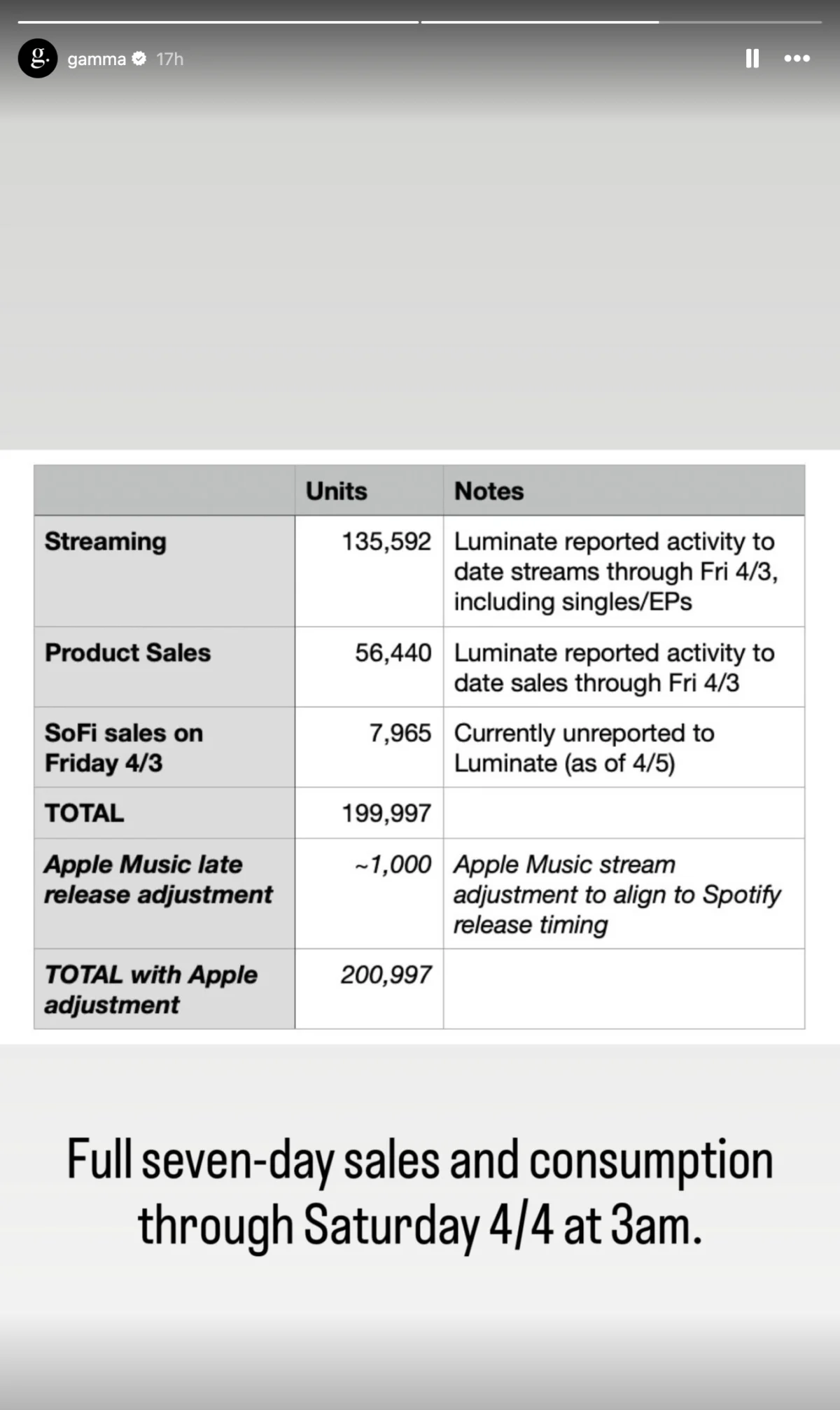
The narrative surrounding Bully‘s chart performance took a dramatic turn when Gamma., the distribution company behind the album, publicly contested Billboard’s official figures. Gamma., founded by former Apple Music executive Larry Jackson, asserted that Bully had, in fact, earned over 200,000 equivalent units in its first week. According to Gamma.’s internal accounting, shared via an Instagram Stories post detailing a “full seven-day sales and consumption” breakdown, the album generated a total of 200,997 units. If these figures were to be officially recognized, Bully would have comfortably surpassed BTS’s ARIRANG and secured the number one position on the Billboard 200.
This discrepancy has ignited a debate within the music industry regarding chart transparency and the methodologies employed by official tracking bodies. Billboard, the authoritative source for music charts, relies on data provided by Luminate (formerly Nielsen SoundScan), a leading entertainment data and analytics company. Luminate meticulously collects and aggregates sales, streaming, and airplay data from a vast network of retailers, digital service providers, and radio stations. Its rigorous process is designed to ensure accuracy and impartiality in chart compilation.
As of the latest reports, neither Billboard nor Luminate has issued a public statement or response to Gamma.’s claims. This silence leaves a significant void, raising questions about the nature of the discrepancy. Potential reasons for such differences can be manifold, ranging from varying reporting windows, the inclusion or exclusion of certain sales bundles, differing definitions of what constitutes a "sale" or "stream" for chart purposes, or even discrepancies in data aggregation. For instance, sometimes sales from artist-specific web stores or unconventional distribution channels might be processed differently or subject to delayed reporting compared to mainstream retail and streaming platforms. The lack of an immediate reconciliation or explanation from the official chart compilers leaves the definitive first-week performance of Bully in a state of ambiguity, fueling speculation and highlighting the complexities of modern music charting.
A Legacy Challenged: Kanye’s Historical Chart Trajectory
Kanye West’s career has been defined by a remarkable succession of commercially successful and critically acclaimed albums. His consistent ability to debut at the summit of the Billboard 200 has been a cornerstone of his commercial legacy, solidifying his status as one of the most bankable and influential artists of his generation. Prior to Bully, every one of his solo studio albums since The College Dropout had clinched the number one spot. This includes seminal works such as Late Registration (2005), Graduation (2007), 808s & Heartbreak (2008), My Beautiful Dark Twisted Fantasy (2010), Yeezus (2013), The Life of Pablo (2016), Ye (2018), Jesus Is King (2019), and Donda (2021). This unparalleled run of eleven consecutive number one solo albums is an extraordinary feat, placing him among an elite few artists with such sustained commercial dominance.
The interruption of this two-decade streak with Bully‘s number two debut, even if disputed by his distributor, marks a notable moment in his career. It prompts reflection on the evolving dynamics of the music industry and the artist’s own public narrative. While a number two debut is still a strong showing, especially given the tumultuous period preceding the album’s release, it inevitably invites comparisons to his past achievements. The context of The College Dropout‘s identical peak in 2004 offers a full-circle moment, reminding listeners of his origins while highlighting the vast artistic and personal journey he has undertaken since. The impact of this chart position, regardless of the Gamma. claim, will undoubtedly be analyzed within the broader context of his unparalleled career, potentially signaling a shift in his commercial trajectory or simply a testament to the fiercely competitive nature of today’s music landscape.
The Unfolding Wireless Festival Crisis: Backlash and Withdrawals
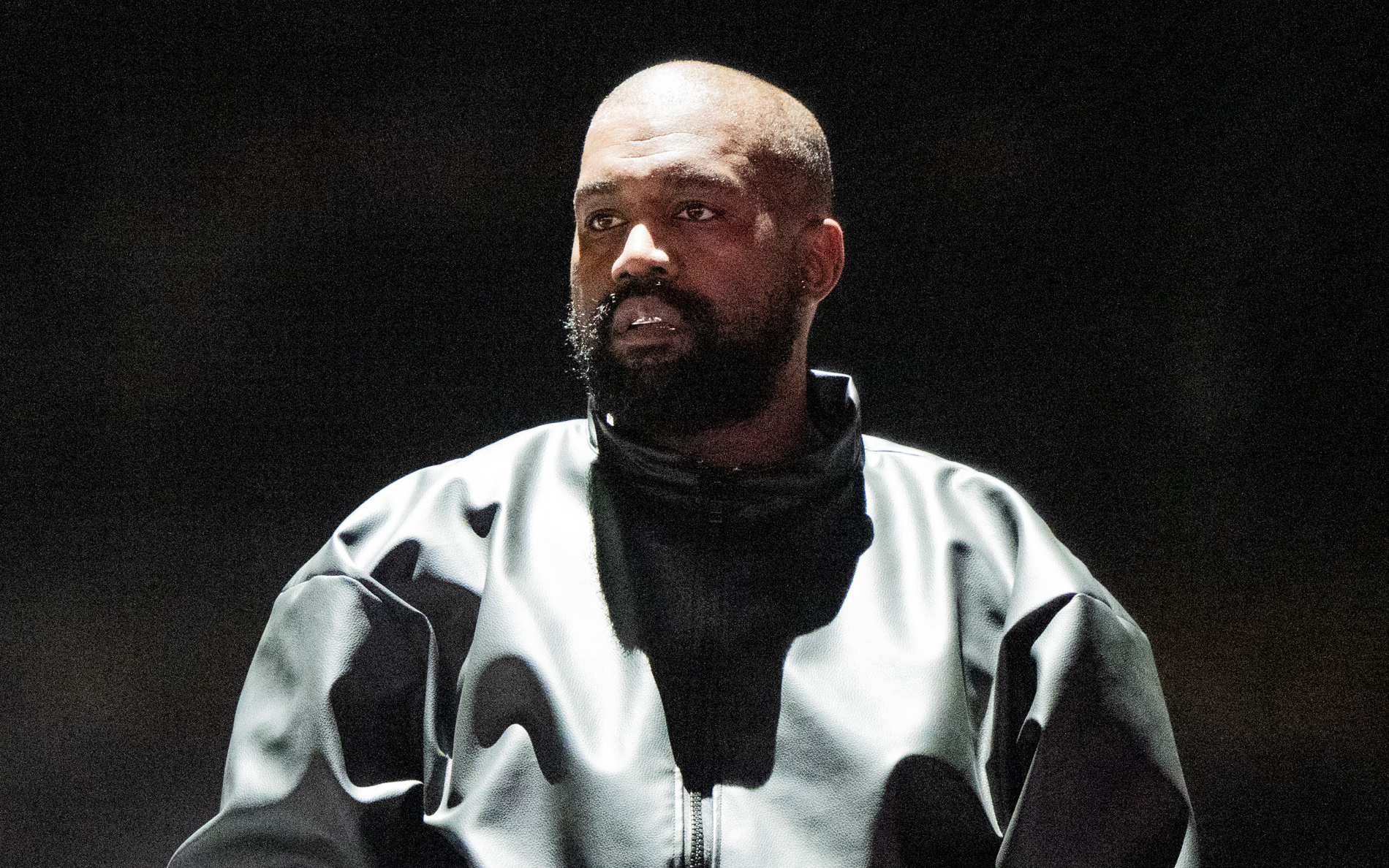
Beyond the intricacies of chart performance, Kanye West faces a far more profound challenge stemming from his widely publicized controversial remarks and actions. His recently announced headlining sets at London’s Wireless Festival in July have ignited a firestorm of criticism and drawn significant scrutiny, leading to tangible consequences for the festival itself.
The controversy is deeply rooted in Kanye’s history of antisemitic comments and public displays of admiration for figures associated with Nazism, which have been extensively documented over the past few years. These remarks led to widespread condemnation, the termination of major brand partnerships (most notably with Adidas), and a significant downturn in his public image. Despite a period of relative quiet, the decision by Wireless Festival organizers to book Ye for all three nights of the event immediately reignited the debate about accountability, the platforming of controversial artists, and the ethical responsibilities of cultural institutions.
The backlash has been swift and severe. In recent days, a number of major sponsors have publicly withdrawn their support from the Wireless Festival. Industry giants such as Pepsi, the global beverage conglomerate; PayPal, the ubiquitous online payment platform; and Diageo, one of the world’s largest producers of spirits and beers (whose brands include Guinness, Smirnoff, and Johnnie Walker), have all pulled out. These withdrawals represent not only a significant financial blow to the festival but also a powerful statement of corporate disapproval, demonstrating that brand values and public sentiment are increasingly influencing sponsorship decisions in the entertainment industry.
The criticism has also extended to the highest echelons of British politics. Sir Keir Starmer, the UK Prime Minister, and London Mayor Sadiq Khan have both publicly voiced their strong objections to Kanye West’s inclusion in the festival lineup. Prime Minister Starmer stated that it is “deeply concerning” that the controversial rapper has been booked to perform “despite his previous antisemitic remarks and celebration of Nazism.” Mayor Khan echoed these sentiments, emphasizing the importance of combating hate speech and ensuring that London remains a city that champions inclusivity and respect. These high-profile condemnations underscore the gravity of the situation and the widespread public concern over platforming an artist with such a contentious record.
The festival’s predicament highlights a broader ethical dilemma for event organizers: balancing artistic freedom and the desire to attract major talent with the moral imperative to uphold community values and respond to public outcry. While Kanye West recently performed two sold-out shows at Los Angeles’ SoFi Stadium in support of Bully, demonstrating his continued ability to draw a crowd in certain contexts, the Wireless Festival situation illustrates that the commercial viability of an artist can be profoundly impacted by their public conduct and the willingness of stakeholders to associate with them. The fate of his Wireless Festival appearances remains uncertain, with mounting pressure on organizers to reconsider their decision.
The Broader Implications: Navigating Controversy in the Music Industry
The dual narratives surrounding Kanye West’s Bully album – the chart dispute and the festival boycott – offer a potent case study in the evolving dynamics of the contemporary music industry.
Firstly, the contention over chart numbers between Gamma. and Billboard/Luminate underscores the critical importance of transparent and consistent data methodologies in an era dominated by digital consumption. As streaming becomes the primary mode of music consumption, the precise calculation of equivalent album units is paramount. Any perceived inconsistencies or disputes can erode public trust in chart integrity, which serves as a vital barometer for commercial success and industry trends. The lack of an official clarification from Billboard or Luminate further emphasizes the need for robust communication channels when such discrepancies arise, ensuring that artists, distributors, and the public have a clear understanding of how success is measured.
Secondly, the Wireless Festival crisis powerfully illustrates the increasing accountability demanded of public figures, particularly artists. In an interconnected world, an artist’s personal conduct and public statements are no longer confined to their private sphere; they have immediate and far-reaching commercial, ethical, and reputational consequences. Major brands are demonstrating a clear unwillingness to associate with individuals whose actions contradict their corporate values or alienate significant portions of the public. This trend suggests a growing expectation that artists, particularly those with vast platforms, must navigate their public lives with a heightened sense of social responsibility. The withdrawal of prominent sponsors from Wireless Festival serves as a stark warning to other event organizers and artists about the financial and reputational risks associated with ignoring public sentiment.
Furthermore, the situation surrounding Bully‘s release and the subsequent Gamma. claim also sheds light on the strategies employed in modern album rollouts. Gamma. has already teased an upcoming expanded edition of Bully, cryptically writing on Instagram Stories, “Bully deluxe on the way.” While details such as a release date or the number of bonus songs remain undisclosed, the common industry practice of releasing deluxe editions or expanded versions often serves as a strategic move to re-engage audiences, generate renewed interest, and potentially boost sales and streaming numbers for subsequent chart runs. This tactic could be particularly relevant for an album that narrowly missed the number one spot, offering a chance to claim the top position retrospectively or in a future week.
The broader implications extend to the role of independent distributors like Gamma. In an industry increasingly open to direct artist-to-fan engagement and diverse distribution models, the relationships between artists, their distribution partners, and official chart compilers are becoming more complex. While major labels have historically handled the intricacies of chart reporting, independent entities now play a significant role, potentially leading to new challenges in data reconciliation and reporting consistency.
Conclusion: An Artist at a Crossroads
Kanye West finds himself at a critical juncture, facing intense scrutiny on multiple fronts. Commercially, his latest album Bully has ignited a public debate over its true chart performance, challenging his long-standing reign at the top of the Billboard 200. Simultaneously, his scheduled performances at a major international festival are embroiled in a deep ethical and public relations crisis, leading to significant sponsor withdrawals and condemnation from political leaders.
These concurrent events underscore the evolving landscape of the music industry, where an artist’s commercial success is increasingly intertwined with their public persona and adherence to societal values. The integrity of music charts remains paramount, requiring clear communication and consistent methodologies from official tracking bodies. Concurrently, the entertainment industry as a whole is grappling with the complexities of artistic freedom versus social responsibility, a dynamic that will continue to shape how artists are booked, sponsored, and received by the public. As the industry watches for Billboard’s potential response to Gamma.’s claims and the Wireless Festival’s ultimate decision regarding Kanye West’s performances, the unfolding narrative of Bully serves as a poignant reflection of an artist at a crossroads, navigating both the triumphs and tribulations of a highly scrutinized career.