 Aveline Kirana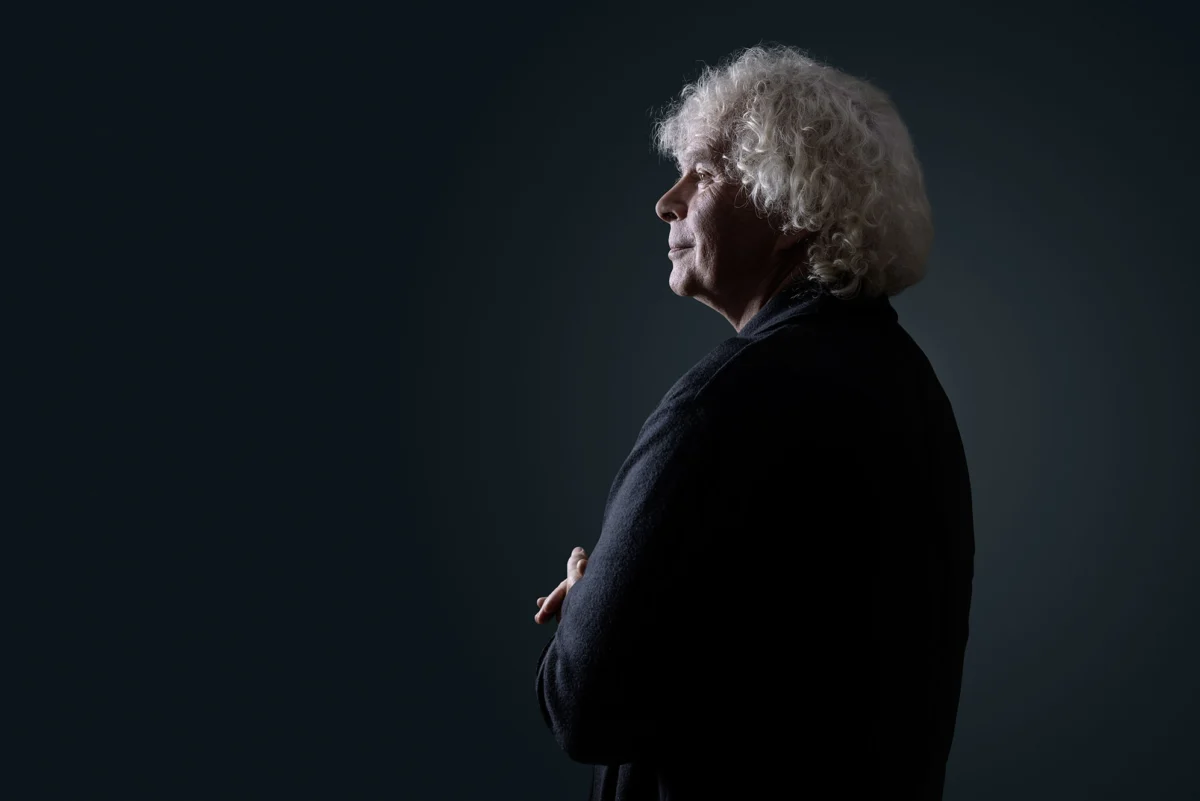
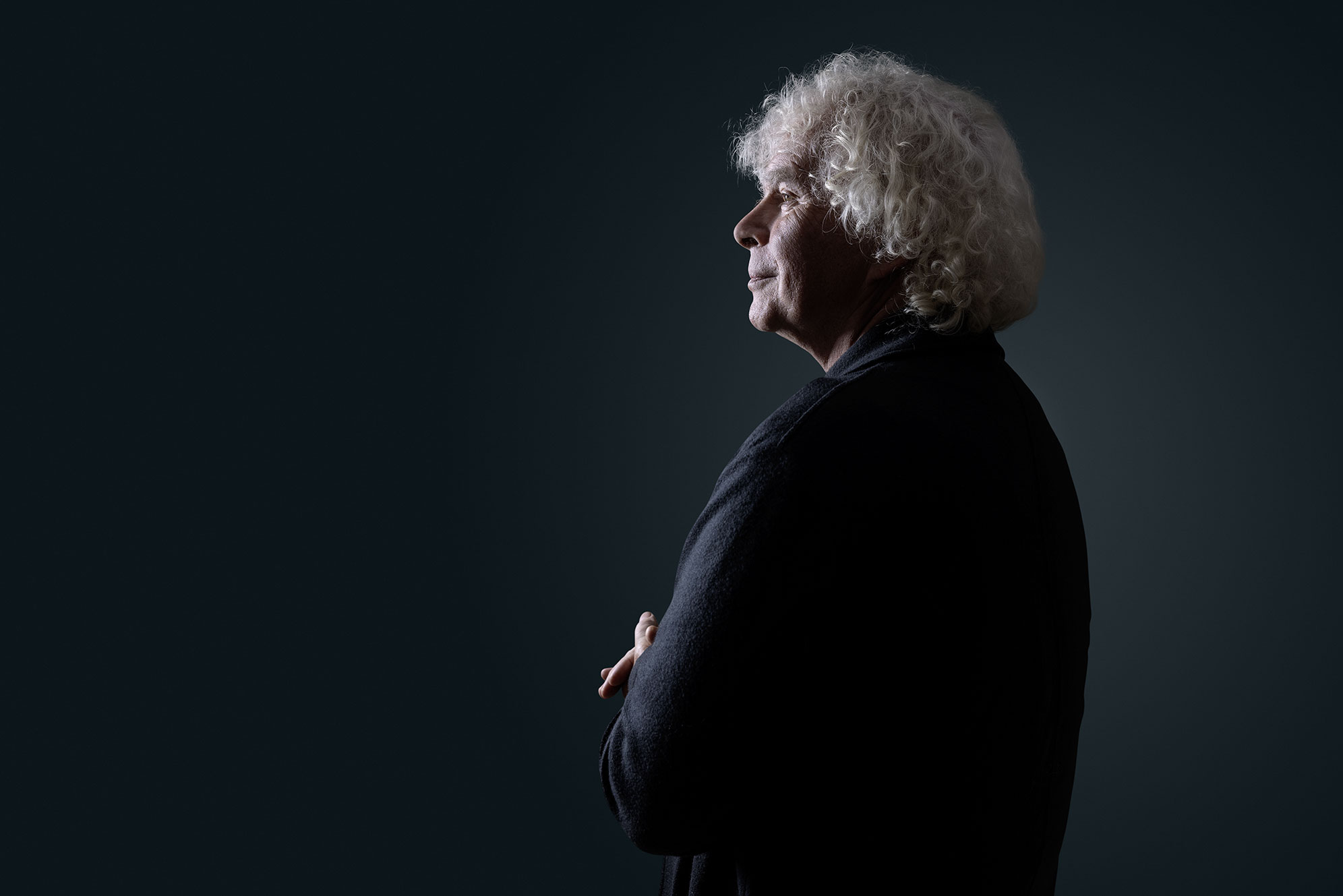
The distinguished British conductor Sir Simon Rattle has been bestowed with the prestigious Bavarian Maximilian Order for Science and Art, Bavaria’s highest accolade, in recognition of his profound and enduring contributions to the world of music. The award ceremony, held in the historic heart of Bavaria, celebrated Rattle’s unparalleled career, which has spanned decades and left an indelible mark on the global classical music landscape.
Bavarian Minister-President Markus Söder, a prominent figure in German politics and a staunch advocate for the arts, presented the order, articulating the profound significance of Rattle’s artistry. "Sir Simon Rattle is unequivocally one of the most important artists of our time," Söder stated, underscoring the conductor’s transformative influence. "He has shaped the music scene for decades through sheer excellence and an unwavering commitment to the promotion of young talent. With his boundless energy, he is a true pacesetter and an exceptional interpreter, breathing new life into timeless compositions and forging new paths for the future of classical music."
The Bavarian Maximilian Order for Science and Art is an honor of exceptional gravitas, reserved for individuals whose achievements have significantly advanced human knowledge and cultural expression. Its recipients are a testament to the intellectual and artistic vibrancy of Bavaria and its dedication to recognizing global excellence. The order’s distinguished roster of past laureates includes titans of the operatic stage such as Jonas Kaufmann and Christian Gerhaher, violin virtuosos like Julia Fischer, and acclaimed composers and conductors like Jörg Widmann and the late Mariss Jansons. The historical lineage of the award also extends to the monumental figures of Richard Wagner and Johannes Brahms, placing Sir Simon Rattle in the company of the most revered figures in the history of Western music.
A Career Defined by Innovation and Leadership
Sir Simon Rattle’s illustrious career is marked by a series of highly influential tenures at some of the world’s leading orchestras. His journey began with the City of Birmingham Symphony Orchestra (CBSO), where from 1980 to 1998, he revitalized the ensemble, elevating its international profile through innovative programming and critically acclaimed recordings. This period is often cited as a turning point in British orchestral music, demonstrating the power of a visionary conductor to transform a regional orchestra into a global force. His tenure at the CBSO was characterized by a daring repertoire, embracing both canonical masterpieces and contemporary works, and a profound connection with audiences.
Following his success in Birmingham, Rattle accepted the helm of the Berliner Philharmoniker, arguably the most celebrated symphony orchestra in the world. His tenure from 2002 to 2018 was met with immense anticipation and delivered on its promise, characterized by a forward-thinking approach to programming, a focus on educational outreach, and a series of groundbreaking digital initiatives. He expanded the orchestra’s reach through the innovative "Digital Concert Hall," allowing millions worldwide to experience their performances in high definition. During his time in Berlin, Rattle was instrumental in fostering a new generation of musicians and fostering a dynamic relationship between the orchestra and its audience, often experimenting with different concert formats and venues.
More recently, Rattle has taken on leadership roles with other esteemed ensembles. He served as Principal Conductor of the London Symphony Orchestra (LSO) from 2017 to 2023, continuing his legacy of pushing artistic boundaries and engaging diverse audiences. His work with the LSO included ambitious cycles of major symphonic works and continued exploration of new musical territories. Furthermore, his connection with Bavaria extends through his recent appointment as Chief Conductor of the Bavarian Radio Symphony Orchestra (BRSO), beginning in 2023. This appointment underscores his enduring commitment to the region and his continued influence on the European classical music scene.
The Significance of the Bavarian Maximilian Order
The Bavarian Maximilian Order for Science and Art was established in 1853 by King Maximilian II of Bavaria. It is awarded in two classes: the Maximilian Order for Science and the Maximilian Order for Art. Sir Simon Rattle receives the latter, recognizing his exceptional contributions to the artistic realm. The order is distinct from other Bavarian state awards in that it is not awarded on a fixed schedule but rather is bestowed upon individuals deemed to have made truly extraordinary and lasting contributions.
The selection process is rigorous, involving nominations and recommendations from leading cultural and scientific institutions within Bavaria, followed by a decision by the Bavarian State Government. The award ceremony itself is a significant cultural event, attended by political dignitaries, cultural leaders, and prominent figures from the arts and sciences. It serves not only to honor the recipient but also to highlight Bavaria’s commitment to fostering and celebrating intellectual and creative achievement.
Contextualizing Rattle’s Impact
Sir Simon Rattle’s influence extends far beyond his orchestral engagements. He has consistently championed the importance of music education and the development of young musicians. His work with youth orchestras and educational programs has inspired countless aspiring artists and has been crucial in ensuring the vitality of classical music for future generations. For example, during his tenure with the Berliner Philharmoniker, he initiated the "Zukunft@BPhil" (Future at the Berlin Philharmonic) program, which offered a wide array of educational activities, workshops, and concerts designed to make classical music accessible and engaging for children and young people.
His advocacy for contemporary music has also been a hallmark of his career. Rattle has commissioned and premiered numerous new works, providing a platform for living composers and ensuring that the classical music repertoire continues to evolve. He has a remarkable ability to connect audiences with challenging new pieces, often through insightful programming that juxtaposes them with familiar masterpieces, thus creating a dialogue between the past and the present. This approach has demystified contemporary classical music for many listeners and broadened their appreciation for its diverse forms and expressions.
Reactions and Future Implications
The news of Sir Simon Rattle’s award has been met with widespread acclaim from the international music community. Colleagues, musicians, and critics have lauded the recognition as a well-deserved acknowledgment of his profound artistic achievements and his dedication to the advancement of music. While official statements from Rattle himself are anticipated, his acceptance of such a high honor from a leading European cultural hub like Bavaria speaks volumes about his continued dedication to his craft and his influence on the global stage.
The award reinforces Bavaria’s position as a significant center for classical music and its commitment to recognizing artistic excellence on an international scale. For Sir Simon Rattle, this honor is another significant milestone in a career that has already achieved legendary status. It underscores his role not just as a conductor, but as a cultural ambassador, a champion of new music, and a vital force in nurturing the next generation of musical talent. His continued work with the Bavarian Radio Symphony Orchestra promises further artistic exploration and innovation, ensuring that his impact on the classical music world will continue to be felt for years to come. The Bavarian Maximilian Order serves as a powerful testament to a career that has consistently pushed boundaries, inspired millions, and enriched the cultural tapestry of our time.