Muhammad Ibadurrohman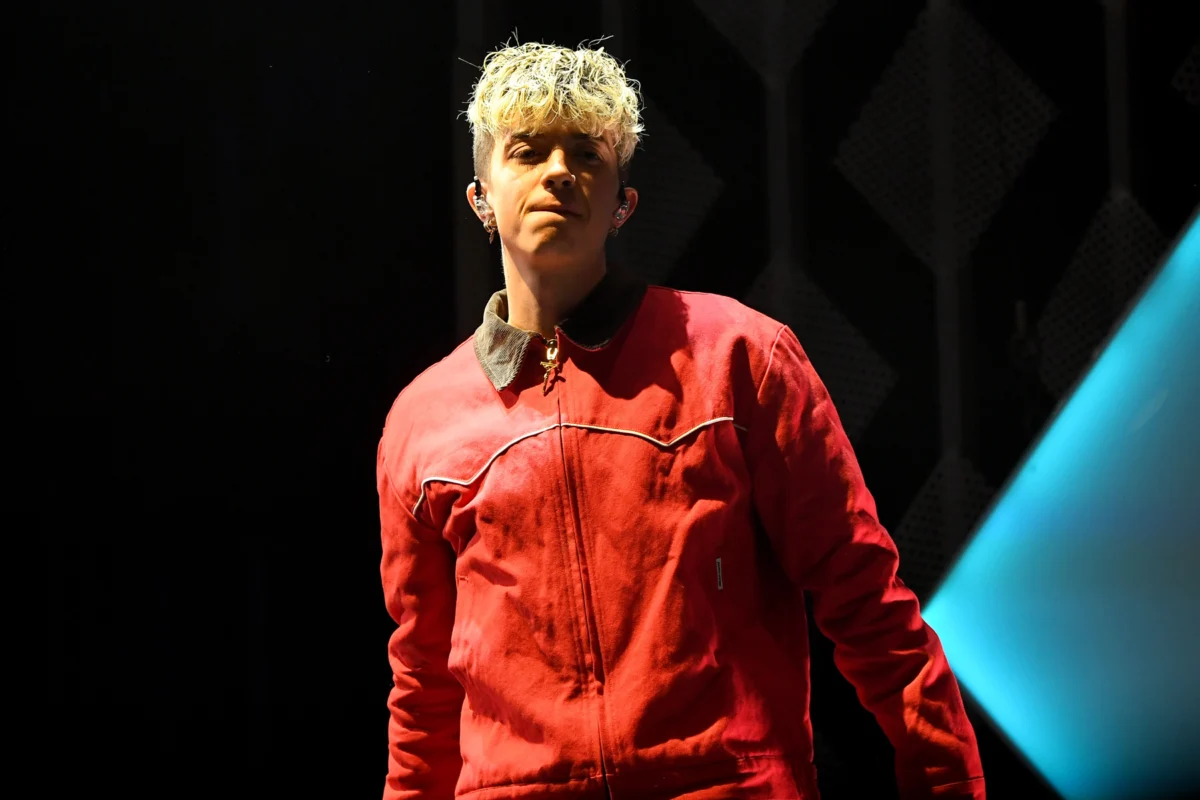
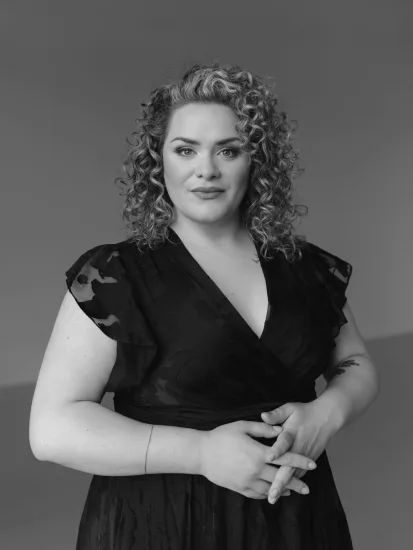
Gabriela Lauren Gonzalez, a prominent social media influencer who shares a seven-year-old daughter with former Why Don’t We band member Jack Avery, has been arrested and formally charged with orchestrating a murder-for-hire plot targeting Avery. The Los Angeles District Attorney’s Office revealed the stunning allegations on Tuesday, May 19, detailing how Gonzalez, alongside her father, Francisco Gonzalez, and then-boyfriend, Kai Faron Cordrey, allegedly conspired to have the singer killed amidst a contentious child custody dispute. All three individuals now face grave charges of attempted murder, conspiracy to commit murder, and solicitation of murder, carrying potential sentences of 25 years to life in state prison if convicted on all counts.
The Genesis of a Sinister Plot: A Custody Battle Turns Deadly
The alleged plot is said to have unfolded between 2020 and 2021, a period marked by an escalating and acrimonious custody battle between Gonzalez and Avery over their daughter. According to a press release issued by the District Attorney’s office, Gabriela Gonzalez is accused of enlisting the help of Kai Faron Cordrey, her boyfriend at the time, to locate and hire a hitman to carry out the assassination. Further compounding the gravity of the accusations, Gabriela’s father, Francisco Gonzalez, is alleged to have provided Cordrey with a sum of $14,000, ostensibly to fund the recruitment, hiring, and payment of the purported killer. This financial transaction underscores the premeditated and coordinated nature of the alleged scheme, painting a disturbing picture of familial involvement in a plot to eliminate Avery.
The investigation into these serious allegations has been described as lengthy and intricate, involving multiple law enforcement agencies. It was initiated by the Federal Bureau of Investigation (FBI), which ultimately turned the case over to the Los Angeles District Attorney’s office for prosecution.
Undercover Operation Unveils the Conspiracy
A critical turning point in the investigation occurred in September 2021, when an undercover law enforcement officer, posing as a prospective hitman, made contact with Kai Faron Cordrey. During their conversations, Cordrey reportedly confirmed that Jack Avery was indeed the intended target of the plot. Discussions between Cordrey and the undercover officer allegedly delved into specific details regarding payment arrangements for the murder and the necessary proof that the act had been successfully carried out.
Further alleged communications solidified the involvement of Gabriela and her father. In subsequent conversations, Cordrey reportedly informed the undercover officer that Gabriela herself desired the murder to take place and that Francisco Gonzalez would be responsible for providing the necessary funds. These exchanges, meticulously documented by law enforcement, form a crucial part of the prosecution’s evidence, linking all three defendants directly to the alleged conspiracy. The detail and specificity of these discussions suggest a determined effort to execute the plan, highlighting the calculated nature of the alleged criminal enterprise.
Legal Ramifications and Arraignments
The legal proceedings have begun swiftly following the arrests. Gabriela Lauren Gonzalez was scheduled for arraignment on Tuesday, May 19, in Los Angeles, where she was expected to formally enter a plea to the charges. Meanwhile, Francisco Gonzalez was apprehended in Florida, indicating a multi-state law enforcement operation. He is currently awaiting extradition back to California to face the same charges as his daughter and Cordrey. The status of Kai Faron Cordrey’s arrest and arraignment was not immediately detailed, but he faces identical charges, underscoring the prosecution’s view of all three as co-conspirators.

Los Angeles County District Attorney Nathan J. Hochman issued a stern statement regarding the case, emphasizing the seriousness of the allegations. "This was a lengthy investigation that was initiated by the FBI and eventually turned over to our office, resulting in criminal charges being filed today," Hochman stated. He added, "This is a case where the defendants are accused of going to great lengths to find someone to commit murder. Most fathers raise their children to respect the law, but here we have a dad who allegedly helped his daughter and her boyfriend break the law in the most sinister way imaginable." His words underscore the profound breach of trust and the extreme nature of the alleged crime, particularly the involvement of a parent in such a scheme.
The prosecution of this high-profile case is being handled by L.A. Deputy District Attorney Alexander Bott, who is assigned to the major crimes division, indicating the severe nature and complexity of the charges. The investigation remains ongoing, and authorities have stated that further details may emerge as the legal process unfolds.
Jack Avery’s Response and Daughter’s Welfare
In the immediate aftermath of the arrests, Jack Avery took swift legal action to protect himself and his daughter. On the same Tuesday that Gabriela was scheduled for arraignment, Avery filed a petition in a Los Angeles court seeking a restraining order against Gabriela Gonzalez. In his petition, Avery revealed that he was first "notified by the FBI" of the murder plot against him in 2021, the same year the undercover operation took place. His statement further detailed the progression of the case: "In 2025, I am informed and thereon believe the FBI turned the case over to the Los Angeles District Attorney’s office and identified GABRIELA, GABRIELA’s father Francisco Gonzalez, and her ex-boyfriend, Kai Cordrey as co-conspirators in a plot to have me killed." This timeline suggests a meticulous and prolonged investigation spanning several years before charges were formally filed.
Avery’s most pressing concern, as articulated in his petition, was the welfare and safety of his daughter. He informed the court that on Friday, May 15, he was notified of Gabriela’s arrest. Crucially, their daughter had been immediately removed from Gabriela’s custody and placed with a foster family for her protection. Upon learning this, Avery promptly traveled to Northern California to retrieve his daughter, demonstrating his commitment to ensuring her well-being. In his petition, Avery is requesting sole legal custody of their daughter, with a firm stipulation of no visitation rights for Gabriela, reflecting the extreme nature of the alleged threat and his profound concerns for his child’s safety in her mother’s care.
A representative for Jack Avery declined to comment on the matter when contacted for this story, indicating the sensitive and ongoing nature of the legal proceedings. Similarly, contact information for Gabriela Gonzalez, Francisco Gonzalez, and Kai Faron Cordrey could not be immediately located, preventing any direct statements from the accused or their legal teams at this early stage.
Background: The Tumultuous World of Why Don’t We and Influencer Culture
The individuals at the heart of this alleged plot come from contrasting yet publicly scrutinized backgrounds. Gabriela Lauren Gonzalez carved out a niche as a social media influencer, a modern profession that often involves curating an aspirational public image. Her online presence likely amassed a significant following, built on sharing aspects of her life, potentially including her relationship with Avery and their daughter. The stark contrast between this carefully constructed public persona and the chilling allegations of a murder-for-hire plot highlights the often-hidden complexities and pressures behind the scenes of digital fame. The case serves as a stark reminder of how personal disputes, even those involving public figures, can escalate to extreme and dangerous levels, far removed from the polished facades presented online.
Jack Avery, on the other hand, rose to prominence as a member of the popular boy band Why Don’t We. Formed in 2016, the group quickly gained a devoted fanbase, releasing two studio albums and embarking on tours. However, the band’s journey has been anything but smooth, particularly in recent years, which have been dominated by a "prolonged, multifaceted legal battle" with their former management company, Signature Entertainment. This ongoing legal saga has undoubtedly placed immense stress on Avery and his bandmates, adding another layer of turmoil to his life that potentially coincided with the alleged murder plot.

In 2021, Why Don’t We sued Signature Entertainment, accusing the company’s co-founder, David Loeffler, who also served as their manager, of various forms of mistreatment, including restricting their food intake and verbal abuse. Signature Entertainment, in turn, sued the band members for anticipatory breach of contract and defamation. The legal wrangling reached a critical point in 2022 when Why Don’t We was forced to go on hiatus and cancel a scheduled concert tour after receiving a cease and desist letter from Signature, which barred them from entering agreements with promoters or venues.
The band’s legal woes culminated last year when, following a trial, four of the band’s members, including Avery, were ordered to pay a symbolic $1 each to their former managers. More significantly, they were prohibited from using the band’s name going forward, effectively dissolving Why Don’t We as it was known. This professional upheaval, occurring during the same timeframe as the alleged murder plot and custody dispute, paints a picture of intense personal and professional pressure on Jack Avery. The timing suggests that the custody battle, and the alleged plot, may have occurred against a backdrop of significant instability and stress in Avery’s life.
Broader Implications and The Road Ahead
This case transcends the personal tragedy of those involved, touching upon broader societal issues. The alleged plot underscores the severe dangers that can arise from highly contentious child custody disputes, particularly when emotions and personal animosity override legal and ethical boundaries. For public figures like Avery and Gonzalez, such disputes can quickly escalate under the glare of public scrutiny, sometimes with devastating consequences.
The involvement of a social media influencer in such a grave crime also sparks conversations about the public image versus private reality, and the pressures that can drive individuals to extreme measures. It serves as a cautionary tale about the potential for dark undertones beneath seemingly glamorous online lives.
The legal journey ahead for Gabriela Gonzalez, Francisco Gonzalez, and Kai Faron Cordrey will be extensive and complex. With charges as serious as attempted murder, conspiracy, and solicitation of murder, the defendants face a formidable challenge. The prosecution will meticulously present the evidence gathered over years, including the details of the undercover operation and financial transactions. Each defendant is presumed innocent until proven guilty beyond a reasonable doubt, and they will have the opportunity to mount their defense.
Ultimately, the most profound and lasting impact of this alleged plot falls upon the seven-year-old daughter caught in the center of this horrific family drama. Her removal from her mother’s care and placement with a foster family, followed by her father’s immediate steps to secure full custody, highlight the paramount concern for her safety and well-being. The psychological and emotional toll of such an event on a young child will undoubtedly be immense, and securing her stability and protection will remain a critical focus as the legal proceedings unfold. The case is a stark reminder of the devastating consequences when personal conflicts spiral into criminal intent, forever altering the lives of all involved, especially the most vulnerable.