 Johan Budi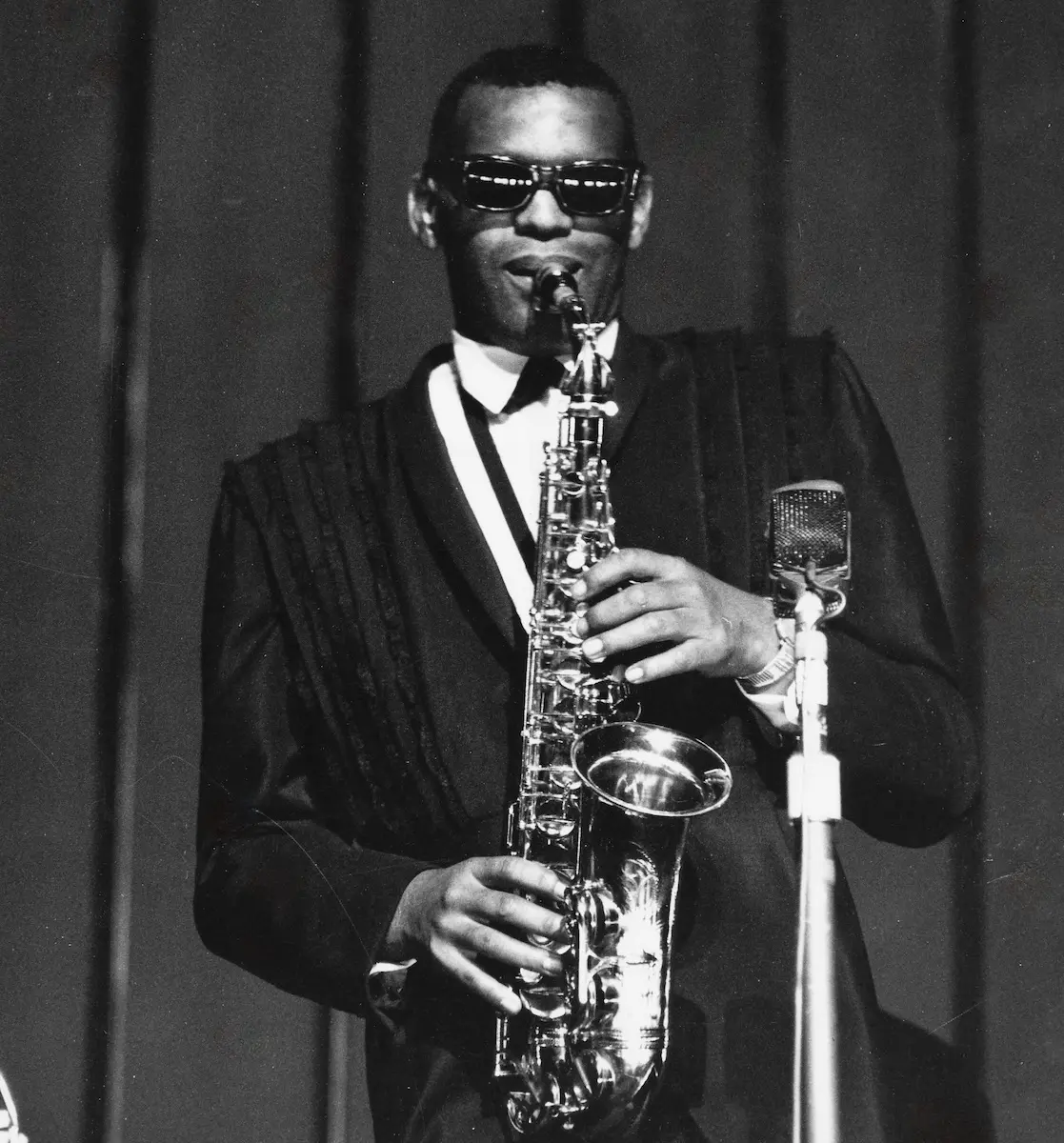
The landscape of American music during the late 1950s and early 1960s represented a period of profound transformation, characterized by the blurring of genre boundaries and the emergence of definitive recording sessions that would shape global culture for decades. This era saw the rise of the "Genius" persona of Ray Charles, the technical pinnacle of the Clifford Brown-Max Roach Quintet, and the urban evolution of John Lee Hooker’s Mississippi Delta blues. Through a series of high-fidelity reissues, the intricate histories of these artists are being re-examined, highlighting their roles as architects of jazz, soul, and hard bop.
The Evolution of Ray Charles: From R&B Pioneer to The Genius
Ray Charles Robinson, known professionally as Ray Charles, remains one of the most enigmatic figures in 20th-century music. While often categorized as a soul or R&B singer, his discography from the mid-to-late 1950s reveals a sophisticated jazz musician whose technical proficiency on the piano and alto saxophone was matched only by his vocal versatility. As noted by musicologist Brian Morton, Charles’s identity fluctuated between genres, yet his output between 1956 and 1960 solidified his standing within the jazz hierarchy.
The period began in earnest with The Genius After Hours (1956) and continued through a series of landmark collaborations, most notably Soul Brothers (1957) with vibraphonist Milt Jackson. By 1958, Charles’s performance at the Newport Jazz Festival became a turning point. During his rendition of "The Spirit Feel," Charles surprised the audience and critics alike by performing complex bebop alto saxophone lines, demonstrating that his musicality extended far beyond the rhythmic constraints of popular radio hits.
The 1959 Sessions and the Quincy Jones Collaboration
The 1959 release, The Genius of Ray Charles, marked a significant shift in production scale. The album was split into two distinct halves: a big band side and a lush orchestral side. The first six tracks were orchestrated by a young Quincy Jones, who utilized members of Charles’s own touring band supplemented by "ringers" from the Duke Ellington and Count Basie orchestras.
This hybrid ensemble provided a powerful backdrop for Charles’s baritone, which could move seamlessly from a gritty, soulful growl to a crystalline falsetto. Key soloists on these sessions included David "Fathead" Newman, whose tenor saxophone work on "Let the Good Times Roll" and "When Your Lover Has Gone" became iconic. Furthermore, the inclusion of Paul Gonsalves—famed for his marathon solo at the 1956 Newport Jazz Festival with Ellington—on "Two Years of Torture" added a layer of serpentine chromaticism that bridged the gap between traditional blues and modern jazz.
Defining a Standard: Georgia On My Mind
The second half of the 1959 sessions featured woodwinds and strings conducted by Ralph Burns. It was here that Charles recorded what is arguably the definitive version of Hoagy Carmichael’s "Georgia On My Mind." While the song had been previously recorded by luminaries such as Bing Crosby and The Mills Brothers, Charles’s interpretation transformed it into a soulful anthem. According to Tom Lord’s Jazz Discography, which lists over 1,200 versions of the song, Charles’s recording remains the benchmark for vocal phrasing and emotional depth. This track not only earned Charles two Grammy Awards in 1961 but also signaled his transition from a "race music" artist to a mainstream American icon.
The Clifford Brown-Max Roach Quintet: Defining Hard Bop
While Ray Charles was fusing jazz with soul, the Clifford Brown-Max Roach Quintet was refining the language of hard bop. Between 1954 and 1956, this ensemble set the standard for technical precision and improvisational fire. The quintet’s history is a chronology of rapid evolution and tragic brevity, particularly regarding the tenure of its tenor saxophonists.
A Chronology of Personnel and Innovation
The group’s first iteration in 1954 briefly featured Sonny Stitt, followed by Teddy Edwards. However, it was the arrival of Harold Land that stabilized the group during its formative recording sessions in Los Angeles. Land’s robust tone complemented Brown’s lyrical trumpet style, as heard on the group’s debut at the Pasadena Civic Auditorium.
In late 1955, the group underwent its most significant change when Sonny Rollins replaced Land. Rollins, who had been alternating sessions with John Coltrane in Miles Davis’s group, brought a new level of rhythmic complexity to the quintet. This lineup produced Clifford Brown and Max Roach at Basin Street, widely considered one of the finest live jazz recordings in history. In March 1956, the group recorded Sonny Rollins + 4, which introduced Rollins’s compositions "Pent-Up House" and the jazz waltz "Valse Hot," showcasing the group’s ability to innovate within non-standard time signatures.
Analysis of the Studio Sessions
The 1954 studio date, reissued as Brown and Roach Inc., highlights the quintet’s mastery of tempo and structure. "Sweet Clifford," a contrafact of "Sweet Georgia Brown," is performed at a blistering 80 bars per minute, showcasing Brown’s flawless articulation and Roach’s polyrhythmic drumming. Conversely, "Stompin’ At The Savoy" demonstrates the group’s ability to handle mid-tempo swing with a call-and-response routine that emphasizes the chemistry between the front line.
Max Roach’s contribution cannot be overstated. On tracks like "I Get A Kick Out Of You," Roach navigates mixed meters and complex transitions, effectively elevating the role of the drummer from a timekeeper to a primary melodic voice. This approach, alongside Art Blakey’s Jazz Messengers, defined the hard bop era—a movement characterized by blues-inflected melodies and aggressive, driving rhythms.
John Lee Hooker: The Delta Soul and the British Invasion
If Ray Charles represented the sophistication of soul and Clifford Brown the pinnacle of jazz, John Lee Hooker represented the raw, unyielding power of the blues. Born in the Mississippi Delta, Hooker’s move to Detroit in the 1940s led to a "one-chord" boogie style that would eventually influence the trajectory of rock and roll.
The Transatlantic Influence
By the early 1960s, Hooker’s influence had crossed the Atlantic, becoming a foundational element for the British R&B explosion. Musicians such as Pete Townshend of The Who, Keith Richards of The Rolling Stones, and Eric Burdon of The Animals have all cited Hooker’s earthy, husky delivery as a primary inspiration.
The connection between Hooker and the broader jazz world was also significant. Miles Davis, known for his discerning taste, collaborated with Hooker on the soundtrack for the 1990 film The Hot Spot. During these sessions, Davis reportedly told Hooker, "You are the funkiest man alive in the blues. The mud’s up to your neck," a testament to Hooker’s authenticity and rhythmic depth.
The Big Soul of John Lee Hooker: The Motown Connection
The 1962 album, The Big Soul of John Lee Hooker, serves as a fascinating historical artifact of the Chicago and Detroit music scenes. Recorded in Chicago, the session featured backing from members of the Funk Brothers, the legendary studio band responsible for the majority of Motown’s hits. This collaboration brought a polished, rhythmic precision to Hooker’s typically idiosyncratic timing.
The presence of Mary Wilson—then a member of the burgeoning Supremes—on backing vocals, alongside tenor saxophonist Henry Cosby (a frequent collaborator with Stevie Wonder), created a unique sonic texture. Tracks like "Boom Boom" and "Let’s Make It" utilized repeated vamps and heavy grooves that bridged the gap between rural blues and urban soul. Hooker’s vocal style on these recordings often bordered on spoken-word, a technique that allowed him to maintain a narrative intimacy even when backed by a full ensemble.
Historical Implications and Legacy
The re-release of these works by labels such as 20th Century Masterworks and WaxTime provides a necessary lens through which to view the development of American music. These recordings do not merely represent individual achievements; they document a period of intense cultural synthesis.
Chronology of Key Releases
- 1954: Brown and Roach Inc. establishes the blueprint for hard bop virtuosity.
- 1956: Ray Charles begins his "Genius" period with The Genius After Hours.
- 1959: The Genius of Ray Charles is recorded, featuring the definitive "Georgia On My Mind."
- 1960: Clifford Brown’s complete EmArcy recordings are consolidated, preserving his legacy following his untimely death in 1956.
- 1962: John Lee Hooker records The Big Soul, integrating the Motown sound with Delta blues.
Broader Cultural Impact
The impact of these artists extends beyond their immediate discographies. Ray Charles’s ability to command both the jazz and pop charts broke down racial and genre barriers in the American recording industry. Clifford Brown’s technical innovations on the trumpet influenced every subsequent generation of brass players, from Freddie Hubbard to Wynton Marsalis. John Lee Hooker’s "boogie" rhythm became the heartbeat of 1960s rock, influencing the rhythmic structure of stadium anthems.
In conclusion, the works of Ray Charles, Clifford Brown, and John Lee Hooker represent the pillars of mid-century American music. Whether through the sophisticated arrangements of Quincy Jones, the blistering tempos of Max Roach, or the raw vamps of the Funk Brothers, these recordings continue to offer a profound insight into the soul, intellect, and grit of the era. The ongoing preservation and study of these albums ensure that their "genius" remains a living, breathing influence on the contemporary musical landscape.