 Kholidah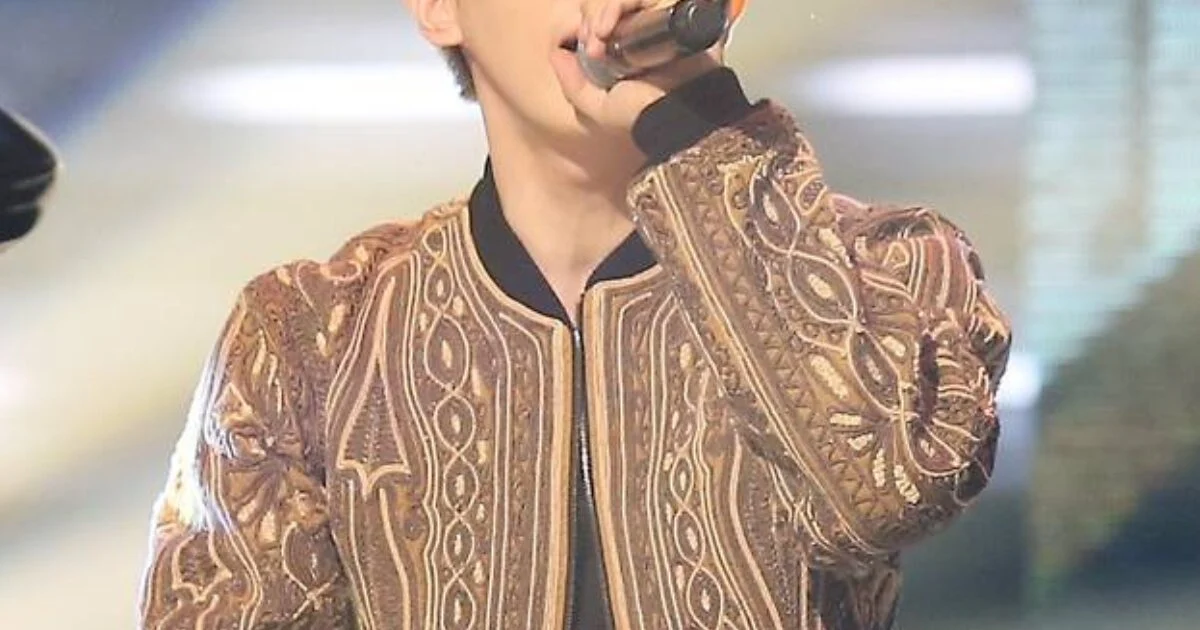
Jang Hyunseung, a prominent figure from the second generation of K-pop and a former member of the boy group BEAST (now known as Highlight), has found himself at the center of a significant social media controversy. The veteran idol is currently facing intense public scrutiny following his use of a highly contentious slang term during a direct interaction with fans on a private communication platform. While the artist has since issued a formal apology claiming a lack of contextual awareness, the incident has reignited a broader national conversation regarding the linguistic minefields of South Korean internet culture and the responsibilities of public figures in the digital age.
The Genesis of the Controversy
The incident originated on a fan-to-artist communication app, a medium designed to foster intimacy between idols and their supporters. During a messaging session, a fan queried Jang Hyunseung about the meaning of "yareu," a relatively new piece of Gen Z slang often used to describe something as cool, neat, or "hip." In his attempt to provide a definition, Jang responded that the term was a "perfect replacement for ‘Anggimotti.’"
The mention of "Anggimotti" immediately triggered a wave of concern and backlash among the fans participating in the chat. The phrase, while appearing phonetically similar to Japanese expressions of pleasure, carries a heavy and often derogatory weight within the South Korean digital landscape. Screenshots of the conversation quickly migrated from the private platform to major online community portals such as Pann, the Qoo, and Nate Pann, where the discussion escalated into a full-scale controversy.
Linguistic Context: The Origins of "Anggimotti"
To understand the severity of the backlash, one must examine the specific cultural and linguistic baggage associated with the term "Anggimotti." Linguistically, it is a portmanteau derived from the Korean prefix "ang" (often used to denote a cute or exaggerated emphasis) and the Japanese word "kimochi" (meaning "feeling" or "mood," but frequently associated with "feeling good").
Despite its seemingly innocuous literal translation, the term gained notoriety through its popularization by controversial internet broadcasters and streamers, most notably BJ Chulgu. Within these streaming circles, the phrase was often used in a mocking, hyper-sexualized, or aggressive manner. More significantly, "Anggimotti" became a staple in the lexicon of Ilbe Storehouse (commonly known as Ilbe), a far-right online community notorious for its misogynistic, discriminatory, and often extremist rhetoric.
In South Korean society, the use of Ilbe-associated slang is considered a "third rail" for celebrities. Because the site is frequently linked to "incel" culture and the mockery of historical tragedies, any perceived affiliation with its linguistic tropes can result in immediate and severe reputational damage. For a second-generation idol like Jang Hyunseung, who has spent over a decade in the public eye, the use of such a term was seen by many as a lapse in judgment at best and an alignment with toxic subcultures at worst.
Chronology of the Incident and Immediate Response
The timeline of the event suggests a rapid escalation from a casual fan interaction to a public relations crisis:
- The Interaction: Jang Hyunseung engages with fans on a communication platform and equates "yareu" with "Anggimotti."
- Fan Intervention: Fans immediately began messaging the artist, warning him of the term’s origins and its association with Ilbe and explicit content.
- The Initial Defense: Reports suggest that Jang initially responded to these warnings directly, though these messages were reportedly deleted shortly thereafter as the gravity of the situation became apparent.
- The Public Apology: As the screenshots went viral on public forums, Jang issued a formal clarification. He stated unequivocally that he was unaware of the controversial context or the malicious origins of the phrase, asserting that he had only understood it in its most superficial sense as an expression of "feeling good."
- Platform Cleanup: All references to the term were scrubbed from his official communication channels, and the artist has since maintained a lower profile as the public debates his explanation.
Background on Jang Hyunseung’s Career Trajectory
Jang Hyunseung is no stranger to the pressures of the K-pop industry. Debuting in 2009 with BEAST under Cube Entertainment, he was part of one of the most successful boy groups of the early 2010s, contributing to hits like "Fiction," "Shock," and "On Rainy Days." He further solidified his status as a top-tier performer through the co-ed duo Trouble Maker with HyunA, a project known for its provocative concepts and chart-topping success.
However, Jang’s career has also been marked by periods of turbulence. In 2016, he officially departed from BEAST following rumors of "attitude issues" and creative differences with the other members. After a period of hiatus and mandatory military service, he transitioned into a solo career, eventually leaving Cube Entertainment in 2021 after 11 years with the agency. In 2022, he signed with the new label Mine Field and began re-establishing his musical identity under the name "ABLE."
Given his history of navigating the industry’s strict social codes, critics argue that he should have been more cautious with his choice of words. Conversely, supporters point to his somewhat eccentric and "4D" personality as evidence that he may genuinely be disconnected from the specific nuances of modern internet slang.
The Role of Fan Communication Platforms
This incident highlights a growing trend of "direct-to-fan" communication risks. Platforms like Bubble, Fromm, and Phoning have revolutionized the K-pop industry by allowing idols to text fans directly, bypassing the traditional filter of PR managers and agency oversight. While this creates a sense of authenticity and strengthens the "parasocial" bond, it also leaves artists vulnerable to immediate, unvetted errors.
In the case of Jang Hyunseung, the lack of a secondary editorial layer meant that a misunderstanding of a slang term was broadcast instantly to thousands of followers. In the high-stakes environment of South Korean entertainment, where "moral clarity" and "social awareness" are often held in higher regard than artistic talent, such slips can have long-lasting effects on an artist’s brand and marketability.
Industry Implications and Public Sentiment
The reaction from the South Korean public has been polarized. On one hand, a segment of the "netizen" community remains unforgiving. For these critics, ignorance is not a valid excuse for using terms associated with Ilbe, an entity that many believe has caused significant social harm. They argue that as a veteran in the industry, Jang has a professional obligation to stay informed about social sensitivities.

On the other hand, many fans and objective observers have come to his defense, citing the "generational gap" in digital literacy. As slang evolves at an exponential rate, it is increasingly common for older users—even those in their early 30s like Jang—to adopt terms they hear in passing without researching their etymology. This group argues that the "witch hunt" mentality of online communities often fails to account for genuine human error.
Data from similar past controversies suggests that the impact of such incidents depends heavily on the sincerity of the apology and the artist’s subsequent behavior. For example, groups like Crayon Pop faced years of backlash after being accused of using Ilbe slang, while other idols who apologized immediately and demonstrated growth were able to move past the controversy.
Broader Socio-Cultural Impact
The Jang Hyunseung incident serves as a cautionary tale for the broader entertainment industry. It underscores the "weaponization" of language in digital spaces, where a single word can serve as a proxy for an entire political or social ideology. As K-pop continues to expand globally, the scrutiny on artists’ personal views and social awareness is only intensifying.
Furthermore, this event reflects the ongoing tension between the "purity" expected of idols and the reality of their human fallibility. As more veteran idols from the 2nd and 3rd generations attempt to stay relevant in an era dominated by Gen Z trends, the risk of "mis-translation" between generations becomes a recurring theme.
Conclusion
At present, Jang Hyunseung appears to be focusing on damage control, with his agency likely monitoring the situation closely. While the initial firestorm has begun to stabilize, the incident remains a stark reminder of the volatility of online discourse. Whether this will affect his future releases or his standing in the industry remains to be seen, but it has undoubtedly added another chapter to the complex relationship between K-pop stars and the digital subcultures that both support and scrutinize them.
For the K-pop industry at large, the takeaway is clear: in an age of instant communication, the boundary between "private" fan interaction and "public" controversy has effectively vanished. Education on digital literacy and the socio-political implications of language is no longer optional for idols; it is a fundamental requirement for career longevity.