Kholidah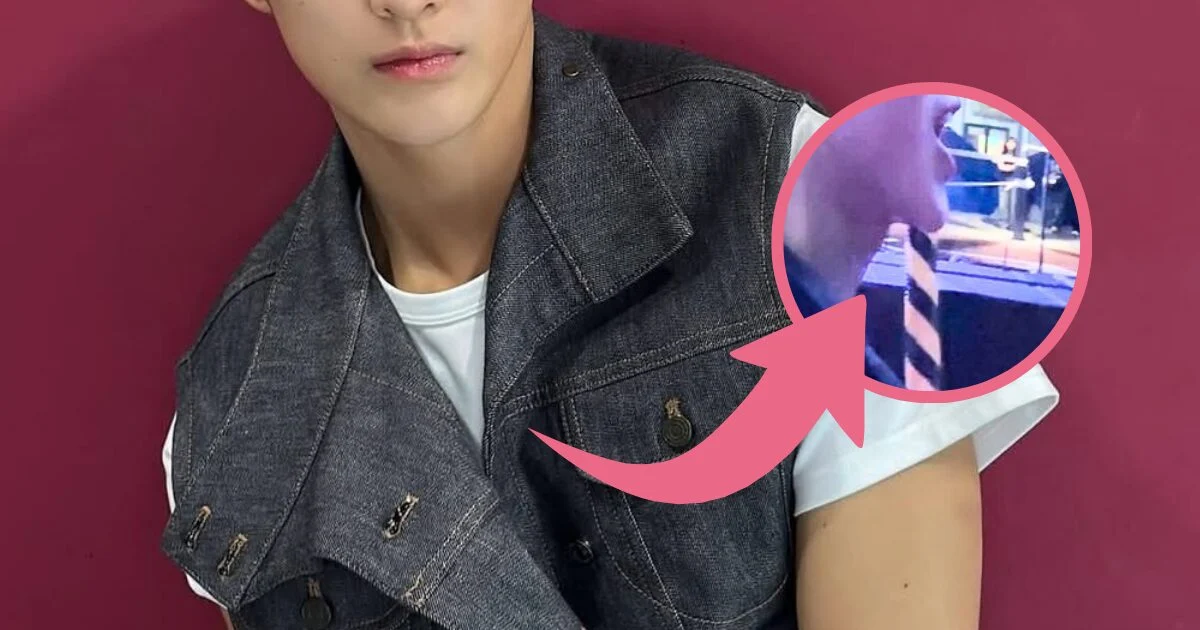
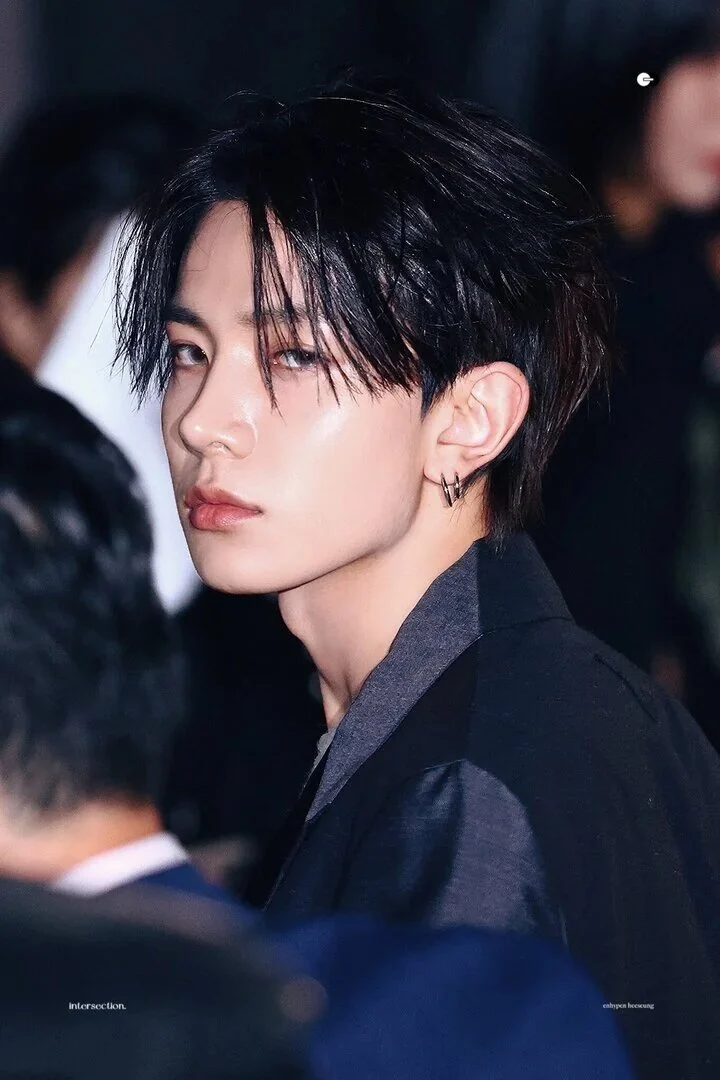
The global K-pop industry, while celebrated for its high-production music and intricate choreography, remains an environment where the physical appearance of performers is subjected to intense, often microscopic, scrutiny. This phenomenon was recently highlighted when Keonho, a member of the HYBE-affiliated boy group CORTIS, became the subject of widespread online speculation regarding his facial features. Allegations surfaced on various South Korean online communities suggesting that the idol had undergone a "botched" chin or jaw procedure, leading to a heated debate between anonymous critics and a dedicated fan base determined to protect the artist’s reputation.
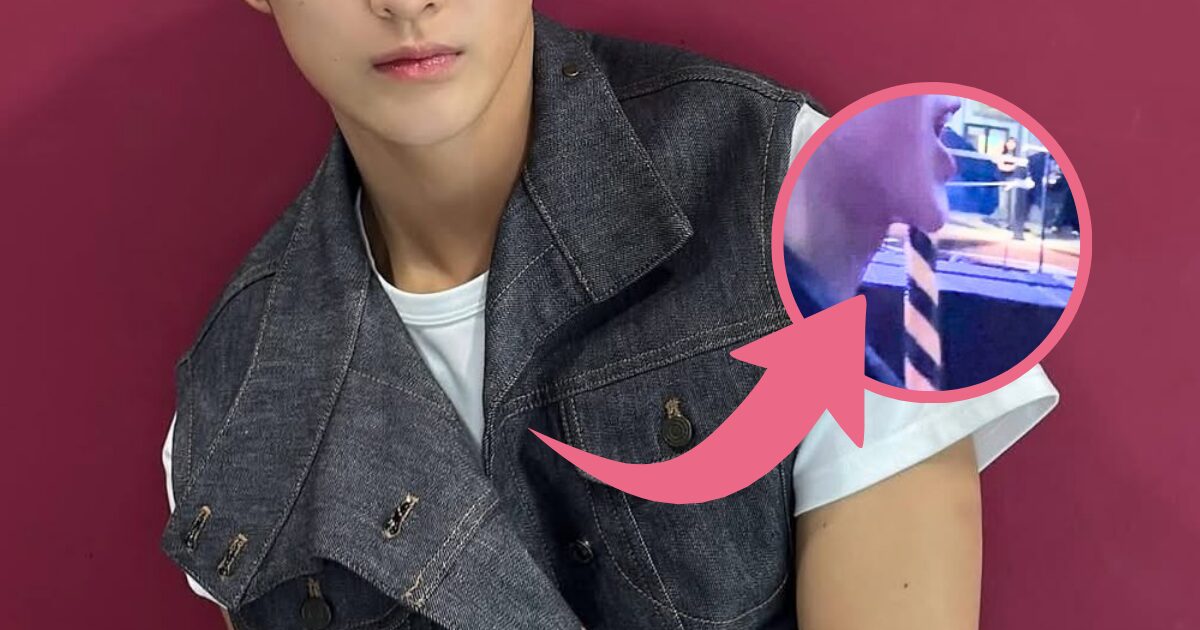
The controversy began when a post titled "Male idol suffering side effects from jaw surgery.jpg" gained significant traction on a popular domestic forum. The original poster (OP) shared a low-resolution screenshot from a recent video appearance, pointing toward Keonho’s chin and jawline as evidence of supposed cosmetic intervention. The critic argued that the shape of the idol’s lower face appeared unnatural or distorted compared to earlier promotional materials. These claims were further bolstered by the OP through the use of official group photos, where they alleged that "side effects" of a chin implant or jaw contouring surgery were visible even under professional lighting and editing.
The Nature of the Allegations and Visual Scrutiny
The scrutiny directed at Keonho is not an isolated incident within the K-pop landscape but rather a reflection of the "visual-centric" culture that dominates the fourth and fifth generations of idol groups. For Keonho, the allegations centered specifically on the structural integrity of his jawline. Critics often utilize "frame-by-frame" analysis of video content to identify what they perceive as inconsistencies in an idol’s appearance. In this instance, the "evidence" provided was a specific angle where Keonho’s chin appeared more prominent, which the anonymous poster claimed was indicative of a misplaced or "botched" implant.
However, medical professionals and image experts often note that such "proof" is frequently the result of several external factors. In the high-intensity environment of K-pop, idols are subjected to varying degrees of stage lighting, heavy contouring makeup, and differing camera lenses—all of which can dramatically alter the perception of facial structure. A wide-angle lens used in close-up shots, for example, can distort the extremities of the face, making the chin or nose appear larger or sharper than they are in reality.
A Timeline of CORTIS and the Emergence of the Controversy
To understand the timing of these allegations, one must look at the recent trajectory of CORTIS. The group, under the umbrella of HYBE, has seen a rapid ascent in popularity since their debut. By mid-2025, they had already secured significant milestones, including features in Weverse Magazine and high-profile brand endorsements.

- August 2025: Keonho is featured in a highly praised pictorial for Weverse Magazine, where his visuals are lauded by the general public.
- Early 2026: CORTIS experiences a surge in international chart performance, leading to increased visibility and, consequently, increased scrutiny from "anti-fans" or "akgaes" (fans of only one member who are hostile to others).
- May 22, 2026: The controversial post regarding Keonho’s jawline is uploaded to a major forum, quickly amassing tens of thousands of views and sparking a divide in the comment sections.
- May 23, 2026: Fans (CORTIS’s official fandom) begin a counter-campaign, circulating pre-debut photos and high-definition "fansite" images to debunk the surgery rumors.
The rapid spread of the rumor is often attributed to the "HYBE effect." As the largest entertainment conglomerate in South Korea, HYBE’s artists are frequently the targets of coordinated "down-voting" or malicious rumors by rival fandoms seeking to curb the momentum of a rising group.
Fan Defense and Evidence of Natural Visuals
In response to the viral allegations, the CORTIS fandom and general netizens came to Keonho’s defense with significant fervor. The primary argument against the "botched surgery" narrative was the presentation of Keonho’s pre-debut photographs. Fans shared images from his trainee days and his time as a student, demonstrating that his distinct jawline and chin structure have been consistent features since his youth.
Supporters argued that the "proof" used by the original poster was a classic example of "malicious editing" or choosing the single most unflattering frame from a moving video. Many comments pointed out that the idol’s appearance remains unchanged in candid, unedited videos taken by fans at airports or during live broadcasts. One netizen remarked, "All the jealous psychos are clinging onto him because CORTIS is doing well. If you look at his childhood photos, he has always had that sharp chin."

Another layer of the defense focused on the psychological impact of such rumors. Supporters emphasized that Keonho is a young artist who should be judged on his musical talent and performance rather than subjected to forensic analysis of his facial bones. The term "visual policing" has been used by critics of netizen culture to describe this habit of obsessively tracking an idol’s physical changes.
The Corporate and Legal Context
While HYBE and its subsidiary labels have not issued a specific statement regarding Keonho’s chin, the company’s general policy regarding artist protection is well-documented. HYBE regularly files criminal complaints against individuals who post malicious content, including defamation, personal attacks, and the spread of false information.
In their quarterly updates regarding legal proceedings, HYBE often notes that they monitor community sites like Pann, TheQoo, and DC Inside for posts that cross the line from "opinion" to "defamation." Allegations of "botched" surgery, when presented as fact with the intent to damage an artist’s reputation, often fall under the category of "malicious slander" in South Korean law.

The industry at large has seen a shift toward more aggressive legal stances. In years past, idols were expected to endure such rumors as "part of the job." Today, companies recognize that unchecked rumors can lead to significant financial loss by damaging brand deals and affecting the mental well-being of their performers, which in turn impacts the group’s longevity.
Broader Implications for the K-pop Industry
The Keonho controversy serves as a microcosm of the broader issues facing the K-pop industry in the mid-2020s. As the market becomes more saturated, the competition for the "visual" title becomes more cutthroat. This leads to an environment where any perceived flaw is weaponized.
Furthermore, the "plastic surgery" narrative is a double-edged sword in South Korea. While the country is a global hub for cosmetic procedures, there remains a paradoxical stigma against idols who are perceived to have "overdone" it or who do not admit to procedures. This creates an impossible standard for idols like Keonho: they must maintain "perfect" visuals to meet industry standards, yet they are vilified if the public suspects that those visuals were achieved through medical means.

The defense of Keonho also highlights a growing fatigue among netizens regarding "forced controversies." Many users who are not even fans of CORTIS joined the defense, noting that the constant cycle of "visual analysis" is becoming detrimental to the enjoyment of the music. There is a burgeoning movement within the international and domestic fanbases to prioritize "talent over visuals," though the transition remains slow.
Conclusion: The Resilience of the Idol Image
Despite the intensity of the allegations, the consensus among the majority of the public appears to be that the claims against Keonho lack substantial merit. The reliance on a single, low-quality screenshot as "proof" of a complex surgical outcome has been widely dismissed as an attempt to derail the idol’s current success.
As CORTIS continues its promotional activities, the focus has shifted back to their musical output and Keonho’s contributions as a performer. However, the incident remains a stark reminder of the digital minefield that modern K-pop idols must navigate. For Keonho and his peers at HYBE, the price of global stardom includes not only rigorous training and a grueling schedule but also the endurance of a public gaze that never blinks, searching for imperfections in a world that demands perfection.

In the long term, the fierce defense of Keonho by his fans may actually strengthen his brand. By weathering a "visual scandal" early in his career and having the rumors debunked by his own history, he has solidified a loyal base of supporters who view him as a victim of unfair scrutiny. As the industry evolves, the hope remains that the focus will eventually return to the artistry that defined K-pop’s global rise, rather than the millimeter-level measurements of an idol’s jawline.