Nana Wu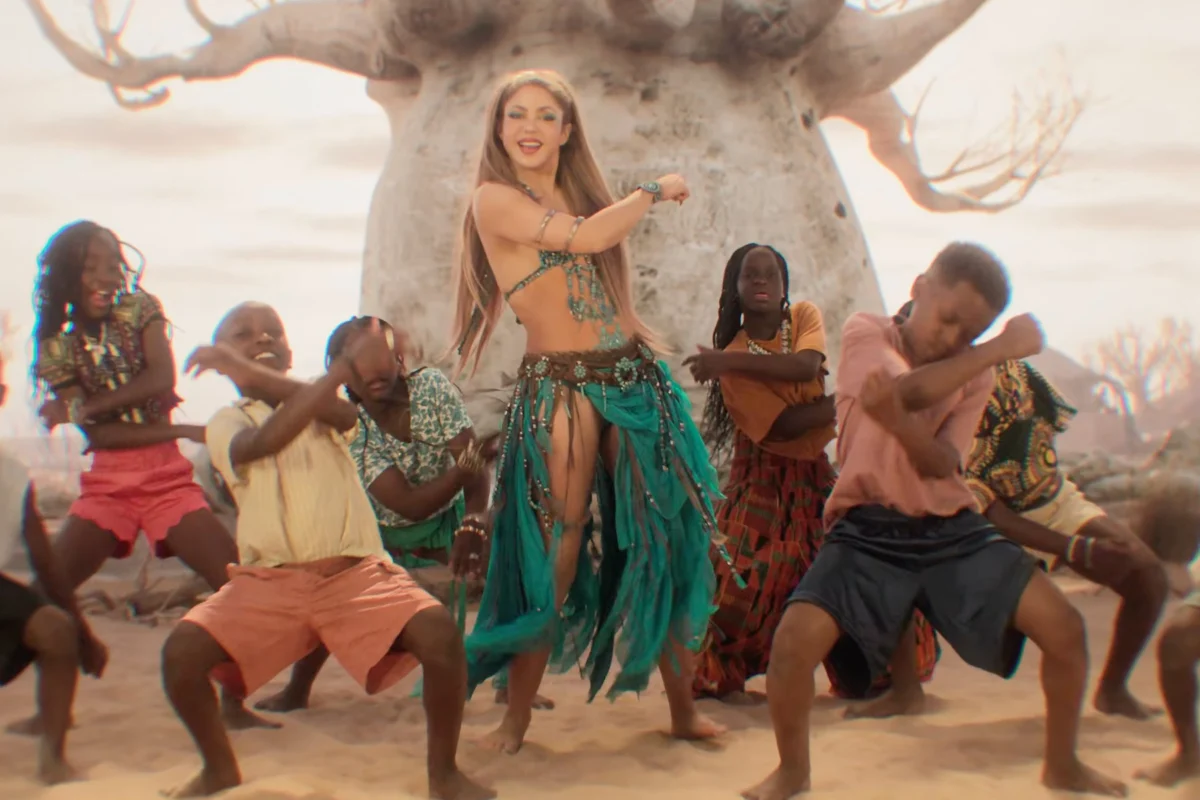
The highly anticipated FIFA World Cup 2026 has officially begun its cultural countdown with the release of the music video for its official song, "Dai Dai," a vibrant collaboration between Colombian superstar Shakira and Nigerian Afrobeats sensation Burna Boy. Launched on Saturday, May 23, the four-minute visual spectacle immediately captured global attention, not only for its captivating blend of musical genres and breathtaking cinematography but also for its star-studded cameos featuring some of football’s most iconic figures. This release marks a pivotal moment in the lead-up to the tri-nation tournament, scheduled to commence on June 11, 2026, in Mexico City, and conclude on July 19, 2026, in New Jersey.
The Genesis of a Global Anthem: "Dai Dai" and its Significance
The official World Cup song holds a unique position in global sports and entertainment, serving as an auditory emblem that encapsulates the spirit, excitement, and unifying power of the tournament. These anthems often transcend linguistic and cultural barriers, becoming synonymous with the quadrennial football spectacle. "Dai Dai" aims to continue this tradition, leveraging the immense global reach of both Shakira and Burna Boy. Shakira, already a veteran of World Cup anthems with her indelible "Waka Waka (This Time for Africa)" for the 2010 South Africa tournament, brings her signature blend of Latin pop, dance, and rock influences. Burna Boy, a trailblazer for Afrobeats on the international stage, infuses the track with his distinctive rhythm, soulful vocals, and contemporary African sounds. The collaboration itself is a testament to FIFA’s ongoing commitment to showcasing diverse musical talent and fostering cross-cultural dialogue through sport.
The title "Dai Dai," while not immediately apparent in its meaning across common languages, evokes a sense of rhythmic urgency and celebration, perfectly aligned with the high-octane energy of a World Cup. The song’s structure is designed to be universally appealing, incorporating catchy melodies and a driving beat that encourages participation and unity among fans worldwide. This strategic musical fusion reflects the tournament’s expanded global footprint, encompassing North America and drawing participants from every continent.
A Visual Masterpiece: Decoding the "Dai Dai" Music Video
Directed by the acclaimed Hannah Lux Davis, known for her work with a plethora of A-list artists including Ariana Grande, Katy Perry, and Demi Lovato, the "Dai Dai" music video is a meticulously crafted visual narrative that weaves together themes of athletic prowess, global unity, and cultural celebration. Shot primarily in Miami, the video’s aesthetic is both grand and intimate, moving seamlessly between epic landscapes and dynamic performance sequences.
The video opens with a powerful declaration that immediately sets the tone: football legends Lionel Messi, Kylian Mbappé, and Erling Haaland, each a titan in their own right, appear on screen to proclaim, "We are ready for Shakira." This moment serves multiple purposes. It acknowledges Shakira’s enduring legacy as a World Cup musical icon, positions her as a central figure in the tournament’s cultural narrative, and symbolically links the current generation of football superstars with the artistic force driving the anthem. The inclusion of these contemporary heroes instantly resonates with football fans, creating an immediate connection between the song and the sport’s highest echelons.
Following this impactful opening, Shakira herself takes center stage. Her first major appearance sees her perched majestically atop Mexico City’s iconic Angel of Independence monument. This visual choice is deeply symbolic, honoring Mexico as one of the three host nations and highlighting a landmark that embodies national pride and historical significance. The scene then transitions to Shakira dancing in a vast, sun-drenched desert landscape, accompanied by a group of African children. This segment is a poignant nod to Burna Boy’s African heritage and the continent’s vibrant culture, reinforcing the song’s global appeal and its message of hope and inclusion for future generations. It echoes the spirit of "Waka Waka," which famously celebrated Africa’s role in the 2010 tournament.
Burna Boy makes his entrance during his verse, appearing alongside Shakira as she stands atop a glowing, ethereal globe set against a starry sky. This visual metaphor powerfully conveys the song’s universal reach and the World Cup’s ability to unite people from all corners of the planet under the banner of sport. The imagery of a unified world, illuminated by the passion for football, is a core message of the tournament.
The video crescendos with Shakira stepping into a vibrant soccer stadium, surrounded by an ensemble of female dancers. Each dancer is adorned in an outfit representing the national flag of a country participating in the 2026 World Cup. This colorful display is a direct visual representation of the diverse nations converging for the tournament, emphasizing camaraderie and shared celebration regardless of origin. The scene culminates in a montage of archival clips from past World Cup matches, showcasing legendary moments and players who have defined the sport’s history. Shakira vocally shouts out some of these legends, including Diego Maradona, Paolo Maldini, Romário, Cristiano Ronaldo, David Beckham, Kaká, and Lionel Messi. This segment not only pays homage to the rich heritage of football but also serves as a bridge between past glories and the anticipated excitement of the upcoming tournament. She also acknowledges this year’s participating nations such as Brazil, Argentina, Colombia, the U.S., and the Netherlands, further reinforcing the inclusive and global nature of the event.
Hannah Lux Davis’s direction masterfully blends these diverse elements into a cohesive and visually stunning narrative. Her ability to craft dynamic, high-energy videos while maintaining a strong thematic core is evident throughout "Dai Dai." The seamless transitions between locations, the integration of real-world football icons, and the symbolic visual cues all contribute to a music video that is both entertaining and deeply resonant with the spirit of the FIFA World Cup.
Shakira’s Enduring World Cup Legacy
For Shakira, "Dai Dai" marks her second official FIFA World Cup song, solidifying her status as arguably the most iconic musical artist associated with the tournament in modern history. Her 2010 anthem, "Waka Waka (This Time for Africa)," featuring South African group Freshlyground, became a monumental global hit. It topped charts worldwide, sold millions of copies, and remains one of the most recognized and beloved World Cup songs of all time. The song’s infectious melody, its Swahili-derived chorus, and its vibrant music video (also featuring football stars) perfectly captured the joyous and historic spirit of the first World Cup hosted on African soil. The cultural impact of "Waka Waka" extended far beyond the tournament, becoming a dance craze and an enduring symbol of global unity through music and sport.

Her continued involvement speaks volumes about her sustained global appeal and her unique ability to craft music that resonates with diverse audiences. It also highlights FIFA’s recognition of her proven track record in delivering anthems that not only generate immense hype but also leave a lasting cultural footprint. This second official song cements her legacy, positioning her as a perennial voice of the World Cup experience.
The FIFA World Cup 2026: A Tournament of Firsts
The 2026 FIFA World Cup is set to be a landmark event in the history of international football. It will be the first tournament hosted across three nations: the United States, Canada, and Mexico. This unprecedented collaborative effort presents both logistical challenges and immense opportunities for cultural exchange and economic impact across North America. The tournament will feature an expanded format, increasing the number of participating teams from 32 to 48. This expansion promises greater global representation, allowing more nations to experience the thrill of the World Cup and potentially fostering new rivalries and underdog stories.
The tournament kicks off on June 11, 2026, at the historic Estadio Azteca in Mexico City. Estadio Azteca holds a unique place in football lore, having previously hosted the World Cup finals in 1970 and 1986, making it the first stadium in history to host three World Cups. This choice for the opening match underscores the rich football heritage of Mexico and provides a symbolic link to the tournament’s storied past. The grand finale will take place on July 19, 2026, at MetLife Stadium in New Jersey, which will be temporarily renamed New York New Jersey Stadium for the duration of the tournament. The selection of a major metropolitan area for the final reflects the tournament’s emphasis on accessibility, global appeal, and the ability to accommodate massive crowds and international media.
The economic implications for the host cities and nations are substantial, with projections of billions of dollars in economic activity through tourism, infrastructure development, and increased international trade. Beyond the financial aspects, the World Cup is a powerful catalyst for cultural exchange, bringing together millions of fans from disparate backgrounds to share a common passion.
A Halftime Show for the Ages: Madonna, BTS, and Shakira
Adding another layer of unprecedented excitement, Shakira is also slated to co-headline the halftime show at the 2026 World Cup final. This performance is set to be a monumental event in itself, featuring an extraordinary lineup that includes global pop icon Madonna and K-pop titans BTS. This combination of artists represents a strategic move by FIFA to appeal to an exceptionally broad and diverse global audience.
Madonna, the "Queen of Pop," brings decades of unparalleled influence, groundbreaking performances, and a legendary discography that spans generations. Her involvement signifies the enduring power of classic pop artistry. BTS, the South Korean boy band, commands an arguably unprecedented global fanbase, having shattered records and redefined the reach of K-pop. Their inclusion taps into a massive, highly engaged, and predominantly younger demographic across Asia, Europe, and the Americas. Shakira, bridging the gap with her own cross-generational appeal and Latin American roots, completes a triumvirate that promises a halftime show of unparalleled spectacle, musical diversity, and global resonance.
This diverse lineup for the final’s halftime show reflects a deliberate strategy to maximize viewership and engagement. By bringing together artists from different eras, genres, and continents, FIFA aims to create a cultural moment that transcends the sport itself, cementing the World Cup’s status as a premier global entertainment event. The combination of pop legends, contemporary global superstars, and an artist with a proven World Cup track record is a clear statement of intent: the 2026 World Cup will be as much a celebration of global culture as it is of football.
Anticipation and Broader Implications
The release of "Dai Dai" and the announcement of the halftime show lineup have ignited a wave of excitement across social media platforms and traditional news outlets. Fans from around the world are expressing their enthusiasm for the song, the video’s star cameos, and the prospect of an unforgettable tournament. Music critics are analyzing the stylistic fusion between Shakira and Burna Boy, anticipating the song’s potential to dominate airwaves and streaming charts in the coming months. Football commentators and pundits are already discussing how the cultural elements, including the official song and halftime show, will contribute to the overall atmosphere and legacy of the 2026 World Cup.
The choice of artists and the themes explored in "Dai Dai" carry significant implications. The collaboration between a Latin American icon and an African powerhouse underscores the increasing interconnectedness of global music and the breaking down of traditional genre barriers. It symbolizes the World Cup’s role as a platform for cultural exchange and mutual appreciation. The video’s emphasis on unity, diversity, and the celebration of football legends, both past and present, serves to reinforce the core values of the sport. As the world grapples with various geopolitical challenges, the World Cup, accompanied by anthems like "Dai Dai," offers a powerful narrative of collective joy and shared human experience.
Ultimately, "Dai Dai" is more than just a song; it is a meticulously crafted cultural artifact designed to amplify the anticipation and excitement for the FIFA World Cup 2026. With its compelling visuals, star power, and symbolic depth, the music video sets a vibrant stage for a tournament that promises to be historic in its scope, scale, and global impact. As the countdown continues, "Dai Dai" stands ready to become the soundtrack to another unforgettable chapter in football history, uniting fans worldwide in a shared celebration of the beautiful game.