Nana Wu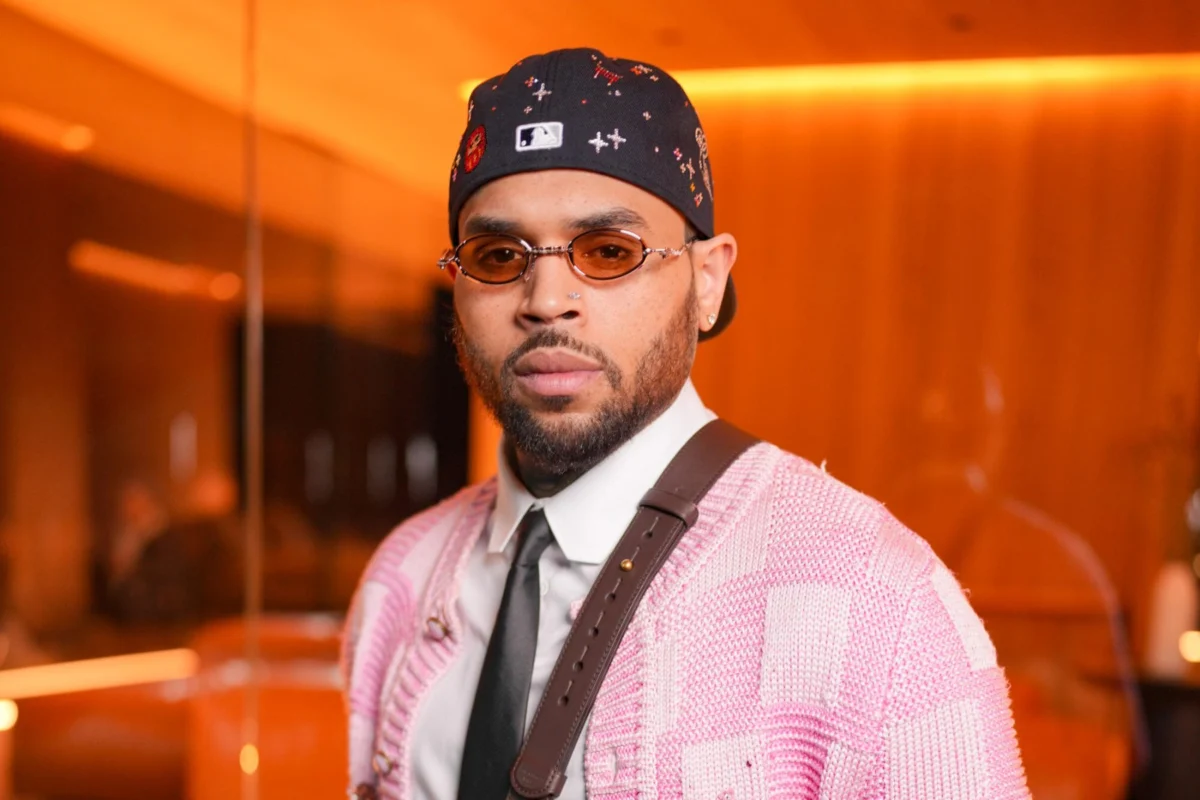
Award-winning American recording artist Chris Brown formally entered a guilty plea to a charge of "affray" on Friday, July 24, at London’s Southwark Crown Court, a pivotal development that resulted in the dismissal of more severe charges of assault and suspicion of grievous bodily harm (GBH). The 37-year-old singer’s admission to disturbing the public order stems from an alleged violent altercation at an exclusive London nightclub in February 2023, which prosecutors characterized as a "vicious and unprovoked attack" on music producer Amadou "Abe" Diaw. This legal resolution, achieved during a hearing that reportedly lasted less than five minutes, marks another significant chapter in Brown’s long-standing history of legal entanglements.
Understanding the Charge of Affray in UK Law
The charge of affray, under Section 3 of the Public Order Act 1986 in the United Kingdom, refers to a person using or threatening unlawful violence towards another, causing a person of reasonable firmness present at the scene to fear for their personal safety. It is a charge that recognizes a public disturbance, but crucially, it carries a lower sentencing guideline compared to charges like assault occasioning actual bodily harm (ABH) or grievous bodily harm (GBH). ABH involves an assault that causes injury, while GBH denotes a much more serious level of physical harm, often requiring medical intervention and potentially involving lasting consequences. The initial charges Brown faced, including "suspicion of grievous bodily harm" and "possession of an offensive weapon" (a tequila bottle), suggested a significantly higher level of alleged culpability and potential for a much longer custodial sentence. By pleading guilty to affray, Brown has acknowledged his involvement in the public disorder without necessarily admitting to the direct, severe infliction of injury with intent that the more serious charges would require the prosecution to prove. This strategic plea often reflects a compromise between the defense and prosecution, potentially due to challenges in proving specific elements of the more severe charges, the victim’s willingness to testify, or a desire to avoid a lengthy and costly trial.
A Detailed Chronology of the Incident and Legal Proceedings
The genesis of this legal battle traces back to the early hours of February 19, 2023, at Tape, a private members’ club nestled in London’s affluent Mayfair district, renowned for attracting high-profile celebrities and musicians. According to prosecution statements, the incident involved Chris Brown allegedly striking music producer Amadou "Abe" Diaw over the head with a bottle. This act was reportedly followed by Brown’s 40-year-old vocal coach, Omololu Akinlolu, also known as Florida rapper Hoody Baby, joining the fracas and punching Diaw in the head. The Crown Prosecution Service further detailed that the two men "continued to assault [Diaw] whilst the victim attempted to flee through the club," with Diaw reportedly "kicked while he was seated defenseless on the floor." Diaw was subsequently hospitalized, receiving treatment for head and knee injuries.
For over two years, the incident remained under investigation. The legal proceedings gained significant public attention when Brown was arrested in May 2025. This arrest occurred as he arrived in Europe to commence his highly anticipated "Breezy Bowl XX" tour, signaling that UK authorities had been actively pursuing the case. Following his arrest, Brown was formally charged with assault, suspicion of grievous bodily harm, and possession of an offensive weapon, specifically identified as a tequila bottle. Both Brown and Akinlolu initially entered "not guilty" pleas to these more serious charges during a hearing in June 2025. Despite the gravity of the charges, Brown was released on a substantial $6.75 million bail, a condition that allowed him to proceed with his European tour dates, beginning in Amsterdam. The recent plea of guilty to affray on July 24, 2025, represents a significant turning point, circumventing a potentially protracted and damaging trial. Both Brown and Akinlolu are now scheduled to return to court on October 26, 2025, for their sentencing hearing, with bail conditions stipulating Brown’s return to the UK by October 25.
The Alleged Incident at Tape Nightclub: A Closer Look
Tape nightclub, a venue synonymous with London’s elite nightlife, frequently hosts international artists and high-net-worth individuals, making it a recurring setting for celebrity sightings and, occasionally, high-profile altercations. On that fateful night in February 2023, the atmosphere of exclusivity reportedly descended into chaos. While the full narrative of what precipitated the alleged attack has not been entirely disclosed in public court records, prosecutors painted a picture of a "vicious and unprovoked" assault. Amadou Diaw, a music producer whose work connects him to various artists within the industry, became the alleged target. The use of a bottle as a weapon, as claimed by the prosecution, elevates the severity of the initial allegations, pointing to an intent to cause significant harm. The involvement of Omololu Akinlolu, Brown’s vocal coach and a recording artist in his own right, complicated the incident, transforming it from a singular act into a multi-party assault. The description of Diaw being "kicked while he was seated defenseless on the floor" underscores the brutal nature of the attack as presented by the Crown Prosecution Service, highlighting the victim’s vulnerability during the incident.

Chris Brown’s Enduring Pattern of Legal Troubles
The latest guilty plea, while for a lesser charge, inevitably casts a shadow over Chris Brown’s career, reigniting discussions about his persistent struggles with legal and public image issues. His history of brushes with the law is extensive and well-documented, often eclipsing his musical achievements. The most prominent incident remains the 2009 assault on his then-girlfriend, pop superstar Rihanna, for which he pleaded guilty to felony assault and received five years of probation and community service. This event indelibly marked his public persona and set a precedent for scrutiny regarding his conduct.
Since then, Brown has faced numerous other accusations and legal challenges. These include allegations of assault, battery, and various public disturbances, some of which resulted in further probation violations, arrests, and periods of incarceration. For instance, in 2013, he was arrested for felony assault in Washington D.C., leading to a misdemeanor assault conviction. In 2016, he was arrested on suspicion of assault with a deadly weapon after a woman claimed he threatened her with a gun. While many of these cases were resolved through plea deals, dismissals, or civil settlements, the cumulative effect has been a consistent narrative of legal turmoil. This pattern has led to ongoing debates about accountability, rehabilitation, and the impact of celebrity on the justice system. The current affray plea, even with the dropping of more serious charges, reinforces this established public image, suggesting a recurring challenge for the artist in managing personal conflicts and maintaining public order.
Official Reactions and the Victim’s Stance
In the aftermath of the guilty plea, official statements emphasized the seriousness with which the authorities viewed the incident. Detective Zara Ripamonti of the Metropolitan Police articulated the police force’s unwavering stance against violence. "This was a disgraceful, unprovoked assault that put a man in hospital," Ripamonti stated, underscoring the severe impact on the victim. She further added, "There is no place for serious violence like this in London and I’m pleased these men accepted what they did wasn’t just completely unacceptable — but criminal. This has been a long investigation and we’ve worked with police colleagues in the UK to bring these two men to justice." This statement reflects the police’s determination to prosecute acts of violence, regardless of the perpetrator’s celebrity status, and highlights the transnational cooperation involved in securing a conviction for individuals who may attempt to evade justice by leaving the country.
The Crown Prosecution Service (CPS), responsible for prosecuting criminal cases in England and Wales, also provided a statement reiterating the details of the assault as presented in court. Their focus was on the "vicious and sustained" nature of the attack, particularly the detail that Diaw was "kicked while he was seated defenseless on the floor." The decision by the CPS to accept the affray plea, while dropping the more severe charges, would have been a carefully considered one, likely weighing the strength of evidence, the likelihood of conviction for the higher charges, and the judicial resources required for a full trial against the certainty of a guilty plea for a serious public order offense.
Notably, a spokesperson for Chris Brown had not returned Billboard‘s request for comment at press time, maintaining a strategic silence that often accompanies high-stakes legal proceedings, particularly ahead of a sentencing hearing.
Regarding the victim, Amadou "Abe" Diaw, the situation presents a complex picture. Diaw had previously initiated a $16 million civil lawsuit against Brown over the assault but subsequently dropped it. The reasons behind the withdrawal of such a substantial claim remain undisclosed. This could suggest various possibilities: an out-of-court settlement was reached, providing Diaw with financial compensation and avoiding the protracted and public nature of a civil trial; Diaw may have simply wished to move on from the traumatic incident; or there could have been challenges in pursuing an international civil case against a high-profile defendant. The dropping of the civil suit does not diminish the criminal conviction but often indicates a resolution on the personal liability front.
Implications for Brown’s Career and Public Image
The guilty plea to affray, despite averting more severe charges, will undoubtedly carry significant implications for Chris Brown’s career and public image. While legally a less serious offense than grievous bodily harm, it is still a criminal conviction for a violent public order offense. For an artist whose career has been perpetually shadowed by legal issues, this incident further entrenches the narrative of a talented but troubled individual.
In the short term, the conviction could lead to enhanced scrutiny from concert promoters, venues, and international governments regarding his eligibility for travel and performances. Future tours may face increased visa challenges, particularly in countries with strict entry requirements for individuals with criminal records. Endorsement deals, already a sensitive area for Brown due to his history, could be further impacted, as brands often seek to distance themselves from controversies involving violence.
Long-term, the incident contributes to a cumulative negative perception among segments of the public and the music industry. While Brown maintains a loyal and fervent fanbase, critics and a portion of the general public consistently express concerns about his pattern of behavior. This latest conviction, even if for a lesser charge, reinforces the perception that he continues to struggle with managing anger and avoiding violent altercations. It may also influence how his music is received, with some listeners potentially separating the art from the artist, while others might find it increasingly difficult to do so. The continuous cycle of legal troubles, arrests, and public apologies (or lack thereof) creates a narrative that can detract from his artistic output and overshadow any philanthropic or positive efforts he might undertake. The industry’s evolving stance on accountability, particularly in the wake of movements emphasizing social responsibility, means that artists with such histories face heightened pressure and potential repercussions.
The Road Ahead: Sentencing and Future Outlook
With the guilty plea entered, the focus now shifts to the sentencing hearing scheduled for October 26, 2025. For an affray conviction in the UK, the maximum sentence can be up to three years in prison, or a fine, or both. However, the actual sentence will depend on various factors, including the severity of the violence, the degree of harm caused, any aggravating or mitigating circumstances, and the defendant’s previous criminal record. Given Brown’s extensive legal history, including past violent offenses, this will likely be considered an aggravating factor, potentially leading to a more severe sentence than for a first-time offender.
Crucially, the judge has set bail conditions that permit Brown to leave the UK ahead of the sentencing hearing, allowing him to fulfill professional commitments or personal obligations. However, this is strictly conditional on his return to the UK by October 25, 2025, underscoring the court’s requirement for his presence at the sentencing. Failure to adhere to these bail conditions would result in a warrant for his arrest and could lead to additional charges or a more stringent sentence.
The outcome of the sentencing hearing will dictate the immediate future for Chris Brown. While a custodial sentence is a possibility, the court also has options for non-custodial penalties, such as hefty fines, community service, or a suspended sentence, particularly given the plea deal. Regardless of the specific penalty, the conviction for affray will remain on his criminal record, a permanent reminder of the London nightclub incident and another chapter in his complex public life. The ongoing scrutiny will persist, and his ability to navigate these challenges will continue to define his legacy beyond his musical achievements.