 Nayara Elvina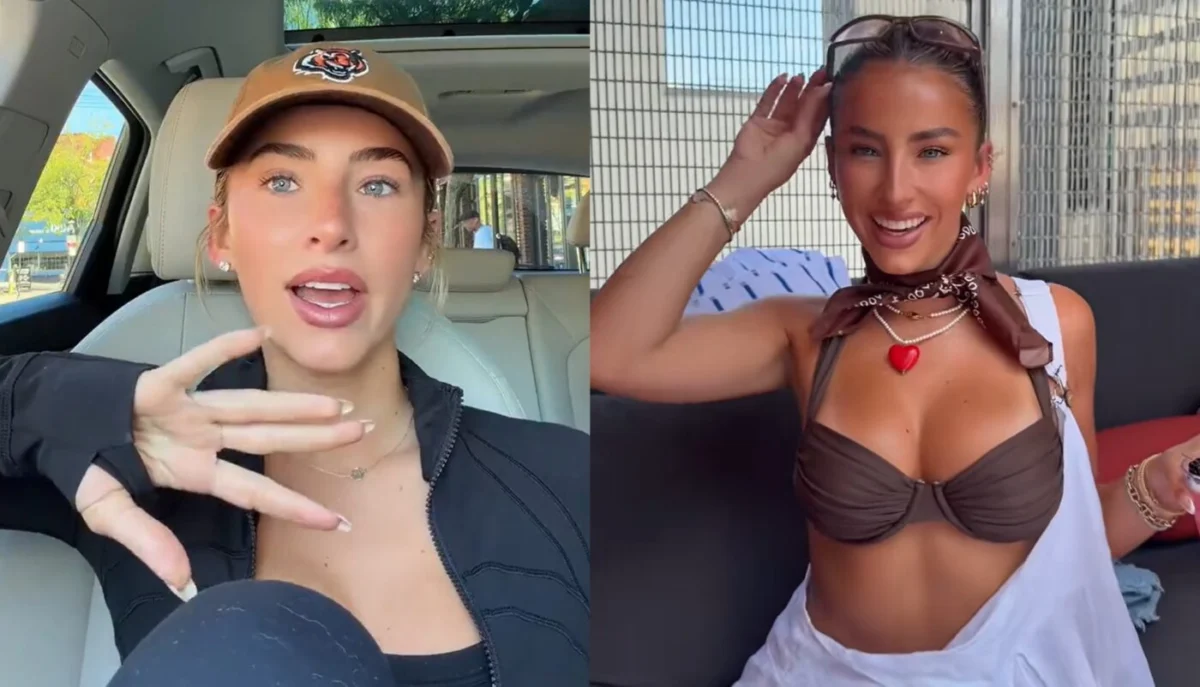
Social media influencer Gia Duddy has once again captured widespread public attention, though this time the digital response has been overwhelmingly critical. Known widely in sports and entertainment circles as the former girlfriend of NFL quarterback Will Levis, Duddy recently shared a video blog detailing the less glamorous aspects of modern life as the romantic partner of a professional athlete. Specifically, her public frustration regarding her current residence in Cincinnati, Ohio, has sparked a firestorm of online commentary, alienating local residents and football fans alike.
The controversy highlights a growing cultural fascination—and occasional friction—surrounding the intersection of professional sports, social media influence, and the public-facing lives of athletes’ partners, commonly referred to as WAGs (wives and girlfriends). As digital platforms continue to blur the line between private grievances and public broadcasting, high-profile figures frequently discover that venting about elite lifestyles resonates poorly with a general public navigating everyday economic challenges.
Background Context and the Rise to Public Prominence
Gia Duddy first entered the public consciousness during the 2023 NFL Draft. At the time, she was widely recognized as the supportive partner of former University of Kentucky quarterback Will Levis. The draft broadcast became a viral cultural moment when Levis experienced an unexpected slide down the first-round board, ultimately being selected in the second round by the Tennessee Titans. Throughout the televised event, network cameras repeatedly focused on Levis and Duddy in the green room, creating an uncomfortable spectacle as the quarterback’s draft stock plummeted.
Despite the initial awkwardness of draft night, Duddy leveraged the exposure to build a substantial following across platforms like TikTok and Instagram, transforming herself into a prominent lifestyle and fashion influencer. Her relationship with Levis lasted approximately three years before the couple mutually parted ways in September 2023. Neither party publicly detailed the specific reasons behind the breakup, but both moved forward independently within their respective professional spheres, with Levis securing a foothold in the league and Duddy expanding her digital footprint.
Chronology of the Recent Controversy
Following her split from Levis, Duddy’s romantic life continued to generate media speculation. Reports eventually linked her to an unnamed wide receiver currently playing for the Cincinnati Bengals. As she integrated herself into the local community surrounding her new partner’s team, the realities of the professional football lifestyle reportedly began to take a toll.
The controversy erupted when Duddy posted a video to her social media accounts addressing the transient nature of the NFL and the emotional challenges of relocation. In the clip, which quickly circulated across multiple digital platforms, she attempted to articulate the difficulties of maintaining a social circle in a city dictated by sudden roster changes and professional volatility.
"The part of the WAG life that nobody talks about that isn’t as glamorous is when the men get traded, literally at the drop of a hat, and then all of the sudden, you lose friends," Duddy stated in the video. "I swear to God, my four closest friends, every single one of them are gone, from preseason to now. I’d like to say I’m all alone, but I’m not all alone. I still have so many great friends here, but… bitch I’m in Cincinnati, Ohio."
The colloquial malapropism—referring to changes happening "at the top of a hat" rather than the traditional idiom "drop of a hat"—was quickly seized upon by internet commentators, but the geographical slight aimed at southwestern Ohio proved to be the primary catalyst for public indignation.
Public Reaction and Social Media Backlash
The video rapidly transcended Duddy’s immediate follower base, drawing sharp rebukes from general sports fans, local residents, and digital commentators. Critics pointed out the stark contrast between the financial privileges afforded by an NFL salary and the perceived ingratitude of complaining about residency in a major Midwestern metropolitan area simply because it lacked the coastal allure of cities like Miami, Los Angeles, or New York.
Prominent social media users weighed in on the remarks, questioning the framing of contemporary influencer culture. One user, identified as Mike Stanley, posted, "Some of these ‘WAGs’ really think they’re the main characters." Another commenter, Marcus Corleone, critiqued the modern influencer economy, writing, "So her career is being an NFL player’s gf."
Local residents also expressed fatigue over out-of-town figures disparaging the region. A Cincinnati-based commentator named Costa noted the disconnect in a widely shared post: "I’m not even from Cincinnati so this doesn’t offend me in the slightest, but this is the weirdest energy to post online lmao. Like poor you for dating an NFL player that doesn’t play in a huge city like LA or Miami lmao."
Conversely, the backlash also prompted nostalgic references to Duddy’s past relationship, with several users jokingly suggesting that her former partner had successfully avoided long-term complications. One viral tweet bluntly summarized this sentiment by stating, "Levis dodged a bullet."
Broader Socio-Cultural Implications
The incident underscores a broader sociological shift in how the partners of professional athletes navigate public visibility. In previous eras, the spouses and romantic companions of major league athletes maintained a relatively low profile, rarely offering public commentary on the administrative decisions of sports franchises or the personal inconveniences of relocation.
However, the advent of social media monetization has transformed the WAG demographic into a distinct subgenre of digital influencers. Platforms now reward transparency, vulnerability, and lifestyle content, encouraging creators to share intimate details of their daily routines. This dynamic frequently creates a double-edged sword: while candid disclosures can drive engagement and follower growth, they also expose creators to severe public scrutiny when their complaints appear tone-deaf or disconnected from the lived experiences of their audience.
From an economic perspective, professional athletes command multi-million-dollar contracts that provide an exceptionally high standard of living, insulating their households from the financial anxieties experienced by the vast majority of citizens. When individuals benefiting directly from these financial structures publicly lament the cultural or geographical shortcomings of cities like Cincinnati—which houses a passionate fanbase and a storied sports tradition—it frequently triggers a populist backlash. Fans who support the team through ticket purchases, merchandise, and emotional investment often struggle to sympathize with grievances centered on regional lifestyle preferences.
Conclusion and Future Outlook
As the digital dust settles on Duddy’s latest viral moment, the episode serves as a case study in the perils of unfiltered online expression for micro-celebrities and influencers. While the controversy is unlikely to impact her partner’s standing on the Cincinnati Bengals roster or alter the fundamental economics of the National Football League, it clearly demonstrates the limits of public sympathy.
For public figures operating within the sports-entertainment ecosystem, the narrative highlights an enduring reality: while audiences are eager to consume glamour, luxury, and behind-the-scenes access, they remain largely intolerant of perceived ingratitude from those enjoying the upper echelons of professional sports wealth. Whether this backlash will prompt a recalibration in how Duddy and her peers curate their public personas remains to be seen, but the incident has firmly cemented the risks of broadcasting personal complaints to a digital world keeping score.