Aveline Kirana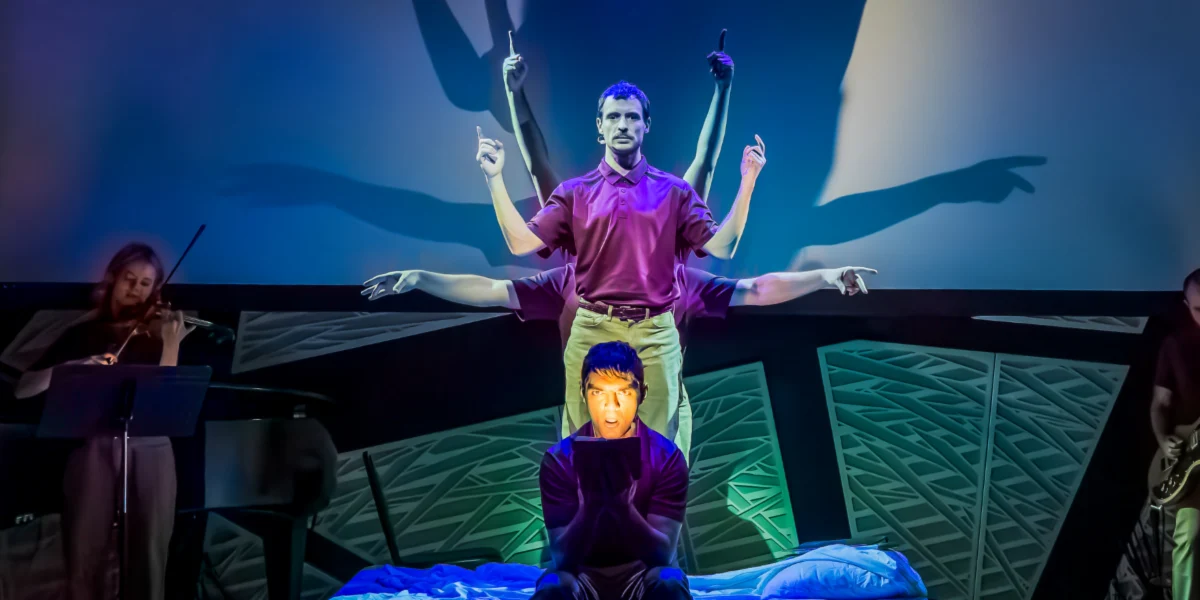
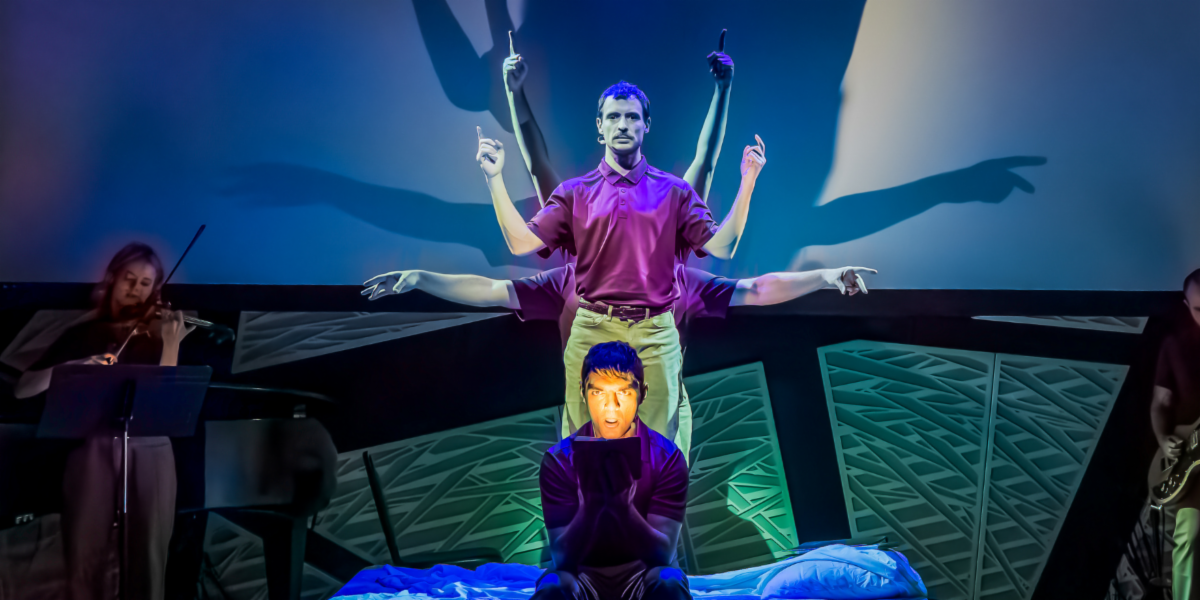
The vibrant landscape of contemporary music-theatre has a new rising star as composer Anuj Bhutani has been named the winner of the prestigious Beth Morrison Projects (BMP):NEXTGEN3 competition. This significant accolade, announced following two compelling performances at National Sawdust in Brooklyn, signifies a pivotal moment in Bhutani’s career, promising the development of his deeply personal and innovative autobiographical work, "MANU," into a full-length evening production. The commission from Beth Morrison Projects will facilitate this ambitious undertaking, with a premiere slated for BMP’s renowned PROTOTYPE Festival in New York, followed by a second showing in Los Angeles.
BMP:NEXTGEN3, a program designed to identify and nurture emerging talent in the opera and music-theatre sphere, has a track record of launching significant artistic careers. The competition’s format typically involves a series of developmental workshops and showcases, culminating in a final presentation of the composers’ works. This year’s finalists, Anuj Bhutani and Harriet Steinke, presented 30-minute vocal-theatre pieces that, while distinct in their thematic and musical approaches, both captivated the selection committee with their artistic merit and potential. The final performances at National Sawdust, a venue known for its commitment to avant-garde and experimental music, provided a crucial platform for these composers to demonstrate their vision to industry professionals, critics, and a discerning audience.
Anuj Bhutani’s winning work, "MANU," is an autobiographical music-theatre piece that courageously intertwines his personal narrative with the ancient Hindu flood myth of survival. This unique juxtaposition promises a multi-layered exploration of trauma, resilience, and the universal human experience of overcoming adversity. The work draws from Bhutani’s own experiences as a student at a Troubled Teen Institute, a period likely fraught with emotional and psychological challenges. By connecting these deeply personal struggles with a timeless mythological narrative, Bhutani aims to create a work that is both profoundly individual and universally resonant. The choice of the flood myth, a powerful symbol of destruction and rebirth, suggests a narrative arc of profound transformation and catharsis. The development into an evening-length piece will allow for a more expansive exploration of these themes, potentially incorporating a richer musical vocabulary, more complex dramatic structures, and a deeper dive into the character’s journey.
The selection process for BMP:NEXTGEN3 is known to be rigorous, involving multiple stages of review and feedback from a panel of esteemed artists and administrators. The competition’s emphasis on developing new works from emerging composers underscores Beth Morrison Projects’ commitment to the future of opera and music-theatre. Beth Morrison, President and Creative Producer of BMP, articulated the difficulty of the decision in a statement, highlighting the exceptional quality of both finalists’ submissions. "Deciding who the winner of BMP:NEXTGEN3 was a very difficult one," Morrison stated. "Anuj and Harriet both wrote incredible 30-minute works of vocal-theatre that could not have been more different from each other. In the end, I felt that ‘MANU’ is creating a new kind of storytelling in music-theatre that I find very compelling." This endorsement from a leading figure in the field underscores the innovative nature of Bhutani’s approach and its potential to push the boundaries of the genre.
Harriet Steinke, the fellow finalist whose work "Monna Innominata" was also presented, demonstrated significant talent and artistic vision. While the competition ultimately favored Bhutani’s "MANU," Steinke’s inclusion as a finalist speaks to the high caliber of talent emerging from the program. The distinctiveness of the two works, as noted by Morrison, likely presented a fascinating challenge for the judges, requiring them to assess different, yet equally valid, artistic trajectories. "Monna Innominata" likely offered a different thematic or stylistic exploration, contributing to the rich diversity of contemporary music-theatre. The fact that both works were deemed worthy of presentation at the final stage speaks volumes about the strength of the BMP:NEXTGEN3 program in identifying promising new voices.
Background of Beth Morrison Projects and the NEXTGEN Program
Beth Morrison Projects has established itself as a vital force in the contemporary opera and music-theatre landscape. Founded with a mission to champion new works and support emerging artists, BMP has consistently presented boundary-pushing productions that challenge traditional notions of the genre. The organization has a reputation for taking risks, investing in projects that might otherwise struggle to find funding or production support. Their commitment extends from commissioning new pieces to facilitating their development and premiere, often through collaborations with innovative performance venues and festivals.
The BMP:NEXTGEN program, now in its third iteration, is a cornerstone of this mission. It serves as a crucial incubator for composers and librettists, providing them with the resources, mentorship, and performance opportunities necessary to bring their ambitious projects to fruition. The program’s history is marked by a dedication to fostering a diverse range of voices and aesthetic approaches. Each cycle of NEXTGEN aims to identify works that not only possess artistic integrity but also offer fresh perspectives and innovative storytelling methods. The competition’s structure, involving workshops, readings, and culminating showcases, is designed to provide composers with constructive feedback and to allow them to refine their works in a supportive environment. The selection of National Sawdust as the venue for the final performances further aligns with BMP’s ethos of presenting new works in spaces that are conducive to experimental and forward-thinking artistic endeavors. The venue’s reputation for hosting cutting-edge musical performances makes it an ideal setting for showcasing the innovative output of emerging composers like Bhutani and Steinke.
Chronology of the BMP:NEXTGEN3 Competition
While the exact start date of the BMP:NEXTGEN3 competition is not detailed in the provided information, its conclusion can be placed within a specific timeframe. The competition culminated in two performances at National Sawdust in Brooklyn. These performances served as the final showcase for the selected composers, allowing them to present their works to a panel of judges and the public. Following these presentations, Anuj Bhutani was announced as the winner. The subsequent steps involve Bhutani receiving a commission from Beth Morrison Projects to develop "MANU" into an evening-length piece. This developmental phase is expected to span "the coming years," indicating a long-term commitment from BMP to the project. The ultimate goal is the full premiere of "MANU" at BMP’s PROTOTYPE Festival in New York, with a subsequent performance in Los Angeles. This phased approach to development and premiere is characteristic of how significant new opera and music-theatre works are brought to life, allowing for iterative refinement and audience engagement at various stages.
The timeline can be broadly outlined as follows:
- Program Initiation: The BMP:NEXTGEN3 competition began, likely involving an application process and initial selection of composers.
- Developmental Stages: Selected composers would have engaged in workshops, readings, and rehearsals, potentially over an extended period, to refine their 30-minute vocal-theatre pieces.
- Final Showcase: Two performances were held at National Sawdust, presenting the works of the finalists, including Anuj Bhutani and Harriet Steinke.
- Winner Announcement: Anuj Bhutani was declared the winner of BMP:NEXTGEN3.
- Commissioning and Development: Bhutani receives a commission to develop "MANU" into an evening-length work. This is an ongoing process.
- Premiere and Subsequent Performances: The full-length "MANU" is slated for its premiere at the PROTOTYPE Festival in New York, followed by a performance in Los Angeles.
Supporting Data and Context
The contemporary music-theatre scene, particularly in New York City, is characterized by a dynamic ecosystem of organizations dedicated to commissioning, developing, and producing new works. Beth Morrison Projects stands out as a leader in this field, having been instrumental in bringing significant contemporary operas and music-theatre pieces to audiences. Their PROTOTYPE Festival, a biennial event, is a major platform for showcasing innovative and experimental works from both established and emerging artists. Past PROTOTYPE festivals have featured critically acclaimed productions that have gone on to international recognition, highlighting the festival’s role as a bellwether for the future of the genre.
The success of programs like BMP:NEXTGEN3 is crucial for the sustainability and evolution of opera and music-theatre. These competitions provide a vital pipeline for new repertoire, ensuring that the art form continues to engage with contemporary issues and artistic sensibilities. The financial commitment involved in commissioning and developing a new evening-length work can be substantial, often running into hundreds of thousands of dollars, encompassing composer fees, librettist fees, orchestral costs, staging, and production expenses. The commission from BMP to Bhutani signifies a significant investment in his artistic vision and the potential of "MANU."
Furthermore, the increasing emphasis on autobiographical narratives in contemporary art reflects a broader cultural trend towards personal storytelling and the exploration of individual identity. Composers like Bhutani are leveraging the dramatic and expressive capabilities of music-theatre to delve into deeply personal experiences, making the art form more relatable and impactful for diverse audiences. The fusion of personal narrative with mythological or historical themes, as seen in "MANU," is a sophisticated approach that can elevate individual stories to universal archetypes, offering profound insights into the human condition.
Analysis of Implications
The awarding of BMP:NEXTGEN3 to Anuj Bhutani carries several significant implications for the composer, Beth Morrison Projects, and the broader field of music-theatre. For Bhutani, this commission represents a monumental step forward, providing him with the financial backing, artistic support, and platform necessary to transform a promising 30-minute work into a full-scale production. The opportunity to premiere at the PROTOTYPE Festival, a highly regarded international event, will undoubtedly bring him significant exposure to critics, presenters, and a discerning audience, potentially launching his career onto a national and international stage. The development process itself, working with BMP over several years, will offer invaluable experience in refining his craft and navigating the complexities of large-scale theatrical production.
For Beth Morrison Projects, the selection of "MANU" reinforces their commitment to identifying and nurturing artists who are pushing the boundaries of music-theatre. By investing in Bhutani’s autobiographical work, BMP signals its dedication to championing narratives that are both personal and universal, and to supporting composers who employ innovative storytelling techniques. The success of "MANU" at the PROTOTYPE Festival would further solidify BMP’s reputation as a leading incubator of new and important operatic and music-theatre works. The dual premiere in New York and Los Angeles also signifies a strategic effort to broaden the reach and impact of the commissioned work, ensuring it is seen by audiences in two major cultural centers.
In the wider context of music-theatre, the success of "MANU" could inspire other composers to explore autobiographical themes with similar depth and artistic ambition. It also highlights the growing importance of programs like BMP:NEXTGEN3 in cultivating the next generation of artists. As the field continues to evolve, the need for organizations that can provide sustained support for the development of new works is paramount. The innovative fusion of personal experience with potent mythological imagery in "MANU" suggests a promising direction for contemporary music-theatre, one that can resonate with audiences on multiple levels by addressing both the specific challenges of individual lives and the enduring themes of human existence. The fact that Bhutani’s work was selected over another strong contender like Harriet Steinke’s "Monna Innominata" underscores the highly competitive nature of new music development and the subjective yet crucial role of artistic vision in such selections. The "compelling" nature of Bhutani’s storytelling, as described by Beth Morrison, points to a future where music-theatre can offer increasingly nuanced and impactful explorations of the human psyche and its relationship to the world.