 Aveline Kirana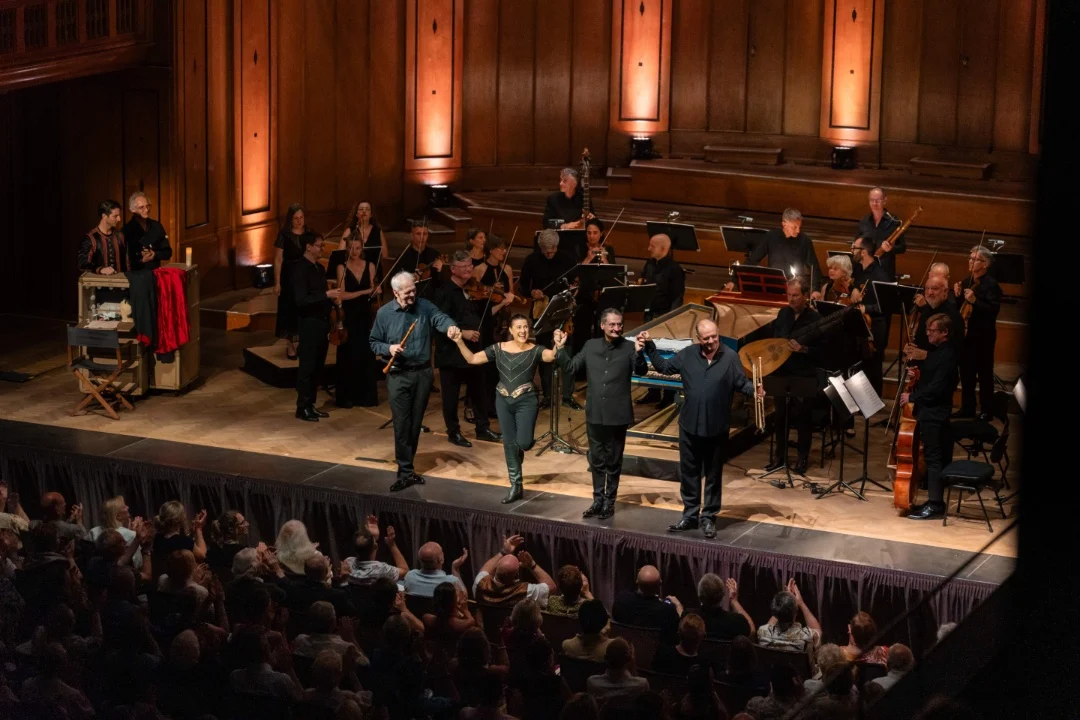
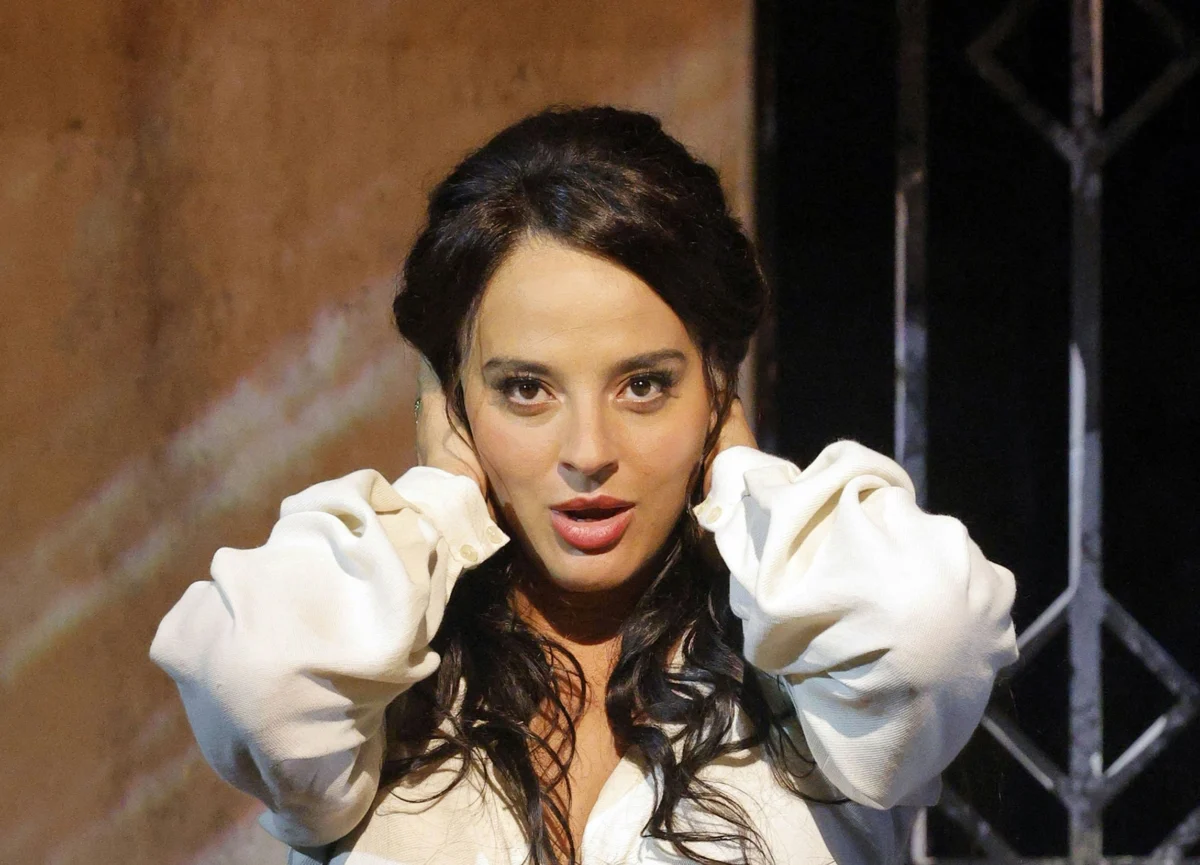
The 2026 Kissinger Sommer festival reached its grand finale with a highly anticipated event, marking the much-awaited return of the acclaimed Italian mezzo-soprano Cecilia Bartoli after a decade-long absence. In a testament to Bartoli’s enduring popularity and the festival’s commitment to delivering exceptional artistic experiences, organizers took the unprecedented step of extending the festival’s schedule by an entire week. This strategic extension cultivated a special "festival-within-a-festival," presenting audiences with an extraordinary series of three concerts over three consecutive nights. The inaugural evening of this extended program was meticulously curated as a "Baroque Queen" gala concert, designed to showcase the unique artistry and celebrated vocal prowess of Cecilia Bartoli.
Setting the Stage for a Baroque Spectacle
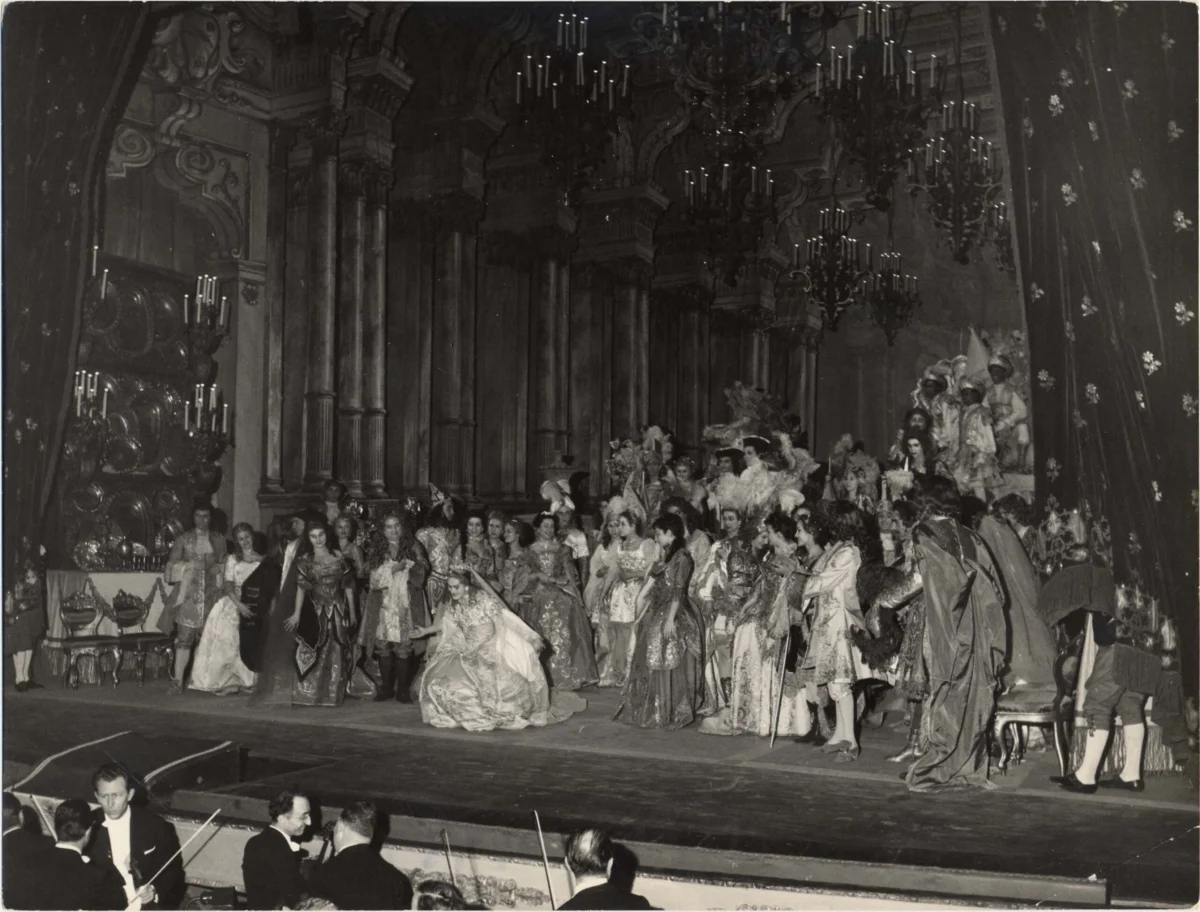
The venerable Max-Littmann-Saal served as the opulent backdrop for this landmark performance. Constructed in the early 20th century and retaining its elegant 1910s interior design, the hall is renowned for its exceptional acoustic properties. Patrons consistently praise its ability to deliver a sound that is both rich and warm, characterized by remarkable clarity and a natural, pleasing reverberation. The overwhelming public demand for Bartoli’s return necessitated a significant expansion of the performance space. To accommodate the massive anticipated crowd, the adjacent Grüneer Saal was seamlessly integrated with the main auditorium, creating an expanded venue capable of hosting a larger audience. This logistical adaptation underscored the festival organizers’ dedication to meeting audience expectations and ensuring that as many admirers as possible could witness Bartoli’s comeback.
Providing the orchestral foundation for the evening was the esteemed ensemble Les Musiciens du Prince – Monaco, under the precise and insightful direction of Gianluca Capuano. In contrast to their usual roles in fully staged opera productions, the ensemble adopted a more supportive and nuanced approach for this gala concert. Rather than introducing ostentatious embellishments during the A-sections of the da capo arias, their focus was on crafting a sensitive and warm sonic tapestry that served to elevate and complement the star soloist. The concert commenced with the powerful Sinfonia from George Frideric Handel’s opera "Rinaldo." Maestro Capuano led the ensemble at a tempo slightly brisker than is commonly heard, infusing the opening with an immediate sense of dramatic urgency. The inclusion of a rare, historically informed drum part further amplified the energetic pulse of the overture, setting a compelling tone for the performances to follow.
Bartoli’s Illuminating Interpretations
Cecilia Bartoli made her grand entrance on stage, immediately captivating the audience with her signature ability to sustain long, resonant notes, a hallmark of her vocal technique. After a brief exploration of two pieces by Nicola Porpora, she transitioned seamlessly into Antonio Vivaldi’s celebrated aria "Sovvente il sole," extracted from the opera "Andromeda liberata." Supported by a solo violin that wove a timbre reminiscent of silk, Bartoli demonstrated her extraordinary breath control and nuanced phrasing. In the A-section of this aria, she opted for an intensely pianissimo approach, a strategic choice that succeeded in creating a palpable sense of suspense, drawing the audience into a hushed anticipation. While this technique effectively held the listeners spellbound, there were moments when the vocal projection, particularly in the vastness of the expanded hall, felt marginally understated, bordering on delicate.
Following an instrumental dance from Handel’s "Ariodante," Bartoli delivered one of Handel’s most profound and universally recognized melodies: "Lascia la spina" from "Il Trionfo del Tempo e del Disinganno." In this rendition, Bartoli stripped away any unnecessary vocal or interpretive adornment, focusing on the inherent emotional core of the music. Her performance of Piacere’s final plea resonated with profound sincerity. Once again, accompanied by the fluid, textural interplay of the continuo harpsichord, she employed a radical pianissimo for the da capo section. Her phrasing remained impeccable, yet the sound diminished to a level that verged on an ethereal whisper. While it is important not to impose overly critical demands on individual arias detached from their full dramatic context, it was evident that the pursuit of sheer sonic beauty was prioritized above all else. During this segment, the surtitle operators, positioned in the royal box, experienced difficulties, at times displaying incorrect lyrics or struggling to keep pace with Bartoli’s nuanced delivery, a distraction that regrettably recurred throughout the evening.
The instrumental interlude that followed proved to be a significant highlight of the concert. Les Musiciens du Prince – Monaco presented the Sinfonia from Johann Adolf Hasse’s opera "Marc’Antonio e Cleopatra" with exceptional precision and clarity. The ensemble masterfully brought out the bright, effervescent qualities of the score, particularly in the Grazioso movement, which featured a beautifully executed and elegantly phrased violin solo. This piece transitioned with remarkable fluidity into the sublime, heavenly orchestral textures of Handel’s "Il Parnasso," from "Giulio Cesare," further showcasing the ensemble’s versatility and interpretive depth.
Theatrical Flourishes and Vocal Virtuosity
This instrumental interlude also provided Bartoli with a brief but necessary interval for a costume change. She reappeared on stage embodying the character of Cleopatra, ready to perform the aria "V’adoro, pupille." This performance was enhanced by the presence of dancer Giovanni Imbroglia, who artfully framed Bartoli’s singing with the dramatic sweep of large feather fans. Against this visually striking and flamboyant backdrop, Bartoli commanded the audience’s attention with undeniable conviction, transforming the inherent beauty of the music into a potent expression of seduction.
This captivating musical allure was further amplified in Georg Philipp Telemann’s Trumpet Concerto in D Major. This concerto served as an engaging prelude to the trio from Handel’s "Amadigi da Gaula," the aria "Mi deride… Dèsterò dall’empia Dite." This piece featured a compelling and spirited dialogue between the oboe, trumpet, and voice. While the articulation of the trumpet occasionally lacked crispness, the oboe delivered a performance of remarkable clarity and expressiveness. The three-way musical exchange was fiery and brimming with life, effectively evoking the opulent and dramatic atmosphere of the Baroque era. Although this particular performance leaned towards a more theatrical presentation, such an approach was entirely fitting and expected for an entertaining summer evening concert of this nature.
Bartoli then returned to her established domain with Vivaldi’s powerful aria "Sol da te mio dolce amore," from the opera "Orlando furioso." Supported by the flowing melodic lines of a Baroque transverse flute and a textural foundation dominated by plucked strings, her vocal performance was utterly captivating. Following a suite of dances from "Ariodante," which carried discernible hints of Scottish folk music, she reappeared to perform "Augelletti, che cantate" from "Rinaldo." In a moment of charming audience interaction, Bartoli walked amongst the seats, playfully holding a fishing rod adorned with attached birds, maneuvering it in a deliberately whimsical and humorous fashion. Her exceptionally flexible vocal lines, perfectly attuned to the woodwinds, masterfully recreated this classic pastoral scene, eliciting smiles and applause.
A Grand Finale and Reflections
The official program culminated with Handel’s "What passion cannot Music raise and quell," from his Ode for St Cecilia’s Day. This selection was particularly poignant, given that the celebrated mezzo-soprano was marking her 60th birthday in the current year. Introduced by a thoughtful and resonant cello solo, Bartoli employed her characteristic elastic timbre and seasoned vocal maturity to deliver a performance of profound emotional depth and impact.
The evening concluded with an exceptionally generous offering of five encore pieces. The first was Agostino Steffani’s spirited aria "Mie fide schiere, all’armi" from "Il trionfo del fato." This was followed by a selection of beloved Italian melodies, including the universally recognized "Non ti scordar di me." Throughout these encores, Bartoli appeared completely at ease and in her element, visibly relishing the spotlight and the vibrant, positive energy emanating from the enthusiastic crowd. In a resort town like Bad Kissingen, the convivial spirit of a summer evening concert naturally takes precedence. To subject such a gala, featuring a star of Bartoli’s caliber, to the rigorous critical standards of Historically Informed Performance (HIP) practice would arguably miss the intended point of the occasion.
However, for a festival celebrating its 40th anniversary, and for an influential singer who has demonstrably shaped contemporary understanding of Baroque vocal music, the program, which drew heavily from her previous "Farinelli" touring project and maintained a comfortable interpretive approach, felt somewhat conservative. While local patrons and holiday-makers were undoubtedly thrilled by the accessible and engaging performance, dedicated music lovers who had traveled from further afield may have harbored a quiet hope that Bartoli might have ventured slightly beyond her most familiar repertoire, offering a glimpse into less explored artistic territories. Nevertheless, the success of Bartoli’s return to the Kissinger Sommer, underscored by the extended programming and the overwhelming audience response, solidifies her status as a preeminent force in the world of classical music and a cherished artist by the festival’s devoted following. The event served as a powerful reminder of the enduring allure of masterful vocal performance and the unique magic that occurs when legendary artists connect with appreciative audiences in historic settings.